Yamunotri Temple: Historical Background

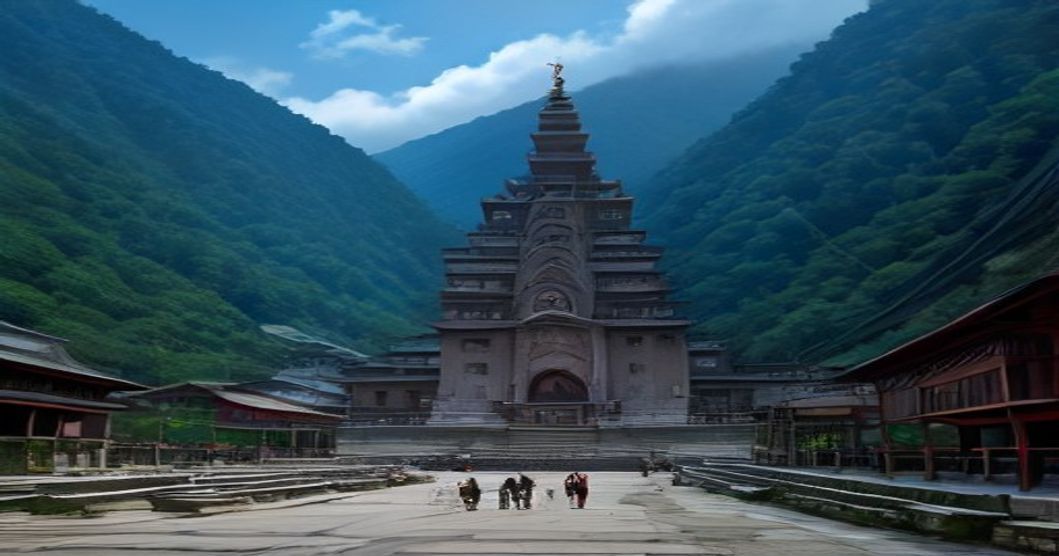
The Yamunotri Temple stands as a testament to centuries of devotion, perched high in the Garhwal Himalayas of Uttarakhand, India. Dedicated to Goddess Yamuna, the temple represents one of the four sacred shrines comprising the revered Chhota Char Dham pilgrimage circuit. Maharaja Pratap Shah of Tehri Garhwal commissioned the original temple structure in the 19th century, establishing a permanent sanctuary at this spiritually significant location where the Yamuna River originates.
The temple’s journey through time has been marked by resilience against nature’s formidable forces. Multiple earthquakes, landslides, and severe weather events characteristic of the high Himalayan region have necessitated several reconstruction efforts over the decades. Each renovation has been undertaken with careful attention to maintaining the sacred character of the site while ensuring structural stability. The current structure reflects both traditional design principles and modern engineering considerations that help it withstand the harsh environmental conditions at this elevation.
Historical records indicate that even before the formal temple construction, the site held immense religious importance for local communities and wandering ascetics who recognized the spiritual potency of the Yamuna’s source. The establishment of a permanent structure by Maharaja Pratap Shah formalized worship practices and made the pilgrimage more accessible to devotees from across the Indian subcontinent. Throughout its history, the temple has served not merely as a place of worship but as a cultural anchor for the surrounding mountain communities, whose traditions and livelihoods remain deeply intertwined with the pilgrimage season.
Cultural and Religious Significance
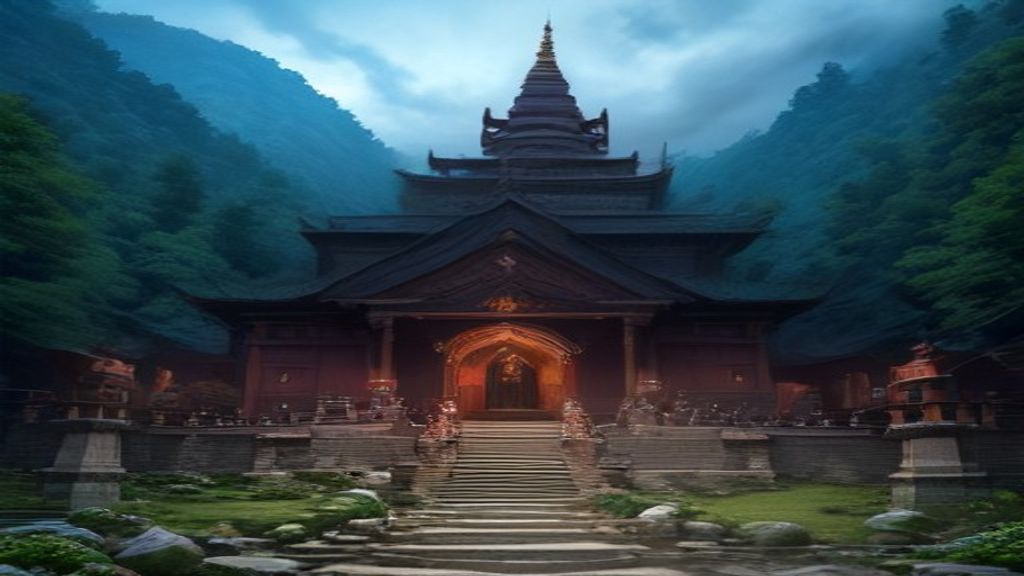
The Yamunotri Temple occupies a unique position in Hindu cosmology and mythology, serving as the earthly dwelling place of Goddess Yamuna. According to sacred texts, Yamuna is the daughter of the sun god Surya and the twin sister of Yama, the deity presiding over death and dharma. This familial connection imbues the Yamuna River with special protective qualities that distinguish it from other sacred waterways in Hindu tradition.
Devotees believe that bathing in the pristine waters of the Yamuna at its source offers liberation from the fear of untimely or painful death. This belief stems from the mythological narrative that Yamuna, through her sisterly affection for Yama, secured a boon ensuring that those who bathe in her waters with devotion will be granted a peaceful transition from mortal life. The ritual immersion, therefore, carries profound existential significance beyond simple physical purification, representing a spiritual insurance against suffering in one’s final moments.
The thermal springs at Janki Chatti, located near the temple, add another dimension to the site’s religious importance. These naturally heated waters, known as Surya Kund and Gauri Kund, maintain temperatures suitable for ritual bathing even in the coldest months. Pilgrims traditionally cook rice and potatoes tied in cloth in these boiling springs as an offering to the goddess, a practice that demonstrates the integration of natural phenomena into devotional practice. The cooked offerings are then distributed as prasad, blessed food that carries the goddess’s grace.
2026 Pilgrimage Trends
The 2026 pilgrimage season has witnessed remarkable growth in visitor numbers, with preliminary statistics from the Uttarakhand Tourism Development Board indicating a 12 percent increase compared to 2025 figures. This upward trajectory reflects several converging factors that have enhanced the appeal and accessibility of the Chhota Char Dham circuit. Improved infrastructure, including better road connectivity and expanded accommodation options, has reduced the physical barriers that previously deterred many potential pilgrims.
The Uttarakhand government’s targeted promotional campaigns, particularly those leveraging digital platforms and social media, have successfully reached younger demographics who are increasingly interested in combining spiritual experiences with adventure tourism. Additionally, the post-pandemic resurgence in domestic tourism has channeled renewed attention toward pilgrimage destinations as people seek meaningful travel experiences that offer both cultural enrichment and personal reflection.
Demographic analysis reveals that the pilgrim profile has diversified considerably in 2026. While senior devotees continue to form the core visitor base, there has been a notable increase in families with children and young adults undertaking the journey. This generational shift suggests that efforts to present the pilgrimage as both spiritually significant and experientially rewarding are resonating across age groups. The extended pilgrimage season, made possible by climate considerations and improved high-altitude facilities, has also contributed to distributing visitor numbers more evenly, reducing peak-period congestion.
Location and Accessibility

Yamunotri Temple sits at an elevation of approximately 3,293 meters above sea level in the western Garhwal Himalayas, making it one of the highest temples regularly accessible to pilgrims in Uttarakhand. The temple’s location at the source of the Yamuna River places it in a landscape of extraordinary natural beauty, surrounded by snow-capped peaks, alpine meadows, and dense coniferous forests. The Bandarpoonch massif provides a dramatic backdrop, its glaciers feeding the nascent river that flows from this sacred origin.
The standard route to Yamunotri begins from Janki Chatti, a small settlement that serves as the primary base camp for pilgrims. The distance from Janki Chatti to the temple measures approximately six kilometers, a trek that typically requires three to four hours for most pilgrims depending on fitness levels and acclimatization. The trail ascends gradually through scenic mountain terrain, crossing streams and passing through sections of forest before opening into the alpine zone where the temple stands.
In 2026, accessibility has improved dramatically due to comprehensive infrastructure upgrades initiated by state authorities. The motorable road to Janki Chatti has been widened and reinforced, reducing travel time from Dehradun and other major access points. Weather monitoring systems and real-time communication networks now provide pilgrims with current conditions, enabling better planning and enhanced safety. Medical facilities at strategic points along the route offer emergency care and altitude-sickness management, addressing one of the primary health concerns for visitors unaccustomed to high-elevation trekking.
Transport and Trekking Facilities
Transportation options to Janki Chatti have expanded significantly, reflecting the growing pilgrim numbers and the government’s commitment to facilitating religious tourism. Regular bus services now operate from Dehradun, Rishikesh, and Haridwar, with frequency increasing during the peak pilgrimage months of May through October. Private taxi services and shared vehicles offer flexible alternatives for those preferring personalized travel schedules.
For pilgrims unable or unwilling to complete the six-kilometer trek on foot, several alternative options exist. Pony and palanquin services operate throughout the pilgrimage season, with rates standardized by local authorities to prevent exploitation. As of August 2026, approximately 200 licensed ponies and 150 palanquins serve the route, managed by local communities who derive significant livelihood benefits from these services. Helicopter services from Kharsali helipad, operational since 2024, have gained popularity among time-constrained or physically limited pilgrims, though weather conditions frequently affect flight schedules.
The trekking trail itself has received substantial upgrades. Paved sections now cover approximately 60 percent of the route, with the remaining portions featuring well-maintained gravel paths with proper drainage systems. Rest shelters equipped with basic amenities appear at regular intervals, providing spaces for pilgrims to pause, hydrate, and acclimatize. Signage in multiple languages guides trekkers, while emergency communication points enable quick contact with authorities if assistance becomes necessary.
Professional guide services have become increasingly organized, with trained guides offering not only route assistance but also cultural and religious context that enriches the pilgrimage experience. Many guides are local residents with generational knowledge of the region, creating employment opportunities that keep younger community members engaged with traditional practices while earning sustainable livelihoods. The Uttarakhand Tourism Development Board certifies guides, ensuring minimum standards of knowledge, safety awareness, and ethical conduct.
Architectural Features

The Yamunotri Temple exemplifies traditional Himalayan architectural principles adapted to extreme environmental conditions. The structure employs locally sourced stone as its primary building material, chosen for durability against harsh weather and seismic activity common in the region. The walls, constructed using traditional dry-stone masonry techniques reinforced with mortar in critical areas, possess the flexibility to withstand ground movement while maintaining structural integrity.
Intricate wooden carvings adorn the temple’s entrance, doorframes, and interior elements, showcasing the exceptional craftsmanship characteristic of Garhwali artisans. These carvings depict episodes from Hindu mythology, particularly stories associated with Goddess Yamuna, Surya, and related deities. The wooden elements, treated with natural preservatives derived from local plant materials, resist the moisture and temperature fluctuations that would quickly degrade untreated wood at this altitude.
The temple’s architectural form follows the typical Nagara style prevalent in North Indian temple construction, featuring a sanctum sanctorum housing the deity’s image and a mandapa or assembly hall for devotees. The shikhara, or temple spire, rises in a pyramidal form characteristic of mountain temples, designed to shed snow effectively and resist wind forces. The compact footprint minimizes heat loss during winter months while accommodating the maximum number of devotees during peak pilgrimage periods.
Preservation of Architectural Integrity
Renovation efforts undertaken over the years have consistently prioritized maintaining the temple’s traditional aesthetic and structural character. Architects and conservation specialists work closely with religious authorities to ensure that necessary modernizations, such as improved foundation systems and weather-resistant treatments, remain invisible to pilgrims while enhancing the building’s longevity.
The exclusive use of local materials in restoration work serves multiple purposes beyond aesthetic continuity. Stone quarried from nearby sources matches the original construction in color, texture, and weathering characteristics, creating seamless integration between old and new elements. This practice also supports local economies and reduces the environmental impact associated with transporting materials over long distances through ecologically sensitive terrain.
Collaboration between historians, architects, and traditional craftsmen ensures that renovation techniques honor historical building methods while incorporating insights from modern engineering. Documentation efforts record construction details, material specifications, and architectural features, creating an archive that guides future preservation work and contributes to broader understanding of Himalayan temple architecture. The Archaeological Survey of India and state heritage authorities provide oversight and technical expertise, balancing religious requirements with conservation best practices.
Environmental and Conservation Efforts

The fragile Himalayan ecosystem surrounding Yamunotri faces mounting pressures from increased human activity, climate change, and associated environmental challenges. Recognizing these threats, authorities in 2026 have implemented comprehensive initiatives designed to promote sustainable tourism practices that minimize ecological damage while preserving the pilgrimage tradition for future generations.
Waste management represents one of the most visible environmental challenges. The surge in pilgrim numbers has historically generated substantial quantities of solid waste, much of which persisted in the environment due to inadequate disposal infrastructure. In response, mandatory waste segregation programs now operate at all accommodation facilities, with separate collection systems for biodegradable, recyclable, and non-recyclable materials. Pilgrims receive information about proper waste disposal as part of registration processes, fostering awareness about individual environmental responsibility.
Stricter regulations on single-use plastics have been enforced throughout the pilgrimage route. Plastic bottles, bags, and food packaging are prohibited, with vendors required to use biodegradable alternatives. Deposit-refund systems incentivize pilgrims to return containers, while water refill stations reduce reliance on packaged drinking water. Penalties for littering have increased substantially, with revenue directed toward cleanup operations and environmental restoration projects.
Sustainable Tourism Initiatives
Eco-friendly accommodations have proliferated along the pilgrimage route, offering lodging that minimizes environmental footprint through solar power systems, rainwater harvesting, waste composting, and energy-efficient building designs. As of August 2026, approximately 35 certified green hotels and guesthouses operate between Janki Chatti and lower-elevation access points, demonstrating that sustainable practices can coexist with profitable tourism enterprises.
Community involvement forms the cornerstone of conservation efforts, recognizing that local residents possess both the greatest stake in environmental preservation and the most intimate knowledge of regional ecology. Village committees participate in decision-making processes regarding tourism development, waste management protocols, and resource allocation. Income-generation programs linked to conservation activities, such as trail maintenance, reforestation, and wildlife monitoring, create economic incentives for environmental stewardship.
Education programs targeting visitors explain the ecological sensitivity of the high Himalayan environment and the cumulative impact of seemingly minor actions. Interpretive materials describe the unique flora and fauna of the region, the importance of watershed protection, and the cultural traditions that have historically maintained ecological balance. By fostering appreciation for the natural context of the pilgrimage, these programs encourage behavior changes that extend beyond the immediate visit.
Glacier and Ecosystem Protection
The glaciers feeding the Yamuna River face significant threats from rising temperatures associated with climate change. Scientific monitoring conducted in 2026 indicates continued glacial retreat, though the rate has shown slight moderation compared to the accelerated melting observed in the previous decade. Seasonal snowpack depths remain below historical averages, raising concerns about long-term water availability for both religious and practical purposes.
Climate change impacts extend beyond glacial systems to affect the broader ecosystem. Shifts in vegetation zones, altered precipitation patterns, and changing wildlife behaviors reflect the profound transformations occurring in mountain environments. Species adapted to cold conditions face habitat compression as warmer temperatures push ecological zones upward, while invasive species previously limited by cold tolerance expand their ranges.
Conservation strategies address these challenges through reforestation programs emphasizing native species, restrictions on construction in ecologically sensitive zones, and promotion of low-impact tourism practices. Research partnerships between government agencies, academic institutions, and environmental organizations generate data that informs adaptive management strategies, allowing policies to evolve in response to changing conditions. While the scale of climate change exceeds local control, these efforts mitigate localized impacts and demonstrate commitment to environmental responsibility within the sphere of regional influence.
Related Content & Internal Resources
References & External Citations
- Wikipedia Reference: Yamunotri Temple: History and Significance — Wikipedia
- Official Reference Documentation — Official Reference
Written by Senior Travel Consultant & Chardham Specialist
Anaya Sharma is a seasoned travel consultant with over 15 years of experience focusing on Uttarakhand’s rich cultural and natural landscapes. Specializing in the Chardham Yatra and Himalayan treks, Anaya holds a Master’s degree in Eco-Tourism from the University of Delhi. Her extensive fieldwork includes mapping less-trodden paths and collaborating with local communities for sustainable travel. As a published author in ‘The Himalayan Travel Journal,’ Anaya is committed to providing insightful and ethical travel guidance. She regularly contributes her expertise to the ‘Travel’ website, ensuring that travelers receive authentic and culturally respectful information about Uttarakhand’s treasures.