Bhrigu Lake Trek: Discover Scenic Landscapes
The Bhrigu Lake Trek stands as one of Himachal Pradesh’s most accessible yet rewarding high-altitude adventures, offering trekkers an intimate encounter with the Himalayas without the extreme technical demands of more challenging expeditions. Situated near Manali in the Kullu Valley, this alpine lake trek has captured the imagination of adventure enthusiasts and nature lovers alike, providing a perfect balance of challenge, scenic beauty, and cultural immersion. Named after the revered sage Bhrigu from Hindu mythology, who is believed to have meditated at the lake’s shores, this trek combines spiritual significance with outstanding natural splendor, making it an essential experience for anyone seeking to explore the Indian Himalayas.
Key Facts about Bhrigu Lake Trek
The Bhrigu Lake Trek, located in Himachal Pradesh, India, offers breathtaking views and a unique high-altitude experience. Here are the essential details for potential trekkers:
- Location: Near Manali in the Kullu Valley, accessible via Gulaba village on the Manali-Rohtang Pass highway.
- Altitude: Approximately 4,300 meters (14,100 feet) at the lake, making it a true high-altitude trekking destination.
- Best Time to Visit: Mid-May to October, with June and September being the most favorable months due to pleasant weather conditions. June offers blooming wildflower meadows, while September provides crystal-clear skies after monsoon.
- Difficulty Level: Moderate; suitable for beginners with reasonable fitness levels who can handle steep ascents and high-altitude conditions.
- Duration: Typically a 4-day trek, including travel from Manali, with variations ranging from 3 to 5 days depending on acclimatization needs and starting points.
- Permit Requirements: No special permits required for domestic tourists as of August 2026. International travelers should verify current visa regulations and carry valid identification documents at all times.
The trek typically begins from Gulaba at approximately 2,900 meters and gradually ascends through forests, meadows, and rocky terrain before reaching the pristine glacial lake. The route passes through Rola Kholi, a scenic camping site that serves as the base for the final ascent to Bhrigu Lake. The relatively short duration and moderate difficulty make this trek particularly appealing to first-time Himalayan trekkers, weekend adventurers, and those with limited vacation time who still want to experience authentic high-altitude trekking.
Scenic Highlights and Attractions
The Bhrigu Lake Trek is renowned for its pristine natural landscapes and panoramic views that evolve dramatically as trekkers gain altitude:
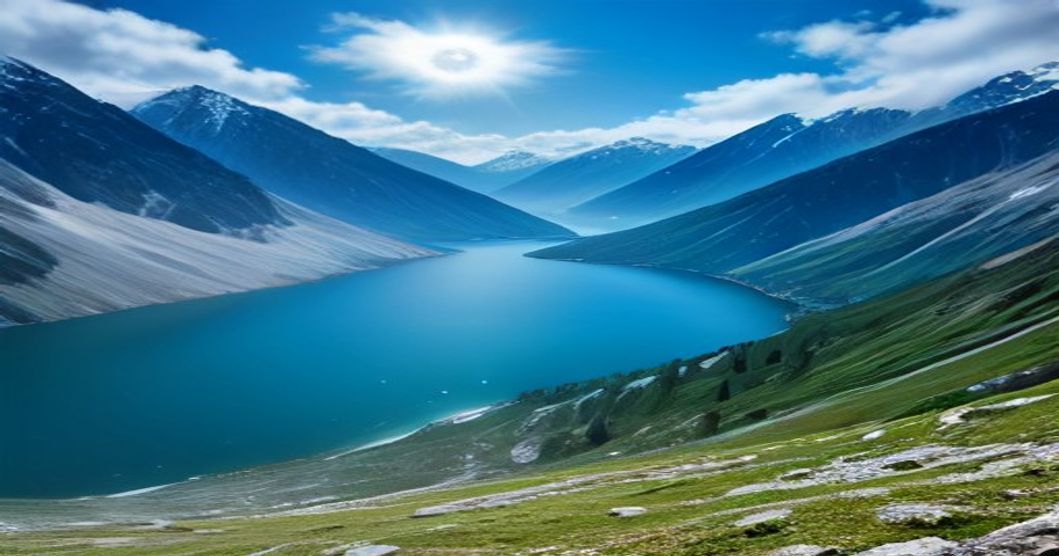
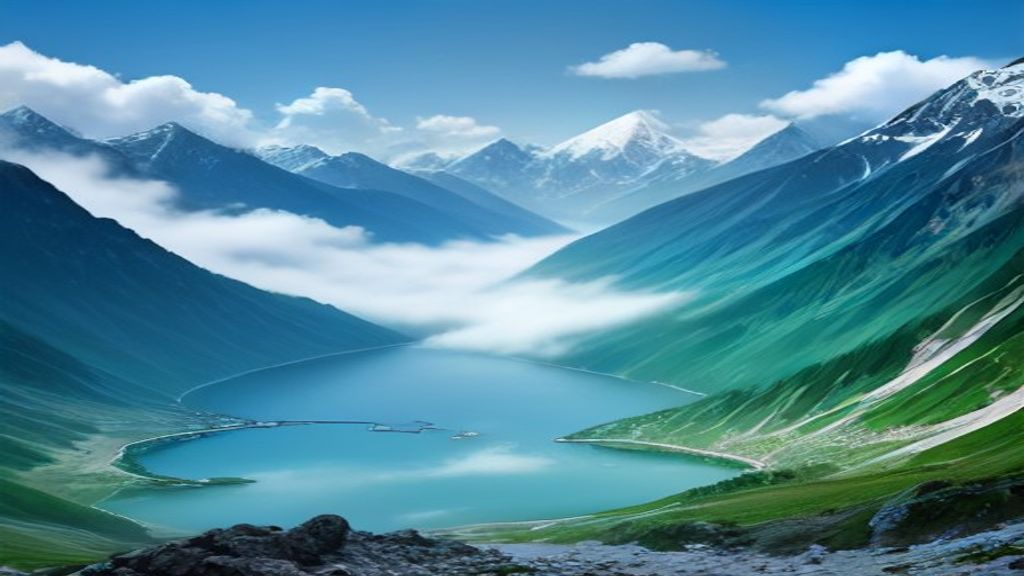
- Lake View: Witness the stunning Bhrigu Lake nestled amidst mountains, often with reflections of the sky and surrounding peaks. The glacial lake changes color throughout the day, displaying shades of turquoise, emerald, and deep blue depending on light conditions and weather.
- Mountain Ranges: Vistas of the Pir Panjal and Dhauladhar ranges dominate the skyline, with prominent peaks including Hanuman Tibba and the Seven Sisters providing breathtaking photographic opportunities throughout the trek.
- Meadow Landscapes: Lush meadows stretch along the trek route, blooming with wildflowers during the summer months. The alpine meadows around Rola Kholi are particularly spectacular in June and July, carpeted with primulas, potentillas, and countless other Himalayan flora.
- Wildlife: Occasionally spot Himalayan wildlife such as the Monal Pheasant (Himachal’s state bird), Bharal (Blue Sheep), and various species of high-altitude birds. Patient observers may also encounter Himalayan foxes and diverse butterfly species during warmer months.
Beyond these primary attractions, trekkers experience dramatic landscape transitions as they ascend. The journey begins in dense deodar and oak forests where sunlight filters through ancient trees, creating an almost mystical atmosphere. As elevation increases, the forest gives way to expansive grasslands dotted with shepherd camps during summer months. These encounters with Gaddi shepherds and their flocks provide cultural richness to the trekking experience, offering glimpses into traditional Himalayan pastoral life that has continued largely unchanged for centuries.
The final approach to Bhrigu Lake involves traversing rocky moraines and occasional snow patches even in summer, adding a mountaineering dimension that prepares trekkers for more ambitious Himalayan expeditions. The lake itself, perched in a natural amphitheater of mountains, remains frozen until June and retains ice chunks well into July, creating a dramatic contrast with the surrounding summer meadows. Local legend suggests that the lake’s waters never completely freeze due to its sacred nature, though this romantic notion is more mythological than meteorological.
Current Trekking Trends and Statistics
As of August 2026, the Bhrigu Lake Trek reflects broader shifts in Himalayan tourism and outdoor recreation patterns:
- Popularity: Bhrigu Lake has seen a 15% increase in trekkers from previous years, partly due to improved access and infrastructure. Enhanced road connectivity to Gulaba and better trail maintenance have made the trek more accessible without compromising its wilderness character.
- Eco-Friendly Travel: Growing focus on sustainable trekking practices, with increased initiatives for preserving natural habitats. Local organizations have implemented strict waste management protocols, requiring trekkers to carry out all non-biodegradable materials, and several operators now offer carbon-neutral trekking packages.
- Local Economy: Trekkers contribute significantly to the local economy, supporting Himalayan villages and guides. The trekking season generates substantial income for communities in Gulaba, Vashisht, and surrounding settlements, with homestays and guide services providing livelihood opportunities for approximately 200 families directly involved in tourism.
The demographic profile of Bhrigu Lake trekkers has diversified considerably in 2026, with increasing participation from families with older children, solo female travelers, and international visitors from Southeast Asia and Europe. Adventure tourism companies report that approximately 35% of their clients are now first-time trekkers, drawn by the trek’s reputation as an ideal introduction to Himalayan trekking. Social media visibility has played a significant role in this growth, with the photogenic landscapes around Bhrigu Lake generating substantial organic promotion through Instagram, travel blogs, and YouTube channels dedicated to outdoor adventures.
Technology integration has enhanced both safety and experience quality, with several trekking operators offering GPS tracking for group members, weather forecasting apps providing hyperlocal mountain condition updates, and digital trail guides available in multiple languages. However, this technological enhancement has been carefully balanced with preserving the trek’s authentic wilderness experience, ensuring that visitors still disconnect from urban life and engage meaningfully with nature.
Detailed Day-by-Day Trek Itinerary
The standard 4-day Bhrigu Lake trek itinerary provides optimal pacing for acclimatization while maximizing scenic experiences. Day one typically involves travel from Manali to Gulaba (approximately 20 kilometers by vehicle), followed by a gradual 5-kilometer trek to Rola Kholi camping grounds at 3,300 meters. This first day’s moderate ascent through mixed forests and meadows allows trekkers to adjust to altitude while covering manageable distance of 4-5 hours hiking time.
Day two represents the trek’s highlight, with an early morning start for the 6-kilometer ascent to Bhrigu Lake at 4,300 meters. This challenging climb gains approximately 1,000 meters elevation over 3-4 hours, traversing steep meadows and rocky terrain before reaching the lake. Most trekkers spend 1-2 hours at the lake before descending back to Rola Kholi, making this a demanding but achievable 8-9 hour day. The return to the same campsite eliminates the need to carry full packs during the ascent, significantly easing the physical burden.
Day three involves descending from Rola Kholi to Gulaba, retracing the upward route but appreciating the landscapes from new perspectives. The descent typically takes 3-4 hours, allowing time for leisurely breaks and photography. Many groups extend their visit with an optional fourth day exploring the Solang Valley or relaxing in Manali’s hot springs at Vashisht, providing a comfortable transition back to regular altitude.
Essential Tips for Trekkers
Successful completion of the Bhrigu Lake Trek requires proper preparation and awareness of mountain conditions:
- Packing Essentials: Ensure adequate warm clothing including thermal layers, waterproof jackets, and insulated gloves even during summer months when temperatures at the lake can drop below freezing at night. Sturdy trekking boots with ankle support are non-negotiable, and a reliable map, compass, or GPS device provides crucial navigation backup.
- Acclimatization: Spend a day or two in Manali (2,050 meters) to acclimatize before commencing the trek. This adjustment period dramatically reduces altitude sickness risk and enhances overall trekking enjoyment. Consider a short acclimatization hike around Manali or to nearby viewpoints before starting the main trek.
- Hydration: Carry sufficient water capacity (minimum 2 liters) and consider water purification solutions including tablets, filters, or UV purifiers. Mountain streams provide abundant water sources, but proper treatment prevents gastrointestinal issues that can ruin a trek.
- Guided Tours: Hiring a local guide can enhance the experience and provide safety insights. Guides possess intimate knowledge of weather patterns, trail conditions, and emergency protocols while offering cultural context and natural history information that enriches the journey.
Physical preparation should begin at least 4-6 weeks before the trek, focusing on cardiovascular endurance through regular hiking, running, or cycling combined with strength training for legs and core stability. Altitude simulation training is impractical for most trekkers, but improving baseline fitness substantially enhances the body’s ability to perform at reduced oxygen levels. Mental preparation is equally important—understanding that high-altitude trekking involves discomfort, fatigue, and weather unpredictability helps maintain positive attitude when conditions become challenging.
Sun protection requires serious attention at these altitudes where UV radiation intensity increases significantly. High SPF sunscreen (50+), quality sunglasses with UV protection, and wide-brimmed hats prevent painful sunburn and potential long-term skin damage. Lip balm with UV protection prevents the severely chapped lips that commonly afflict high-altitude trekkers.
Safety Considerations and Altitude Management
While moderate in difficulty, the Bhrigu Lake Trek demands respect for mountain environments and altitude-related challenges. Acute Mountain Sickness (AMS) can affect trekkers at elevations above 3,500 meters, with symptoms including headache, nausea, dizziness, and fatigue. The trek’s relatively rapid altitude gain means approximately 15-20% of trekkers experience mild AMS symptoms, though serious cases are rare with proper acclimatization and pacing.
Recognition of AMS symptoms and willingness to descend if conditions worsen represents crucial safety wisdom. The golden rule remains that ascent should only continue if symptoms improve with rest, and immediate descent is mandatory if symptoms worsen despite rest and medication. Carrying basic altitude sickness medication like acetazolamide (Diamox) provides insurance, though consultation with a physician before the trek is essential.
Weather conditions in the Himalayas change rapidly, with afternoon thunderstorms common during monsoon months (July-August) and sudden temperature drops possible even in summer. August 2026 weather patterns have shown typical monsoon characteristics with clearer conditions expected from mid-September onward. Trekkers should always carry emergency shelter, extra insulation, and be prepared to modify plans based on weather developments.
Cultural Dimensions and Responsible Trekking
The Bhrigu Lake trek traverses regions inhabited by Gaddi shepherds who follow ancient transhumance patterns, moving their flocks between winter valleys and summer high pastures. Interactions with these communities offer cultural learning opportunities, though respect for their lifestyle, livestock, and traditional practices is essential. Photographing people requires permission, and fair compensation should be offered for any services or products purchased.
Responsible trekking practices in 2026 emphasize Leave No Trace principles adapted for Himalayan conditions. All waste must be packed out, with many operators now providing waste collection systems and refusing service to clients unwilling to comply. Human waste management at high altitude requires particular attention, with designated toilet tents at established campsites and strict protocols for individual needs when away from camps.
Supporting local economies through ethical spending choices—hiring local guides, purchasing supplies from village shops, and staying in local accommodations when possible—ensures tourism benefits reach communities directly. The economic impact of trekking tourism can be transformative when managed sustainably, providing alternatives to environmentally destructive practices while maintaining cultural integrity.
Photography and Documentation Opportunities
The Bhrigu Lake Trek offers exceptional photography opportunities across diverse landscapes, lighting conditions, and subjects. Early morning light at Rola Kholi meadows creates magical golden-hour conditions, while the alpine glow on surrounding peaks during sunset provides dramatic color palettes. The lake itself photographs best during mid-morning when sunlight illuminates the water and reflections become mirror-sharp on calm days.
Photographers should protect equipment from moisture, dust, and temperature extremes using weather-sealed cameras or protective covers. Extra batteries are essential as cold temperatures drain power rapidly, and memory cards should have adequate capacity for the 4-day duration. Lightweight tripods enable long-exposure shots of starry night skies at high altitude, where reduced atmospheric interference and minimal light pollution create spectacular astrophotography conditions.
Post-Trek Recovery and Reflection
Proper post-trek recovery accelerates physical restoration and consolidates the experience’s psychological benefits. Rest days in Manali allow sore muscles to recover while processing the trek’s challenges and achievements. Many trekkers report that the Bhrigu Lake experience increases confidence for more ambitious Himalayan expeditions, with the moderate difficulty providing an accurate preview of high-altitude trekking demands without overwhelming beginners.
The trek’s relatively short duration makes it ideal for those testing their interest in mountain trekking before committing to longer expeditions. Success on this trek often catalyzes deeper engagement with outdoor pursuits, environmental conservation awareness, and appreciation for Himalayan ecosystems and cultures.
Embrace the adventure and natural beauty of the Bhrigu Lake Trek for a memorable high-altitude hiking experience that combines physical challenge, scenic grandeur, and cultural richness in one of India’s most accessible yet spectacular mountain environments.
Related Content & Internal Resources
References & External Citations
- Wikipedia Reference: Bhrigu Lake Trek: Discover Scenic Landscapes — Wikipedia
- Official Reference Documentation — Official Reference
Written by Senior Travel Consultant & Chardham Specialist
Anaya Sharma is a seasoned travel consultant with over 15 years of experience focusing on Uttarakhand’s rich cultural and natural landscapes. Specializing in the Chardham Yatra and Himalayan treks, Anaya holds a Master’s degree in Eco-Tourism from the University of Delhi. Her extensive fieldwork includes mapping less-trodden paths and collaborating with local communities for sustainable travel. As a published author in ‘The Himalayan Travel Journal,’ Anaya is committed to providing insightful and ethical travel guidance. She regularly contributes her expertise to the ‘Travel’ website, ensuring that travelers receive authentic and culturally respectful information about Uttarakhand’s treasures.