Accommodation in Yamunotri: Where to Stay

Accommodation in Yamunotri: Where to Stay

Overview of Accommodation in Yamunotri

Overview of Accommodation in Yamunotri

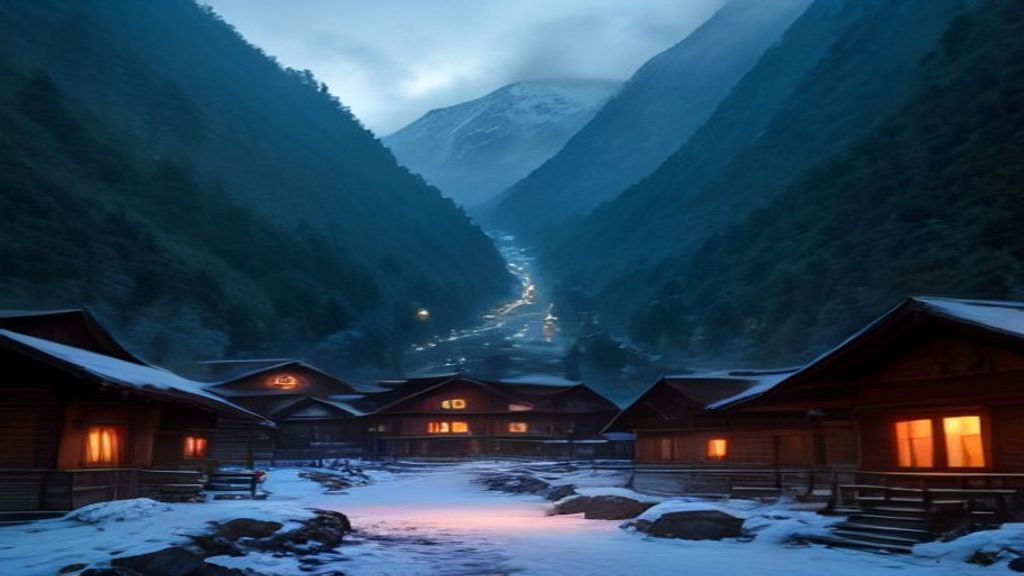
Yamunotri, the sacred source of the Yamuna River and one of the four revered Char Dham pilgrimage sites in Uttarakhand, India, presents a distinctive accommodation landscape shaped by its remote Himalayan location, religious significance, and growing tourism infrastructure. As of August 2026, the region hosts over 300,000 annual visitors, representing a 15% year-over-year growth that has catalyzed significant improvements in lodging options while maintaining the area’s spiritual character and environmental integrity.

Situated at an elevation ranging from 1,220 meters in Barkot to approximately 3,293 meters at Yamunotri Temple, the accommodation infrastructure spans multiple elevation zones, each offering distinct advantages and challenges. The pilgrimage season typically runs from late April through early November, with the temple closing during winter months due to heavy snowfall and extreme weather conditions. During peak season months from May through October, average occupancy rates reach 90%, making advance reservations essential for travelers planning visits during this period.

The accommodation ecosystem has evolved considerably in recent years, transitioning from primarily basic dharamshalas and government-run guesthouses to a diversified portfolio that includes eco-conscious lodges, boutique hotels, wellness retreats, and adventure camping facilities. This transformation reflects broader shifts in traveler expectations, with modern pilgrims and tourists seeking comfort and sustainability alongside spiritual fulfillment. Notably, eco-friendly accommodations experienced a 25% surge in bookings during 2026, demonstrating increased environmental awareness among visitors to this fragile Himalayan ecosystem.

Types of Accommodation Available in the Yamunotri Region

Types of Accommodation Available in the Yamunotri Region

Eco-Friendly Lodges and Sustainable Stays

Environmental consciousness has become a defining characteristic of Yamunotri’s accommodation sector in 2026. Eco-friendly lodges now constitute approximately 35% of available lodging options in the region, implementing comprehensive sustainability practices that address the environmental challenges of high-altitude tourism. These establishments typically utilize solar energy systems for electricity and water heating, employ rainwater harvesting techniques, practice waste segregation and composting, and construct buildings using locally sourced materials that minimize environmental disruption.

Properties in this category range from rustic mountain lodges offering basic amenities to more sophisticated eco-resorts that balance environmental responsibility with guest comfort. Many eco-lodges actively participate in local conservation initiatives, employ community members, and educate guests about Himalayan ecology and sustainable tourism practices. Pricing for eco-friendly accommodations typically ranges from ₹2,500 to ₹6,500 per night depending on location, amenities, and seasonal demand.

Deluxe Hotels and Premium Resorts

Luxury accommodations in the Yamunotri region are primarily concentrated in Barkot and Uttarkashi, located 45 kilometers and 90 kilometers respectively from the temple site. These deluxe establishments cater to pilgrims and tourists seeking comfort, convenience, and premium amenities after or before undertaking the challenging trek to Yamunotri. Facilities typically include spacious rooms with mountain views, multi-cuisine restaurants serving regional and international fare, spa and wellness centers, fitness facilities, conference rooms, and concierge services for pilgrimage planning.

As of August 2026, premium hotels in this category charge between ₹8,000 and ₹18,000 per night during peak season, with prices dropping 30-40% during shoulder months. Many luxury properties have incorporated wellness tourism elements, offering yoga sessions, meditation programs, Ayurvedic treatments, and spiritual guidance to align with the pilgrimage nature of visitor journeys. The emergence of boutique properties emphasizing local architectural styles and regional cultural experiences represents a notable trend within this segment.

Budget Guesthouses and Dharamshalas

Budget accommodations remain the backbone of Yamunotri’s lodging infrastructure, serving the majority of pilgrims who prioritize accessibility and affordability. Traditional dharamshalas, often operated by religious trusts and charitable organizations, provide basic shelter with dormitory-style or simple private rooms, shared bathroom facilities, and vegetarian meal services. These establishments charge minimal fees, typically between ₹400 and ₹1,200 per night, making pilgrimage accessible to economically diverse visitors.

Private guesthouses offer slightly enhanced comfort levels while maintaining budget-friendly pricing structures, generally ranging from ₹1,500 to ₹3,500 per night. These properties commonly feature clean private rooms with attached bathrooms, hot water availability during designated hours, basic furniture, and in-house dining facilities. Located strategically along pilgrimage routes in Hanuman Chatti, Janki Chatti, and other staging points, budget guesthouses provide practical, no-frills accommodation that meets essential traveler needs without unnecessary embellishments.

Adventure Camping and Tented Accommodations

The adventure tourism segment has expanded significantly in 2026, with organized camping experiences attracting younger demographics and adventure enthusiasts seeking immersive Himalayan experiences. Established campsites operate in scenic locations near Barkot, along the Yamuna River banks, and in designated zones approaching higher elevations. These facilities provide weatherproof tents equipped with sleeping bags and mattresses, shared sanitation blocks, outdoor dining areas, and campfire spaces.

Premium glamping options have also emerged, offering luxury tent accommodations with proper bedding, attached bathrooms, heating arrangements, and curated experiences including guided treks, nature walks, stargazing sessions, and cultural programs. Camping rates vary widely based on location and amenities, ranging from ₹2,000 for basic camping packages to ₹7,000 for glamping experiences with full board and guided activities.

Key Statistics Shaping Yamunotri Accommodation in 2026
Key Statistics Shaping Yamunotri Accommodation in 2026

Understanding current data trends provides essential context for accommodation planning and booking strategies. Visitor numbers to Yamunotri have demonstrated consistent growth, with over 300,000 visitors expected throughout 2026, representing a 15% annual increase driven by improved road infrastructure, enhanced digital marketing by Uttarakhand tourism authorities, and growing domestic spiritual tourism interest. This visitor growth has directly impacted accommodation demand, creating pressure on available inventory during peak months.

Peak season occupancy rates reaching 90% between May and October necessitate advance booking, ideally 30-45 days prior to intended travel dates. Last-minute travelers during peak periods often face limited options, inflated prices, or accommodation in lower-preference locations further from the temple site. Conversely, shoulder season months of April and early November offer greater availability, negotiable rates, and less crowded pilgrimage experiences, though weather conditions require careful consideration.

The dramatic 25% increase in eco-friendly accommodation bookings reflects broader societal shifts toward sustainable tourism practices. This trend correlates with increased awareness of environmental fragility in Himalayan regions, government initiatives promoting responsible tourism, and changing consumer preferences, particularly among millennial and Gen-Z travelers who prioritize environmental and social responsibility in travel decisions.

Digital transformation has fundamentally altered booking behaviors, with 80% of accommodation reservations in 2026 occurring through online platforms including dedicated hotel booking websites, travel aggregators, property-specific websites, and social media channels. This digital shift has improved price transparency, enabled customer review systems that enhance quality accountability, and facilitated direct comparison shopping across accommodation categories.

Strategic Locations for Accommodation in the Yamunotri Circuit
Strategic Locations for Accommodation in the Yamunotri Circuit

Barkot: The Primary Base Camp

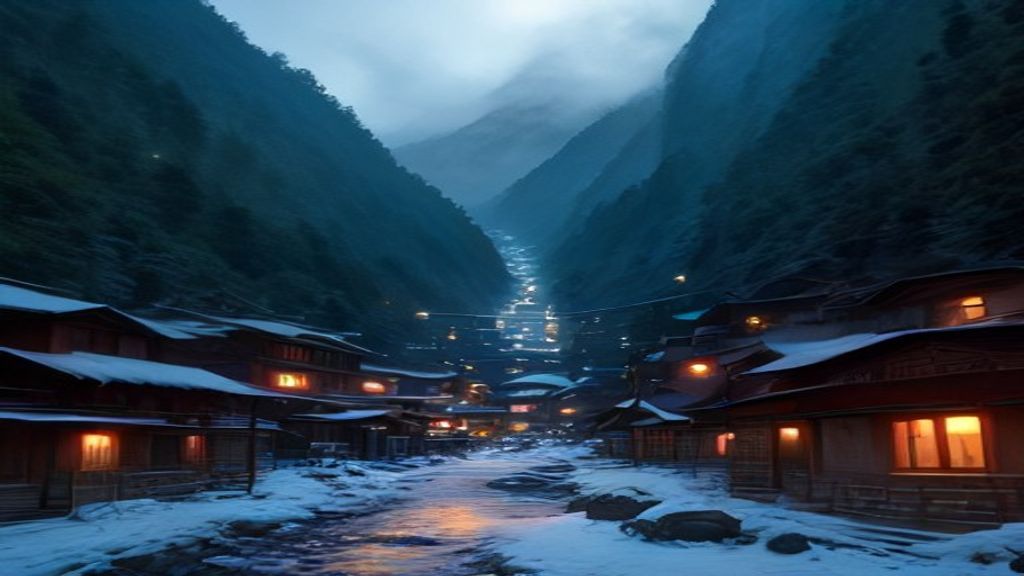
Located approximately 45 kilometers from Yamunotri Temple at an elevation of 1,220 meters, Barkot functions as the primary accommodation hub for Yamunotri pilgrims. This town offers the most developed infrastructure in the region, with over 80 registered hotels, guesthouses, and lodges spanning all budget categories. Barkot provides reliable electricity, communication networks, medical facilities, restaurants, banking services, and transportation options, making it ideal for travelers prioritizing comfort and accessibility.

Accommodations in Barkot range from budget guesthouses charging ₹1,200-₹2,500 per night to premium hotels priced at ₹6,000-₹15,000 per night. The town serves as an excellent acclimatization point for visitors adjusting to higher altitudes before proceeding to Yamunotri. Stunning Himalayan views, proximity to the Yamuna River, and moderate climate conditions make Barkot particularly appealing for families, elderly pilgrims, and those seeking a balanced pilgrimage experience without extreme physical challenges.

Hanuman Chatti: The Last Motorable Point

Situated 13 kilometers from Yamunotri Temple, Hanuman Chatti represents the last point accessible by motorized vehicles, serving as a critical staging area for pilgrims preparing for the final trek. The village primarily offers budget and mid-range accommodations, with approximately 40 guesthouses, dharamshalas, and small hotels catering to pilgrims who prefer minimizing walking distances to the temple.

Accommodation options in Hanuman Chatti are functional rather than luxurious, with most properties providing clean rooms, basic amenities, vegetarian meals, and hot water facilities. Pricing typically ranges from ₹800 to ₹3,000 per night depending on room type and season. The strategic location allows early morning temple visits, with pilgrims often departing at dawn to complete the 6-kilometer trek to Yamunotri and return before afternoon weather changes. Limited infrastructure and basic facilities make Hanuman Chatti suitable primarily for budget-conscious travelers and those prioritizing proximity over comfort.

Janki Chatti: Closest Accommodation to Yamunotri

Positioned just 5 kilometers from Yamunotri Temple at an elevation of approximately 2,650 meters, Janki Chatti offers the closest overnight accommodation to the sacred site. This village has experienced significant development in recent years, now hosting around 35 guesthouses and lodges that cater to pilgrims seeking maximum proximity to the temple while maintaining basic comfort standards.

Accommodations in Janki Chatti typically fall in the budget to mid-range category, with nightly rates between ₹1,500 and ₹4,500. Properties emphasize practicality, offering clean rooms, attached or shared bathrooms, hot water during designated hours, and simple vegetarian meals. The village’s strategic position enables pilgrims to complete temple visits early in the day, avoiding afternoon crowds and unpredictable mountain weather. Natural hot springs near Janki Chatti provide therapeutic bathing opportunities, adding cultural and wellness dimensions to the accommodation experience. Altitude considerations require proper acclimatization, making Janki Chatti more suitable for travelers in good physical condition.

Critical Factors When Selecting Yamunotri Accommodation
Critical Factors When Selecting Yamunotri Accommodation

Proximity Considerations and Trek Planning

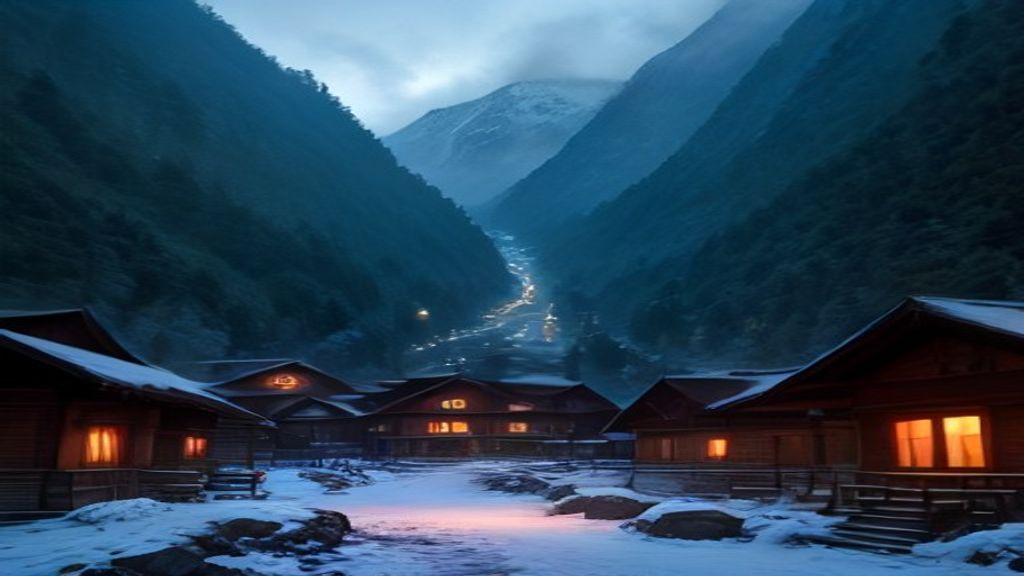
Distance from Yamunotri Temple fundamentally impacts daily logistics, physical exertion requirements, and overall pilgrimage experience. Accommodations in Janki Chatti require only a 5-kilometer trek, manageable for most travelers in 2-3 hours, while staying in Barkot necessitates additional road travel followed by a longer trek or reliance on helicopter services and pony/palanquin options available from Hanuman Chatti and Janki Chatti.

Physical fitness levels, age considerations, available time, and personal priorities should guide proximity decisions. Families with elderly members or young children often prefer Barkot accommodations with organized transportation and porter services, while younger, fitness-oriented travelers may choose closer locations to maximize time at higher elevations and minimize commute requirements.

Seasonal Access and Weather-Related Constraints

Yamunotri accommodations operate under strict seasonal constraints dictated by Himalayan weather patterns. The pilgrimage season officially runs from late April through early November, with exact dates varying annually based on religious calendars and weather conditions. Most accommodations close entirely from November through March due to heavy snowfall, sub-zero temperatures, and road accessibility challenges.

Even during operational months, weather variability affects accommodation choices. May and June offer stable weather but higher temperatures at lower elevations, while monsoon months from July through September bring precipitation risks, landslide possibilities, and occasional road closures. September and October provide ideal conditions with clear skies, moderate temperatures, and spectacular mountain views, though these months see peak demand and highest occupancy rates. Understanding seasonal trade-offs enables informed booking decisions aligned with personal weather preferences and risk tolerance.

Essential Amenities and Comfort Requirements

Altitude and remote location create unique amenity considerations for Yamunotri accommodations. Hot water availability, while standard in urban hotels, requires verification in mountain properties where solar systems and limited fuel access may restrict availability to specific morning and evening hours. Heating becomes essential during shoulder season months when nighttime temperatures drop significantly, yet many budget properties lack adequate heating infrastructure.

Food service reliability warrants careful consideration, as dining options outside accommodations are limited in smaller villages. Properties offering in-house restaurants or meal packages provide convenience and dietary reliability, particularly for vegetarian pilgrims adhering to religious dietary practices. Electricity availability, though improved in recent years, remains inconsistent in remote locations, making properties with backup power generators preferable for travelers requiring reliable connectivity and charging capabilities.

Medical facilities access represents another critical amenity factor, particularly for travelers with pre-existing health conditions or altitude sensitivity concerns. Barkot offers basic medical services and pharmacies, while more remote locations have minimal healthcare infrastructure, making travel insurance and personal medication supplies essential precautions.

Emerging Trends Reshaping Yamunotri Accommodation
Emerging Trends Reshaping Yamunotri Accommodation

Digital Booking Dominance and Online Reputation Management

The overwhelming shift toward digital reservations, with 80% of bookings occurring online in 2026, has fundamentally transformed how accommodations market themselves and interact with guests. Properties actively maintain profiles on multiple booking platforms, respond to guest reviews, publish photographs showcasing facilities, and offer online payment options with cancellation flexibility. This digital visibility has democratized the accommodation market, enabling smaller guesthouses to compete effectively with established hotels through positive reviews and responsive customer service.

Travelers now extensively research accommodations through review platforms, social media channels, and travel forums before booking, making online reputation management critical for property success. Establishments that promptly address guest concerns, maintain accurate online descriptions, and demonstrate consistent service quality benefit from positive feedback loops that drive future bookings.

Wellness Tourism Integration

The convergence of spiritual pilgrimage and wellness tourism has created opportunities for accommodations offering integrated experiences beyond basic lodging. Properties increasingly provide yoga and meditation sessions, Ayurvedic consultation and treatment services, pranayama and breathing workshops, spiritual discourse programs, and nature-based wellness activities. This trend reflects broader tourism industry shifts toward experiential travel, where visitors seek transformative experiences rather than passive sightseeing.

Wellness-focused accommodations command premium pricing while attracting travelers willing to invest in holistic health experiences within the spiritually significant Himalayan environment. This segment shows particular strength among urban professionals seeking stress relief, spiritual connection, and physical rejuvenation through immersive mountain retreats.

Sustainable Tourism Initiatives and Community Engagement

Future accommodation development in Yamunotri emphasizes environmental sustainability and community benefit, responding to government regulations, environmental concerns about overtourism, and changing traveler expectations. Planned developments include additional eco-conscious properties utilizing green building techniques, waste management systems meeting environmental standards, renewable energy infrastructure, and water conservation technologies.

Community-based tourism models are gaining prominence, with local residents establishing homestays and guesthouses that provide authentic cultural experiences while distributing tourism economic benefits more equitably. These initiatives preserve traditional Garhwali architecture, showcase regional cuisine, offer insights into local customs and festivals, and create employment opportunities for community members. Properties adopting these approaches align with sustainable tourism principles while differentiating themselves in an increasingly competitive accommodation market.

Regulatory frameworks introduced by Uttarakhand tourism authorities in 2025-2026 establish environmental compliance standards, waste management requirements, and sustainable operations guidelines that will shape future accommodation development. These regulations aim to balance tourism growth with environmental preservation, ensuring Yamunotri’s natural and spiritual character remains intact for future generations while supporting local economic development through responsible tourism practices.

References & External Citations

Senior Travel Consultant & Chardham Specialist

Written by Senior Travel Consultant & Chardham Specialist

Anaya Sharma is a seasoned travel consultant with over 15 years of experience focusing on Uttarakhand’s rich cultural and natural landscapes. Specializing in the Chardham Yatra and Himalayan treks, Anaya holds a Master’s degree in Eco-Tourism from the University of Delhi. Her extensive fieldwork includes mapping less-trodden paths and collaborating with local communities for sustainable travel. As a published author in ‘The Himalayan Travel Journal,’ Anaya is committed to providing insightful and ethical travel guidance. She regularly contributes her expertise to the ‘Travel’ website, ensuring that travelers receive authentic and culturally respectful information about Uttarakhand’s treasures.


Leave a Comment

Accommodation in Yamunotri: Where to Stay

Accommodation in Yamunotri: Where to Stay

Overview of Accommodation in Yamunotri

Overview of Accommodation in Yamunotri

Yamunotri, the sacred source of the Yamuna River and one of the four revered Char Dham pilgrimage sites in Uttarakhand, India, presents a distinctive accommodation landscape shaped by its remote Himalayan location, religious significance, and growing tourism infrastructure. As of August 2026, the region hosts over 300,000 annual visitors, representing a 15% year-over-year growth that has catalyzed significant improvements in lodging options while maintaining the area’s spiritual character and environmental integrity.

Situated at an elevation ranging from 1,220 meters in Barkot to approximately 3,293 meters at Yamunotri Temple, the accommodation infrastructure spans multiple elevation zones, each offering distinct advantages and challenges. The pilgrimage season typically runs from late April through early November, with the temple closing during winter months due to heavy snowfall and extreme weather conditions. During peak season months from May through October, average occupancy rates reach 90%, making advance reservations essential for travelers planning visits during this period.

The accommodation ecosystem has evolved considerably in recent years, transitioning from primarily basic dharamshalas and government-run guesthouses to a diversified portfolio that includes eco-conscious lodges, boutique hotels, wellness retreats, and adventure camping facilities. This transformation reflects broader shifts in traveler expectations, with modern pilgrims and tourists seeking comfort and sustainability alongside spiritual fulfillment. Notably, eco-friendly accommodations experienced a 25% surge in bookings during 2026, demonstrating increased environmental awareness among visitors to this fragile Himalayan ecosystem.

Types of Accommodation Available in the Yamunotri Region

Types of Accommodation Available in the Yamunotri Region

Eco-Friendly Lodges and Sustainable Stays

Environmental consciousness has become a defining characteristic of Yamunotri’s accommodation sector in 2026. Eco-friendly lodges now constitute approximately 35% of available lodging options in the region, implementing comprehensive sustainability practices that address the environmental challenges of high-altitude tourism. These establishments typically utilize solar energy systems for electricity and water heating, employ rainwater harvesting techniques, practice waste segregation and composting, and construct buildings using locally sourced materials that minimize environmental disruption.

Properties in this category range from rustic mountain lodges offering basic amenities to more sophisticated eco-resorts that balance environmental responsibility with guest comfort. Many eco-lodges actively participate in local conservation initiatives, employ community members, and educate guests about Himalayan ecology and sustainable tourism practices. Pricing for eco-friendly accommodations typically ranges from ₹2,500 to ₹6,500 per night depending on location, amenities, and seasonal demand.

Deluxe Hotels and Premium Resorts

Luxury accommodations in the Yamunotri region are primarily concentrated in Barkot and Uttarkashi, located 45 kilometers and 90 kilometers respectively from the temple site. These deluxe establishments cater to pilgrims and tourists seeking comfort, convenience, and premium amenities after or before undertaking the challenging trek to Yamunotri. Facilities typically include spacious rooms with mountain views, multi-cuisine restaurants serving regional and international fare, spa and wellness centers, fitness facilities, conference rooms, and concierge services for pilgrimage planning.

As of August 2026, premium hotels in this category charge between ₹8,000 and ₹18,000 per night during peak season, with prices dropping 30-40% during shoulder months. Many luxury properties have incorporated wellness tourism elements, offering yoga sessions, meditation programs, Ayurvedic treatments, and spiritual guidance to align with the pilgrimage nature of visitor journeys. The emergence of boutique properties emphasizing local architectural styles and regional cultural experiences represents a notable trend within this segment.

Budget Guesthouses and Dharamshalas

Budget accommodations remain the backbone of Yamunotri’s lodging infrastructure, serving the majority of pilgrims who prioritize accessibility and affordability. Traditional dharamshalas, often operated by religious trusts and charitable organizations, provide basic shelter with dormitory-style or simple private rooms, shared bathroom facilities, and vegetarian meal services. These establishments charge minimal fees, typically between ₹400 and ₹1,200 per night, making pilgrimage accessible to economically diverse visitors.

Private guesthouses offer slightly enhanced comfort levels while maintaining budget-friendly pricing structures, generally ranging from ₹1,500 to ₹3,500 per night. These properties commonly feature clean private rooms with attached bathrooms, hot water availability during designated hours, basic furniture, and in-house dining facilities. Located strategically along pilgrimage routes in Hanuman Chatti, Janki Chatti, and other staging points, budget guesthouses provide practical, no-frills accommodation that meets essential traveler needs without unnecessary embellishments.

Adventure Camping and Tented Accommodations

The adventure tourism segment has expanded significantly in 2026, with organized camping experiences attracting younger demographics and adventure enthusiasts seeking immersive Himalayan experiences. Established campsites operate in scenic locations near Barkot, along the Yamuna River banks, and in designated zones approaching higher elevations. These facilities provide weatherproof tents equipped with sleeping bags and mattresses, shared sanitation blocks, outdoor dining areas, and campfire spaces.

Premium glamping options have also emerged, offering luxury tent accommodations with proper bedding, attached bathrooms, heating arrangements, and curated experiences including guided treks, nature walks, stargazing sessions, and cultural programs. Camping rates vary widely based on location and amenities, ranging from ₹2,000 for basic camping packages to ₹7,000 for glamping experiences with full board and guided activities.

Key Statistics Shaping Yamunotri Accommodation in 2026

Key Statistics Shaping Yamunotri Accommodation in 2026

Understanding current data trends provides essential context for accommodation planning and booking strategies. Visitor numbers to Yamunotri have demonstrated consistent growth, with over 300,000 visitors expected throughout 2026, representing a 15% annual increase driven by improved road infrastructure, enhanced digital marketing by Uttarakhand tourism authorities, and growing domestic spiritual tourism interest. This visitor growth has directly impacted accommodation demand, creating pressure on available inventory during peak months.

Peak season occupancy rates reaching 90% between May and October necessitate advance booking, ideally 30-45 days prior to intended travel dates. Last-minute travelers during peak periods often face limited options, inflated prices, or accommodation in lower-preference locations further from the temple site. Conversely, shoulder season months of April and early November offer greater availability, negotiable rates, and less crowded pilgrimage experiences, though weather conditions require careful consideration.

The dramatic 25% increase in eco-friendly accommodation bookings reflects broader societal shifts toward sustainable tourism practices. This trend correlates with increased awareness of environmental fragility in Himalayan regions, government initiatives promoting responsible tourism, and changing consumer preferences, particularly among millennial and Gen-Z travelers who prioritize environmental and social responsibility in travel decisions.

Digital transformation has fundamentally altered booking behaviors, with 80% of accommodation reservations in 2026 occurring through online platforms including dedicated hotel booking websites, travel aggregators, property-specific websites, and social media channels. This digital shift has improved price transparency, enabled customer review systems that enhance quality accountability, and facilitated direct comparison shopping across accommodation categories.

Strategic Locations for Accommodation in the Yamunotri Circuit

Strategic Locations for Accommodation in the Yamunotri Circuit

Barkot: The Primary Base Camp

Located approximately 45 kilometers from Yamunotri Temple at an elevation of 1,220 meters, Barkot functions as the primary accommodation hub for Yamunotri pilgrims. This town offers the most developed infrastructure in the region, with over 80 registered hotels, guesthouses, and lodges spanning all budget categories. Barkot provides reliable electricity, communication networks, medical facilities, restaurants, banking services, and transportation options, making it ideal for travelers prioritizing comfort and accessibility.

Accommodations in Barkot range from budget guesthouses charging ₹1,200-₹2,500 per night to premium hotels priced at ₹6,000-₹15,000 per night. The town serves as an excellent acclimatization point for visitors adjusting to higher altitudes before proceeding to Yamunotri. Stunning Himalayan views, proximity to the Yamuna River, and moderate climate conditions make Barkot particularly appealing for families, elderly pilgrims, and those seeking a balanced pilgrimage experience without extreme physical challenges.

Hanuman Chatti: The Last Motorable Point

Situated 13 kilometers from Yamunotri Temple, Hanuman Chatti represents the last point accessible by motorized vehicles, serving as a critical staging area for pilgrims preparing for the final trek. The village primarily offers budget and mid-range accommodations, with approximately 40 guesthouses, dharamshalas, and small hotels catering to pilgrims who prefer minimizing walking distances to the temple.

Accommodation options in Hanuman Chatti are functional rather than luxurious, with most properties providing clean rooms, basic amenities, vegetarian meals, and hot water facilities. Pricing typically ranges from ₹800 to ₹3,000 per night depending on room type and season. The strategic location allows early morning temple visits, with pilgrims often departing at dawn to complete the 6-kilometer trek to Yamunotri and return before afternoon weather changes. Limited infrastructure and basic facilities make Hanuman Chatti suitable primarily for budget-conscious travelers and those prioritizing proximity over comfort.

Janki Chatti: Closest Accommodation to Yamunotri

Positioned just 5 kilometers from Yamunotri Temple at an elevation of approximately 2,650 meters, Janki Chatti offers the closest overnight accommodation to the sacred site. This village has experienced significant development in recent years, now hosting around 35 guesthouses and lodges that cater to pilgrims seeking maximum proximity to the temple while maintaining basic comfort standards.

Accommodations in Janki Chatti typically fall in the budget to mid-range category, with nightly rates between ₹1,500 and ₹4,500. Properties emphasize practicality, offering clean rooms, attached or shared bathrooms, hot water during designated hours, and simple vegetarian meals. The village’s strategic position enables pilgrims to complete temple visits early in the day, avoiding afternoon crowds and unpredictable mountain weather. Natural hot springs near Janki Chatti provide therapeutic bathing opportunities, adding cultural and wellness dimensions to the accommodation experience. Altitude considerations require proper acclimatization, making Janki Chatti more suitable for travelers in good physical condition.

Critical Factors When Selecting Yamunotri Accommodation

Critical Factors When Selecting Yamunotri Accommodation

Proximity Considerations and Trek Planning

Distance from Yamunotri Temple fundamentally impacts daily logistics, physical exertion requirements, and overall pilgrimage experience. Accommodations in Janki Chatti require only a 5-kilometer trek, manageable for most travelers in 2-3 hours, while staying in Barkot necessitates additional road travel followed by a longer trek or reliance on helicopter services and pony/palanquin options available from Hanuman Chatti and Janki Chatti.

Physical fitness levels, age considerations, available time, and personal priorities should guide proximity decisions. Families with elderly members or young children often prefer Barkot accommodations with organized transportation and porter services, while younger, fitness-oriented travelers may choose closer locations to maximize time at higher elevations and minimize commute requirements.

Seasonal Access and Weather-Related Constraints

Yamunotri accommodations operate under strict seasonal constraints dictated by Himalayan weather patterns. The pilgrimage season officially runs from late April through early November, with exact dates varying annually based on religious calendars and weather conditions. Most accommodations close entirely from November through March due to heavy snowfall, sub-zero temperatures, and road accessibility challenges.

Even during operational months, weather variability affects accommodation choices. May and June offer stable weather but higher temperatures at lower elevations, while monsoon months from July through September bring precipitation risks, landslide possibilities, and occasional road closures. September and October provide ideal conditions with clear skies, moderate temperatures, and spectacular mountain views, though these months see peak demand and highest occupancy rates. Understanding seasonal trade-offs enables informed booking decisions aligned with personal weather preferences and risk tolerance.

Essential Amenities and Comfort Requirements

Altitude and remote location create unique amenity considerations for Yamunotri accommodations. Hot water availability, while standard in urban hotels, requires verification in mountain properties where solar systems and limited fuel access may restrict availability to specific morning and evening hours. Heating becomes essential during shoulder season months when nighttime temperatures drop significantly, yet many budget properties lack adequate heating infrastructure.

Food service reliability warrants careful consideration, as dining options outside accommodations are limited in smaller villages. Properties offering in-house restaurants or meal packages provide convenience and dietary reliability, particularly for vegetarian pilgrims adhering to religious dietary practices. Electricity availability, though improved in recent years, remains inconsistent in remote locations, making properties with backup power generators preferable for travelers requiring reliable connectivity and charging capabilities.

Medical facilities access represents another critical amenity factor, particularly for travelers with pre-existing health conditions or altitude sensitivity concerns. Barkot offers basic medical services and pharmacies, while more remote locations have minimal healthcare infrastructure, making travel insurance and personal medication supplies essential precautions.

Emerging Trends Reshaping Yamunotri Accommodation

Emerging Trends Reshaping Yamunotri Accommodation

Digital Booking Dominance and Online Reputation Management

The overwhelming shift toward digital reservations, with 80% of bookings occurring online in 2026, has fundamentally transformed how accommodations market themselves and interact with guests. Properties actively maintain profiles on multiple booking platforms, respond to guest reviews, publish photographs showcasing facilities, and offer online payment options with cancellation flexibility. This digital visibility has democratized the accommodation market, enabling smaller guesthouses to compete effectively with established hotels through positive reviews and responsive customer service.

Travelers now extensively research accommodations through review platforms, social media channels, and travel forums before booking, making online reputation management critical for property success. Establishments that promptly address guest concerns, maintain accurate online descriptions, and demonstrate consistent service quality benefit from positive feedback loops that drive future bookings.

Wellness Tourism Integration

The convergence of spiritual pilgrimage and wellness tourism has created opportunities for accommodations offering integrated experiences beyond basic lodging. Properties increasingly provide yoga and meditation sessions, Ayurvedic consultation and treatment services, pranayama and breathing workshops, spiritual discourse programs, and nature-based wellness activities. This trend reflects broader tourism industry shifts toward experiential travel, where visitors seek transformative experiences rather than passive sightseeing.

Wellness-focused accommodations command premium pricing while attracting travelers willing to invest in holistic health experiences within the spiritually significant Himalayan environment. This segment shows particular strength among urban professionals seeking stress relief, spiritual connection, and physical rejuvenation through immersive mountain retreats.

Sustainable Tourism Initiatives and Community Engagement

Future accommodation development in Yamunotri emphasizes environmental sustainability and community benefit, responding to government regulations, environmental concerns about overtourism, and changing traveler expectations. Planned developments include additional eco-conscious properties utilizing green building techniques, waste management systems meeting environmental standards, renewable energy infrastructure, and water conservation technologies.

Community-based tourism models are gaining prominence, with local residents establishing homestays and guesthouses that provide authentic cultural experiences while distributing tourism economic benefits more equitably. These initiatives preserve traditional Garhwali architecture, showcase regional cuisine, offer insights into local customs and festivals, and create employment opportunities for community members. Properties adopting these approaches align with sustainable tourism principles while differentiating themselves in an increasingly competitive accommodation market.

Regulatory frameworks introduced by Uttarakhand tourism authorities in 2025-2026 establish environmental compliance standards, waste management requirements, and sustainable operations guidelines that will shape future accommodation development. These regulations aim to balance tourism growth with environmental preservation, ensuring Yamunotri’s natural and spiritual character remains intact for future generations while supporting local economic development through responsible tourism practices.

References & External Citations

Senior Travel Consultant & Chardham Specialist

Written by Senior Travel Consultant & Chardham Specialist

Anaya Sharma is a seasoned travel consultant with over 15 years of experience focusing on Uttarakhand’s rich cultural and natural landscapes. Specializing in the Chardham Yatra and Himalayan treks, Anaya holds a Master’s degree in Eco-Tourism from the University of Delhi. Her extensive fieldwork includes mapping less-trodden paths and collaborating with local communities for sustainable travel. As a published author in ‘The Himalayan Travel Journal,’ Anaya is committed to providing insightful and ethical travel guidance. She regularly contributes her expertise to the ‘Travel’ website, ensuring that travelers receive authentic and culturally respectful information about Uttarakhand’s treasures.
Leave a Comment