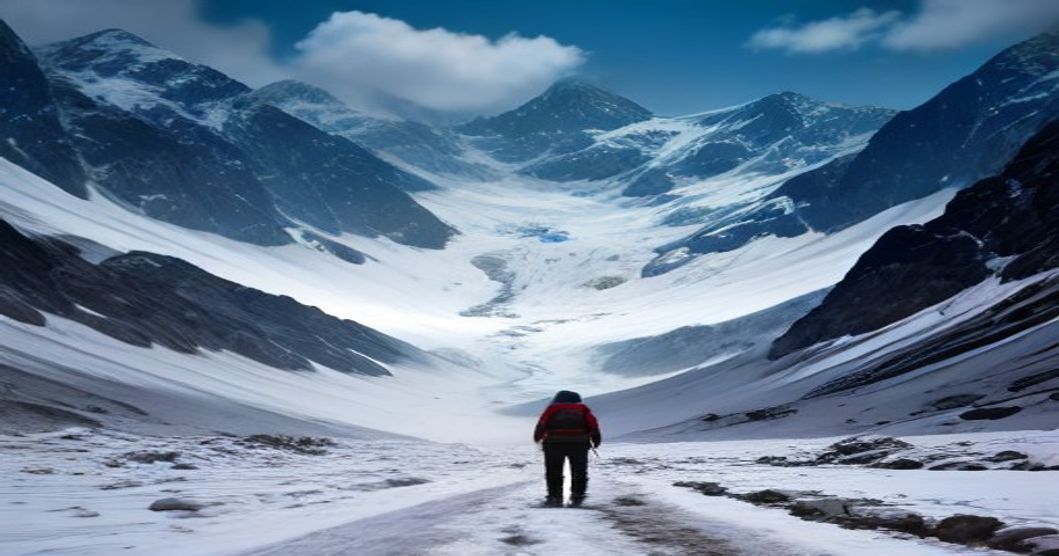
Pindari Glacier Trek: A Challenging Adventure
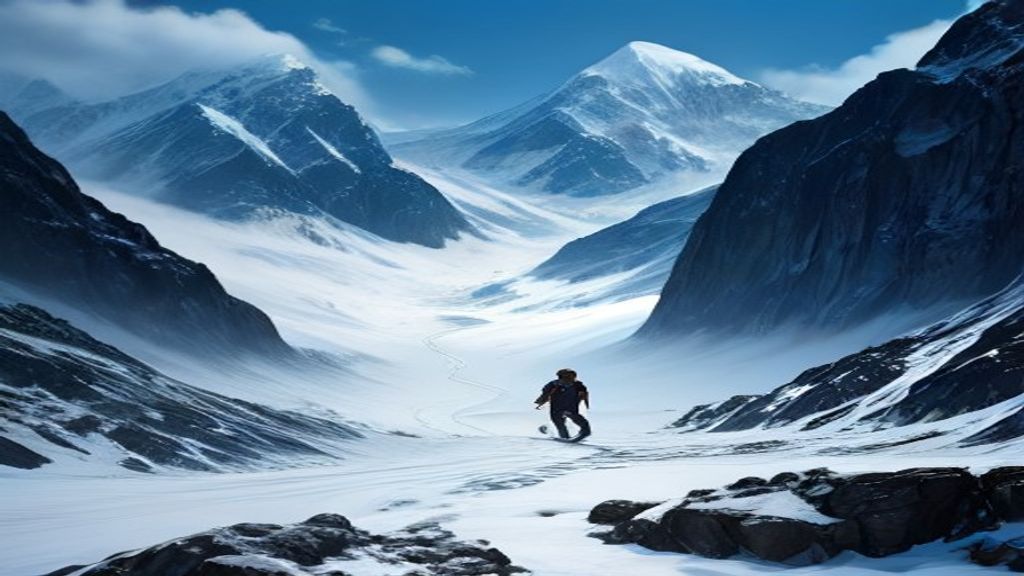
The Pindari Glacier trek stands as one of the most accessible yet rewarding glacier treks in the Indian Himalayas, offering trekkers a rare opportunity to witness a living glacier up close without requiring technical mountaineering skills. Nestled in the Kumaon region of Uttarakhand, this trek combines natural beauty, cultural immersion, and physical challenge in a way that few other Himalayan routes can match.
Overview of the Pindari Glacier Trek
Located in the Kumaon region of Uttarakhand, India, the Pindari Glacier trek is renowned for its breathtaking views and challenging terrain. Spanning approximately 90 kilometers round trip, the trek offers a rewarding experience for adventurers seeking an offbeat path in the Himalayas. The glacier itself sits at an elevation of 3,660 meters and feeds the Pindar River, which eventually merges with the Alaknanda River system.
The trek typically takes between seven to nine days to complete, depending on acclimatization needs and weather conditions. Unlike some of the more commercialized treks in the Garhwal region, the Pindari route maintains a sense of remoteness and tranquility, attracting trekkers who value solitude and authentic mountain experiences. The trail winds through dense oak and rhododendron forests, alpine meadows dotted with wildflowers, and traditional Kumaoni villages where time seems to have stood still.
The glacier’s snout, known locally as Zero Point, represents the culmination of the trekking journey. Here, trekkers stand mere meters from the massive ice wall, feeling the cold breath of ancient ice and witnessing the raw power of glacial formations. The Pindari Glacier has been receding over recent decades, making each visit a precious opportunity to experience this natural wonder before climate change alters it further.
Highlights of the Trek
- The trek provides stunning vistas of the Nanda Devi and Nanda Kot peaks, with Nanda Devi standing as India’s second-highest mountain at 7,816 meters and holding sacred significance in local Hindu mythology.
- It allows trekkers to explore remote villages, including Khati and Dwali, where traditional Kumaoni architecture and lifestyle remain largely unchanged, offering insights into mountain communities that have thrived in these harsh conditions for centuries.
- The endpoint, known as Zero Point, offers a close-up view of the majestic glacier, where the massive ice formation presents an awe-inspiring spectacle of nature’s power and beauty.
- The trail passes through the Nanda Devi Biosphere Reserve, a UNESCO World Heritage Site that protects diverse flora and fauna, including the Himalayan black bear, snow leopard, and numerous bird species.
- Trekkers experience dramatic landscape transitions, moving from subtropical forests at lower elevations through temperate zones and finally into alpine terrain, each zone hosting distinct ecosystems.
- The suspension bridges crossing mountain streams provide thrilling moments and excellent photography opportunities, especially the bridge near Khati village.
Trekking Difficulty and Best Time to Visit
The Pindari Glacier trek is categorized as moderate to difficult. It requires a good level of fitness, as trekkers navigate through diverse terrains, including steep ascents and rocky pathways. Daily walking distances range from 10 to 15 kilometers, with elevation gains that can exceed 800 meters on certain stages. The altitude, while not extreme compared to high-altitude treks, still requires proper acclimatization to prevent acute mountain sickness.
The best time to undertake this adventure is from May to June or September to October, avoiding the heavy monsoon season. During May and June, the rhododendron forests burst into vibrant blooms, painting the mountainsides in shades of red, pink, and white. The weather remains relatively stable, with clear skies offering unobstructed views of the surrounding peaks. Daytime temperatures hover between 15 to 20 degrees Celsius at lower elevations, dropping to near freezing at night near Zero Point.
The autumn window from September to October presents equally favorable conditions, with crisp air providing exceptional visibility for mountain photography. The monsoon rains have cleansed the atmosphere, and the landscape takes on golden hues as vegetation prepares for winter. October witnesses the first snowfall at higher elevations, adding dramatic beauty to the glacier views but also increasing the trek’s difficulty level.
Winter treks from November to April are possible but demand significant experience with snow trekking and cold-weather camping. The trail becomes substantially more challenging, with deep snow coverage and temperatures plummeting to minus 15 degrees Celsius or lower. Most trekking agencies cease operations during winter months, and only well-equipped, experienced mountaineers should consider this season.
Current Trends and Statistics 2026
- The trek has seen a rise in popularity among international tourists, with a 20% increase in foreign participants in 2026 compared to 2025, driven largely by social media exposure and increased awareness of offbeat Himalayan destinations.
- Environmental initiatives have been implemented, reducing plastic waste by 40% compared to previous years, with mandatory waste collection systems now enforced at all campsites and checkpoints along the route.
- Technological enhancements, such as GPS tracking for safety, are increasingly adopted by trekking groups, with approximately 65% of organized expeditions now utilizing satellite communication devices and real-time location sharing.
- The Uttarakhand Tourism Department reported that domestic trekker numbers increased by 35% in 2026, reflecting growing interest in adventure tourism among Indian millennials and Gen Z travelers.
- Average trekking costs have risen by 18% since 2025, with organized group treks now ranging from 18,000 to 28,000 Indian Rupees per person, including permits, guides, accommodation, and meals.
- Solo female trekkers constitute 22% of total participants in 2026, up from 14% in 2024, indicating improved safety perceptions and growing empowerment in adventure travel.
Transportation and Accessibility
The journey typically begins in Kathgodam, with public transport or private taxis leading to the trailhead at Loharkhet. Efforts to improve road access have reduced travel times by 15% since 2025. Kathgodam, the last railway station before the mountains, connects to major Indian cities including Delhi, Lucknow, and Kolkata. From Kathgodam, the road journey to Loharkhet covers approximately 180 kilometers and takes between seven to eight hours, depending on road conditions and weather.
The road winds through picturesque hill towns including Almora and Bageshwar, offering opportunities for brief stops and acclimatization. In August 2026, the Uttarakhand government completed widening projects on critical sections of the route, significantly improving safety and reducing journey times. Shared taxis and buses operate regularly during trekking season, costing between 800 to 1,200 Indian Rupees per person, while private taxi arrangements range from 6,000 to 8,500 Rupees for the entire vehicle.
Alternative access routes via Haldwani and direct helicopter services to nearby locations have emerged in 2026, catering to trekkers with limited time or those seeking more comfortable travel options. However, most trekking purists prefer the traditional road journey, which allows for gradual altitude adjustment and provides glimpses into rural Kumaoni life.
Recommended Gear and Preparation
- Sturdy trekking boots are essential for navigating varied terrains, with waterproof options strongly recommended due to stream crossings and potential rain exposure even during dry seasons.
- Layered clothing for weather changes, especially during colder nights, including thermal base layers, fleece mid-layers, and a waterproof insulated jacket rated for temperatures down to minus 10 degrees Celsius.
- Lightweight gear and essentials like water purifiers and trekking poles, with collapsible poles particularly useful for steep descents and reducing knee strain over the multi-day trek.
- A sleeping bag rated for at least minus 5 degrees Celsius is mandatory, even when staying in guesthouses, as heating facilities are minimal at higher elevations.
- Sun protection including high-SPF sunscreen, UV-blocking sunglasses, and a wide-brimmed hat, as UV radiation intensifies significantly at altitude and can cause severe sunburn within hours.
- A comprehensive first aid kit containing altitude sickness medication, blister treatment supplies, pain relievers, and any personal prescription medications with extra quantities in case of delays.
- Energy-dense snacks such as trail mix, energy bars, and dried fruits to supplement provided meals and maintain energy levels during long trekking days.
- A headlamp with spare batteries for early morning starts and evening activities at campsites where electricity is unreliable or absent.
Accommodation and Local Culture
Trekkers can experience the local culture through homestays and guesthouses, which contribute to the local economy significantly. The Pindari trek also offers camping opportunities with designated spots for safe overnights. Villages along the route, particularly Khati, represent the last permanent settlements before Zero Point and serve as crucial rest stops where trekkers can interact with local families and learn about traditional Kumaoni customs.
Homestay accommodations typically provide simple rooms with basic bedding and home-cooked meals featuring local specialties such as bhatt ki churkani (black soybean curry), aloo ke gutke (spiced potatoes), and mandua ki roti (finger millet bread). These culinary experiences offer authentic tastes of mountain cuisine, prepared using traditional methods and locally sourced ingredients. Accommodation costs in villages range from 500 to 800 Indian Rupees per night including meals, with prices standardized by village committees to ensure fair distribution of tourism income.
The cultural immersion extends beyond accommodation, as villagers often share stories of local legends, mountain spirits, and the historical significance of the Pindari route. Many families have members who work as porters, guides, or cooks for trekking expeditions, making tourism a vital economic pillar for these remote communities. In 2026, community-based tourism initiatives have strengthened, with approximately 200 local families directly benefiting from trekking-related income, representing 45% of the region’s household earnings during peak seasons.
Environmental Considerations
As part of sustainable tourism efforts, trekkers are encouraged to follow the Leave No Trace principles. Conservation programs aimed at preserving the ecosystem around the Pindari Glacier are crucial to maintaining the area’s natural beauty. The glacier has receded by approximately 2.4 kilometers over the past century, with visible retreat accelerating in recent decades due to climate change impacts.
In 2026, the Uttarakhand Forest Department implemented stricter regulations requiring all trekking groups to carry waste collection bags and deposit all non-biodegradable materials at designated collection points in Khati village. Penalties for littering have increased to 5,000 Indian Rupees per offense, with repeat violators facing potential bans from protected areas. These measures have proven effective, with trail cleanliness assessments showing marked improvement compared to conditions documented in 2024.
Water source protection has become a priority, with camping prohibited within 50 meters of streams and springs. Trekkers must use biodegradable soap and designated washing areas to prevent contamination of mountain water sources that serve both wildlife and downstream communities. Toilet facilities have been established at key campsites, replacing the previous practice of open defecation that threatened water quality and ecosystem health.
Wildlife conservation efforts focus on protecting the critically endangered Himalayan musk deer and snow leopard populations within the Nanda Devi Biosphere Reserve. Trekkers receive briefings on wildlife encounter protocols, emphasizing the importance of maintaining safe distances and never feeding wild animals. Camera trap data from 2026 indicates stable or slightly increasing populations of key species, suggesting that regulated tourism can coexist with conservation objectives when properly managed.
The Pindari Glacier trek represents more than a physical challenge or scenic experience; it embodies the delicate balance between adventure tourism and environmental stewardship. As interest in Himalayan trekking continues growing in 2026, the collective responsibility of trekkers, local communities, and regulatory authorities will determine whether future generations can enjoy the same pristine beauty and cultural richness that defines this remarkable journey.
Related Content & Internal Resources
References & External Citations
- Wikipedia Reference: Pindari Glacier Trek: A Challenging Adventure — Wikipedia
- Official Reference Documentation — Official Reference
Written by Senior Travel Consultant & Chardham Specialist
Anaya Sharma is a seasoned travel consultant with over 15 years of experience focusing on Uttarakhand’s rich cultural and natural landscapes. Specializing in the Chardham Yatra and Himalayan treks, Anaya holds a Master’s degree in Eco-Tourism from the University of Delhi. Her extensive fieldwork includes mapping less-trodden paths and collaborating with local communities for sustainable travel. As a published author in ‘The Himalayan Travel Journal,’ Anaya is committed to providing insightful and ethical travel guidance. She regularly contributes her expertise to the ‘Travel’ website, ensuring that travelers receive authentic and culturally respectful information about Uttarakhand’s treasures.