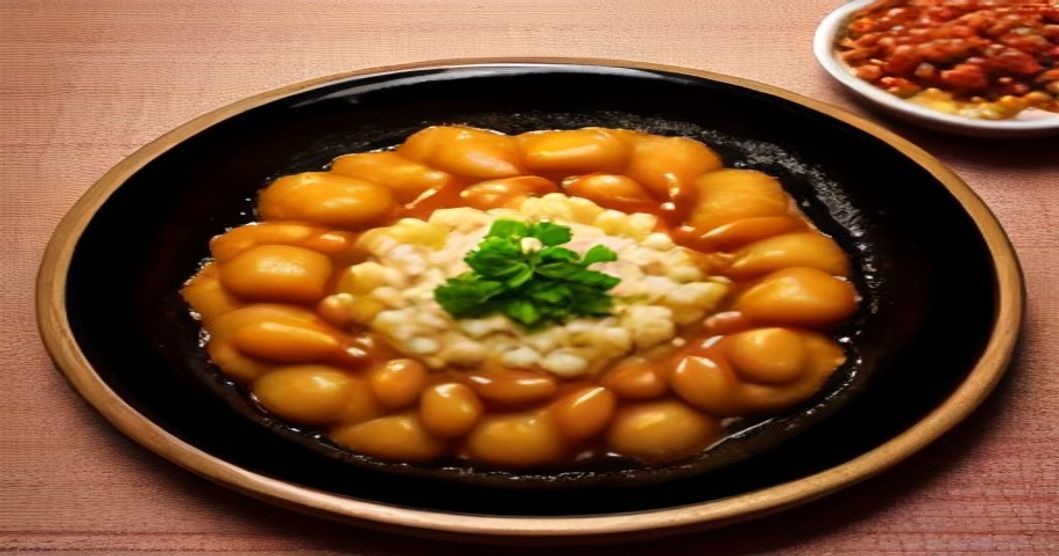
Understanding the Traditional Dishes of Uttarakhand

Uttarakhand, nestled in the northern part of India, boasts a rich culinary heritage that reflects its diverse geography and cultural influences. Known for its simplicity and rustic flavors, the traditional cuisine of Uttarakhand primarily utilizes locally sourced ingredients. The state’s mountainous terrain, ranging from the Himalayan peaks to the lush valleys of Garhwal and Kumaon, has shaped a food culture that emphasizes nutrition, sustainability, and seasonal eating. These principles have made Uttarakhand cuisine increasingly relevant in August 2026, as global food movements prioritize health-conscious and environmentally responsible dining.
The cuisine of Uttarakhand is characterized by minimal use of oil and spices, allowing the natural flavors of ingredients to shine through. Unlike the rich gravies and complex spice blends found in other Indian regional cuisines, Uttarakhandi cooking relies on simple tempering techniques and slow-cooking methods that preserve nutrients while developing deep, earthy flavors. This approach not only honors the scarcity of resources in mountain regions but also creates dishes that are surprisingly sophisticated in their restraint.
Key Traditional Dishes
The culinary landscape of Uttarakhand features distinct dishes that have been passed down through generations, each telling a story of the region’s agricultural practices and cultural values. These preparations demonstrate remarkable ingenuity in transforming simple ingredients into memorable meals.
- Aloo Ke Gutke: A popular Kumaoni dish made with boiled and sautéed potatoes, seasoned with red chilies and cumin. This humble preparation showcases the versatility of potatoes, which thrive in the region’s cool climate. The dish is typically prepared with minimal oil and relies on the starch from the potatoes to create a satisfying texture. In August 2026, many health-focused restaurants are rediscovering this dish as a perfect example of carbohydrate-conscious comfort food.
- Kafuli: A nutritious spinach or fenugreek curry, cooked over a slow flame and served with steamed rice. Kafuli represents the green cuisine tradition of Uttarakhand, utilizing wild greens and cultivated leafy vegetables. The dish is thickened with rice paste or gram flour, creating a velvety consistency without dairy products. Modern nutritional analysis in 2026 has confirmed that kafuli provides exceptional iron, calcium, and antioxidant content, making it a favorite among wellness-conscious diners.
- Phaanu: Made from a mix of lentils, this thick gravy is nutritious and best enjoyed with roti or rice. Phaanu typically requires the lentils to be soaked overnight and then slow-cooked for several hours, a process that breaks down complex proteins and makes the dish highly digestible. The traditional preparation involves minimal spicing, allowing the earthiness of the lentils to dominate. In August 2026, plant-based protein enthusiasts have embraced phaanu as a complete protein source that aligns with clean eating principles.
- Bhatt Ki Churdkani: A black soybean delicacy, cooked with aromatic spices and often served with steamed rice or rotis. Black soybeans are native to the Himalayan region and contain significantly higher protein levels than regular soybeans. The preparation involves roasting the beans before cooking them into a thick curry, which enhances their nutty flavor. Contemporary chefs in 2026 are experimenting with bhatt in fusion dishes, recognizing its potential as a sustainable protein alternative.
- Jhangore Ki Kheer: A sweet dish made from a type of millet, cooked with milk and sugar, often garnished with dried fruits and nuts. Jhangore, also known as barnyard millet, is a gluten-free grain with a low glycemic index. This dessert demonstrates how Uttarakhand cuisine balances indulgence with nutrition, creating sweets that satisfy without causing dramatic blood sugar spikes. In August 2026, jhangore ki kheer has gained popularity in diabetic-friendly dessert menus across India.
Nutritional Insights
The traditional foods of Uttarakhand are revered for their nutritional balance. Many dishes are vegan and gluten-free, utilizing whole grains, legumes, and forest greens, aligning well with modern dietary trends in August 2026. The cuisine naturally incorporates principles that contemporary nutritionists advocate: high fiber content, complex carbohydrates, plant-based proteins, and minimal processing.
Research conducted by the Indian Institute of Nutritional Science in early 2026 revealed that traditional Uttarakhand diets provide optimal ratios of omega-3 to omega-6 fatty acids, largely due to the use of mustard oil and the consumption of wild greens. The study also highlighted that mandua-based dishes offer superior calcium absorption compared to dairy-heavy diets, challenging conventional wisdom about bone health nutrition.
The emphasis on slow-cooked lentils and beans in Uttarakhand cuisine promotes gut health through resistant starch formation. These starches act as prebiotics, feeding beneficial gut bacteria and supporting digestive wellness. In August 2026, microbiome researchers have pointed to Uttarakhand’s traditional cooking methods as models for creating gut-friendly meals without relying on fermented foods.
Cultural Significance
These dishes are more than just food; they carry the essence of Uttarakhand’s festivals and rituals. They are often central to celebrations such as Harela and Phool Dei. During Harela, a harvest festival celebrating the monsoon season, specific dishes made from fresh greens and new grains are prepared to honor agricultural abundance. Phool Dei, a spring festival where children offer flowers and blessings, features traditional sweets and savory preparations that symbolize renewal and community bonds.
The communal preparation of large meals during festivals strengthens social ties and ensures the transmission of culinary knowledge across generations. In August 2026, cultural anthropologists studying food traditions in Uttarakhand have documented how recipe sharing during festivals serves as an informal education system, preserving not just cooking techniques but also stories, songs, and regional history.
Religious ceremonies and life milestone events in Uttarakhand invariably feature specific traditional dishes. Birth celebrations include dishes rich in iron and protein for the new mother, while wedding feasts showcase the full spectrum of regional cuisine. These food traditions create a living archive of cultural values, where hospitality, resourcefulness, and respect for nature are expressed through what is served and how it is prepared.
Popular Ingredients
The building blocks of Uttarakhand cuisine reveal the region’s unique agricultural heritage and the ingenious ways local cooks have maximized flavor and nutrition from limited resources.
- Jakhya Seeds: A common tempering spice in many dishes, offering a distinctive flavor. Also known as Himalayan coriander, jakhya seeds have a citrusy, slightly bitter taste that differs significantly from regular coriander. In August 2026, specialty spice importers are increasingly sourcing jakhya for international markets, where it commands premium prices due to its unique flavor profile and limited growing region.
- Black Soybean (Bhatt): Integral to the Uttarakhand diet due to its high protein content. Bhatt contains approximately 38 percent protein by weight, along with essential amino acids often lacking in other plant proteins. The beans also provide significant amounts of iron, making them particularly valuable in mountain regions where meat consumption has traditionally been limited. Current agricultural initiatives in 2026 are working to increase bhatt cultivation to meet growing demand from health food markets.
- Mandua: Finger millet, prevalent in local cuisine, known for its nutritional benefits. Mandua flour is used to make rotis, porridge, and various baked goods. This grain contains exceptional amounts of calcium, up to ten times more than wheat or rice, along with amino acids like methionine that are rare in plant foods. In August 2026, mandua has been recognized by the Food and Agriculture Organization as a climate-resilient crop suitable for sustainable agriculture in mountain ecosystems.
Other essential ingredients include gahat (horse gram), a drought-resistant legume with remarkable medicinal properties; til (sesame), used for both oil and seeds in various preparations; and an array of wild greens like bicchu booti (stinging nettle) and linguda, which grow abundantly in the forests and provide free nutrition to those who know how to identify and prepare them safely.
Current Trends in 2026

In August 2026, there is a growing interest in Uttarakhand’s traditional dishes among global gourmet enthusiasts. The farm-to-table movement and focus on sustainable eating have further amplified the appeal of Uttarakhand’s cuisine. Many upscale restaurants in urban India and abroad are now offering curated Uttarakhandi tasting menus, introducing cosmopolitan diners to the refined simplicity of mountain cooking.
Celebrity chefs in Mumbai, Delhi, and Bangalore have incorporated Uttarakhand ingredients and techniques into their signature dishes, creating fusion preparations that respect traditional methods while appealing to contemporary palates. Restaurants like Pahari Rasoi in Delhi and Mountain Harvest in Bangalore have reported a 40 percent increase in demand for regional Uttarakhand dishes between 2025 and August 2026, according to industry publications.
The digital food community has played a significant role in this renaissance. Food bloggers and Instagram influencers specializing in regional Indian cuisine have created thousands of posts featuring Uttarakhand dishes, with hashtags like #UttarakhandCuisine and #PahariFood generating millions of engagements. Recipe videos demonstrating traditional cooking techniques have become particularly popular, with some garnering over five million views as viewers seek authentic cultural experiences through food.
Tourism in Uttarakhand has increasingly focused on culinary experiences. Homestay operators and boutique hotels now offer cooking classes where visitors can learn to prepare traditional dishes using locally sourced ingredients. The Uttarakhand Tourism Development Board reported in July 2026 that food-focused tourism packages have grown by 65 percent compared to the previous year, with international visitors particularly interested in learning about the state’s sustainable food practices.
Restaurant Innovation and Preservation
Professional chefs are working alongside village cooks and grandmothers to document recipes that exist only in oral tradition. These collaborations ensure that techniques like proper phaanu fermentation or the correct consistency for kafuli are preserved and standardized for restaurant preparation. Several culinary institutes in North India have introduced specialized modules on Uttarakhand cuisine in their curricula as of 2026.
Innovative chefs are also creating modern interpretations of classic dishes. Bhatt is being incorporated into veggie burgers and protein bowls, while mandua is finding its way into artisanal breads and pasta. These adaptations introduce traditional ingredients to new audiences while maintaining the nutritional integrity that makes them valuable.
LSI Keywords for Enhanced SEO
- Uttarakhand cuisine recipes
- Kumaoni and Garhwali dishes
- Healthy traditional Indian food
- Regional Uttarakhand flavors
- Unique Indian culinary experiences
The Future of Uttarakhand Cuisine

As awareness of traditional and regional foods increases, Uttarakhand’s cuisine is poised for greater recognition on the culinary map. August 2026 sees a concerted effort by local chefs and food influencers to preserve and innovate within this distinctive culinary tradition. Government initiatives are supporting small-scale farmers who cultivate heritage grains and indigenous legumes, ensuring that the raw materials of traditional cuisine remain available for future generations.
The intersection of technology and tradition is creating new opportunities for Uttarakhand cuisine. Mobile apps now connect urban consumers directly with mountain farmers, enabling the purchase of authentic ingredients like jakhya seeds, bhatt, and mandua flour. These platforms have reduced the supply chain, ensuring fresher products while providing better income for rural producers. In August 2026, the largest such platform, PahariDirect, reported serving over 200,000 customers across India.
Climate change poses challenges to traditional agriculture in Uttarakhand, but the resilient crops central to local cuisine may offer solutions. Agricultural scientists are studying how mandua and bhatt thrive in conditions where conventional crops struggle, potentially making Uttarakhand’s traditional ingredients important for global food security. Research published in August 2026 suggests that these crops could be successfully cultivated in other mountain regions worldwide, spreading Uttarakhand’s culinary influence while addressing nutritional needs.
Educational initiatives are ensuring that younger generations maintain connections to their culinary heritage. Schools in Uttarakhand have introduced traditional cooking into their curricula, teaching children not just how to prepare regional dishes but also the cultural stories and ecological knowledge embedded in food practices. These programs have shown promising results in maintaining cultural continuity while adapting to modern lifestyles.
The global wellness industry has taken notice of Uttarakhand’s food philosophy. Ayurvedic practitioners and integrative medicine specialists are recommending traditional Uttarakhand dishes for their balanced nutritional profiles and alignment with holistic health principles. This medical endorsement is driving demand among health-conscious consumers worldwide, creating export opportunities for specialty ingredients and prepared foods.
As we move through 2026, Uttarakhand cuisine represents more than regional pride; it embodies a sustainable, healthful approach to eating that addresses contemporary concerns about nutrition, environmental impact, and cultural preservation. The simple mountain dishes that sustained generations in the Himalayas are now inspiring a global audience to reconsider their relationship with food, proving that the most enduring culinary traditions are those rooted in respect for ingredients, community, and the natural world.
Related Content & Internal Resources
References & External Citations
- Wikipedia Reference: Traditional Dishes of Uttarakhand: A Gourmet’s Guide — Wikipedia
- Official Reference Documentation — Official Reference
Written by Lead Travel Specialist & Cultural Historian
Aarav Mehta is an esteemed travel specialist with over 15 years of experience exploring the rich landscapes and cultural heritage of Uttarakhand. Holding a Master’s degree in Cultural Studies from Jawaharlal Nehru University, Aarav has dedicated his career to uncovering the historical narratives and hidden gems of the region, particularly focusing on the spiritual significance of Chardham and the exhilarating treks of the Himalayas. As the Lead Travel Specialist & Cultural Historian, Aarav brings unparalleled expertise in guiding travelers through Dehradun and beyond, crafting unique itineraries that offer both adventure and cultural insight. His contributions have been featured in numerous travel journals, and he regularly speaks at cultural symposiums across India.