Trek Overview
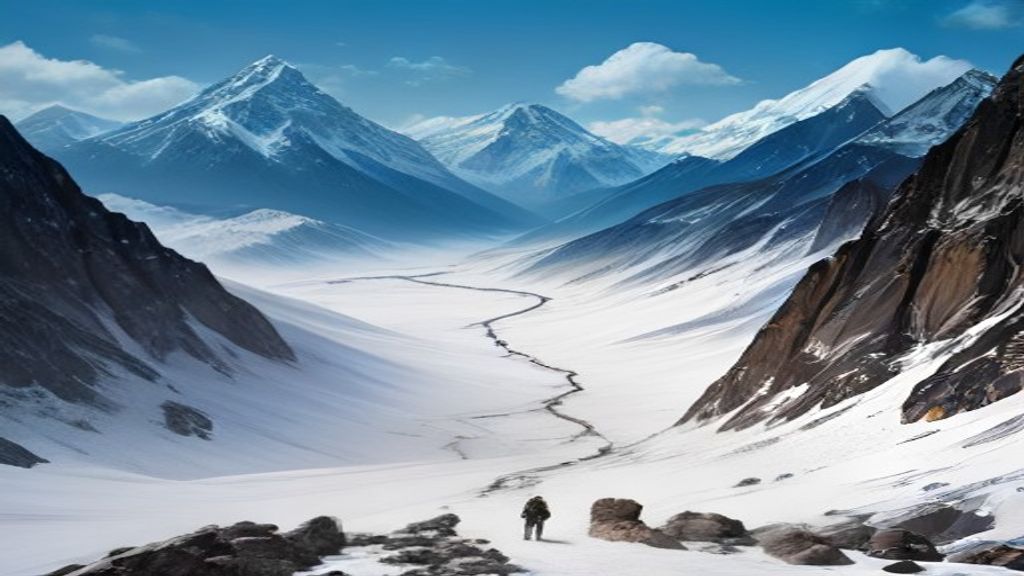
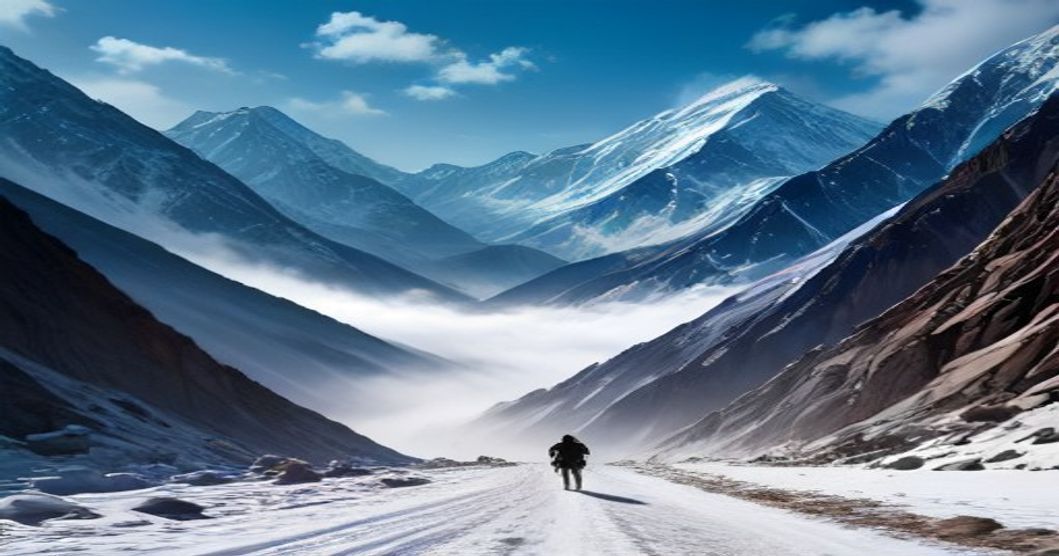
The Gangotri to Gaumukh trek stands as one of India’s most spiritually significant and physically rewarding high-altitude adventures. This 18-kilometer pilgrimage route connects the ancient temple town of Gangotri with the Gaumukh Glacier, the actual source point where the sacred River Ganges emerges from beneath a colossal ice formation resembling a cow’s mouth. The trek combines profound religious importance with stunning Himalayan scenery, traversing through the protected wilderness of Gangotri National Park in Uttarakhand state. Trekkers navigate rocky moraines, alpine meadows, and glacier-carved valleys while ascending from 3,415 meters to 4,023 meters elevation, gaining intimate access to one of the most revered geographical features in Hindu tradition and witnessing firsthand the dramatic glacial retreat occurring in the Garhwal Himalayas.
Key Details for August 2026

Planning a trek to Gaumukh in August 2026 requires understanding specific logistical and environmental factors that distinguish this trek from typical Himalayan routes. The trek begins at Gangotri town, situated at 3,415 meters above sea level in the Uttarkashi district of Uttarakhand. The destination point, Gaumukh Glacier, sits at 4,023 meters, creating a net elevation gain of 608 meters spread across approximately 18 kilometers of mountain terrain.
Most trekkers complete the route in 2-3 days, though this timeline depends significantly on individual fitness levels, acclimatization requirements, and weather conditions. The standard itinerary involves trekking from Gangotri to Bhojbasa camp on day one, continuing to Gaumukh and returning to Bhojbasa on day two, then descending back to Gangotri on day three. Some physically conditioned trekkers complete the entire journey in a single long day, though this approach increases altitude sickness risk considerably.
August falls squarely within the monsoon season in Uttarakhand, presenting unique challenges compared to the optimal trekking windows of May-June and September-October. During August 2026, trekkers should anticipate frequent rainfall, cloud cover obscuring mountain views, increased landslide risk along approach roads, swollen river crossings, and slippery trail conditions. The monsoon does offer advantages including fewer crowds, lush green landscapes, and lower accommodation costs, but these benefits come with substantially elevated safety concerns.
The permit system for Gangotri National Park has become increasingly regulated as of 2026. All trekkers must obtain advance permits from the park office in Gangotri, with daily entry quotas strictly enforced to protect the fragile glacier ecosystem. Permits cannot be obtained online and require in-person application with valid identification, passport-sized photographs, and payment of current fee structures. During peak season, permits often sell out days in advance, making early arrival in Gangotri essential for securing trek access.
Current Trends and Insights
The trekking landscape around Gaumukh has evolved significantly by August 2026, reflecting broader shifts in mountain tourism, environmental awareness, and climate change impacts. Visitor statistics indicate a steady year-over-year increase in eco-conscious tourists who prioritize sustainable trekking practices over traditional high-volume tourism. This demographic shift has prompted local authorities and tourism operators to implement stricter leave-no-trace protocols, mandatory waste collection systems where trekkers must carry out all non-biodegradable materials, and enhanced penalties for environmental violations.
The Uttarakhand Forest Department reports that approximately 60-70% of current Gaumukh trekkers now participate in organized eco-tourism programs that emphasize minimal environmental impact, cultural sensitivity toward local communities, and educational components about glacial science and climate change. This represents a substantial increase from earlier years when most visitors approached the trek purely as adventure tourism or religious pilgrimage without environmental considerations.
Tourism impact on the Gaumukh region remains a critical management challenge in 2026. The Gangotri National Park administration has implemented zoned access restrictions, seasonal closures during environmentally sensitive periods, mandatory guide requirements for certain trail sections, and installation of fixed campsites to concentrate human impact in designated areas rather than allowing dispersed camping across fragile alpine meadows. These measures aim to balance tourism revenue with glacier preservation as scientific monitoring continues documenting the Gangotri Glacier’s retreat rate of approximately 20-25 meters annually.
The local economy of villages along the Gangotri approach route depends heavily on trekking tourism, with guide services, porter employment, guesthouse operations, and supply logistics providing primary income for hundreds of families. The average daily rate for certified local guides in August 2026 ranges from 1,500-2,500 rupees depending on experience and language capabilities, while porter services cost approximately 800-1,200 rupees per day. These employment opportunities have created economic incentives for sustainable tourism practices, as communities recognize long-term revenue depends on maintaining the natural assets that attract visitors.
Preparation Tips for Trekkers
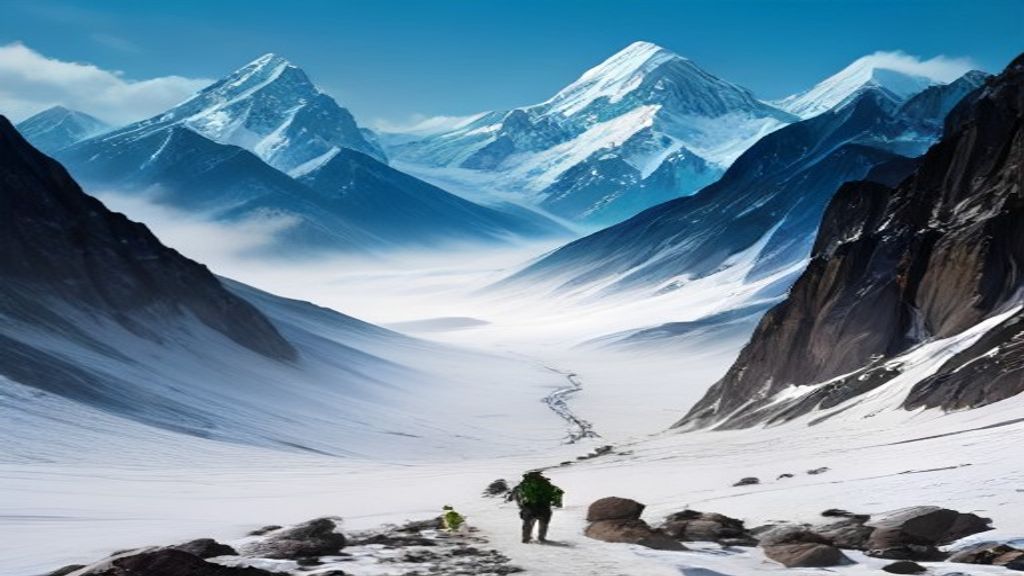
Successful completion of the Gangotri to Gaumukh trek in August 2026 demands thorough physical preparation, appropriate equipment selection, and strategic acclimatization planning. Physical readiness constitutes the foundation of safe high-altitude trekking. Prospective trekkers should engage in cardiovascular conditioning for at least 6-8 weeks before departure, focusing on sustained aerobic activities like running, cycling, or stair climbing that build endurance for continuous exertion at reduced oxygen levels. Prior high-altitude experience proves invaluable, as individuals who have previously trekked above 3,500 meters generally adapt more effectively to the physiological stresses encountered on this route.
Packing essentials for August monsoon conditions require balancing warmth, weather protection, and weight management. The unpredictable mountain weather demands layered clothing systems including moisture-wicking base layers, insulating mid-layers like fleece or down jackets, and waterproof-breathable outer shells rated for sustained rainfall. Quality rain gear becomes non-negotiable during August, with both jacket and pants needed to maintain core temperature during wet conditions. Trekking poles provide crucial stability on slippery monsoon trails and significantly reduce knee stress during descents. A comprehensive medical kit should include altitude sickness medications like acetazolamide, anti-inflammatory drugs, blister treatment supplies, water purification tablets, and personal prescription medications with backup quantities.
Footwear selection directly impacts trekking comfort and safety. Well-broken-in waterproof hiking boots with ankle support and aggressive tread patterns handle the rocky, potentially muddy terrain most effectively. Many experienced trekkers carry lightweight camp shoes or sandals for river crossings and evening comfort at Bhojbasa. Gaiters provide additional protection against trail mud and small stones entering boots.
Acclimatization strategy separates successful summit attempts from altitude-induced failures. The standard recommendation involves spending at least one full day in Gangotri before beginning the trek, allowing physiological adaptation to 3,415-meter elevation. This acclimatization day can include short walks around Gangotri town, visiting the famous Gangotri Temple, or attempting a brief higher-altitude excursion before returning to sleep at the same elevation. Trekkers arriving directly from low-altitude cities face substantially higher acute mountain sickness risk and should consider extending acclimatization time accordingly.
Safety Measures
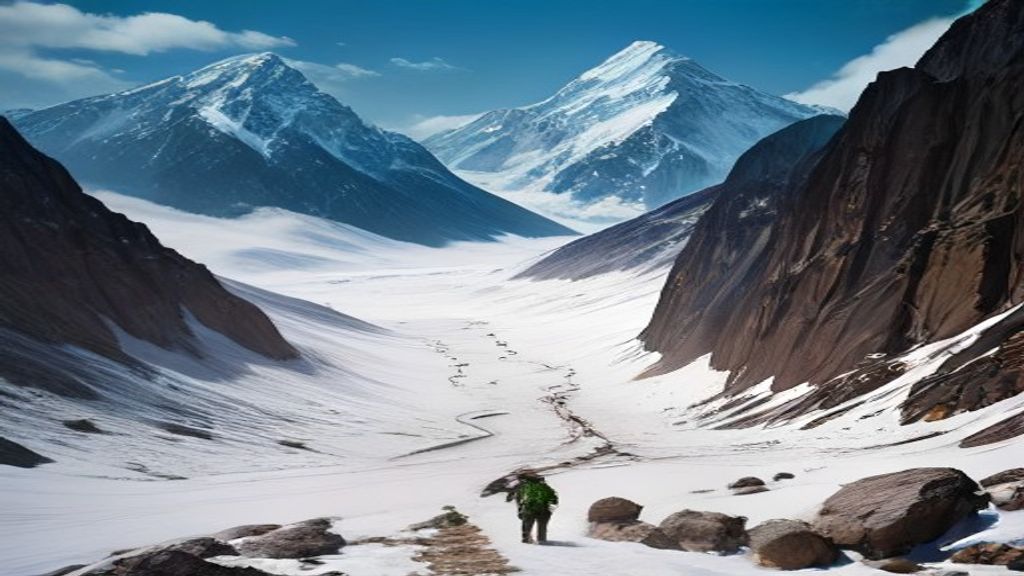
Safety considerations on the Gaumukh trek intensify during August 2026 due to monsoon-specific hazards. Weather monitoring becomes a daily essential, with trekkers advised to check forecasts through local sources, park ranger updates, and satellite-based weather applications before departing each morning. The monsoon season brings elevated landslide risk along both the approach road to Gangotri and sections of the trekking trail itself, particularly where the path crosses steep hillsides or traverses beneath unstable rock faces. Fresh landslide debris requires careful crossing, and in some instances may necessitate route modifications or trek cancellations for safety.
The trail becomes notably slippery during and after rainfall, with smooth rock surfaces, muddy sections, and loose scree demanding constant attention to foot placement. River crossings along the route swell considerably during monsoon, transforming normally simple stream hops into potentially dangerous wade-throughs with swift current. Several tributary streams that remain dry during pre-monsoon season flow vigorously in August, requiring careful timing and technique to cross safely.
Employing local guides provides multiple safety advantages beyond route-finding. Experienced guides recognize weather pattern changes, identify hazardous trail conditions, maintain communication networks with base camps and rescue services, carry emergency equipment, and possess intimate knowledge of alternative routes when primary paths become impassable. The Uttarakhand government maintains a register of certified guides who have completed training in wilderness first aid, high-altitude rescue techniques, and environmental protocols. Hiring certified guides rather than informal operators ensures baseline competency standards and liability coverage.
Emergency preparedness requires maintaining current contact information for local rescue services, the nearest medical facilities in Uttarkashi district, and the Gangotri National Park emergency response team. Mobile phone coverage exists intermittently along the trail, with the most reliable signals near Gangotri and Bhojbasa. Satellite communication devices provide backup communication capability when cellular networks fail. The nearest hospital with altitude illness treatment capacity operates in Uttarkashi town, approximately 100 kilometers from Gangotri, requiring several hours evacuation time in emergency scenarios.
Acute mountain sickness prevention and recognition deserve particular attention given the rapid altitude gain. Symptoms including headache, nausea, fatigue, dizziness, and sleep disturbance indicate mild AMS and require halting further ascent until symptoms resolve. Severe symptoms such as persistent coughing, chest tightness, confusion, or loss of coordination signal potentially life-threatening high-altitude pulmonary or cerebral edema, necessitating immediate descent and medical evacuation.
Environmental Responsibility and Cultural Sensitivity
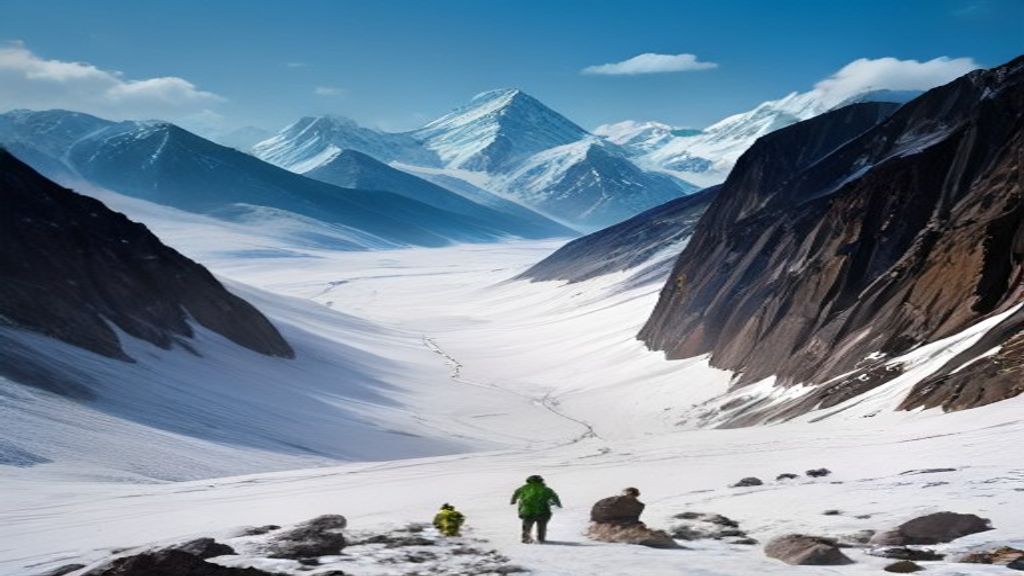
Trekking to Gaumukh in August 2026 carries heightened environmental responsibilities as scientific evidence confirms accelerating glacial retreat throughout the Himalayas. The Gangotri Glacier has receded approximately 2 kilometers since initial surveys in the 1780s, with retreat rates increasing in recent decades. Trekkers can minimize additional impact by adhering strictly to leave-no-trace principles including carrying out all waste, using designated toilet facilities or proper catholes at least 60 meters from water sources, avoiding shortcutting switchbacks that accelerates erosion, and refusing single-use plastics.
Cultural sensitivity remains equally important on this pilgrimage route sacred to millions of Hindus worldwide. Gaumukh represents the physical manifestation of the goddess Ganga descending to earth, making the site profoundly holy beyond its geological significance. Appropriate behavior includes dressing modestly, speaking quietly near the glacier terminus, refraining from consuming alcohol or non-vegetarian food on the trail, and showing respect for pilgrims performing religious ceremonies. Photography should be conducted discretely without disrupting devotional activities.
What to Expect at Bhojbasa and Gaumukh
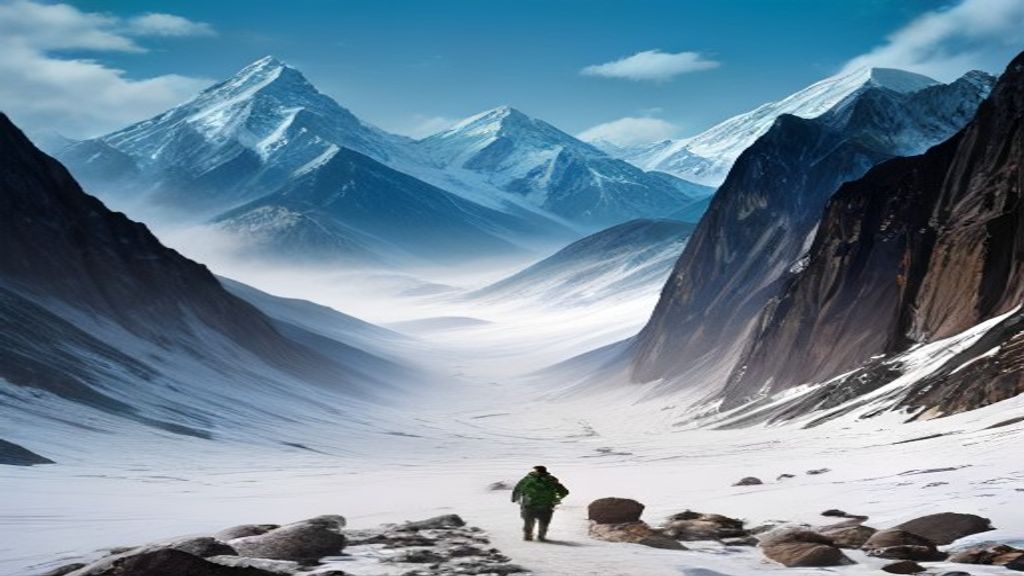
Bhojbasa camp, situated approximately 14 kilometers from Gangotri at 3,792 meters elevation, serves as the primary overnight stop for most trekkers. The site features basic guesthouse accommodations operated by the Garhwal Mandal Vikas Nigam and private operators, offering dormitory-style sleeping arrangements, simple vegetarian meals, and limited electricity from solar panels or generators. Accommodation costs in August 2026 average 300-600 rupees per person for dormitory beds, with meals priced at 100-200 rupees per dish. Toilet facilities remain basic, and hot water availability varies by operator and fuel supplies.
The final 4-kilometer section from Bhojbasa to Gaumukh traverses increasingly barren terrain dominated by glacial moraine, rocky outcrops, and sparse vegetation. The trail becomes steeper and more technical, with loose rocks requiring careful footing. Early morning departures from Bhojbasa allow trekkers to reach Gaumukh by sunrise when lighting conditions showcase the glacier optimally and afternoon cloud buildup remains minimal.
At Gaumukh itself, trekkers encounter the imposing ice cave from which the Bhagirathi River emerges with tremendous force. The glacier terminus features a chaotic landscape of crevasses, ice towers, meltwater pools, and unstable ice sections that shift continuously. Park regulations prohibit approaching within marked safe distances of the glacier face due to calving ice and rockfall hazards. The viewing area provides spectacular perspectives on the Bhagirathi Peaks rising above the glacier and the source waters of one of humanity’s most culturally significant rivers.
Conclusion
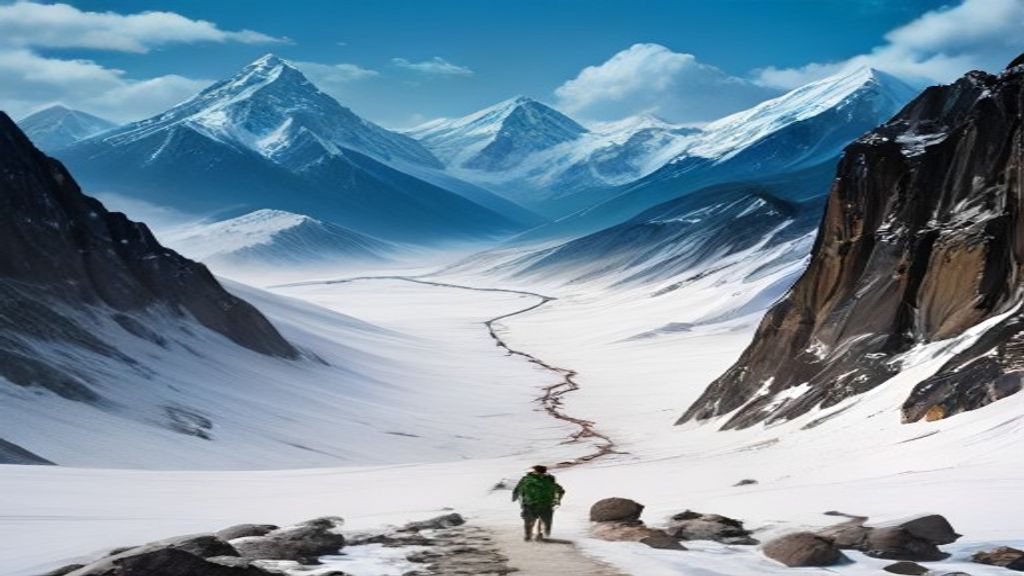
The Gangotri to Gaumukh trek offers an extraordinary combination of spiritual pilgrimage, high-altitude challenge, and environmental education in August 2026. While monsoon conditions present additional difficulties compared to optimal seasons, proper preparation, safety consciousness, and environmental responsibility enable rewarding experiences for physically fit trekkers willing to accept weather uncertainties. The trek provides intimate access to rapidly changing glacial landscapes, supports local mountain economies, and deepens understanding of climate change impacts on Himalayan ecosystems. Whether approaching as religious devotion, adventure pursuit, or ecological interest, the journey to witness the Ganges emerging from beneath ancient ice creates lasting impressions of nature’s power and fragility.
Related Content & Internal Resources
References & External Citations
- Wikipedia Reference: The Trek from Gangotri to Gaumukh: Complete Guide — Wikipedia
- Official Reference Documentation — Official Reference
Written by Senior Travel Consultant & Chardham Specialist
Anaya Sharma is a seasoned travel consultant with over 15 years of experience focusing on Uttarakhand’s rich cultural and natural landscapes. Specializing in the Chardham Yatra and Himalayan treks, Anaya holds a Master’s degree in Eco-Tourism from the University of Delhi. Her extensive fieldwork includes mapping less-trodden paths and collaborating with local communities for sustainable travel. As a published author in ‘The Himalayan Travel Journal,’ Anaya is committed to providing insightful and ethical travel guidance. She regularly contributes her expertise to the ‘Travel’ website, ensuring that travelers receive authentic and culturally respectful information about Uttarakhand’s treasures.