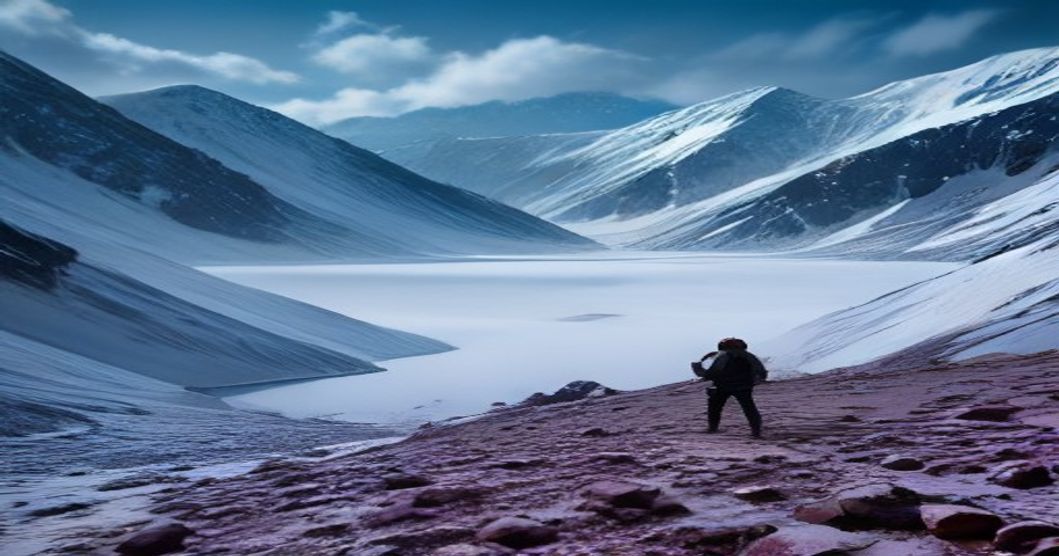
Overview of Roopkund Trek
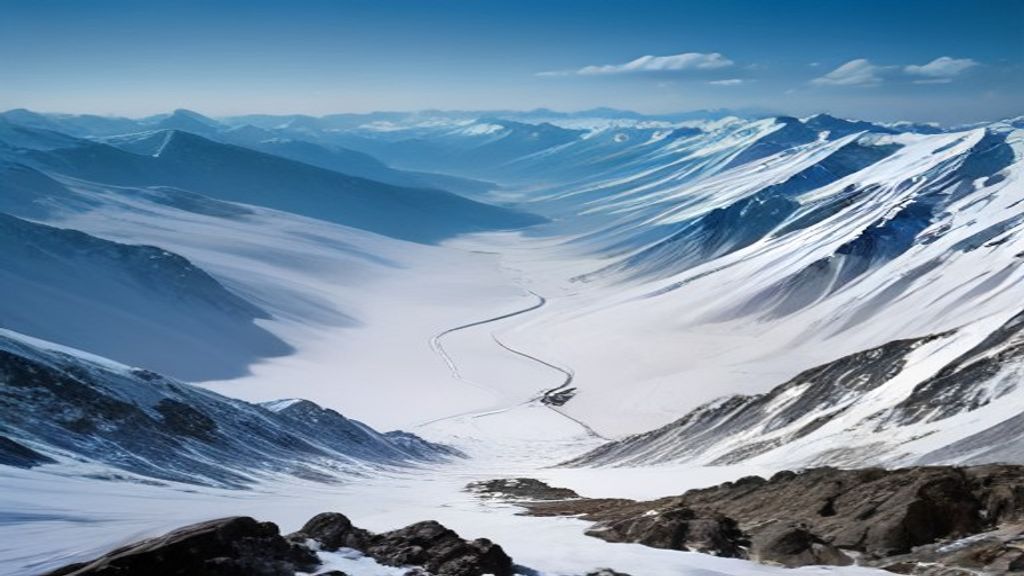
The Roopkund Trek stands as one of India’s most enigmatic and sought-after high-altitude expeditions, nestled in the remote corners of Uttarakhand’s Chamoli district. This extraordinary journey combines breathtaking Himalayan landscapes with an archaeological mystery that has captivated researchers and adventurers for over eight decades. The glacial lake sits at a staggering altitude of 5,029 meters, surrounded by snow-capped peaks and alpine meadows that transition dramatically from dense rhododendron forests to barren rocky terrain.
What distinguishes Roopkund from countless other Himalayan treks is the macabre discovery that gives it the nickname Skeleton Lake. The shallow glacial water periodically reveals hundreds of ancient human skeletal remains scattered along its shores, visible when snow melts during warmer months. These bones, first documented by a British forest ranger in 1942, have sparked decades of scientific investigation and folklore. The trek route itself passes through traditional Garhwali villages, pristine alpine meadows known locally as bugyals, and offers unobstructed panoramic views of magnificent peaks including Trishul at 7,120 meters and Nanda Ghunti at 6,309 meters, both considered sacred in Hindu mythology.
The journey typically begins from the small town of Lohajung, accessible via road from Kathgodam railway station. Trekkers traverse through varied ecological zones, experiencing significant biodiversity ranging from oak and rhododendron forests at lower elevations to sparse vegetation and permanent snowfields near the lake. The cultural dimension adds depth to the physical challenge, as the route passes through villages where traditional Garhwali culture remains largely intact, offering insights into mountain communities that have thrived in these harsh conditions for centuries.
Key Facts and Statistics (August 2026)
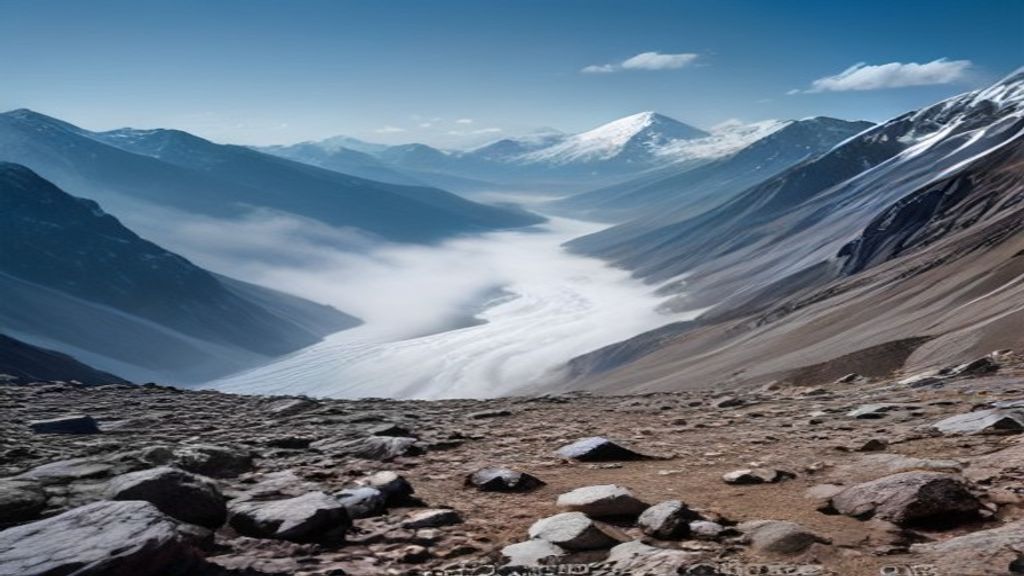
- Trek Distance: Approximately 53 kilometers round trip from Lohajung base camp to Roopkund Lake and back, with daily segments ranging from 6 to 12 kilometers depending on the itinerary.
- Altitude: The trek reaches a maximum elevation of 5,029 meters or 16,499 feet above sea level at Roopkund Lake, with significant altitude gain occurring over relatively short distances.
- Best Time to Trek: Optimal trekking windows are May to mid-June and September to October in 2026. The lake remains frozen until late May, and monsoon season from July through August brings heavy rainfall, landslides, and leeches, making the trek hazardous and officially discouraged.
- Temperature: Daytime temperatures range from 10°C to 20°C at lower campsites, while nights can drop to 0°C to -5°C. At higher elevations near Roopkund, temperatures fluctuate between -5°C to 8°C during the day and plummet to -10°C to -15°C at night.
- Duration: The standard itinerary spans 7 to 9 days, including acclimatization days, with 8-day expeditions being most common to allow proper altitude adjustment and weather buffer days.
- Trek Difficulty: Classified as moderate to difficult, requiring previous trekking experience at altitudes above 3,000 meters, good cardiovascular fitness, and mental preparation for challenging terrain including steep ascents, boulder-strewn paths, and potential snow crossings.
- Permit Requirement: As of August 2026, all trekkers must obtain permits through the Uttarakhand Forest Department’s online portal. Individual trekkers are not permitted; groups must be registered through authorized trekking operators who handle permit applications. Permits cost approximately ₹600 per person for Indian nationals and ₹1,800 for foreign nationals, with applications required at least 15 days before the trek start date.
- Group Size Restrictions: In 2026, authorities enforce a maximum group size of 12 trekkers per guide to minimize environmental impact, with daily entry quotas limiting total trekkers on the route to preserve the fragile ecosystem.
Mysterious Skeletons and Scientific Insights
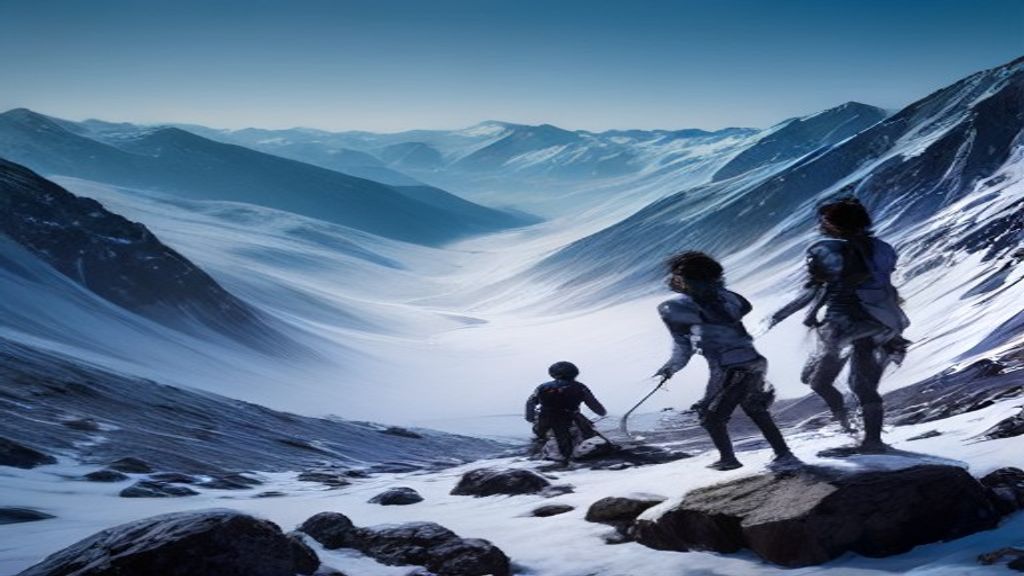
Roopkund earned its haunting designation as Skeleton Lake following the 1942 discovery of hundreds of human skeletal remains preserved in and around the shallow glacial lake. Initial theories ranged from epidemic victims to lost armies, but the remote location and high altitude made these explanations implausible. The bones, visible when the ice melts between May and October, include complete skeletons, skulls showing evidence of blunt force trauma, and personal artifacts suggesting different historical periods.
Groundbreaking DNA analysis conducted between 2019 and 2024 revolutionized understanding of these remains. Research published by international scientific teams revealed that the approximately 500 to 800 individuals represent at least three distinct groups from different time periods, not a single catastrophic event as previously assumed. The genetic evidence identified one group as local individuals with South Asian ancestry dating to the 7th to 9th century CE, consistent with traditional pilgrimage routes to nearby Nanda Devi peak. Surprisingly, a second group showed ancestry tracing to the Eastern Mediterranean region, dated to approximately the same period, suggesting long-distance travelers whose presence in this remote location remains unexplained.
Most intriguingly, a third cluster of remains dates to the 18th to 19th century, approximately 1,000 years after the earlier deaths, indicating the lake site witnessed multiple fatal incidents across vastly different historical periods. Isotope analysis of bones revealed that the Mediterranean individuals had consumed diets typical of their region of origin in the months before death, confirming they were not long-term residents but recent arrivals to the Himalayas.
The skull fractures observed on many skeletons suggest death from blunt trauma consistent with large rounded objects. Local folklore speaks of the goddess Nanda Devi unleashing a deadly hailstorm upon those who defiled her sacred mountain, and modern forensic analysis supports death by severe hailstorm as the most plausible explanation for the 9th-century casualties. The size and force required to cause the documented cranial injuries suggest hailstones of extraordinary magnitude, a phenomenon that can occur in high-altitude Himalayan environments where supercell thunderstorms develop rapidly.
As of August 2026, research continues with non-invasive technologies including ground-penetrating radar to map potential additional remains without disturbing the site. The Uttarakhand government has implemented strict regulations prohibiting any removal or disturbance of skeletal materials, with the area designated as a protected archaeological zone within the larger Nanda Devi Biosphere Reserve.
Detailed Trekking Itinerary and Route Description
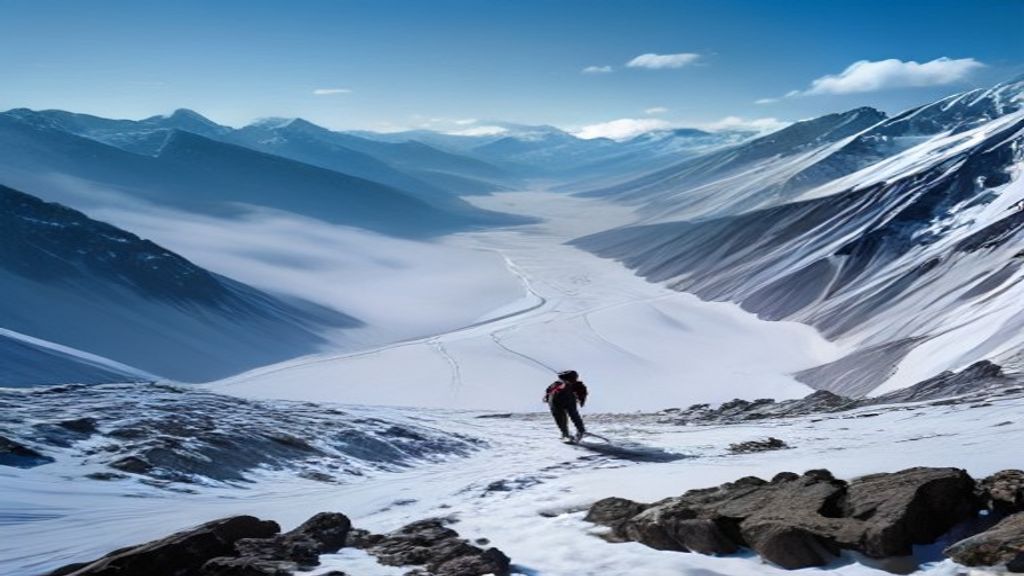
The standard Roopkund expedition follows a well-established route that balances altitude gain with proper acclimatization. Day one typically involves traveling from Kathgodam to Lohajung at 2,330 meters, a 10-hour drive through winding mountain roads. Lohajung serves as the administrative starting point where permits are verified and local guides are assigned.
The actual trek begins on day two with a 6-kilometer hike to Didna Village at 2,440 meters, passing through terraced agricultural fields and mixed forests. Day three covers 11 kilometers ascending to Ali Bugyal at 3,380 meters, entering the expansive alpine meadows that define the Garhwal Himalayan summer grazing lands. These bugyals explode with wildflowers during May and June, creating carpets of blue primulas, yellow potentillas, and purple geraniums.
Day four is designated for acclimatization at Patar Nachauni campsite at 3,750 meters, with short exploratory hikes to help bodies adjust to reduced oxygen levels. This rest day proves crucial for preventing acute mountain sickness in subsequent stages. Day five involves a challenging 5-kilometer trek to Bhagwabasa at 4,350 meters, the last campsite before the final ascent. The landscape transforms to rocky moraines with patches of snow even in summer months.
Day six represents the summit day, with a pre-dawn start around 3:00 AM to reach Roopkund by sunrise, covering approximately 4 kilometers each way with 700 meters of elevation gain. Trekkers return to Patar Nachauni the same day, descending 1,280 meters over 9 kilometers total. Days seven and eight involve retracing the route back to Lohajung with overnight stops at previous campsites, allowing for a more leisurely descent.
Current Trends and Travel Tips
- Eco-friendly Trekking: August 2026 sees heightened enforcement of Leave No Trace principles, with trek operators required to carry out all waste including biodegradable materials. The Uttarakhand Forest Department conducts random inspections and imposes substantial fines for violations. Many operators now provide reusable utensils, solar charging stations, and biodegradable toilet systems at campsites. Trekkers are encouraged to carry personal waste bags and participate in cleanup initiatives.
- Technology Integration: Satellite-based GPS devices have become standard equipment, with providers offering affordable rental options. Real-time weather tracking apps specifically designed for Himalayan conditions provide hourly updates on precipitation, wind speed, and temperature changes. Emergency SOS devices with two-way communication capabilities are increasingly common, connecting directly to rescue coordination centers in Joshimath.
- Local Guide Employment: The 2026 trekking season emphasizes community-based tourism, with regulations requiring at least 70 percent of support staff to be hired from local villages. This policy ensures economic benefits reach mountain communities while leveraging indigenous knowledge of terrain, weather patterns, and cultural sites. Experienced local guides provide insights into medicinal plants, traditional grazing practices, and regional history unavailable in guidebooks.
- Photography and Documentation: Drone usage remains prohibited throughout the trek route due to wildlife disturbance concerns and security restrictions in this border region. Trekkers increasingly use action cameras and smartphone photography, with several campsites now offering limited solar-powered charging facilities.
- Physical Preparation Programs: Recognizing the trek’s demands, specialized training programs have emerged in major Indian cities, offering 8 to 12-week conditioning regimens focusing on cardiovascular endurance, leg strength, and altitude simulation through hypoxic training.
Safety and Preparation
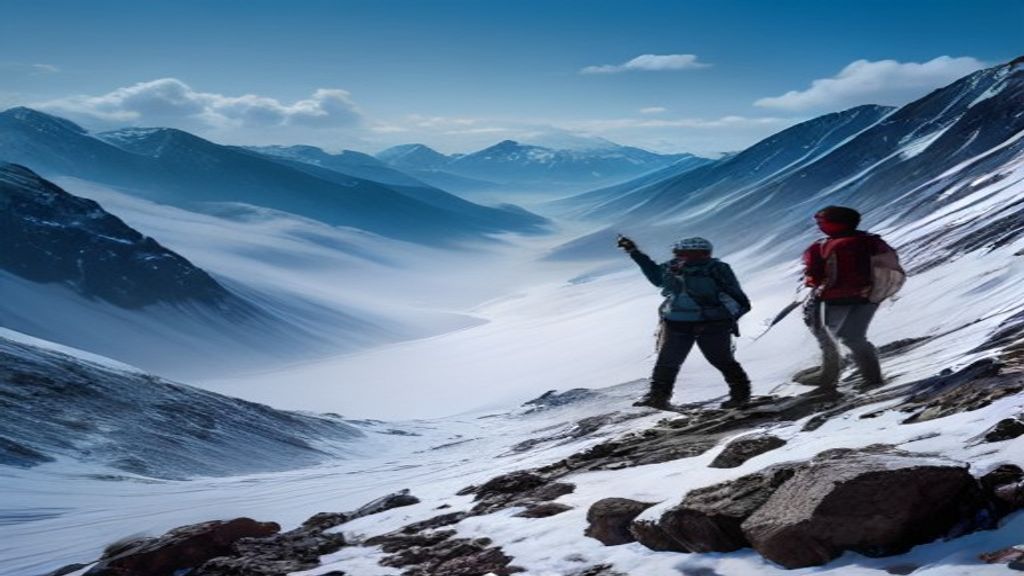
- Weather Precautions: Himalayan weather remains notoriously unpredictable, with conditions changing within hours. August 2026 trekking guidelines mandate carrying waterproof jackets with sealed seams, rain covers for backpacks, and waterproof trekking pants. Thermal layering systems including moisture-wicking base layers, insulating mid-layers, and windproof outer shells are essential. Sudden snowfall can occur even in September, requiring gaiters and potentially microspikes for safe movement.
- Altitude Sickness Prevention: Acute Mountain Sickness affects 30 to 40 percent of trekkers at elevations above 4,000 meters. Critical prevention measures include gradual ascent profiles, staying hydrated with 4 to 5 liters of water daily, avoiding alcohol and sleeping medications, and recognizing early symptoms. Headaches, nausea, dizziness, and loss of appetite signal mild AMS, requiring rest and possibly descent. Severe symptoms including confusion, inability to walk straight, or fluid in lungs demand immediate evacuation to lower elevations.
- Emergency Contacts: Trekkers must register with the Uttarakhand Disaster Management Authority before departing. Emergency helicopter evacuation services operate from Joshimath and Dehradun, with response times ranging from 2 to 6 hours depending on weather. Travel insurance covering high-altitude trekking up to 6,000 meters is mandatory as of 2026, with policies specifically including helicopter rescue coverage which can cost ₹3 to 5 lakhs without insurance.
- Medical Preparedness: Comprehensive first aid kits should include altitude sickness medications like Acetazolamide, pain relievers, anti-diarrheal medications, blister treatment supplies, and personal prescription medications in quantities exceeding trek duration. Many trekking companies now deploy paramedics trained in wilderness medicine on larger expeditions.
- Physical Fitness Requirements: Prospective trekkers should comfortably complete 10-kilometer hikes with 800-meter elevation gains while carrying 8 to 10-kilogram backpacks before attempting Roopkund. Cardiovascular fitness equivalent to running 5 kilometers in under 35 minutes provides a baseline indicator of trek readiness.
Cultural and Environmental Considerations
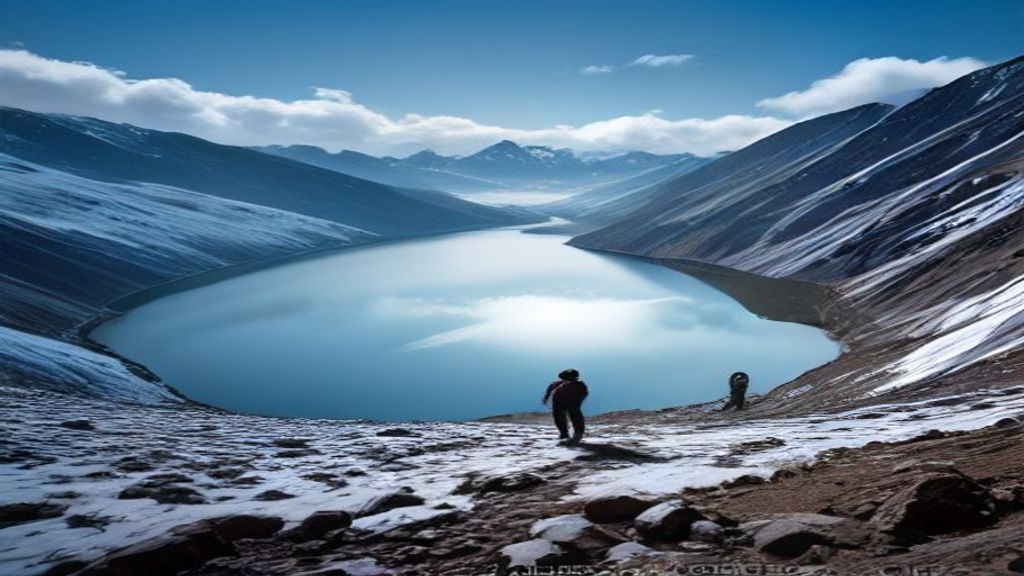
The Roopkund region holds deep spiritual significance for local Garhwali communities who view the surrounding peaks, particularly Nanda Devi, as manifestations of the goddess. The Nanda Devi Raj Jat pilgrimage, occurring every 12 years with the most recent in 2025, brings thousands of devotees through portions of this route. Trekkers should respect religious sites, avoid disturbing prayer flags, and seek permission before photographing local people or religious ceremonies.
Environmental pressures from increased trekking traffic have prompted conservation measures. The bugyals serve as critical summer grazing lands for local shepherds, and trampling by trekkers damages delicate alpine vegetation that requires decades to regenerate. Designated trails must be followed strictly, with shortcuts prohibited. Campfires are banned throughout the route, with kerosene or gas stoves required for cooking.
Wildlife in the region includes Himalayan black bears, leopards, musk deer, and numerous bird species. Trekkers should maintain safe distances, store food securely, and avoid surprising animals on narrow trail sections. The Nanda Devi Biosphere Reserve’s conservation status means strict regulations govern human activity, with violations potentially resulting in trek cancellation and legal penalties.
Practical Logistics and Costs
As of August 2026, organized Roopkund trek packages from reputable operators range from ₹18,000 to ₹28,000 per person for the standard 8-day itinerary. This typically includes permits, guide and porter services, camping equipment, meals from dinner on day one through breakfast on the final day, and transportation from Kathgodam to Lohajung and back. Personal gear rental including sleeping bags, trekking poles, and backpacks adds ₹3,000 to ₹5,000 to total costs.
Independent trekking without organized groups is not permitted under current regulations, ensuring all expeditions include experienced guides familiar with emergency protocols. Budget operators offer basic services while premium packages include larger support staff ratios, better equipment quality, and enhanced meal options.
Reaching Kathgodam requires overnight train travel from Delhi, with the Ranikhet Express being the most convenient option. From Kathgodam, shared taxis and private vehicles cover the 210-kilometer journey to Lohajung, taking approximately 10 hours on mountain roads. Some operators arrange direct charter buses from Delhi to Lohajung, though the 500-kilometer journey exceeds 16 hours.
Conclusion
The Roopkund Trek represents far more than a physical challenge through spectacular Himalayan landscapes. It offers a profound intersection of natural beauty, archaeological mystery, and cultural immersion that few adventures can match. The skeletal remains resting at 5,029 meters continue revealing secrets about ancient human movement, pilgrimage traditions, and the unforgiving power of high-altitude weather phenomena. For trekkers in August 2026, this expedition demands respect for the environment, thorough preparation, and acknowledgment of both physical limitations and the mountain’s unpredictable nature. Those who approach Roopkund with proper planning, fitness, and humility discover not just a destination but a transformative journey that connects past and present in one of Earth’s most dramatic settings. The mystery lake expedition challenges adventurers to push boundaries while honoring the sacred landscape and the stories embedded in its frozen waters.
Related Content & Internal Resources
References & External Citations
- Wikipedia Reference: Roopkund Trek: The Mystery Lake Expedition — Wikipedia
- Official Reference Documentation — Official Reference
Written by Senior Travel Consultant & Chardham Specialist
Anaya Sharma is a seasoned travel consultant with over 15 years of experience focusing on Uttarakhand’s rich cultural and natural landscapes. Specializing in the Chardham Yatra and Himalayan treks, Anaya holds a Master’s degree in Eco-Tourism from the University of Delhi. Her extensive fieldwork includes mapping less-trodden paths and collaborating with local communities for sustainable travel. As a published author in ‘The Himalayan Travel Journal,’ Anaya is committed to providing insightful and ethical travel guidance. She regularly contributes her expertise to the ‘Travel’ website, ensuring that travelers receive authentic and culturally respectful information about Uttarakhand’s treasures.