Celebrating Holi in Dehradun: A Vibrant Experience
Dehradun transforms into a spectacular canvas of colors, music, and joyous celebration during Holi, India’s most exuberant spring festival. The capital city of Uttarakhand has emerged as a premier destination for experiencing this ancient festival in its most authentic and environmentally conscious form. As of August 2026, Dehradun’s Holi celebrations represent a perfect synthesis of traditional Himalayan culture and modern sustainability practices, drawing visitors from across India and international travelers seeking genuine cultural immersion.
Introduction to Holi in Dehradun
Dehradun, nestled in the picturesque region of Uttarakhand at an elevation of approximately 640 meters in the Doon Valley, offers a unique and vibrant celebration of Holi, attracting locals and tourists alike. Known for its lively spirit and cultural richness, the city provides an unforgettable experience for Holi enthusiasts. The celebration here differs significantly from metropolitan celebrations, retaining deep-rooted connections to Kumaoni and Garhwali traditions while embracing contemporary environmental consciousness.
The festival typically falls in March, marking the arrival of spring and the triumph of good over evil. In Dehradun, Holi preparations begin weeks in advance, with local markets brimming with organic color powders, traditional sweets, and festive decorations. The city’s unique geographical position between the Himalayas and the plains creates a mild, pleasant climate during Holi season, making outdoor celebrations particularly enjoyable. The festival serves as a cultural bridge, bringing together the city’s diverse population including local Garhwali communities, settlers from other Indian states, and international visitors studying at institutions like the Forest Research Institute and Indian Military Academy.
Key Festivities and Traditions
Dehradun’s Holi celebrations are characterized by distinctive traditions that reflect Uttarakhand’s rich cultural heritage and the city’s evolving environmental awareness.
- Community Events: Numerous local communities organize Holi events featuring traditional music and dance. Visitors can join these gatherings to enjoy authentic folk music such as Garhwali and Kumaoni songs. These community events typically begin with the ceremonial Holika Dahan bonfire on the evening before the main color festival, where residents gather in neighborhood parks and temple courtyards. The folk performances include the traditional Barada Nati dance and Jhumeila songs, performed by local artists wearing traditional attire. In 2026, over 200 registered community events are scheduled across Dehradun’s various localities, from Patel Nagar to Clement Town.
- Food and Delicacies: Special Holi treats like gujiya and thandai are popular in Dehradun. The city’s vibrant food culture offers a delightful taste of these festive sweets. Local specialty shops and home kitchens produce thousands of gujiyas, crescent-shaped pastries filled with khoya and dried fruits, during the Holi season. Thandai, a chilled beverage made with milk, nuts, and aromatic spices, is served throughout the celebrations. Additionally, Dehradun offers regional specialties like bal mithai and singal, adding a distinctive Kumaoni flavor to the festivities. The Paltan Bazaar area becomes a food lover’s paradise, with vendors selling traditional Holi delicacies alongside modern fusion treats that incorporate local ingredients like Himalayan hemp seeds and rhododendron essence.
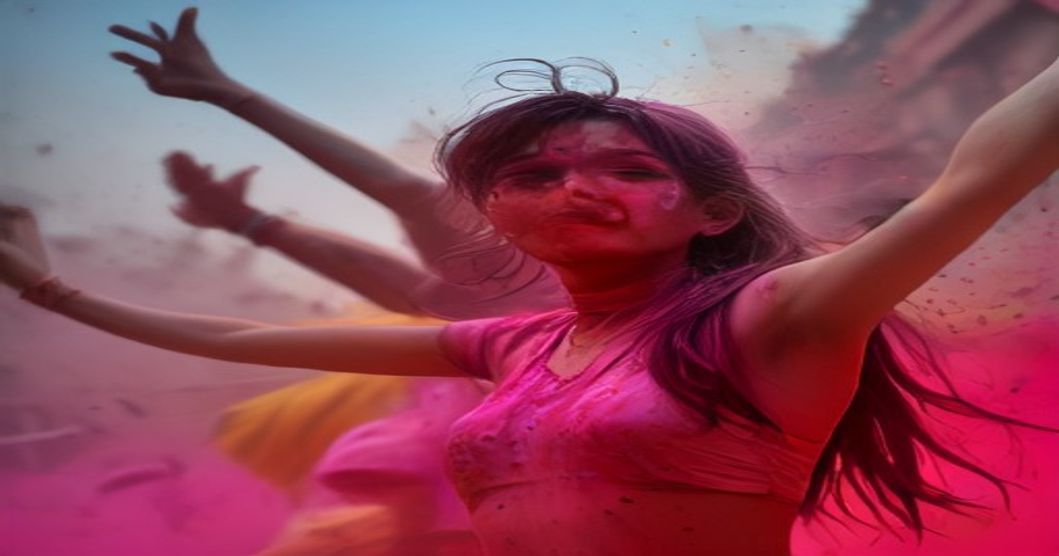
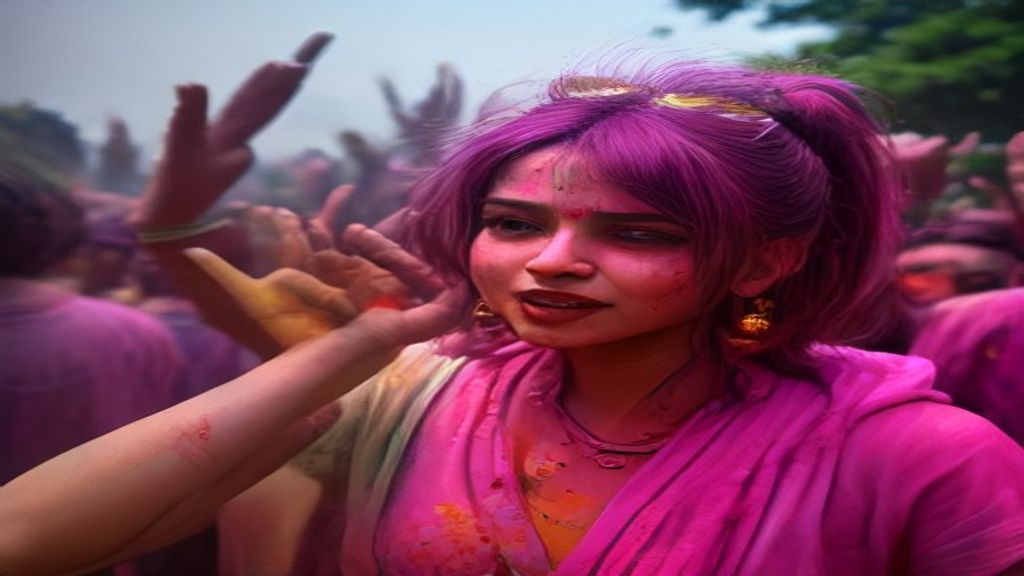
- Color Play: Dehradun’s streets come alive with colors as people of all ages engage in playful splashes of organic powders, emphasizing eco-friendly celebrations in 2026. The shift toward organic, plant-based colors has accelerated dramatically, with local manufacturers producing gulal from flowers, turmeric, beetroot, and other natural sources. Children run through the streets with water guns filled with colored water, while adults exchange traditional greetings and apply tilak on foreheads. The celebration maintains a respectful atmosphere, with designated safe zones for those who prefer observing rather than participating in the color play.
The Cultural Significance of Holika Dahan
The evening before the main Holi celebration, Dehradun residents gather for Holika Dahan, the ritual bonfire that symbolizes the burning of evil and the victory of devotion. Major bonfires are lit at prominent locations including the Clock Tower area, Parade Ground, and various residential colonies. Families bring wheat stalks and coconuts to offer to the fire, and priests conduct traditional ceremonies reciting verses from Hindu scriptures. The largest Holika Dahan in Dehradun attracts over 5,000 participants annually, creating a powerful communal experience that reinforces social bonds and cultural continuity.
Current Trends and Statistics
The evolution of Holi celebrations in Dehradun reflects broader shifts in tourist preferences and environmental consciousness across India.
- Tourism Growth: As of 2026, Dehradun has seen a 15% increase in tourist arrivals during the Holi season compared to prior years, attributed to enhanced tourism campaigns focusing on regional cultures. The Uttarakhand Tourism Development Board reported that approximately 45,000 tourists visited Dehradun specifically for Holi celebrations in March 2026, contributing an estimated 180 million rupees to the local economy. This growth has been driven by targeted digital marketing campaigns highlighting authentic cultural experiences and the city’s reputation for safe, family-friendly celebrations. Hotel occupancy rates during the Holi weekend reached 92% in 2026, with many properties fully booked three months in advance.
- Sustainability Initiatives: The 2026 celebrations emphasize sustainability, with over 70% of the events using biodegradable colors and eco-friendly materials. The Dehradun Municipal Corporation partnered with environmental organizations to certify color manufacturers and distribute over 12,000 kilograms of organic gulal at subsidized rates. Water conservation measures were implemented at public celebration venues, with recycling systems reducing freshwater consumption by approximately 40% compared to traditional celebrations. Additionally, single-use plastic was banned at all registered Holi events, with organizers required to provide biodegradable plates and cups for food service.
Experiencing Holi at Popular Spots
Dehradun offers diverse venues for Holi celebrations, each providing unique experiences suited to different preferences and age groups.
- Rajpur Road: A hub for modern and traditional Holi parties, Rajpur Road hosts lively gatherings that blend contemporary music with traditional Holi festivities. The upscale restaurants, cafes, and hotels along this popular stretch organize ticketed events featuring professional DJs, live bands performing Bollywood hits and traditional folk music, and elaborate food spreads. These events typically charge between 500 to 2,000 rupees per person and attract a younger, urban crowd. Safety measures at Rajpur Road events include security personnel, medical staff on standby, and designated zones for different intensity levels of color play. The area’s proximity to luxury resorts also makes it convenient for tourists staying in premium accommodations.
- Sahastradhara: Known for its scenic beauty, Sahastradhara provides a serene backdrop for Holi celebrations, attracting those looking for both nature and festivity. Located approximately 14 kilometers from the city center, this area features natural sulfur springs believed to have therapeutic properties. Families often combine Holi celebrations with nature walks and picnics near the waterfalls. The Sahastradhara area hosts eco-conscious Holi events where participants use flower petals instead of powder colors and engage in nature appreciation activities. The Forest Department restricts the use of synthetic colors in this ecologically sensitive zone, making it ideal for environmentally aware celebrants. In 2026, special shuttle services were introduced to transport visitors to Sahastradhara during the Holi weekend, reducing vehicular congestion and carbon emissions.
Additional Celebration Venues Worth Exploring
Beyond the main hotspots, Dehradun offers several other venues that provide distinctive Holi experiences. The Mindrolling Monastery in Clement Town hosts an interfaith Holi celebration that attracts Buddhist monks, local residents, and international visitors, emphasizing harmony and spiritual joy. The Forest Research Institute campus, with its colonial architecture and expansive grounds, organizes a refined celebration focused on cultural performances and traditional rituals rather than intensive color play. For adventure enthusiasts, some tour operators offer Holi trekking experiences in nearby hill stations like Mussoorie and Dhanaulti, combining festival celebrations with mountain exploration.
Preparing for Your Holi Experience in Dehradun
Successful participation in Dehradun’s Holi festivities requires thoughtful preparation. Visitors should wear white or light-colored cotton clothing that they don’t mind getting permanently stained, as organic colors may not completely wash out. Applying coconut or mustard oil to exposed skin and hair before joining celebrations creates a protective barrier that makes color removal easier. Bringing a change of clothes and keeping valuables in waterproof bags prevents damage to electronics and important documents. Many hotels offer special Holi packages that include pre-celebration oil massages, color-resistant amenities, and post-celebration cleanup facilities.
Safety and Travel Tips
Ensuring a safe and enjoyable Holi experience requires awareness of both logistical and personal safety considerations.
- Transportation: Opt for public transport or organized tours to navigate the crowded streets safely during Holi. The Dehradun city bus service operates special routes during the festival, with increased frequency on main celebration corridors. Auto-rickshaws and app-based cab services remain available but may charge premium rates and experience delays due to road closures in celebration zones. Many hotels and tour operators offer shuttle services to major Holi venues, eliminating navigation challenges. Visitors driving personal vehicles should note that several roads near popular celebration areas are closed to traffic from morning until late afternoon on Holi day. Parking facilities fill quickly, so arriving early or using designated park-and-ride locations is advisable.
- Personal Safety: Use organic colors to prevent skin and environmental damage. Protective eyewear is recommended during color play. Even natural colors can cause eye irritation, so wearing sunglasses or clear protective glasses significantly reduces risk. Individuals with sensitive skin should conduct patch tests with colors before full application and consider staying in designated low-intensity zones. Staying hydrated is crucial, as outdoor celebrations in March can be warm, and the excitement often causes people to forget drinking water. Avoiding alcohol during color play maintains coordination and judgment, preventing accidents. Women travelers should stay in groups and choose reputable, organized events rather than spontaneous street celebrations. The Dehradun police establish help desks at major celebration venues, and the emergency number 112 connects to rapid response services.
Health Considerations and Post-Celebration Care
After Holi celebrations conclude, proper skincare and health practices prevent common issues. Using gram flour paste, lemon juice, or specialized color-removal products helps cleanse skin without harsh scrubbing that causes irritation. Hair should be treated with oil-based cleansers before shampooing to remove color particles effectively. Moisturizing skin generously after bathing prevents dryness caused by color exposure. If skin reactions occur despite using organic colors, local pharmacies stock antihistamine creams and soothing lotions. Drinking plenty of water and consuming light meals helps the body recover from the physical exertion of celebration. Several spas in Dehradun offer post-Holi rejuvenation packages including deep-cleansing facials and hair treatments specifically designed to address color-related issues.
Photographic Opportunities and Memory Making
Dehradun’s Holi celebrations provide extraordinary photographic opportunities, from candid street moments to carefully composed portraits against mountain backdrops. Professional photographers offer services at major events, capturing high-quality images that participants can purchase. Smartphone users should protect their devices with waterproof cases, as water and color powder pose significant damage risks. The golden hour before sunset creates particularly stunning lighting for Holi photographs, with colored powder particles creating atmospheric effects. Many visitors create social media content documenting their experiences, contributing to Dehradun’s growing reputation as a premier Holi destination. Respecting privacy and obtaining permission before photographing individuals maintains ethical standards and cultural sensitivity.
Economic Impact and Community Benefits
The surge in Holi tourism has generated substantial economic benefits for Dehradun’s residents. Local artisans producing organic colors have seen income increases of approximately 30% compared to pre-2024 levels, as demand for sustainable products grows. Small businesses including street food vendors, flower sellers, and costume rental shops experience their highest revenues during the Holi season. The employment generated extends to temporary workers hired by hotels, event management companies, and transportation services. This economic activity has incentivized preservation of traditional celebration methods, as authenticity becomes a marketable asset. The municipal government allocates a portion of tourism revenues to cultural preservation programs and environmental cleanup initiatives, creating a sustainable cycle that benefits both residents and visitors.
Cultural Exchange and Global Recognition
Dehradun’s Holi celebrations have gained international recognition, with travel publications and cultural documentaries featuring the city’s unique approach to festival organization. International tourists from countries including the United States, United Kingdom, Germany, Australia, and Japan comprise approximately 8% of Holi visitors in 2026, bringing cross-cultural perspectives to the celebrations. Educational institutions in Dehradun organize cultural exchange programs where international students participate in traditional Holi rituals and share festival traditions from their own cultures. This global dimension enriches local celebrations while promoting Dehradun as a destination for meaningful cultural tourism rather than superficial festival tourism.
Future Outlook and Evolving Traditions
Looking beyond 2026, Dehradun’s Holi celebrations are poised for continued evolution balancing tradition and innovation. City planners are developing dedicated festival zones with permanent infrastructure including water recycling systems, shade structures, and performance stages. Technology integration such as mobile apps for event discovery, safety alerts, and color ingredient verification is enhancing visitor experiences. Youth organizations are innovating new celebration formats that maintain cultural essence while appealing to contemporary sensibilities. The commitment to sustainability continues deepening, with goals to achieve completely zero-waste Holi celebrations by 2028. As climate awareness grows, Dehradun’s model of eco-conscious festivity positions the city as a leader in sustainable cultural tourism, demonstrating that environmental responsibility and joyous celebration can coexist harmoniously.
Related Content & Internal Resources
References & External Citations
- Wikipedia Reference: Celebrating Holi in Dehradun: A Vibrant Experience — Wikipedia
- Official Reference Documentation — Official Reference
Written by Senior Travel Consultant & Chardham Specialist
Anaya Sharma is a seasoned travel consultant with over 15 years of experience focusing on Uttarakhand’s rich cultural and natural landscapes. Specializing in the Chardham Yatra and Himalayan treks, Anaya holds a Master’s degree in Eco-Tourism from the University of Delhi. Her extensive fieldwork includes mapping less-trodden paths and collaborating with local communities for sustainable travel. As a published author in ‘The Himalayan Travel Journal,’ Anaya is committed to providing insightful and ethical travel guidance. She regularly contributes her expertise to the ‘Travel’ website, ensuring that travelers receive authentic and culturally respectful information about Uttarakhand’s treasures.