
International Yoga Day in Rishikesh 2026
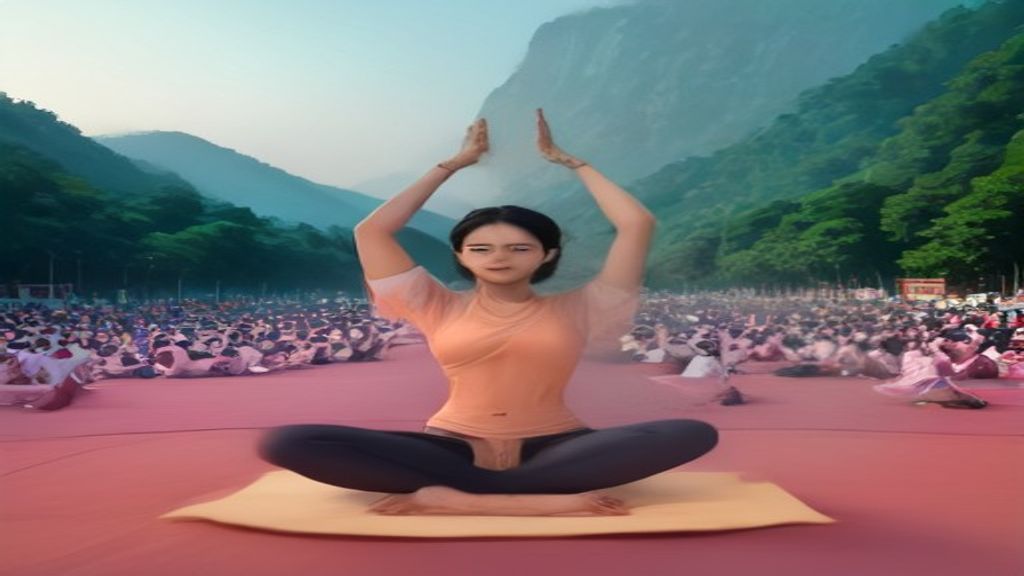
International Yoga Day, celebrated on June 21st, is a significant event in Rishikesh, renowned as the “Yoga Capital of the World.” In 2026, the city’s celebrations drew attention worldwide, with participation from both locals and international visitors. Rishikesh offers a unique blend of spiritual ambiance and natural beauty that makes it a prime destination for this event. Nestled in the foothills of the Himalayas along the sacred Ganges River, Rishikesh has served as a pilgrimage site for seekers and practitioners for centuries, and its International Yoga Day festivities showcase this living tradition at its finest.
Key Highlights of 2026 Celebrations
- Participants: Approximately 30,000 people, including tourists and yoga enthusiasts from 45 countries, attended the celebrations in Rishikesh.
- Venues: Prominent events were held at Triveni Ghat, Parmarth Niketan Ashram, and Laxman Jhula.
- Workshops and Classes: Over 100 workshops on diverse yoga styles, including Ashtanga, Hatha, and Kundalini, were conducted.
- Special Guests: Internationally acclaimed yoga teachers and gurus participated, offering sessions and speeches.
The 2026 celebrations marked the 12th anniversary of International Yoga Day since its establishment by the United Nations in 2014. This year’s theme, “Yoga for Global Harmony,” resonated particularly well in Rishikesh, where practitioners from diverse backgrounds gathered in shared purpose. The sunrise session at Triveni Ghat alone attracted over 8,000 participants who practiced synchronized asanas along the riverbank as the first light touched the Himalayan peaks.
Parmarth Niketan Ashram, one of the largest ashrams in Rishikesh, hosted the primary organized events throughout the week leading up to June 21st. The ashram’s sprawling grounds accommodated massive group sessions, meditation circles, and educational seminars that explored yoga’s philosophical foundations alongside its physical practices. Distinguished guests included several Padma Shri awardees in the field of yoga, international wellness influencers, and representatives from yoga associations across Europe, North America, Asia, and Australia.
Statistics and Trends
- Growth in Tourism: Since 2015, there has been a 40% increase in international tourists visiting Rishikesh specifically for yoga retreats and International Yoga Day events.
- Economic Impact: The 2026 celebrations contributed approximately $5 million to the local economy through tourism and related activities.
- Social Media Engagement: The hashtag #YogaDayRishikesh generated over 500,000 mentions across social media platforms, enhancing global engagement.
Beyond these core metrics, additional data from the 2026 celebrations reveals the expanding influence of Rishikesh as a global yoga hub. Hotel occupancy rates in Rishikesh reached 95% during the June 15-25 period, with many establishments fully booked three months in advance. The Uttarakhand Tourism Development Board reported that yoga tourism now accounts for approximately 35% of all tourist visits to Rishikesh, up from just 22% in 2020.
The economic ripple effects extended far beyond accommodation. Local restaurants reported a 60% increase in patronage during the celebration week, with many offering specialized sattvic meal packages designed for yoga practitioners. Transportation services, including taxi operators and river rafting companies, experienced similar surges. Yoga merchandise vendors at markets near Ram Jhula and Laxman Jhula saw sales triple compared to typical June figures, with yoga mats, meditation cushions, spiritual books, and traditional Indian clothing among the most popular items.
Digital engagement metrics demonstrate yoga’s growing online presence. Live streams of the main Triveni Ghat event on June 21st attracted 2.3 million viewers globally, broadcast across platforms including YouTube, Instagram Live, and Facebook. Attendees shared over 120,000 photographs and videos throughout the week, creating substantial user-generated content that amplified Rishikesh’s visibility as a wellness destination. Travel review platforms registered a 180% spike in Rishikesh-related searches during June 2026 compared to June 2025.
Diverse Workshop Programming and Educational Offerings
The 100-plus workshops offered during the 2026 celebrations catered to practitioners at every skill level, from complete beginners taking their first steps on the yoga path to advanced practitioners exploring subtle energy work and meditation techniques. Morning sessions typically focused on traditional Hatha yoga and pranayama breathing exercises, capitalizing on the cool, fresh air and peaceful atmosphere of early dawn along the Ganges.
Afternoon workshops explored specialized styles and contemporary adaptations. Vinyasa flow classes attracted younger participants seeking dynamic movement practices, while restorative yoga sessions provided therapeutic approaches for stress relief and healing. Several workshops specifically addressed yoga for specific populations, including prenatal yoga, yoga for seniors, and adaptive yoga for individuals with physical limitations or disabilities.
Kundalini yoga sessions led by experienced practitioners from the Himalayan tradition introduced participants to mantra chanting, kriya techniques, and chakra meditation. These sessions often began with theoretical discussions of yogic philosophy drawn from classical texts like the Yoga Sutras of Patanjali and the Hatha Yoga Pradipika, grounding physical practice in intellectual understanding.
Specialized workshops also covered yoga therapy applications, Ayurvedic principles as they relate to yoga practice, yogic diet and nutrition, and the integration of yoga with other wellness modalities. Several sessions explored the intersection of modern neuroscience research and ancient yoga wisdom, demonstrating how contemporary scientific understanding validates traditional practices related to stress reduction, neuroplasticity, and mental health.
Cultural Programming and Spiritual Ceremonies
Beyond asana practice, the 2026 celebrations incorporated rich cultural programming that honored Rishikesh’s spiritual heritage. Daily Ganga Aarti ceremonies at Triveni Ghat and Parmarth Niketan drew thousands of observers who participated in this ancient ritual of offering light to the sacred river. The evening aarti on June 21st was particularly spectacular, with over 15,000 people gathering as priests performed elaborate ceremonies accompanied by devotional music and chanting.
Kirtan and bhajan singing sessions created opportunities for devotional expression through music. These participatory musical gatherings featured traditional instruments including harmonium, tabla, and cymbals, with attendees joining in call-and-response chanting of mantras and spiritual songs. Such sessions often continued late into the evening, fostering a sense of community and shared spiritual experience among diverse participants.
Several ashrams organized satsangs, spiritual discourses where senior teachers addressed philosophical topics and answered questions about yoga practice and spiritual life. These sessions covered subjects ranging from karma and dharma to practical guidance on establishing a home practice and integrating yogic principles into daily life in the modern world.
Local and Cultural Significance
Rishikesh holds a deep cultural connection with yoga and spirituality. The city’s ashrams and centers play a crucial role in keeping the traditional practices alive while embracing modern adaptations. These celebrations not only support cultural exchange but also elevate community spirit and awareness.
The city’s identity as a yoga center traces back centuries, with references to Rishikesh as a tapobhumi, a land of spiritual practices, appearing in ancient texts. Modern yoga history was significantly shaped here when the Beatles visited Maharishi Mahesh Yogi’s ashram in 1968, catalyzing Western interest in Indian spiritual practices. Today, over 200 registered yoga schools operate in Rishikesh, many offering internationally recognized teacher training certifications.
Local residents have embraced their city’s role as a global yoga destination while working to preserve authentic traditions. Many Rishikesh natives work as yoga teachers, ashram administrators, or in tourism services supporting wellness travelers. The municipal government has implemented policies to maintain the city’s spiritual character, including alcohol prohibition and restrictions on non-vegetarian food in central areas.
Community organizations in Rishikesh actively promote yoga education in local schools and sponsor free classes for economically disadvantaged residents. The International Yoga Day celebrations include outreach programs that bring yoga instruction to nearby villages, expanding access beyond tourist-focused commercial centers. These initiatives ensure that local communities benefit directly from Rishikesh’s international yoga prominence.
Environmental and Sustainability Initiatives
The 2026 International Yoga Day celebrations incorporated significant sustainability measures, reflecting growing awareness of environmental responsibility within the yoga community. Organizers implemented comprehensive waste management protocols, including mandatory composting of food waste and prohibition of single-use plastics at official events. Volunteers distributed over 10,000 reusable water bottles to participants, and water refill stations were established at all major venues.
Several environmental cleanup drives were organized along the Ganges riverbanks, with yoga participants volunteering to remove litter and debris. These activities aligned yoga’s emphasis on ahimsa, non-harming, with practical ecological action. Educational workshops addressed sustainable living practices, including zero-waste lifestyles, ethical consumption, and environmental activism as spiritual practice.
Transportation initiatives encouraged participants to minimize carbon footprints by promoting shared shuttle services and bicycle rentals for moving between venues. The Uttarakhand government announced plans for expanded electric vehicle infrastructure in Rishikesh to support sustainable tourism growth in coming years.
Looking Forward: The Future of Yoga Tourism in Rishikesh
The success of the 2026 International Yoga Day celebrations positions Rishikesh for continued growth as a premier global wellness destination. Industry analysts project that yoga tourism to Rishikesh will increase by another 25% between 2026 and 2028, driven by rising global interest in holistic health, mental wellness, and authentic spiritual experiences.
Infrastructure development plans include expansion of the Jolly Grant Airport to accommodate increased international traffic, construction of additional eco-friendly accommodation facilities, and enhancement of digital connectivity to support remote workers seeking extended stays in yoga retreat settings. These developments aim to balance tourism growth with preservation of Rishikesh’s natural environment and spiritual atmosphere.
Educational institutions are developing advanced yoga research programs, positioning Rishikesh as not only a practice center but also a hub for scholarly study of yoga’s therapeutic applications, historical development, and cultural significance. Collaborations between Indian institutions and international universities are creating opportunities for cross-cultural yoga scholarship and evidence-based research into yoga’s health benefits.
Practical Information for Future Participants
Those planning to attend future International Yoga Day celebrations in Rishikesh should book accommodation well in advance, ideally four to six months before June 21st. While numerous hotels and guesthouses serve various budgets, ashram stays offer affordable options with authentic spiritual atmosphere. Most ashrams provide simple, clean accommodations and vegetarian meals as part of residential programs.
Participants should prepare for warm weather in June, with temperatures typically ranging from 25 to 38 degrees Celsius. Lightweight, modest clothing suitable for yoga practice is recommended, along with sun protection and reusable water bottles. While many workshops are free, some specialized sessions and teacher training programs require advance registration and fees.
Rishikesh is accessible via Delhi, located approximately 240 kilometers away. The journey by road takes five to six hours, with regular bus services and private taxi options available. The nearest airport, Jolly Grant in Dehradun, is 35 kilometers from Rishikesh and offers domestic flight connections.
International Yoga Day in Rishikesh continues to foster a global community of wellness and peace lovers, promoting the benefits of yoga far and wide. The 2026 celebrations demonstrated yoga’s power to unite diverse people in shared practice, transcending cultural boundaries while honoring ancient traditions in a sacred landscape that has inspired seekers for millennia.
Related Content & Internal Resources
References & External Citations
- Wikipedia Reference: International Yoga Day: Celebrations in Rishikesh — Wikipedia
- Official Reference Documentation — Official Reference
Written by Senior Travel Consultant & Chardham Specialist
Anaya Sharma is a seasoned travel consultant with over 15 years of experience focusing on Uttarakhand’s rich cultural and natural landscapes. Specializing in the Chardham Yatra and Himalayan treks, Anaya holds a Master’s degree in Eco-Tourism from the University of Delhi. Her extensive fieldwork includes mapping less-trodden paths and collaborating with local communities for sustainable travel. As a published author in ‘The Himalayan Travel Journal,’ Anaya is committed to providing insightful and ethical travel guidance. She regularly contributes her expertise to the ‘Travel’ website, ensuring that travelers receive authentic and culturally respectful information about Uttarakhand’s treasures.