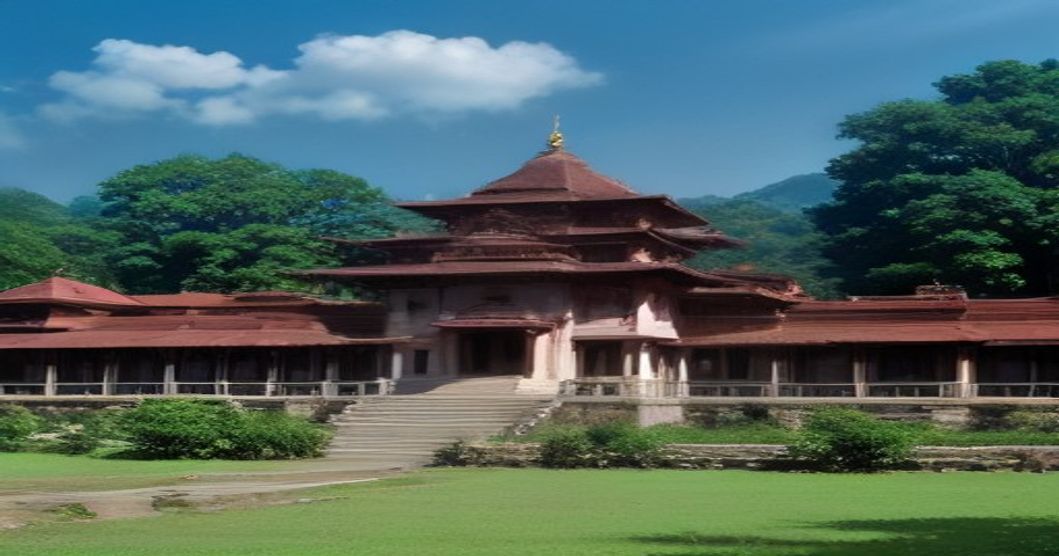
Overview of Dehradun Temples and Spiritual Sites
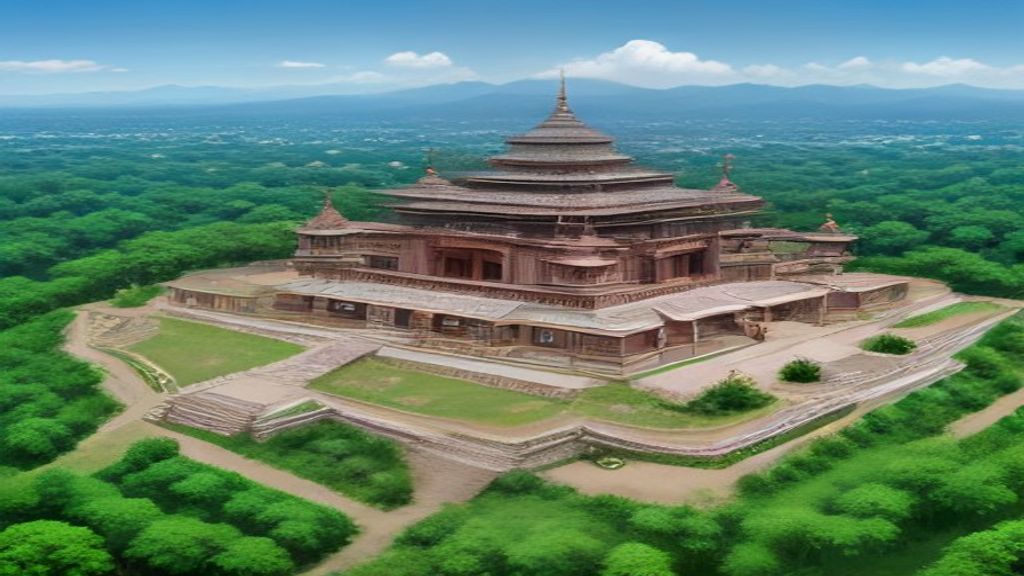
Dehradun, nestled in the picturesque Himalayan foothills of Uttarakhand, serves as a profound center for spiritual seekers and devotees from across India and beyond. In August 2026, this gateway city to the higher Himalayas maintains its reputation as a sacred destination where ancient Hindu traditions intersect with vibrant Buddhist heritage. The city’s temples and spiritual sites offer more than architectural beauty—they provide living spaces for meditation, worship, and cultural continuity that have endured for centuries.
The spiritual landscape of Dehradun reflects the broader religious diversity of Uttarakhand, known traditionally as Dev Bhoomi or the Land of Gods. From cave temples carved into limestone hills to elaborate Buddhist monasteries adorned with golden stupas, Dehradun’s sacred sites cater to devotees of multiple faiths while preserving their distinct identities. The city’s elevation of approximately 640 meters above sea level, combined with its position along the Doon Valley between the Himalayan and Shivalik ranges, creates a naturally conducive environment for contemplation and spiritual practice.
As of August 2026, Dehradun’s spiritual tourism infrastructure has expanded significantly to accommodate growing visitor numbers while maintaining the sanctity and authenticity of its religious sites. The Uttarakhand Tourism Development Board has implemented digital pilgrimage tracking systems and enhanced connectivity to remote temples, making spiritual journeys more accessible without compromising traditional values.
Key Temples in Dehradun
Dehradun’s temple landscape encompasses diverse architectural styles and religious traditions, each with unique historical narratives and spiritual significance.
Tapkeshwar Temple remains one of Dehradun’s most visited spiritual destinations in 2026. Dedicated to Lord Shiva, this ancient cave temple is located approximately 6.5 kilometers from the city center along the banks of the seasonal Asan River. The temple’s defining feature is the natural dripping of water from the cave ceiling directly onto the Shiva lingam, creating a perpetual abhishekam or ritual bathing. Geologists attribute this phenomenon to the limestone cave’s water filtration system, while devotees view it as divine blessing. The temple complex has undergone controlled expansion in 2026, adding improved pathways and facilities for the elderly while preserving the cave’s natural state. During the monsoon months from July through September, the temple area experiences increased water flow, creating a particularly atmospheric setting for worship.
Mindrolling Monastery stands as one of India’s largest and most architecturally significant Buddhist centers as of 2026. Established in 1965 in the Clement Town area of Dehradun, this monastery belongs to the Nyingma lineage of Tibetan Buddhism. The complex features a 60-meter high Great Stupa, among the tallest in Asia, which houses relics and sacred Buddhist texts. The monastery’s main temple contains a 35-foot high golden Buddha statue surrounded by intricate wall murals depicting Buddhist cosmology and the life of Buddha. In 2026, Mindrolling Monastery operates a comprehensive monastic education program with over 300 resident monks studying Buddhist philosophy, Tibetan language, and traditional arts. The monastery’s Japanese-style gardens provide meditation spaces for visitors, while its bookshop offers authentic Tibetan handicrafts and religious texts. The institution plays a crucial role in preserving Tibetan culture and serves as a major pilgrimage site during Buddhist festivals, particularly Buddha Purnima in May and Losar, the Tibetan New Year.
Santala Devi Temple occupies a commanding hilltop position approximately 3 kilometers from central Dehradun, offering panoramic views of the Doon Valley and surrounding mountain ranges. Dedicated to Goddess Durga in her Santala manifestation, this temple experiences particularly heavy visitation on Saturdays, considered especially auspicious for Devi worship. The temple’s elevated location requires visitors to climb approximately 400 steps, though a motorable road constructed in 2024 now provides alternative access for those with mobility limitations. The temple complex expanded in early 2026 to include improved prasad distribution facilities and rest areas for pilgrims. Local tradition holds that wishes made with sincere devotion at Santala Devi Temple are granted by the goddess, contributing to its popularity among both regular devotees and first-time visitors.
Laxman Siddh Temple connects Dehradun directly to the epic Ramayana narrative. Located approximately 12 kilometers from the city center, this temple marks the site where Lakshmana, the devoted brother of Lord Rama, is believed to have performed penance and meditation. The temple sits on the banks of a small stream, and the surrounding area retains a relatively undeveloped, forested character that enhances its meditative atmosphere. Archaeological surveys conducted in 2025 identified stone structures near the temple dating to approximately the 8th century CE, though local tradition places the site’s spiritual significance much earlier. The temple sees increased pilgrim traffic during Ramnavami and Dussehra festivals when devotees trace the footsteps of Ramayana characters through various Uttarakhand locations.
Additional Spiritual Sites of Significance
Beyond the four primary temples, Dehradun hosts several other important spiritual destinations. The Tibetan Temple in Rajpur, also known as Sakya Gompa, serves the substantial Tibetan refugee community that settled in Dehradun following the 1959 Tibetan exodus. This monastery features distinctive Tibetan architectural elements and hosts annual masked dance performances during religious festivals.
Chandrabani Temple, located approximately 12 kilometers southwest of Dehradun, is dedicated to Goddess Chandrabani and features natural sulfur springs believed to have healing properties. The temple complex underwent significant renovation in 2025-2026, adding facilities for extended stays by devotees seeking therapeutic benefits from the spring waters.
Har Ki Pauri Ghat, while not a temple structure itself, serves as an important riverside spiritual site where devotees perform ritualistic bathing and evening aarti ceremonies along the Song River during specific festival periods.
Religious and Cultural Significance
Dehradun’s temples function as more than isolated worship venues—they serve as integrated cultural heritage sites that preserve traditional art forms, architectural knowledge, and community practices. The temples act as anchors for neighborhood identity, with surrounding communities organizing annual festivals, maintaining temple grounds, and passing down oral histories associated with each site.
In 2026, these sacred sites continue to host major religious festivals that draw substantial regional and national crowds. Mahashivratri celebrations at Tapkeshwar Temple in February-March attract over 100,000 devotees in a single day, with the temple remaining open for continuous worship throughout the night. The festival features traditional Rudra Abhishekam ceremonies, classical music performances, and spiritual discourses by visiting scholars.
Buddha Purnima at Mindrolling Monastery in May transforms the complex into a vibrant center of Buddhist celebration, featuring prayer ceremonies, teachings by senior lamas, butter lamp offerings, and distribution of vegetarian community meals to thousands of participants. The 2026 Buddha Purnima observance included special teachings on environmental conservation in Buddhist philosophy, reflecting growing awareness of ecological challenges.
Navratri celebrations at Santala Devi Temple span nine nights in both spring and autumn, with each night dedicated to different aspects of the Divine Feminine. The temple organizes classical dance performances, bhajan sessions, and elaborate decoration of the deity, creating an immersive devotional atmosphere that attracts both traditional devotees and cultural enthusiasts.
These festivals serve important economic functions for local communities, supporting traditional artisans who create religious items, flower vendors supplying temple offerings, and food vendors providing prasad materials and pilgrim meals. The intergenerational participation in festival preparation helps transmit cultural knowledge and maintains community cohesion in an increasingly urbanized environment.
Visitor Trends and Statistics
Spiritual tourism in Dehradun has experienced robust growth through 2026, reflecting broader national trends toward heritage and wellness travel. As of August 2026, Dehradun registers a 15 percent year-on-year increase in spiritual tourism compared to 2025 figures, with annual visit counts to major temples and monasteries surpassing 2 million visitors. This growth significantly outpaces the general tourism growth rate of approximately 9 percent for Uttarakhand as a whole.
Demographic analysis of temple visitors in 2026 reveals interesting patterns. Approximately 60 percent of visitors are domestic pilgrims from other Indian states, particularly Delhi, Punjab, Haryana, and Uttar Pradesh, drawn by Dehradun’s accessibility via improved road and rail connections. The remaining 40 percent consists of local Uttarakhand residents and a small but growing segment of international visitors, particularly from Buddhist-majority countries visiting Mindrolling Monastery and other Tibetan institutions.
Peak visitation periods align with major festival dates and favorable weather conditions. The months of March through May and September through November see the highest visitor numbers, while monsoon months of July and August experience reduced but still substantial pilgrim traffic. Weekend visits consistently exceed weekday numbers by approximately 40 percent, with Saturday being the most popular day for temple visits across all denominations.
Travel and accommodation costs in Dehradun have increased by approximately 8 percent since 2025, reflecting heightened demand and significant infrastructure improvements. Mid-range hotel accommodations near major temple areas now average between 2,500 and 4,500 rupees per night during peak seasons, while budget guesthouses and dharamshalas offer alternatives ranging from 800 to 1,500 rupees. Transportation costs from Dehradun’s Jolly Grant Airport to city center temples range from 800 to 1,200 rupees via taxi, while the expanded city bus network provides economical options at 20 to 50 rupees per journey.
The Uttarakhand government’s spiritual circuit development initiative, launched in 2025, has improved road connectivity to previously difficult-to-access temples, reducing travel time and increasing visitor capacity. Digital booking systems for accommodation near major temples, introduced in late 2025, have improved visitor planning capabilities and reduced uncertainty during peak pilgrimage seasons.
Sustainable Tourism Practices
In August 2026, sustainable tourism represents a central priority for Dehradun’s temple management authorities and municipal government. The recognition that unmanaged tourism growth threatens the very spiritual ambiance and environmental integrity that attracts visitors has prompted comprehensive sustainability initiatives.
Waste management campaigns implemented across major temple complexes emphasize source separation of organic and inorganic waste, elimination of single-use plastics, and composting of floral offerings. Tapkeshwar Temple introduced a zero-plastic policy in January 2026, requiring all prasad and offerings to use traditional leaf-based or paper packaging. The temple complex now operates a biogas plant that converts organic waste from offerings into cooking fuel for the community kitchen, demonstrating practical circular economy principles.
Vehicle access limitations protect sensitive temple environments from air pollution and congestion. Santala Devi Temple restricts private vehicle access to the hilltop during peak weekend hours, operating an electric shuttle service from designated parking areas. This policy has reduced air pollution around the temple by an estimated 30 percent while improving the pedestrian experience and safety.
Mindrolling Monastery has implemented extensive rainwater harvesting systems and solar power installations, achieving approximately 60 percent energy self-sufficiency as of 2026. The monastery’s waste management system includes wastewater treatment and recycling for garden irrigation, serving as a model for other large religious institutions.
Educational initiatives form a crucial component of sustainable spiritual tourism. Temple authorities conduct regular awareness programs for visitors on respectful conduct, environmental preservation, and cultural sensitivity. Signage in multiple languages guides appropriate behavior, while volunteer programs engage devotees in conservation activities like tree plantation and heritage structure maintenance.
The Dehradun Temple Conservation Trust, established in 2024, coordinates preservation efforts across multiple sites, employing traditional craftspeople for restoration work and documenting architectural features for future reference. The trust’s work ensures that necessary modernization of facilities does not compromise historical authenticity or spiritual character.
Practical Information for Spiritual Travelers
Visitors planning spiritual journeys to Dehradun in 2026 benefit from improved infrastructure and digital resources. Most major temples maintain updated websites and mobile applications providing real-time information on festival schedules, darshan timings, and special ceremonies. Mindrolling Monastery offers virtual tour options for those unable to visit physically, while maintaining traditional in-person teachings and ceremonies.
Dress codes and behavioral expectations vary by temple. Hindu temples generally require modest attire covering shoulders and knees, with shoes removed before entering sanctum areas. Photography restrictions apply in many inner shrine areas. Buddhist monasteries welcome visitors during specified hours but request silence during prayer sessions and restrictions on photography of certain sacred objects.
Accommodation options near temples range from traditional dharamshalas offering basic, donation-based lodging to comfortable hotels with modern amenities. Many temples provide prasad meals to visitors, while surrounding areas host restaurants serving vegetarian cuisine in keeping with the spiritual character of the locations.
The optimal visiting approach involves planning trips around major festivals for immersive cultural experiences, while accepting increased crowds, or selecting weekday visits during non-peak seasons for quieter contemplation. Early morning visits typically offer the most serene atmosphere across all temple types.
Future Directions for Dehradun’s Spiritual Tourism
Looking ahead from August 2026, Dehradun’s spiritual sites face both opportunities and challenges. Continued tourism growth promises economic benefits for local communities and increased resources for temple maintenance and cultural preservation. However, managing this growth sustainably requires ongoing commitment to environmental protection, infrastructure investment, and community engagement.
Proposals under consideration include developing interpretive centers at major temples to provide deeper historical and cultural context, creating designated pilgrimage walking routes connecting multiple sites, and expanding sustainable transport options. The integration of spiritual tourism with Dehradun’s wellness and adventure tourism sectors offers potential for comprehensive visitor experiences that honor the city’s multifaceted identity.
Dehradun’s temples and spiritual sites in 2026 successfully balance tradition and modernity, offering authentic spiritual experiences within frameworks that respect both heritage preservation and contemporary visitor needs. These sacred spaces continue fulfilling their essential religious functions while contributing to cultural continuity, community identity, and sustainable economic development in the Himalayan foothills.
Related Content & Internal Resources
References & External Citations
- Wikipedia Reference: Dehradun Temples and Spiritual Sites — Wikipedia
- Official Reference Documentation — Official Reference
Written by Senior Travel Consultant & Chardham Specialist
Anaya Sharma is a seasoned travel consultant with over 15 years of experience focusing on Uttarakhand’s rich cultural and natural landscapes. Specializing in the Chardham Yatra and Himalayan treks, Anaya holds a Master’s degree in Eco-Tourism from the University of Delhi. Her extensive fieldwork includes mapping less-trodden paths and collaborating with local communities for sustainable travel. As a published author in ‘The Himalayan Travel Journal,’ Anaya is committed to providing insightful and ethical travel guidance. She regularly contributes her expertise to the ‘Travel’ website, ensuring that travelers receive authentic and culturally respectful information about Uttarakhand’s treasures.