How to Reach Yamunotri: Travel Guide
Yamunotri stands at an elevation of 3,293 meters (10,804 feet) in the Garhwal Himalayas of Uttarakhand, marking the western anchor of the sacred Char Dham pilgrimage circuit. The shrine dedicated to Goddess Yamuna attracts approximately 800,000 pilgrims annually, with August 2026 seeing record footfall following infrastructure improvements completed earlier this year. The journey combines modern road connectivity with traditional trekking paths, requiring careful planning for altitude, weather conditions, and seasonal accessibility windows.
Overview of Yamunotri
Yamunotri Temple, situated in the westernmost corner of the Char Dham pilgrimage network, serves as the source of the Yamuna River, India’s second-most sacred river after the Ganges. The temple, originally built by Maharaja Pratap Shah of Tehri Garhwal in the 19th century and reconstructed multiple times after natural disasters, sits in a narrow gorge surrounded by snow-capped peaks including Bandarpoonch (6,316 meters) and Kalind Parvat (6,387 meters).
The pilgrimage site holds profound religious significance for Hindus, who believe that bathing in the thermal springs at Yamunotri and worshipping at the temple absolves sins and prevents untimely death. The hot water springs, particularly Surya Kund where water temperatures reach 190 degrees Fahrenheit (88 degrees Celsius), are used by pilgrims to cook rice and potatoes as offerings to the goddess. Adjacent to Surya Kund lies Gauri Kund, where pilgrims bathe before entering the temple.
The region showcases exceptional biodiversity within the Govind Wildlife Sanctuary and Gangotri National Park boundaries, home to endangered species including snow leopards, Himalayan black bears, and bharal (blue sheep). Dense forests of deodar, oak, and rhododendron cover lower elevations, transitioning to alpine meadows dotted with rare medicinal herbs as altitude increases.
Best Time to Visit
The Yamunotri temple opens annually on Akshaya Tritiya, which fell on May 2, 2026 this year, and closes on Yama Dwitiya (Bhai Dooj), scheduled for November 3, 2026. These dates align with the seasonal accessibility window when weather conditions permit safe travel and the trekking route remains navigable.
May through mid-June represents the prime visiting period, with daytime temperatures ranging from 15 to 20 degrees Celsius (59 to 68 degrees Fahrenheit) and minimal rainfall. The landscape bursts with blooming rhododendrons and alpine wildflowers, creating spectacular photographic opportunities. However, this period also sees peak pilgrim traffic, with weekend visitor counts exceeding 5,000 people.
July and August constitute monsoon season in Uttarakhand, bringing heavy rainfall that frequently triggers landslides along mountain roads. The Uttarakhand State Disaster Management Authority reported 127 significant landslide incidents along Char Dham routes during the 2025 monsoon, prompting enhanced early warning systems installed in March 2026. Despite risks, many pilgrims visit during the traditional Shravan month (July-August) for religious observances.
September through early November offers the most favorable trekking conditions. Post-monsoon skies deliver crystal-clear mountain visibility, moderate temperatures between 10 to 18 degrees Celsius (50 to 64 degrees Fahrenheit), and dramatically reduced crowd levels. October 2026 particularly appeals to photographers and nature enthusiasts seeking pristine Himalayan vistas without summer congestion.
Transportation Options to Yamunotri
Reaching Yamunotri demands multi-modal transportation combining air, rail, and road networks, culminating in a mandatory trek. Planning begins with selecting your entry point into Uttarakhand, followed by ground transportation to the trek starting point at Janki Chatti.
By Air
Jolly Grant Airport in Dehradun, located 210 kilometers from Yamunotri, serves as the primary aviation gateway. The airport underwent significant expansion completed in January 2026, adding a new terminal building and extending the runway to accommodate larger aircraft. Daily flight frequencies from Delhi increased to 18 departures in August 2026, operated by IndiGo, Air India, SpiceJet, and Akasa Air. Mumbai, Bangalore, and Hyderabad maintain direct connections with 3 to 5 weekly flights.
From Jolly Grant Airport, shared taxi services to Yamunotri basecamp towns cost between 4,500 to 6,000 rupees per vehicle (accommodating 4 passengers), with journey times averaging 7 to 8 hours depending on road conditions. Private helicopter services inaugurated in May 2026 offer direct flights from Dehradun’s Sahastradhara helipad to Kharsali (6 kilometers from Yamunotri) for 12,000 rupees per person, reducing travel time to 45 minutes. These helicopter services operate from 6:00 AM to 5:00 PM daily, weather permitting, with advance booking mandatory through the Uttarakhand Tourism Development Board portal.
By Train
Dehradun Railway Station and Rishikesh Railway Station provide the nearest rail connectivity, positioned 200 kilometers and 180 kilometers from Yamunotri respectively. Dehradun station connects to Delhi via the Shatabdi Express (journey time 5 hours 45 minutes), Nanda Devi Express, and Mussoorie Express. The Vande Bharat Express, extended to Dehradun in December 2025, completes the Delhi-Dehradun route in 4 hours 20 minutes with morning and evening departures.
Rishikesh station receives trains from Delhi, Haridwar, Lucknow, and Kolkata. The strategically advantageous Rishikesh position offers shorter road distance to Yamunotri, though mountain highway conditions from Rishikesh can be more challenging than the Dehradun route during monsoon months.
Both stations provide abundant taxi stands, government bus services, and private tour operator pickup points. Shared taxi costs from Dehradun to Janki Chatti range from 600 to 800 rupees per person, while private taxi bookings cost 5,500 to 7,000 rupees for the entire vehicle.
By Road
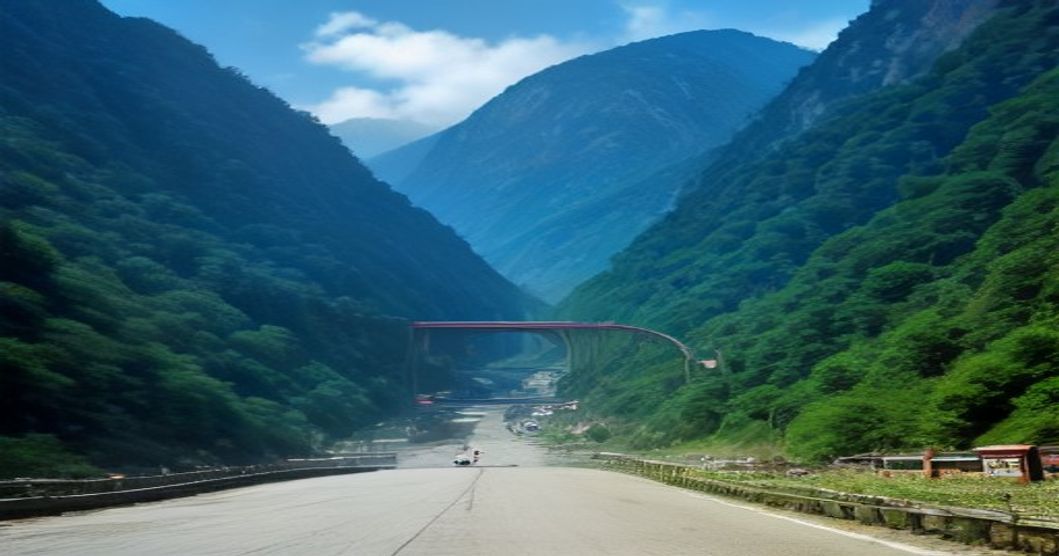
The road journey to Yamunotri follows National Highway 507 and State Highway 52, passing through Mussoorie, Barkot, and Hanuman Chatti before reaching Janki Chatti, the final motorable point 6 kilometers from the temple. The Uttarakhand State Road Transport Corporation operates regular bus services from Dehradun, Rishikesh, and Haridwar to Barkot and Hanuman Chatti.
From Dehradun, the 190-kilometer journey to Janki Chatti requires 7 to 9 hours, ascending through 42 hairpin bends and crossing elevations from 640 meters at Dehradun to 2,650 meters at Janki Chatti. The route showcases engineering marvels including the Kempty Falls bypass road completed in April 2026, reducing traffic congestion by 35 percent during peak season.
Haridwar to Janki Chatti spans 220 kilometers with journey durations of 8 to 10 hours. The Border Roads Organisation completed road widening projects on critical stretches between Dharasu and Barkot in February 2026, improving safety standards and reducing landslide vulnerability. Despite improvements, the narrow mountain roads experience frequent traffic bottlenecks, particularly between 10:00 AM and 4:00 PM when pilgrim traffic peaks.
Private taxi operators offer fixed-rate packages from major cities. Delhi to Janki Chatti private taxi packages cost 14,000 to 18,000 rupees for round-trip journeys with 4 to 5 day itineraries. Smartphone applications including Uttarakhand Cab Service and Chardham Taxi Booking, launched in March 2026, provide transparent pricing and verified driver credentials.
Trekking Route from Janki Chatti
The 6-kilometer trek from Janki Chatti to Yamunotri Temple represents the pilgrimage’s physical and spiritual culmination. The well-maintained trail gains 600 meters in elevation, beginning at 2,650 meters and reaching 3,293 meters at the temple complex. Average trekking time ranges from 3 to 5 hours ascending and 2 to 3 hours descending, varying significantly based on individual fitness levels and acclimatization status.
The paved pathway, reconstructed with reinforced concrete segments in 2025 following monsoon damage, features rest shelters at 1-kilometer intervals. These shelters provide basic seating, drinking water facilities, and first aid stations staffed by volunteers from local youth organizations. Mobile network coverage from Bharti Airtel and Bharat Sanchar Nigam Limited extends along 70 percent of the route following tower installations completed in June 2026.
Pony services cost 1,200 to 1,500 rupees for the round trip, managed through a cooperative system ensuring fair pricing and animal welfare standards. The Uttarakhand High Court’s August 2025 directive limiting pony loads to 80 kilograms and mandating rest periods remains strictly enforced. Palanquin (doli) services operated by licensed porters cost 2,500 to 3,500 rupees one-way, with rates regulated by the district administration.
Alternative trekking routes include the scenic but challenging path from Sapta Rishi Kund, adding 8 kilometers and 4 to 5 hours to the journey. This route appeals to experienced trekkers seeking solitude and pristine wilderness exposure. The forest department requires trekkers on alternative routes to register at checkpoints and carry emergency GPS beacons available for 500-rupee deposits at Janki Chatti.
Essential Travel Tips for August 2026
Successful Yamunotri pilgrimage demands meticulous preparation addressing accommodation, health considerations, documentation, and environmental responsibilities.
Accommodation Planning
Lodging options concentrate in Barkot, Hanuman Chatti, Janki Chatti, and Kharsali. Janki Chatti, with approximately 45 guesthouses and ashrams, provides the most convenient base for early morning temple visits. Budget accommodations cost 800 to 1,500 rupees per night for basic rooms, while mid-range hotels charge 2,500 to 4,500 rupees for rooms with attached bathrooms and hot water facilities.
The Uttarakhand Tourism Development Board operates three government guesthouses at Barkot and Janki Chatti, bookable through the official Char Dham tourism portal with rates from 1,200 to 2,200 rupees. Online booking platforms including MakeMyTrip and Goibibo expanded Yamunotri property listings by 40 percent in 2026, though direct booking through property phone numbers often yields better rates.
Peak season booking (May-June and September-October) requires reservations 4 to 6 weeks advance. Many accommodations implement minimum 2-night stay policies during weekends and auspicious dates. Camping facilities near Janki Chatti, operated by adventure tourism companies, offer tented accommodation with attached washrooms for 2,000 to 3,000 rupees per night.
Health and Safety Precautions
Altitude acclimatization represents the primary health concern, with acute mountain sickness affecting 15 to 20 percent of visitors according to Uttarakhand Health Department data from the 2025 pilgrimage season. Spending one night at intermediate elevations like Barkot (1,220 meters) before ascending to Janki Chatti significantly reduces altitude sickness incidence.
Adequate hydration demands consuming 3 to 4 liters of water daily. Avoiding alcohol and heavy meals during the first 48 hours at altitude helps adaptation. Warning signs of altitude sickness including persistent headaches, nausea, dizziness, and sleep disturbances require immediate descent and medical consultation. Medical facilities at Janki Chatti include two primary health centers equipped with oxygen cylinders and trained paramedics, with helicopter medical evacuation available for emergencies.
Comprehensive first aid kits should include altitude sickness medication (acetazolamide), pain relievers, anti-diarrheal medicines, bandages, and personal prescription medications with 20 percent extra quantity. The high-altitude environment intensifies sun exposure, making SPF 50+ sunscreen, lip balm, and UV-protection sunglasses essential.
Travel insurance covering high-altitude trekking, emergency evacuation, and medical treatment costs 500 to 1,200 rupees for week-long coverage through providers including ICICI Lombard and HDFC Ergo, with policies specifically designed for Char Dham pilgrimages.
Documentation and Permits
While Yamunotri does not require special trekking permits for Indian nationals, registration at forest checkpoints helps authorities maintain visitor statistics and coordinate emergency responses. Foreign nationals must register with local police at Barkot, presenting valid passport copies and Indian visa documentation.
The temple trust collects no entry fees, operating on voluntary donations. However, photography fees of 50 rupees for cameras and 100 rupees for video cameras apply within the temple complex. Drone usage requires prior permission from the district magistrate’s office, rarely granted near religious sites.
Vehicle permits for private cars entering restricted zones cost 100 to 200 rupees, collected at checkpoints. Parking facilities at Janki Chatti charge 50 rupees for two-wheelers and 100 rupees for four-wheelers per day.
Environmental Responsibility
The Uttarakhand government’s strict plastic ban, enforced with 5,000-rupee penalties since 2024, prohibits single-use plastic bottles, bags, and containers throughout the Char Dham region. Reusable water bottles with purification tablets or portable UV sterilizers represent practical alternatives. Water refilling stations at 2-kilometer intervals along the trek provide filtered water for 10 rupees per liter.
Waste segregation bins positioned along trekking routes separate biodegradable and non-biodegradable materials. Pilgrims must carry all non-biodegradable waste back to Janki Chatti for proper disposal. The Clean Char Dham Initiative, launched in January 2026, employs 200 local youth as trail maintenance workers and environmental educators.
Respecting local customs includes modest dress codes (covering shoulders and knees), removing shoes before temple entry, and refraining from photography during prayer ceremonies. The temple observes strict timings, opening at 6:00 AM and closing at 8:00 PM, with afternoon closures from 12:00 PM to 2:00 PM for deity rest periods.
Additional Nearby Attractions
Extending your Yamunotri journey to explore surrounding sites enriches the pilgrimage experience. Surya Kund and Divya Shila, located immediately beside the temple, hold immense religious significance. Pilgrims cook rice and potatoes tied in cloth bags in Surya Kund’s boiling water, offering the cooked prasad to the deity before distribution among devotees.
Saptrishi Kund, the actual glacial source of the Yamuna River, lies 10 kilometers further from Yamunotri Temple at 4,421 meters elevation. This challenging high-altitude trek requires 2 to 3 days, technical mountaineering skills, and mandatory guide accompaniment. The trek season runs only from June through September when snow conditions permit safe passage.
Kharsali village, 1 kilometer from Janki Chatti, houses the winter residence of Goddess Yamuna’s idol, transferred from Yamunotri Temple during closure months. The 1,200-year-old Shani Dev temple at Kharsali attracts devotees year-round, particularly on Saturdays. The village showcases traditional Garhwali architecture with slate-roofed houses and intricate wood carvings.
Hanuman Chatti, 13 kilometers before Janki Chatti, marks the confluence of Hanuman Ganga and Yamuna rivers. The small temple dedicated to Lord Hanuman and natural hot water springs provide peaceful rest stops during road journeys.
Conclusion
Reaching Yamunotri in August 2026 combines spiritual aspiration with adventure trekking, demanding physical preparation, logistical planning, and respect for Himalayan environments. The enhanced infrastructure completed in early 2026, including improved roads, expanded helicopter services, and upgraded medical facilities, has made the pilgrimage more accessible while preserving the essential trekking experience that defines the journey’s character. Whether approaching as a devout pilgrim seeking divine blessings, an adventure enthusiast drawn to Himalayan grandeur, or a cultural explorer discovering India’s sacred geography, Yamunotri offers profound experiences that resonate long after descending from the mountain shrine. Careful attention to seasonal timing, gradual altitude acclimatization, advance booking, and environmental stewardship ensures a safe and transformative pilgrimage to the source of the sacred Yamuna.
Related Content & Internal Resources
References & External Citations
- Wikipedia Reference: How to Reach Yamunotri: Travel Guide — Wikipedia
- Official Reference Documentation — Official Reference
Written by Senior Travel Consultant & Chardham Specialist
Anaya Sharma is a seasoned travel consultant with over 15 years of experience focusing on Uttarakhand’s rich cultural and natural landscapes. Specializing in the Chardham Yatra and Himalayan treks, Anaya holds a Master’s degree in Eco-Tourism from the University of Delhi. Her extensive fieldwork includes mapping less-trodden paths and collaborating with local communities for sustainable travel. As a published author in ‘The Himalayan Travel Journal,’ Anaya is committed to providing insightful and ethical travel guidance. She regularly contributes her expertise to the ‘Travel’ website, ensuring that travelers receive authentic and culturally respectful information about Uttarakhand’s treasures.