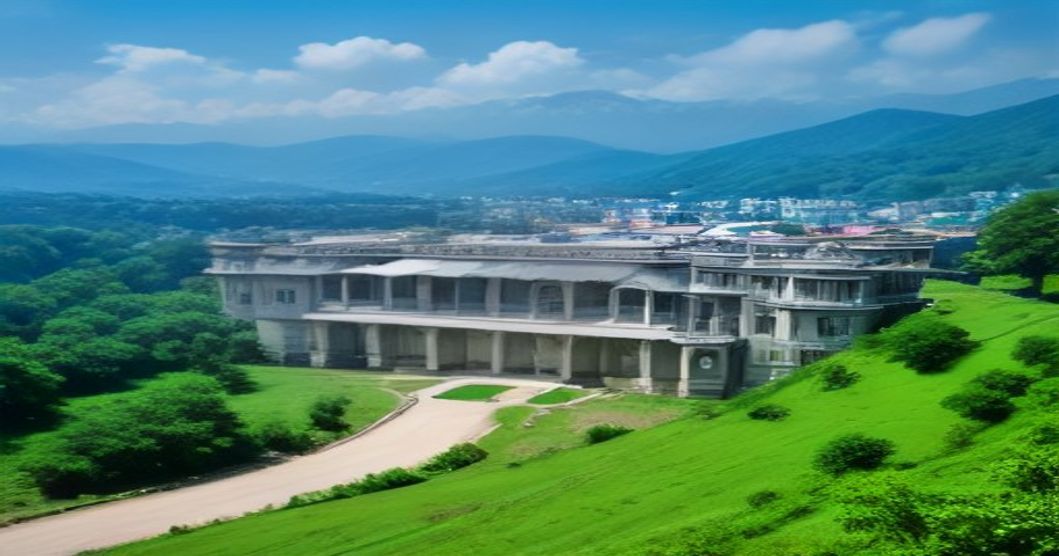
Dehradun for Families: Best Places to Visit
Dehradun, the capital of Uttarakhand, offers a variety of family-friendly attractions suited for all ages. As of August 2026, enhancements in infrastructure and tourism initiatives have made it a popular destination for families. The city balances natural beauty with educational opportunities, providing experiences that engage children and adults alike. Recent investments in tourist safety, cleaner parks, and better signage at major sites have positioned Dehradun as a reliable family getaway in northern India.
Top Family Attractions in Dehradun
Dehradun’s appeal lies in its diversity of attractions, from geological wonders to wildlife sanctuaries and cultural institutions. Each site caters to different interests and age groups, making the city an excellent choice for multi-generational travel.
Robber’s Cave (Gucchupani): Known for its natural beauty and adventure opportunities, Robber’s Cave is a favorite for families seeking outdoor exploration. Located approximately 8 kilometers from the city center, this narrow gorge features a stream that disappears underground and re-emerges several meters ahead. Children enjoy wading through the shallow water while parents appreciate the cool microclimate created by the surrounding rock formations. The cave stretches about 600 meters and requires basic physical fitness for safe navigation. Families should bring waterproof footwear and extra clothes for children, as getting wet is inevitable. The site now features improved pathways and safety railings installed in early 2026, addressing previous concerns about uneven terrain. The best visiting time is between March and June or September to November, avoiding monsoon months when water levels become unpredictable.
Sahastradhara: Famous for its therapeutic sulfur springs and scenic landscapes, Sahastradhara offers both relaxation and picturesque views. The name translates to “thousand-fold spring,” referring to the numerous dripping streams that cascade down limestone formations. The sulfur content in the water is believed to have medicinal properties, particularly for skin conditions, making it popular with health-conscious visitors. As of August 2026, the Uttarakhand Tourism Development Board has upgraded the bathing facilities with separate family-friendly pools and improved changing rooms. A ropeway service, operational since late 2025, provides aerial views of the valley and reduces the physical strain of reaching the springs, particularly beneficial for families with elderly members or young children. The site charges a modest entry fee of approximately 40 rupees for adults and 20 rupees for children, with additional charges for the ropeway. Vendors near the entrance sell local snacks and handicrafts, offering opportunities to support local artisans.
Malsi Deer Park: An idyllic spot for picnics and wildlife viewing, this park provides an opportunity to see a variety of deer and birds in a natural habitat. Spanning 25 hectares, the park houses species including spotted deer, sambar, nilgai, and peacocks. Children particularly enjoy the designated feeding areas where they can observe animals up close under supervised conditions. The park’s mini-zoo section includes smaller mammals and reptiles, with educational placards explaining each species’ role in the local ecosystem. Recent additions in 2026 include a butterfly garden and nature interpretation center designed specifically for young learners, offering interactive exhibits about forest conservation. The park maintains clean picnic areas with shaded benches and waste disposal facilities, reflecting improved maintenance standards. Weekday visits offer quieter experiences, as weekends attract larger local crowds. The park remains open from 9:00 AM to 5:00 PM throughout the year, with an entry fee of 50 rupees for adults and 25 rupees for children.
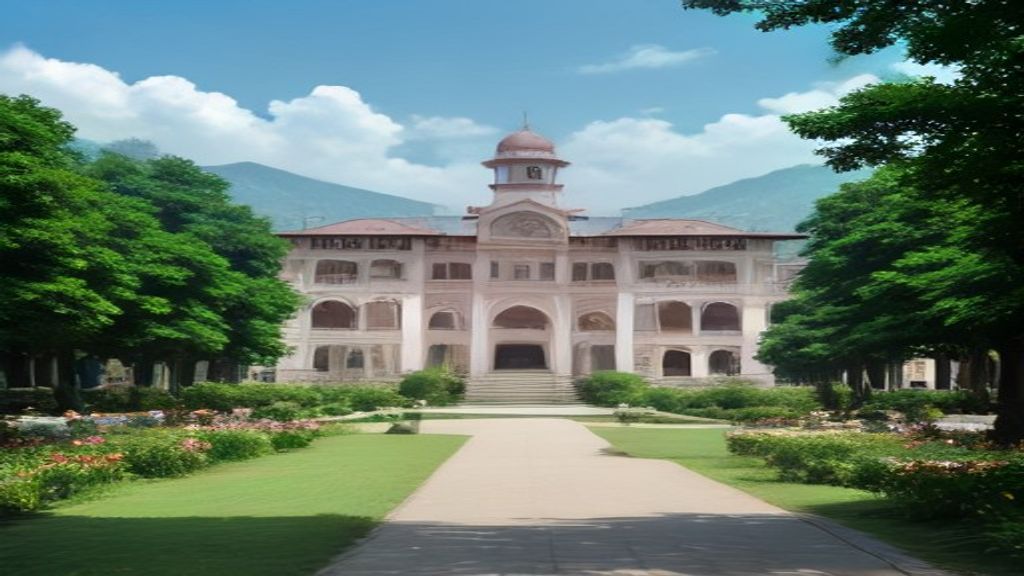
Forest Research Institute (FRI): Known for its stunning colonial architecture, the FRI also offers educational exhibits on forestry and botany. Established in 1906, the institute’s main building ranks among India’s most impressive examples of colonial Greco-Roman architecture, set within a 1,900-acre campus. Six museums within the complex cover forestry, timber mechanics, entomology, pathology, non-wood forest products, and social forestry. These museums present information through taxidermy displays, preserved specimens, models, and interactive panels suitable for school-aged children. The botanical gardens surrounding the main building feature labeled tree species from across India and the Himalayas, creating an outdoor classroom environment. As of August 2026, the institute has introduced weekend family workshops on topics like seed identification, leaf printing, and basic dendrology, requiring advance registration through their official website. The sprawling lawns serve as popular picnic spots, though families should note that food and drinks are not permitted inside the museums. Photography is allowed in outdoor areas but restricted inside certain museum sections. The FRI charges 100 rupees for adults and 50 rupees for children, with an additional camera fee of 50 rupees.
Zonal Anthropological Museum: This museum presents an insightful look at the cultural heritage of the region, perfect for families with an interest in history. Located near the Rajpur Road, the museum showcases artifacts, costumes, jewelry, and implements representing the diverse tribal communities of Uttarakhand and neighboring Himalayan regions. Exhibits explain traditional agricultural practices, religious ceremonies, wedding customs, and craft techniques through well-curated displays. Children appreciate the musical instrument section, where they can see and learn about traditional drums, flutes, and stringed instruments. The museum’s compact size allows for a complete visit within 60 to 90 minutes, preventing fatigue in younger visitors. Guided tours available in Hindi and English provide context that enhances understanding, particularly for families unfamiliar with regional anthropology. The museum operates from 10:00 AM to 5:00 PM, closed on Mondays and public holidays, with a nominal entry fee of 20 rupees for adults and 10 rupees for children.
Fun Valley: A popular amusement park offering a range of water rides, games, and family entertainment activities. Situated on the outskirts of Dehradun, Fun Valley combines water-based attractions with dry rides, making it suitable for different age groups and preferences. The park features wave pools, water slides of varying intensity levels, a lazy river, and a dedicated children’s splash zone with shallow pools and mini-slides. Dry attractions include bumper cars, a family roller coaster, carousel, and arcade games. As of August 2026, the park has introduced stricter safety protocols, including mandatory life jacket usage in all water areas and height restrictions clearly marked at each ride. The park provides locker facilities, changing rooms, and food courts offering both vegetarian and non-vegetarian options. Families should allocate a full day for the visit, as the park opens at 10:00 AM and closes at 6:00 PM during peak season. Entry fees vary seasonally, typically ranging from 600 to 800 rupees for adults and 400 to 600 rupees for children, with combination tickets offering better value. Weekday visits cost approximately 20 percent less and offer shorter queues.
Current Statistics and Tourism Trends
In 2026, Dehradun has seen a 15 percent increase in family tourism compared to 2025, partly due to improved accessibility through the Jolly Grant Airport, which now hosts more domestic flights. The airport has expanded its terminal capacity and added direct connections to major cities including Mumbai, Bangalore, Hyderabad, and Kolkata, reducing travel time and improving convenience for families. The government has also focused on enhancing safety measures at tourist sites, making it a secure destination for families. These improvements include CCTV installations at major attractions, dedicated tourist police patrols, and emergency response systems at remote locations like Robber’s Cave.
The Uttarakhand Tourism Department reports that average family stays in Dehradun have increased from 2.1 days in 2024 to 2.8 days in 2026, suggesting that visitors are discovering more activities worth extended exploration. Accommodation options have diversified, with family-oriented hotels and homestays growing by approximately 22 percent over the past year. Many properties now offer childcare services, family suites with connecting rooms, and activity coordinators who arrange local tours suited to children’s ages and interests.
Digital infrastructure improvements have also contributed to the tourism surge. Free WiFi zones now cover major tourist areas, allowing families to navigate using maps, translate information, and share experiences in real-time. Online booking platforms have integrated Dehradun attractions more comprehensively, making trip planning simpler for first-time visitors. Environmental consciousness has increased, with many sites implementing plastic-free zones and promoting eco-friendly tourism practices that educate children about conservation.
Practical Tips for Families Visiting Dehradun
Travel Off-Peak: Visiting during weekdays can help avoid crowds, particularly during the peak tourist season of April to June. Schools across India typically have summer vacations during May and June, creating significant congestion at popular family sites. October to March offers pleasant weather with cooler temperatures ideal for outdoor activities, though December and January can be quite cold, requiring warm clothing. Monsoon months from July to September bring heavy rainfall that can disrupt travel plans and make some attractions inaccessible or less enjoyable. Weekday visits to places like FRI and Malsi Deer Park provide more relaxed experiences with better photography opportunities and more personalized attention from guides and staff.
Stay Duration: A 3-4 day trip is ideal to explore the major family-friendly sites without rushing. A well-planned itinerary might allocate one day for natural attractions like Robber’s Cave and Sahastradhara, another day for educational visits to FRI and the anthropological museum, a third day for Fun Valley or Malsi Deer Park, and a fourth day for local markets and nearby hill stations like Mussoorie, which lies just 35 kilometers away. This pacing prevents exhaustion in children and allows for spontaneous discoveries or rest periods. Families with very young children might extend stays to reduce daily activity load and accommodate nap schedules.
Local Guides: Hiring local guides can enhance the experience, providing deeper insights into each attraction. Certified guides available through the tourism department or reputable travel agencies offer historical context, botanical knowledge, and cultural explanations that standard signage cannot provide. For sites like FRI and the anthropological museum, guides help children understand complex concepts through stories and simplified explanations. Guides also know optimal routes, best photography spots, and can recommend authentic local restaurants away from tourist-heavy areas. Typical guide fees range from 500 to 1,500 rupees for half-day services, depending on group size and attraction complexity. Advance booking through official channels ensures qualified, background-verified guides.
Transportation Considerations: Dehradun’s attractions are spread across the city and surrounding areas, making private transportation convenient for families. Auto-rickshaws and app-based cab services like Ola and Uber operate throughout the city, though availability may be limited at remote sites. Renting a car with driver costs approximately 2,500 to 3,500 rupees per day and provides flexibility for families with young children or elderly members. Local buses connect major attractions but can be crowded and less comfortable for extended family groups. Many hotels arrange transportation packages that include popular tourist circuits, often providing better value than assembling separate rides.
Accommodation Selection: Choosing family-friendly accommodation near central Dehradun provides convenient access to most attractions. The Rajpur Road area offers numerous hotels ranging from budget to luxury, many with family rooms, children’s play areas, and in-house restaurants serving familiar cuisines. Properties near Clock Tower provide easy access to local markets and street food, exposing children to authentic local culture in a safe environment. Homestays in residential neighborhoods offer cultural immersion and home-cooked meals, though families should verify amenities like hot water, WiFi, and child-safety features before booking. August 2026 rates for mid-range family accommodations typically range from 3,000 to 6,000 rupees per night.
Food and Dining: Dehradun offers diverse dining options suitable for varying family preferences and dietary requirements. Local specialties include aloo ke gutke, bal mithai, and singodi, which adventurous families might enjoy trying. Restaurants along Rajpur Road and in Paltan Bazaar serve North Indian, Chinese, and South Indian cuisines familiar to children. Many establishments now clearly mark vegetarian, vegan, and Jain food options on menus. For families with very young children, carrying basic snacks, bottled water, and hand sanitizers proves practical, especially when visiting remote sites. Street food can be delicious but requires caution regarding hygiene; vendors near tourist spots generally maintain better standards than those in less-traveled areas.
Health and Safety Preparations: Families should pack basic first aid supplies including bandages, antiseptic cream, anti-motion sickness medication, and any prescription medicines. Dehradun’s altitude of approximately 640 meters above sea level rarely causes altitude-related issues, but gradual acclimatization helps families planning to visit higher-altitude destinations afterward. Insect repellent proves useful, particularly during evening visits to parks and forested areas. The city has good medical facilities including private hospitals and 24-hour pharmacies, but carrying common medicines prevents disruption to sightseeing plans. Travel insurance covering medical emergencies provides additional peace of mind for families traveling with children.
Seasonal Clothing Requirements: August marks monsoon season in Dehradun, requiring waterproof jackets, umbrellas, and quick-dry clothing. Temperatures range from 20 to 30 degrees Celsius, making light, breathable fabrics comfortable. Children should have extra sets of clothes when visiting water-based attractions. Comfortable walking shoes with good grip prevent slips on wet surfaces at places like Robber’s Cave and Sahastradhara. Layered clothing works best, as temperatures can vary significantly between shaded forest areas and open spaces. Sun protection including hats and sunscreen remains important even during cloudy days, as UV exposure occurs despite overcast conditions.
Dehradun’s transformation into a family-friendly destination reflects broader tourism development trends across Uttarakhand. The combination of natural beauty, educational opportunities, and improved infrastructure creates experiences that entertain children while providing adults with relaxation and cultural enrichment. Thoughtful planning, realistic expectations about travel pace, and openness to local experiences help families maximize their Dehradun visit and create lasting memories.
Related Content & Internal Resources
References & External Citations
- Wikipedia Reference: Dehradun for Families: Best Places to Visit — Wikipedia
- Official Reference Documentation — Official Reference
Written by Senior Travel Consultant & Chardham Specialist
Anaya Sharma is a seasoned travel consultant with over 15 years of experience focusing on Uttarakhand’s rich cultural and natural landscapes. Specializing in the Chardham Yatra and Himalayan treks, Anaya holds a Master’s degree in Eco-Tourism from the University of Delhi. Her extensive fieldwork includes mapping less-trodden paths and collaborating with local communities for sustainable travel. As a published author in ‘The Himalayan Travel Journal,’ Anaya is committed to providing insightful and ethical travel guidance. She regularly contributes her expertise to the ‘Travel’ website, ensuring that travelers receive authentic and culturally respectful information about Uttarakhand’s treasures.