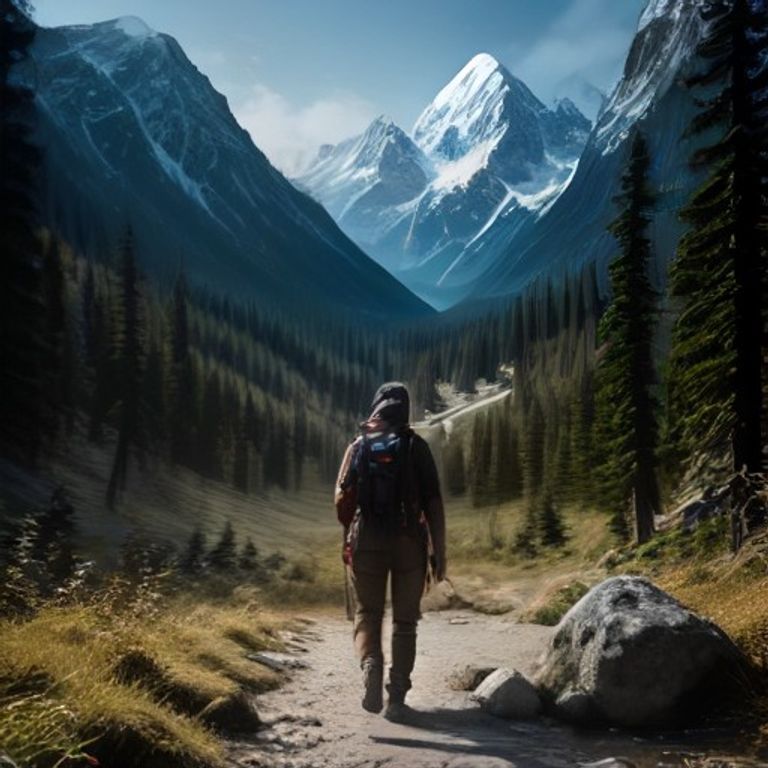

Har Ki Dun Trek: An Overview

The Har Ki Dun trek stands as one of India’s most rewarding beginner-friendly Himalayan adventures, weaving through the pristine Garhwal region of Uttarakhand. This valley of gods—literally translated as “Valley of Gods”—delivers an exceptional combination of accessibility and authentic mountain experience. Trekkers traverse ancient pine forests, cross crystal-clear streams, and encounter traditional Himalayan villages where centuries-old customs remain intact. The trail culminates in a spectacular cradle valley surrounded by snow-capped peaks including Swargarohini, Bandarpoonch, and Black Peak, making it an ideal first high-altitude trek for those transitioning from lowland hiking to serious mountain exploration.
What sets Har Ki Dun apart from other beginner treks is its gradual altitude gain, well-marked trails, and the presence of inhabited villages along the route. Unlike more remote expeditions, trekkers benefit from established infrastructure while still experiencing genuine wilderness. The trek passes through the Govind Wildlife Sanctuary, home to Himalayan black bears, snow leopards, and numerous bird species, offering wildlife enthusiasts exceptional opportunities for observation within a controlled trekking environment.
Location and Duration
- Region: Garhwal Himalayas, Uttarakhand
- Starting Point: Sankri Village
- Duration: Typically 7-8 days
- Distance: Approximately 47 kilometers round trip
Sankri village serves as the primary trailhead and administrative hub for the Har Ki Dun trek. Located approximately 200 kilometers from Dehradun, Sankri sits at 1,920 meters and provides essential services including permit offices, equipment rentals, and guide services. The village itself represents a cultural attraction, with traditional wooden architecture and local communities maintaining age-old agricultural practices. Most trekkers arrive in Sankri via a combination of train to Dehradun, followed by a 10-12 hour road journey through winding mountain roads.
The standard 7-8 day itinerary includes acclimatization time, gradual ascent, and exploration days at the valley. A typical schedule allocates two days for travel to and from Sankri, five days for the actual trek including rest days, allowing sufficient time for altitude adjustment and flexibility for weather-related delays. Extended itineraries of 9-10 days incorporate side trips to Ruinsara Tal or exploration of nearby peaks for those seeking additional adventure.
Best Time to Visit
The best months for the Har Ki Dun trek are April to June and September to November. These periods offer the most favorable weather conditions and stunning views. During the pre-monsoon season from April through early June, trekkers encounter blooming rhododendrons painting the forests in vibrant reds and pinks, while meadows burst with alpine wildflowers. Daytime temperatures range from 15°C to 20°C at lower elevations, with nights dropping to 5°C to 10°C. Snow remains at higher elevations, creating dramatic landscape contrasts.
The post-monsoon window from September through November presents arguably the clearest skies of the year. October specifically offers peak visibility for mountain photography, with crisp air providing unobstructed views of surrounding peaks. By late October and into November, fresh snowfall begins transforming the valley into a winter wonderland, though temperatures drop significantly. Early season trekkers in April may encounter deeper snow at higher camps, requiring microspikes or crampons, while November trekkers should prepare for potential early winter storms.
Monsoon months from July through August see heavy rainfall, making trails slippery and increasing landslide risks along the approach roads. Winter treks from December through March are possible for experienced trekkers with proper gear, but temperatures plummet to -10°C to -20°C, and snow depth can reach several feet, transforming the trek into a technical winter expedition requiring specialized equipment and expertise.
Key Trekking Facts and Statistics (2026)
%20detailed%20illustration?width=1024&height=576&nologo=true)
- Altitude: Har Ki Dun valley sits at an altitude of 3,566 meters (11,700 feet).
- Elevation Gain: Approximately 1,200 meters from base to peak.
- Average Temperature: Ranges from 10°C to -5°C during trekking seasons.
- Trekker Footfall: An estimated 8,000 trekkers visit annually (2026 data).
The 3,566-meter altitude places Har Ki Dun firmly in moderate high-altitude territory where acute mountain sickness becomes a consideration, though the gradual ascent profile significantly reduces risk. Compared to popular treks like Kedarkantha (3,800 meters) or Roopkund (4,800 meters), Har Ki Dun offers a gentler introduction to altitude effects. Most trekkers experience minimal symptoms beyond mild breathlessness during exertion, provided they follow proper acclimatization protocols and maintain adequate hydration.
The 8,000 annual trekker figure for 2026 represents a sustainable tourism level that balances economic benefits for local communities with environmental preservation. This controlled footfall results from permit restrictions and seasonal accessibility, preventing the overcrowding seen on some other popular routes. Peak season weekends may see 50-70 trekkers on the trail simultaneously, while weekdays and shoulder seasons offer greater solitude. The Uttarakhand Forest Department actively monitors trail usage and periodically implements temporary closures for ecological recovery.
Permits and Regulations
- Permits: Required, can be obtained from the Forest Office in Sankri.
- Local Guide: Hiring a certified local guide is recommended for safety and positive environmental impact.
As of August 2026, trekking permits for Har Ki Dun cost approximately 150 rupees per person for Indian nationals and 600 rupees for international visitors. The permit process requires valid government identification, emergency contact information, and a detailed trekking itinerary. Permits can be obtained at the Forest Department office in Sankri, typically within 30 minutes during off-peak periods, though weekends and peak season may involve longer waits. Some trekking companies handle permit arrangements as part of organized tour packages.
Regulations mandate that all trekking groups carry adequate waste management supplies and adhere to strict leave-no-trace principles. Plastic items under 50 microns are prohibited throughout the sanctuary area, with spot fines of 5,000 rupees for violations. Campfires are restricted to designated zones only, and trekkers must use established campsites rather than creating new sites. The Forest Department conducts random trail inspections to ensure compliance, and repeat offenders may face trekking bans.
While not legally mandatory, hiring certified local guides provides multiple advantages beyond navigation. Local guides possess intimate knowledge of weather patterns, can identify safe water sources, recognize early altitude sickness symptoms, and contribute directly to village economies. As of 2026, guide rates average 1,200-1,500 rupees per day, with porter services available at 800-1,000 rupees per day for carrying up to 15 kilograms. Many guides are certified through the Nehru Institute of Mountaineering or similar recognized training programs.
Preparing for the Trek

Preparation is crucial when planning the Har Ki Dun trek. Here are some tips to ensure a successful adventure:
- Physical Fitness: Engage in regular cardiovascular exercises and strength training at least two months prior to the trek.
- Essential Gear: Sturdy trekking boots, layered clothing, sleeping bags, and trekking poles.
- Acclimatization: Spend an extra day in the starting village to acclimate to higher altitudes.
Physical preparation should focus on building endurance for 5-7 hour trekking days with a 7-10 kilogram backpack. Effective training includes progressive hiking on inclines, stair climbing with weighted packs, and cardiovascular activities like running, cycling, or swimming. Aim for 4-5 training sessions weekly, gradually increasing duration and intensity. Include core strengthening exercises to support heavy pack carrying and improve balance on uneven terrain. Trekkers with sedentary lifestyles should begin training three months in advance, while moderately active individuals can achieve adequate fitness within 6-8 weeks.
The essential gear list extends beyond basic items to include altitude-specific equipment. A sleeping bag rated to -10°C ensures comfort during cold nights, even in shoulder seasons. Layering systems should include moisture-wicking base layers, insulating mid-layers like fleece or down jackets, and waterproof-breathable outer shells. Trekking poles reduce knee strain during descents by up to 25% and improve stability on stream crossings. Additional critical items include UV-protection sunglasses, high-SPF sunscreen for intense high-altitude UV exposure, water purification tablets or filters, basic first aid supplies, and high-energy snacks.
Technical gear considerations for 2026 include updated recommendations for sustainable and lightweight options. Modern trekking boots emphasize ankle support while maintaining flexibility, with waterproof membranes that remain breathable. Down alternatives using recycled synthetic insulation perform well even when damp, addressing concerns about down performance in humid conditions. Solar chargers and power banks keep essential devices operational, though trekkers should not rely on electronic navigation as primary wayfinding tools given limited connectivity.
Acclimatization strategy begins before reaching Sankri. Trekkers arriving by air in Dehradun should spend at least one night at that altitude before ascending further. In Sankri, an extra acclimatization day allows exploration of nearby villages, short day hikes to 2,400-2,600 meters, and physiological adjustment to reduced oxygen levels. During the trek itself, the “climb high, sleep low” principle applies—ascend to higher elevations during the day but camp at lower altitudes when possible. Maintain hydration at 3-4 liters daily, avoid alcohol and excessive caffeine, and monitor for altitude sickness symptoms including headache, nausea, dizziness, or unusual fatigue.
Detailed Trail Sections and Campsites
The trek unfolds across distinct sections, each presenting unique landscapes and challenges. From Sankri, trekkers drive or trek to Taluka, a small village at 1,950 meters serving as the first campsite for some itineraries. The trail from Taluka to Osla covers approximately 13 kilometers through dense pine and deodar forests alongside the Supin River. This section features moderate inclines with well-defined paths, requiring 5-6 hours of trekking time. Osla village at 2,590 meters provides cultural immersion opportunities, with ancient Someshwar Temple showcasing intricate wooden architecture dating back several centuries.
From Osla to Har Ki Dun base camp, the trail ascends 11 kilometers over 6-7 hours. The gradient remains gradual, climbing through alpine meadows where sheep and goat herders maintain seasonal camps during summer months. Kalkattiyadhar campsite at approximately 3,100 meters serves as an intermediate stop, offering panoramic views of surrounding ridges. The final approach to Har Ki Dun campsite at 3,566 meters opens into the spectacular valley floor, a broad meadow surrounded by towering peaks creating an amphitheater effect.
Advanced trekkers can extend their journey to Jaundhar Glacier, located 5 kilometers beyond the main valley at approximately 3,800 meters. This side trip adds a full day to the itinerary but rewards with close-up glacier views and the possibility of summiting nearby viewpoints offering 360-degree panoramas. The return journey typically follows the same route, with faster descent times allowing some itineraries to combine stages.
Nearby Attractions
After completing the trek, consider exploring these nearby attractions:
- Ruinsara Tal: A serene lake offering picturesque views, located a few kilometers from Har Ki Dun valley.
- Yamunotri: One of the Char Dham pilgrimage sites, known for its thermal springs.
Ruinsara Tal sits at 3,600 meters, accessible via a challenging 9-kilometer trek from Osla village. This pristine alpine lake reflects surrounding peaks in its crystal-clear waters, creating mirror images that photographers prize. The lake area supports unique high-altitude flora and serves as habitat for Himalayan birds including the Himalayan monal and snow partridge. Trekking to Ruinsara Tal adds 2-3 days to the standard itinerary and requires similar preparation to the main Har Ki Dun trek. Camping near the lake allows sunrise photography when morning mist creates ethereal atmospheres.
Yamunotri, located approximately 100 kilometers from Sankri, represents one of the four sacred Char Dham pilgrimage destinations. The Yamuna River originates from the Yamunotri glacier, and the temple dedicated to Goddess Yamuna attracts thousands of pilgrims annually. Hot springs near the temple allow visitors to cook rice and potatoes in cloth bundles, which are then offered as prasad. The 6-kilometer trek from Janki Chatti to Yamunotri temple provides a culturally distinct experience from Har Ki Dun, blending spiritual significance with mountain scenery. Most visitors combine both destinations within a two-week Uttarakhand itinerary.
Additional regional attractions include Kedarkantha trek, starting from the same Sankri base and offering winter trekking opportunities with summit views at 3,800 meters. The ancient villages of Mori and Netwar preserve traditional Garhwali architecture and customs, providing insights into mountain community life largely unchanged for generations. These villages offer homestay experiences where trekkers can participate in daily activities like milking cows, preparing traditional meals, and learning about local agricultural practices adapted to harsh mountain conditions.
FAQs and Practical Advice

- Is Har Ki Dun suitable for beginners? Yes, it is one of the most accessible treks for beginners, yet still rewarding.
- Accommodation: Basic lodges and camping sites are available along the trail.
- Connectivity: Limited mobile network, so ensure to inform family beforehand.
Beginner suitability stems from several factors beyond moderate altitude and gradual ascent. The trail infrastructure includes signage at major junctions, established campsites with designated areas, and proximity to inhabited villages providing emergency support if needed. The presence of multiple trekking groups during peak seasons offers additional safety through numbers, and the relatively short daily distances of 10-13 kilometers allow ample rest time. First-time high-altitude trekkers should still approach the trek seriously, understanding that mountain environments present inherent risks including weather changes, river crossings, and physical demands exceeding typical lowland hiking.
Accommodation options have expanded as of 2026 to balance trekker comfort with environmental sustainability. In Sankri, small guesthouses offer basic rooms with shared bathrooms at 800-1,500 rupees per night, while more comfortable lodges with attached bathrooms charge 2,000-3,500 rupees. Along the trail, Taluka and Osla feature simple guesthouses providing dormitory-style accommodation and home-cooked meals. Beyond Osla, accommodation shifts exclusively to camping, with most organized groups carrying equipment and establishing camps at designated sites. Independent trekkers can rent camping gear in Sankri, with full sets including tent, sleeping bag, and mat costing approximately 500-700 rupees per day.
Connectivity challenges require planning for communication blackouts. BSNL mobile networks provide sporadic coverage in Sankri and occasionally in Osla, but coverage disappears entirely beyond the village. Satellite phones remain the only reliable communication method in the upper valley, though few trekkers carry these expensive devices. The standard protocol involves informing family and emergency contacts of your complete itinerary with expected return dates before departure, allowing buffer days for weather delays. Some trekking companies provide satellite tracking devices that send automated location updates, offering peace of mind for concerned families.
Food and Water Management
Nutritional planning significantly impacts trekking performance and enjoyment. Organized treks typically provide three meals daily plus snacks, with menus emphasizing high-carbohydrate foods like rice, pasta, and local breads for sustained energy. Breakfast often includes porridge, eggs, and parathas, while lunches feature packed meals or hot soups at midday stops. Dinners provide the main caloric intake with dal, vegetables, rice, and occasional chicken for non-vegetarians. Independent trekkers can arrange meals at village guesthouses or carry their own supplies including instant noodles, energy bars, nuts, dried fruits, and chocolate.
Water management requires constant attention to prevent dehydration while avoiding waterborne illnesses. The Supin River and numerous tributary streams provide abundant water sources, but all water requires purification through boiling, filtration, or chemical treatment. Modern water filters remove bacteria and protozoa effectively, while UV sterilization pens offer lightweight alternatives. Chlorine or iodine tablets provide backup purification, though these impart unpleasant tastes. Trekkers should consume 3-4 liters daily, increasing intake during strenuous ascents or in dry conditions. Electrolyte supplements help maintain mineral balance lost through perspiration, particularly important at altitude where dehydration occurs more rapidly.
Weather Patterns and Risk Management
Understanding weather patterns enables better decision-making and risk mitigation. Afternoon thunderstorms commonly develop during pre-monsoon and monsoon periods, with lightning presenting serious hazards in exposed areas. Standard protocol requires completing high passes and ridge crossings before noon, establishing camp by early afternoon. Sudden temperature drops of 10-15°C can accompany weather fronts, necessitating rapid deployment of warm layers and waterproof protection. Trekkers should monitor local weather forecasts before departure and remain flexible with itineraries to accommodate severe weather by adding rest days or implementing early descents.
Emergency protocols should be established before beginning the trek. Acute mountain sickness represents the primary medical concern, with immediate descent being the definitive treatment for severe symptoms. Trekking groups should designate a leader responsible for monitoring group member health and making evacuation decisions. Basic first aid training covering wound care, fracture stabilization, and hypothermia treatment proves invaluable in remote settings where professional medical help may be hours or days away. Evacuation insurance covering helicopter rescue costs of 150,000-300,000 rupees provides essential financial protection, as standard travel insurance often excludes high-altitude trekking activities.
Environmental Responsibility and Cultural Sensitivity
Practicing environmental responsibility ensures the Har Ki Dun valley remains pristine for future generations. Carry all non-biodegradable waste back to Sankri for proper disposal, including food wrappers, plastic bottles, and hygiene products. Human waste requires careful management—use established toilet facilities where available, or employ proper backcountry techniques including digging catholes 15-20 centimeters deep and at least 50 meters from water sources. Biodegradable soap should be used sparingly and well away from streams. Many organized treks now employ eco-friendly practices including solar panels for electricity, composting toilets, and waste segregation systems.
Cultural sensitivity enhances interactions with local communities and demonstrates respect for traditional lifestyles. Osla village residents maintain conservative customs, and visitors should dress modestly, seek permission before photographing people or religious sites, and avoid public displays of affection. Many locals practice a blend of Hindu and pre-Hindu animist traditions, visible in small shrines and offerings at natural features like large trees or rock formations. Purchasing local handicrafts, staying in village guesthouses, and hiring local guides directs tourism revenue into community hands, supporting sustainable livelihoods that reduce pressure for environmentally damaging development.
Cost Breakdown and Budget Planning
Budget planning for Har Ki Dun trek varies significantly based on service level choices. Independent budget trekkers can complete the journey for 8,000-12,000 rupees including transportation from Dehradun, permits, basic accommodation, meals, and guide fees. Mid-range organized treks through established operators cost 15,000-22,000 rupees per person for group departures, including comprehensive services but excluding personal gear and Dehradun transportation. Premium private treks with customized itineraries, superior camping equipment, and gourmet meals range from 30,000-45,000 rupees per person. International trekkers should budget additionally for equipment rental if not bringing personal gear, estimated at 2,500-4,000 rupees for complete kit rental.
Hidden costs often surprise first-time trekkers and should be factored into budgets. Porter tips typically amount to 500-800 rupees per porter for the trek duration, while guide tips range from 1,000-2,000 rupees depending on service quality. Equipment damage deposits required by rental shops may temporarily tie up 5,000-10,000 rupees, refunded upon gear return in acceptable condition. Celebration meals upon successful trek completion and souvenir purchases in Sankri add discretionary expenses of 1,000-2,000 rupees.
Seasonal Variations and Special Considerations

Each trekking season presents distinct advantages and challenges beyond basic weather patterns. April and May treks witness the valley’s transformation from winter dormancy to spring awakening, with daily observable changes in vegetation. Snow levels vary dramatically year-to-year based on winter accumulation, with some years featuring completely snow-free trails by mid-April, while others maintain substantial snow patches through May. These variations affect difficulty levels and may require flexibility with campsites and routes.
October and early November provide the clearest mountain views and most stable weather, making this period ideal for photography enthusiasts and those prioritizing summit visibility. However, this popularity creates crowding at popular campsites, potentially diminishing the wilderness experience. Late November treks transition toward winter conditions, offering solitude and stunning snow-covered landscapes but demanding enhanced preparation and experience levels unsuitable for true beginners.
Families with children can successfully complete Har Ki Dun trek with appropriate planning. Children aged 10 and above with regular outdoor activity backgrounds typically manage the physical demands well, though families should build extra rest days into itineraries and carry additional safety equipment. The gradual elevation profile and village encounters provide engaging experiences that maintain children’s interest better than more remote, monotonous treks. Family-specific considerations include lighter pack weights for children, high-energy snack availability, and contingency plans for altitude sickness symptoms requiring immediate descent.