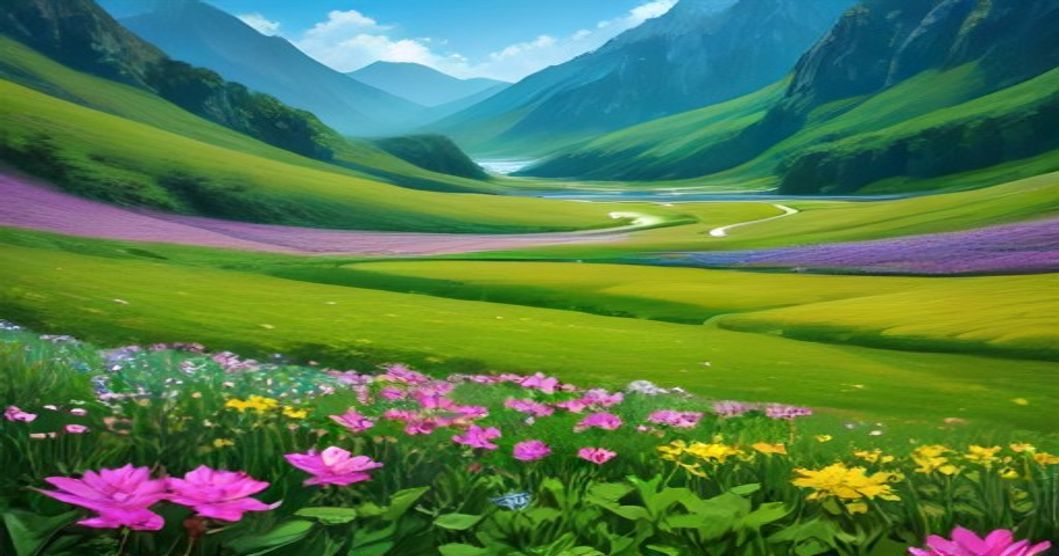
Valley of Flowers Trek: A Botanical Wonderland
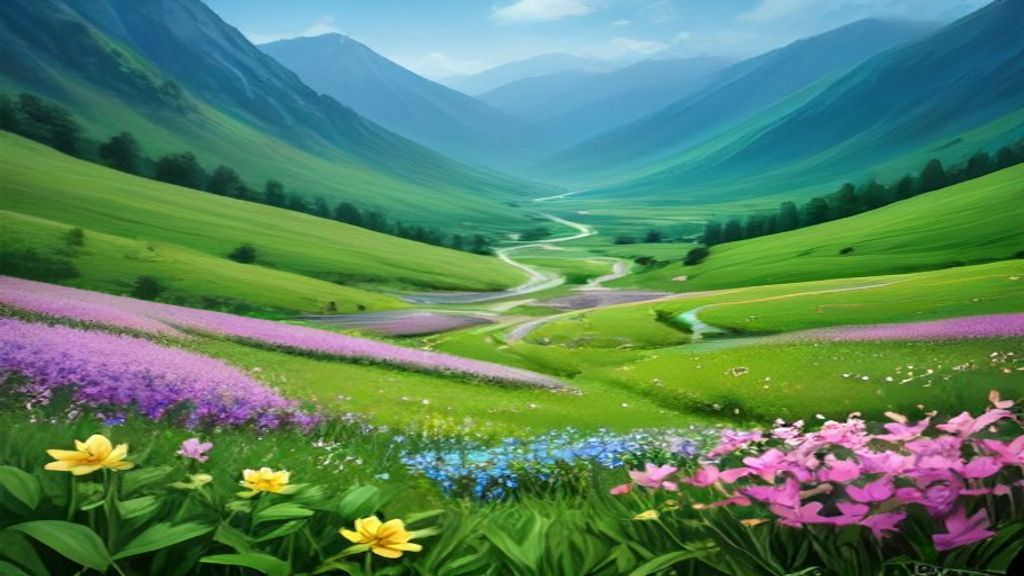
The Valley of Flowers Trek stands as one of India’s most spectacular alpine destinations, offering trekkers an immersive experience through carpets of wildflowers set against the dramatic backdrop of the Western Himalayas. Located in Uttarakhand’s Chamoli district at elevations ranging from 3,300 to 3,650 meters, this UNESCO World Heritage site within the Nanda Devi Biosphere Reserve attracts thousands of nature enthusiasts, botanists, and adventure seekers annually. In August 2026, the valley reaches peak bloom, transforming into a living botanical garden that showcases the raw beauty and biodiversity of the Indian Himalayas.
Overview of the Valley of Flowers
The Valley of Flowers is nestled in the northern state of Uttarakhand, India, within the Nanda Devi Biosphere Reserve. This UNESCO World Heritage site is renowned for its diverse alpine flora and breathtaking landscapes. In August 2026, it continues to be a popular trek for nature enthusiasts and botanists alike.
First discovered by British mountaineer Frank Smythe in 1931, the valley remained relatively unknown to the wider world until it gained UNESCO World Heritage status in 1988 alongside Nanda Devi National Park. The recognition acknowledged not only its exceptional natural beauty but also its critical role as a biodiversity hotspot. The valley spans approximately 87.50 square kilometers and serves as a crucial habitat for numerous endemic and endangered species of both flora and fauna.
What makes the Valley of Flowers particularly remarkable is its ecological uniqueness. The combination of high altitude, monsoon rainfall patterns, and varied microclimates creates conditions that support an extraordinary concentration of flowering plants. During the monsoon months of July through September, the valley transforms into a botanist’s paradise, with new species blooming almost daily as the season progresses.
Important Facts About the Trek
- Location: Chamoli district, Uttarakhand, India
- Trek Duration: Generally 6 days from Haridwar to Haridwar
- Best Time to Visit: July to September, with the monsoon nurturing over 500 species of flowers
- Difficulty Level: Moderate, suitable for novice and experienced trekkers
- Altitude: Ranges from 3,300 to 3,650 meters
- Permits Required: A permit from the Forest Department is mandatory
The trek’s moderate difficulty rating makes it accessible to a broad range of trekkers, though the altitude and weather conditions demand respect and preparation. The primary trekking route follows a well-established path from Govindghat to Ghangaria, then into the valley itself. Trekkers should note that camping inside the Valley of Flowers is strictly prohibited as of August 2026, with all overnight stays required in Ghangaria, the base village located approximately 4 kilometers from the valley entrance.
Permit regulations in 2026 remain stringent to protect the fragile ecosystem. The Forest Department issues daily entry permits with specified time slots to manage visitor numbers and minimize environmental impact. Trekkers must carry valid photo identification and can obtain permits either online through the Uttarakhand Forest Department portal or at the permit office in Ghangaria. The permit fee structure supports conservation efforts and trail maintenance throughout the protected area.
Flora and Fauna
In August 2026, the Valley of Flowers is home to a stunning array of flora, including rare and endangered species like the Blue Poppy, Cobra Lily, and Brahmakamal. Wildlife sightings may include the elusive Himalayan Tahr, Musk Deer, and various bird species, providing a botanically rich and ecologically diverse experience.
The botanical diversity of the valley represents one of the richest alpine flower collections in the world. Among the over 500 documented flowering species, several stand out for their rarity and visual impact. The Himalayan Blue Poppy, with its striking azure petals, typically blooms in July and early August. The Cobra Lily, or Arisaema, presents an unusual hooded flower structure that resembles its namesake snake. Brahmakamal, considered sacred in Hindu tradition, blooms nocturnally and is increasingly rare across the Himalayas.
Other notable species include the Valley’s namesake primulas, potentillas, and pedicularis in vivid yellows, purples, and reds. Orchids, though less conspicuous, add to the botanical richness with several endemic species. The flowering sequence throughout the monsoon season means that trekkers visiting in early August witness different species than those arriving in late August or September, with each period offering its own botanical character.
The fauna, though more elusive than the flowers, adds another dimension to the ecological significance of the area. The Himalayan Tahr, a wild goat species, navigates steep slopes with remarkable agility. Musk Deer, highly endangered due to poaching pressures, find sanctuary in the protected area. Bird enthusiasts can spot Himalayan Monals, the colorful state bird of Uttarakhand, along with various species of rosefinches, thrushes, and high-altitude specialists. Brown Bears occasionally traverse the valley, though sightings remain rare and typically occur during early morning or late evening hours.
Travel Logistics
- Nearest Airport: Jolly Grant Airport, Dehradun
- Starting Point: Govindghat, accessible via road from Haridwar or Rishikesh
- Accommodation: Options available in Govindghat and Ghangaria, ranging from budget lodges to mid-range hotels
- Day Hikes: The trek from Ghangaria to Valley of Flowers is a popular day hike, spanning about 10 kilometers round trip
Planning the journey to Valley of Flowers requires attention to multiple transportation stages. Jolly Grant Airport in Dehradun, located approximately 295 kilometers from Govindghat, serves as the primary air gateway. From the airport, trekkers typically hire taxis or book seats in shared vehicles for the scenic but lengthy drive through the Garhwal Himalayas. The road journey takes between 10 to 12 hours depending on traffic and road conditions, which can deteriorate during heavy monsoon rains.
Alternative approaches include reaching Haridwar or Rishikesh by train, both well-connected to major Indian cities through the railway network. From these pilgrimage towns, buses and shared jeeps operate regularly to Govindghat, with journey times ranging from 8 to 10 hours. The route passes through Joshimath, a significant town that serves as a supply and administrative hub for the region.
Accommodation in Ghangaria, the mandatory overnight base for Valley of Flowers trekkers, has expanded considerably while maintaining environmental standards. In August 2026, visitors find approximately 40 registered guesthouses and lodges offering varying comfort levels. Budget accommodations provide basic dormitory-style rooms with shared facilities, while mid-range establishments offer private rooms with attached bathrooms and hot water. Advance booking during peak season remains advisable, though walk-in accommodations are typically available except during weekends and Indian holidays.
The daily trek from Ghangaria to the Valley of Flowers entrance and back covers roughly 10 kilometers with an elevation gain of approximately 400 meters. Most trekkers complete the round trip in 6 to 8 hours, allowing ample time for flower photography and botanical exploration within the valley. The trail is well-maintained with designated paths to prevent trampling of sensitive vegetation.
Daily Trek Itinerary and Physical Demands
A comprehensive understanding of the day-by-day trek itinerary helps trekkers prepare mentally and physically. Day 1 typically involves travel from Haridwar or Rishikesh to Govindghat, followed by a 14-kilometer trek or pony ride to Ghangaria, which takes 5 to 7 hours. This first trekking day serves as crucial acclimatization to altitude and trail conditions.
Day 2 allows trekkers to explore the Valley of Flowers itself, departing Ghangaria early morning to maximize time in the valley before afternoon clouds and potential rain. The entrance opens at 7 AM, and most trekkers aim to be on the trail by 6:30 AM. Inside the valley, a network of approved trails allows exploration of different sections, each offering distinct floral compositions and landscape views.
Many trekkers combine their Valley of Flowers visit with a trek to Hemkund Sahib, a Sikh pilgrimage site located at 4,632 meters. This extension adds significant physical challenge but provides cultural depth and additional high-altitude experience. The Hemkund trek from Ghangaria covers 6 kilometers one way with steep ascents and typically requires a separate day.
The return journey retraces the route, with most itineraries allocating 5 to 6 days total from Haridwar and back. This pacing allows for acclimatization, weather contingencies, and thorough exploration without excessive rushing. Trekkers with limited time can complete abbreviated versions in 4 days, though this compressed schedule increases physical demands and reduces margin for weather delays.
Tips for Trekkers in 2026
- Weather Preparedness: Expect heavy rainfall, pack waterproof gear, and plan for cold night temperatures
- Physical Fitness: Engage in cardiovascular and strength training exercises prior to the trek
- Sustainable Practices: Carry reusable water bottles, avoid plastic, and adhere to the Leave No Trace principles
- Local Guides: Hiring a local guide is recommended for safe navigation and to gain insights into local ecology
Weather in the Valley of Flowers during August 2026 remains highly variable and potentially challenging. Monsoon rainfall dominates the weather pattern, with precipitation occurring on approximately 20 to 25 days of the month. Morning hours often provide clearer skies, with clouds building through late morning and afternoon showers becoming frequent. Night temperatures in Ghangaria drop to 5 to 10 degrees Celsius, while daytime temperatures in the valley range from 12 to 18 degrees Celsius. Proper layering systems including base layers, insulating mid-layers, and waterproof outer shells are essential.
Physical preparation should begin at least 6 to 8 weeks before the trek. Cardiovascular conditioning through running, cycling, or swimming builds the aerobic capacity needed for sustained hiking at altitude. Strength training focusing on legs, core, and back muscles helps manage the demands of uphill climbing and navigating uneven terrain. Practice hikes with a loaded backpack simulate actual trekking conditions and identify any equipment issues before departure.
Altitude acclimatization deserves particular attention despite the trek’s moderate elevation. The relatively rapid ascent from near sea level to over 3,300 meters can trigger altitude sickness symptoms in susceptible individuals. Staying well-hydrated, maintaining steady pace rather than rushing, and spending adequate time at intermediate elevations all support proper acclimatization. Trekkers should familiarize themselves with altitude sickness symptoms and carry appropriate medications after consultation with healthcare providers.
Sustainable trekking practices have become increasingly emphasized by both conservation authorities and responsible tour operators. Single-use plastics are banned within the Nanda Devi Biosphere Reserve, with enforcement checkpoints at entry points. Trekkers should carry sufficient reusable water bottles or hydration systems, with safe drinking water available at Ghangaria. All waste must be carried out, with no littering tolerated on trails or at campsites. Photography of flowers should be conducted without touching or damaging plants, and staying on designated trails prevents habitat degradation.
Local guides offer substantial value beyond navigation assistance. Experienced guides from villages near Govindghat possess deep knowledge of local flora, fauna, weather patterns, and cultural traditions. They can identify rare species, explain ecological relationships, and ensure trekkers follow conservation guidelines. Guide fees directly support local economies and incentivize community-based conservation efforts. Many guides are certified through mountaineering institutes and carry first aid training and emergency communication equipment.
Conservation Challenges and Visitor Responsibility
The Valley of Flowers faces ongoing conservation challenges despite its protected status. Increased visitor numbers, though managed through permit systems, create cumulative impacts on vegetation and wildlife. Trail erosion, inadvertent introduction of non-native seeds on clothing and equipment, and disturbance to nesting birds represent persistent concerns for park managers in August 2026.
Climate change effects have become increasingly evident in recent years, with shifting bloom patterns, glacier retreat in surrounding peaks, and altered precipitation timing affecting the valley’s ecology. Scientific monitoring programs track these changes, but uncertainty remains regarding long-term impacts on the unique floral communities that define this special place.
Visitors bear responsibility for minimizing their individual and collective impact. This includes thorough cleaning of hiking boots and equipment before entering the park, strict adherence to trail boundaries, and maintaining respectful distances from wildlife. Photography ethics matter particularly in such a sensitive environment, with the proliferation of social media creating pressure for dramatic images that sometimes leads to destructive behavior. Trekkers should prioritize conservation over photographs, recognizing that protecting this botanical wonderland ensures future generations can experience its splendor.
Search Engine Optimization Insights
- LSI Keywords: Himalayan trekking, alpine flowers India, Nanda Devi Biosphere trekking, monsoon trek India, eco-tourism Uttarakhand
- Primary Keywords: Valley of Flowers trek guide, flowers trek India, Valley of Flowers 2026
- Content Strategy: Utilize rich, descriptive metadata, and optimize for mobile search to target trekkers planning their journey
By understanding both the logistics and the natural beauty of the trek, adventurers in 2026 can experience the full splendor of the Valley of Flowers. This botanical wonderland represents not just a trekking destination but a living laboratory of alpine ecology, a testament to conservation success, and an invitation to witness one of nature’s most spectacular seasonal displays. Proper preparation, respect for the environment, and openness to the transformative power of wilderness ensure that each trek becomes more than a physical journey—it becomes a profound encounter with the resilience and beauty of the natural world.
Related Content & Internal Resources
References & External Citations
- Wikipedia Reference: Valley of Flowers Trek: A Botanical Wonderland — Wikipedia
- Official Reference Documentation — Official Reference
Written by Senior Travel Consultant & Chardham Specialist
Anaya Sharma is a seasoned travel consultant with over 15 years of experience focusing on Uttarakhand’s rich cultural and natural landscapes. Specializing in the Chardham Yatra and Himalayan treks, Anaya holds a Master’s degree in Eco-Tourism from the University of Delhi. Her extensive fieldwork includes mapping less-trodden paths and collaborating with local communities for sustainable travel. As a published author in ‘The Himalayan Travel Journal,’ Anaya is committed to providing insightful and ethical travel guidance. She regularly contributes her expertise to the ‘Travel’ website, ensuring that travelers receive authentic and culturally respectful information about Uttarakhand’s treasures.