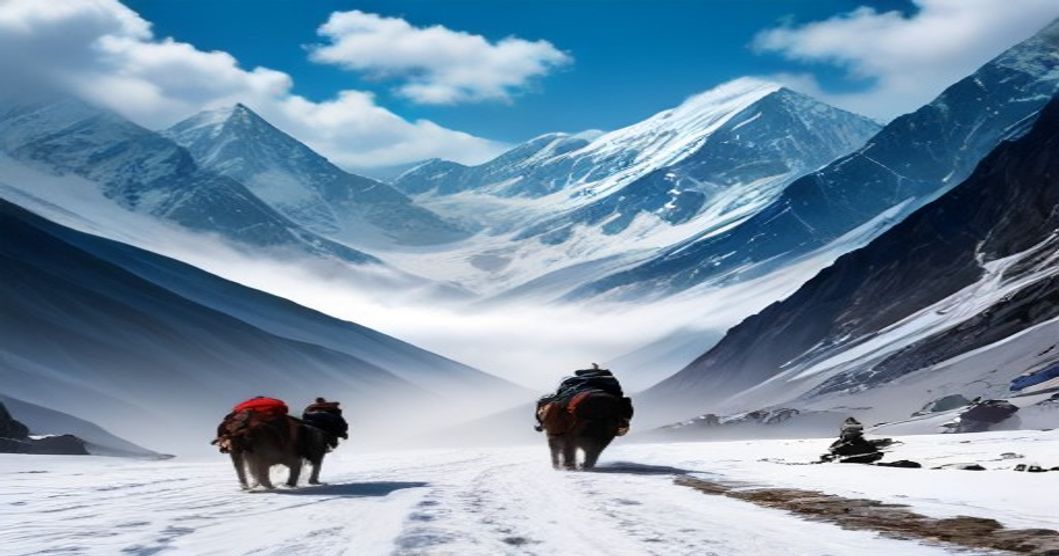
Overview of the Kedarnath Trek
The Kedarnath trek stands as one of India’s most significant spiritual journeys, positioned at 3,583 meters in the rugged Garhwal Himalayas of Uttarakhand. This sacred pilgrimage route combines ancient devotional heritage with challenging high-altitude trekking, drawing over 700,000 visitors annually to the revered Kedarnath Temple dedicated to Lord Shiva. The 16-kilometer trail from Gaurikund to the temple shrine tests both physical endurance and mental fortitude, rewarding trekkers with pristine mountain vistas, cascading rivers, and an atmosphere of profound spiritual energy that has remained unchanged for centuries.
Key Facts and Statistics (August 2026)
- Location: Uttarakhand, India, in the Rudraprayag district
- Starting Point: Gaurikund at 1,982 meters elevation
- Distance: Approximately 16 kilometers (9.9 miles) from Gaurikund to Kedarnath
- Elevation: 3,583 meters (11,755 feet) at Kedarnath Temple
- Trek Duration: Typically 1-2 days, with most trekkers completing the ascent in 6-8 hours
- Annual Visitors: Over 700,000 pilgrims and trekkers during the 2026 season
- Best Time to Visit: April to November, when the temple remains open
- Travel Restrictions: Mandatory registration and permits required, available through the Uttarakhand government’s official online portal
- Elevation Gain: Approximately 1,600 meters vertical ascent
- Helicopter Services: Available from Phata, Sersi, and Guptkashi helipads, with fares ranging from ₹6,500 to ₹8,000 per person in August 2026
Route and Trail Conditions
The trek begins in Gaurikund, a small town equipped with basic amenities including medical facilities, food stalls, ATMs, and accommodation options, serving as the official gateway to Kedarnath. Following the 2013 catastrophic floods that devastated the region, infrastructure improvements have significantly enhanced trail safety and accessibility. The trekking path is now predominantly paved with concrete sections, although steep gradients remain challenging in multiple segments.
The route follows the Mandakini River valley upstream, passing through diverse ecological zones. Initial sections traverse dense oak and rhododendron forests, offering shade and relatively gradual inclines. The middle portions become progressively steeper, with switchbacks carved into mountainsides. Notable waypoints include Rambara (approximately 7 kilometers from Gaurikund) and Linchauli, both offering rest facilities and refreshment options.
Trail conditions vary significantly depending on seasonal weather patterns. During peak pilgrimage months of May and June 2026, the path experiences heavy foot traffic, with some sections becoming congested during daytime hours. Monsoon months witness substantial erosion and occasional landslides, requiring trekkers to exercise heightened caution. Post-monsoon autumn months provide the most stable trail conditions with minimal precipitation and excellent visibility.
Climate and Weather Conditions
Weather patterns at high altitude demand careful consideration and planning. Understanding seasonal variations proves essential for trek safety and success:
- April to June: Pleasant temperatures ranging from 10°C to 15°C (50°F to 59°F) during daytime hours, dropping to 0°C to 5°C at night. This period experiences minimal rainfall and clear skies, making it ideal for photography and mountain viewing. Snow patches remain visible on higher peaks, creating stunning visual contrasts.
- July to August: Monsoon season with heavy rainfall, increasing the risk of landslides, flash floods, and trail closures. Temperatures range from 8°C to 12°C during the day, with high humidity levels. Visibility remains poor, and the Uttarakhand government occasionally restricts trekker access during severe weather warnings. Cloud cover obscures mountain views throughout this period.
- September to November: Cool and dry conditions, with temperatures between 5°C to 10°C (41°F to 50°F) during daylight hours, plummeting to -5°C to 0°C after sunset. September offers post-monsoon clarity with washed landscapes and vibrant vegetation. October and early November provide crisp mountain air and exceptional visibility before winter snowfall forces temple closure, typically around Diwali festival dates.
August 2026 falls within the monsoon period, requiring trekkers to carry comprehensive rain protection, waterproof gear, and remain vigilant regarding weather forecasts issued by the Uttarakhand State Disaster Management Authority. Afternoon thunderstorms occur frequently, making early morning starts strategically advantageous.
Accommodation Options
Lodging infrastructure has expanded considerably since reconstruction efforts following the 2013 disaster, though facilities remain basic compared to commercial trekking destinations:
- Gaurikund: Basic guesthouses and tented accommodations operated by private owners and the Garhwal Mandal Vikas Nigam (GMVN). Rates range from ₹500 to ₹2,000 per night depending on amenities. Hot water availability remains inconsistent, and advance booking during peak season proves essential.
- On Route: Government-operated shelters at Rambara and Linchauli provide dormitory-style accommodation and small dhabas offering local food including rice, dal, chapati, and tea. These waypoint facilities charge minimal fees (₹100-₹300) and operate on first-come, first-served basis.
- Kedarnath: GMVN guesthouses and approximately 25 private lodges near the temple complex, with rates ranging from ₹800 to ₹3,500 per night in August 2026. Electricity supply remains limited to specific hours (typically 6 PM to 10 PM), and hot water is available at premium rates. Tent accommodations provide budget alternatives at ₹400-₹600 nightly.
Accommodation quality emphasizes functionality over comfort. Trekkers should set realistic expectations regarding amenities, as high-altitude logistics limit infrastructure development. Booking accommodations through official government channels or reputable travel agencies reduces risks of price exploitation during peak pilgrimage periods.
Permits and Entry Fees
Trekkers need to obtain a mandatory Yatra Permit before commencing the journey, implementing a registration system designed to enhance safety monitoring and emergency response capabilities. Registration is available online through the Uttarakhand government’s official Devasthanam Board portal and at designated offices in Rishikesh, Haridwar, and Dehradun.
As of August 2026, the permit fee structure includes approximately ₹150 for Indian nationals and ₹800 for foreign tourists. The registration process requires submitting identification documents, medical fitness certificates for individuals above 60 years, and emergency contact information. The system issues unique registration numbers tracked throughout the pilgrimage route via checkpoint scanners at Gaurikund, Rambara, and Kedarnath.
Additional costs include environmental fees (₹50 per person) supporting trail maintenance and waste management initiatives. Helicopter shuttle services, while not requiring separate permits, necessitate advance booking through authorized operators, with identification verification matching Yatra registration details.
Preparation and Safety Tips
Adequate preparation determines trek success and safety outcomes. Essential recommendations include:
- Acclimatization: Spend at minimum one full day in Gaurikund or nearby Sonprayag (1,829 meters) before attempting the ascent. This adjustment period allows cardiovascular systems to adapt to reduced oxygen levels, significantly reducing altitude sickness risks.
- Physical Conditioning: Begin cardiovascular training at least four weeks before the trek. Focus on stair climbing, hiking with weighted backpacks, and endurance exercises. The steep gradients and sustained elevation gain demand good physical fitness levels.
- Warm Clothing: Carry layered clothing including thermal base layers, fleece mid-layers, and waterproof outer shells. Temperatures fluctuate dramatically between day and night, requiring adaptable clothing systems. Woolen socks, gloves, and warm headwear prevent heat loss during early morning or late evening exposure.
- Rain Protection: Waterproof jackets, pants, and backpack covers prove essential, particularly during August monsoon conditions. Pack important items including electronics, documents, and extra clothing in sealed waterproof bags for additional protection.
- Footwear: Invest in quality trekking boots with ankle support and deep tread patterns. Break in new boots thoroughly before the trek to prevent blisters. Carry backup footwear and multiple pairs of moisture-wicking socks.
- Hydration and Nutrition: Maintain consistent hydration despite reduced thirst sensation at altitude. Carry reusable water bottles (minimum 2 liters capacity) and water purification tablets. Pack high-energy snacks including nuts, dried fruits, energy bars, and glucose supplements for sustained energy release.
- Medical Preparedness: Carry a comprehensive first-aid kit including altitude sickness medications (Diamox/acetazolamide after medical consultation), pain relievers, bandages, antiseptic solutions, and personal prescription medications. Include oral rehydration salts for managing dehydration.
- Communication Devices: Mobile network coverage exists at Gaurikund and Kedarnath but remains unreliable along the route. Inform family members of your itinerary and expected arrival times. Consider carrying portable power banks for device charging.
Alternative Transportation Options
For those unable to complete the full trek due to physical limitations, age, or time constraints, several alternatives exist:
Pony and Palanquin Services: Available at Gaurikund with regulated pricing set by the Uttarakhand government at approximately ₹2,500 to ₹3,500 for ponies and ₹6,000 to ₹9,000 for palanquins (dolis) in August 2026. These services require advance booking during peak season and operate under strict animal welfare guidelines implemented in 2025.
Helicopter Services: Multiple operators provide shuttle services from Phata, Sersi, and Guptkashi helipads, reducing travel time to approximately 10 minutes flight duration. Fares range from ₹6,500 to ₹8,000 per person, with weight restrictions of 75 kilograms per passenger including luggage. Weather-dependent operations frequently experience delays or cancellations during monsoon months.
Environmental Responsibility and Sustainable Trekking
The fragile Himalayan ecosystem requires conscious environmental stewardship from all visitors. The Uttarakhand government has implemented strict waste management protocols since 2024, including mandatory waste collection systems at all accommodation points. Trekkers must carry their non-biodegradable waste back to Gaurikund for proper disposal at designated collection facilities.
Single-use plastics remain prohibited throughout the pilgrimage route, with fines up to ₹5,000 for violations. Carry reusable water bottles, cloth bags, and avoid purchasing packaged items wherever possible. Support local economies by purchasing from community-run establishments rather than exclusively relying on carried supplies.
Cultural Significance and Temple Darshan
The Kedarnath Temple, believed to be over 1,000 years old and constructed by Adi Shankaracharya, represents one of the twelve Jyotirlingas and forms part of the sacred Char Dham pilgrimage circuit. The temple withstood the devastating 2013 floods remarkably, with a massive boulder protecting the main structure from complete destruction, an event many devotees interpret as divine intervention.
Temple darshan (viewing) hours operate from 4 AM to 9 PM during the pilgrimage season, with morning aarti ceremonies at 4 AM creating particularly powerful spiritual experiences. Photography inside the temple sanctum remains prohibited. Modest dress codes apply, requiring covered shoulders and legs for both men and women.
Detailed Day-by-Day Itinerary
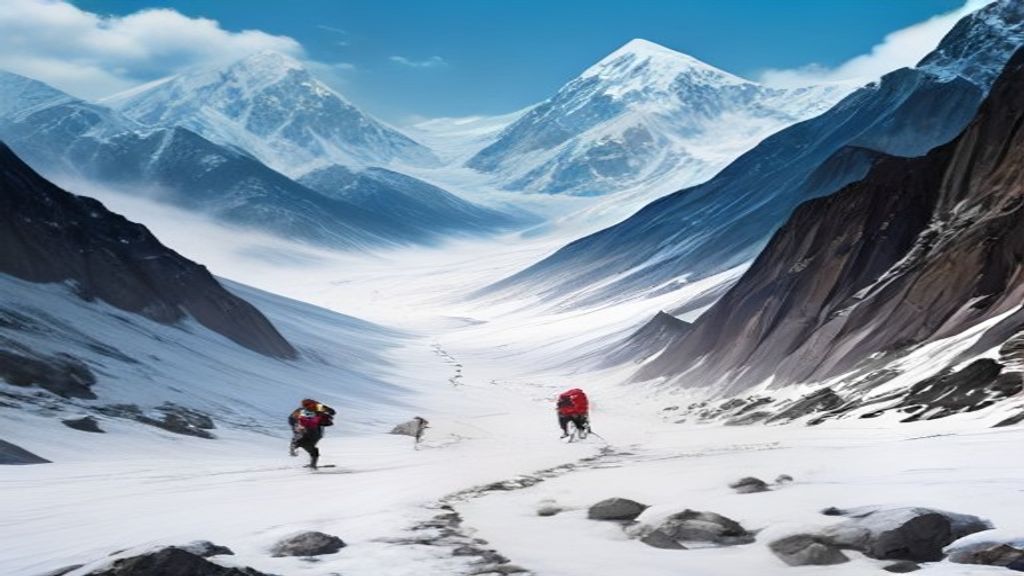
Day 0: Arrival and Acclimatization in Gaurikund
Arrive in Gaurikund via road from Rishikesh (approximately 210 kilometers, 8-9 hours) or Dehradun. Most travelers overnight in Gaurikund, completing Yatra registration formalities and purchasing any missing supplies. Use this time for light walking around the village, visiting the Gauri Kund hot springs, and adjusting to the initial elevation. Early sleep ensures a pre-dawn start for the main trek.
Day 1: Gaurikund to Kedarnath (16 kilometers)
Begin the trek by 5 AM to avoid afternoon weather deterioration and heavy trail congestion. The initial 3 kilometers follow relatively gentle gradients through forested sections. Reach Rambara (7 kilometers) within 3-4 hours for breakfast and short rest. The subsequent 9-kilometer section becomes progressively steeper, with the final 3 kilometers proving most challenging as altitude effects intensify.
Maintain a steady, sustainable pace rather than rushing. Take regular short breaks every 45-60 minutes for hydration and energy snack consumption. Most trekkers reach Kedarnath between 1 PM and 4 PM, allowing time for temple darshan before evening aarti ceremonies. Rest thoroughly after arrival, as altitude adjustment continues overnight.
Day 2: Kedarnath Exploration and Descent to Gaurikund
Attend early morning aarti at 4 AM for the most serene temple experience with minimal crowds. After darshan and breakfast, begin the descent around 8 AM. Downhill sections prove less physically demanding but require careful footing on steep sections to prevent knee strain and maintain balance. Most trekkers complete the descent within 4-6 hours, reaching Gaurikund by early afternoon.
Essential Packing Checklist
Minimize pack weight while ensuring critical items remain accessible:
- Trekking boots and backup footwear
- Layered clothing system (thermals, fleece, waterproof jacket)
- Warm accessories (gloves, woolen cap, neck warmer)
- Rain gear (jacket, pants, backpack cover)
- Trekking poles for stability on steep sections
- Headlamp with extra batteries
- Sunglasses and sunscreen (SPF 50+)
- Personal medications and first-aid supplies
- Water bottles (2 liters minimum capacity)
- High-energy snacks and electrolyte supplements
- Personal identification and permit documents
- Mobile phone and portable charger
- Lightweight sleeping bag liner if using shared accommodations
- Toiletries and quick-dry towel
- Reusable bags for waste collection
Medical Considerations and Altitude Sickness Prevention
Acute Mountain Sickness (AMS) represents the primary health concern at Kedarnath’s elevation. Symptoms include headache, nausea, dizziness, fatigue, and sleep disturbance. Prevention strategies include gradual ascent, adequate hydration (minimum 3-4 liters daily), avoiding alcohol consumption, and maintaining caloric intake despite reduced appetite.
Individuals with pre-existing cardiovascular conditions, respiratory ailments, or hypertension should consult physicians before attempting the trek. Medical facilities exist at Kedarnath but remain basic, equipped primarily for emergency stabilization before evacuation to lower elevations. Travel insurance covering high-altitude trekking and helicopter evacuation provides essential financial protection.
Connectivity and Communication
Mobile network coverage from BSNL and Airtel exists at Gaurikund and Kedarnath but remains unreliable along the trekking route. Internet connectivity proves sporadic even where mobile signals exist. Inform family members of your detailed itinerary, including expected arrival times at each checkpoint. Consider leaving emergency contact information with your accommodation providers in Gaurikund.
Cost Breakdown and Budgeting
Budget estimates for a standard 2-day Kedarnath trek in August 2026:
- Transportation (Rishikesh to Gaurikund return): ₹1,500-₹2,500
- Accommodation (2 nights): ₹1,500-₹4,000
- Food and beverages: ₹800-₹1,500
- Yatra permit and fees: ₹200-₹850
- Pony/palanquin services (optional): ₹2,500-₹9,000
- Miscellaneous (tips, donations, emergencies): ₹500-₹1,000
- Total estimated cost: ₹7,000-₹20,000 per person (excluding helicopter services)
Helicopter services add ₹6,500-₹8,000 per person per direction, significantly increasing overall expenses but reducing physical demands and time requirements.
Final Recommendations for August 2026 Trekkers
The Kedarnath trek offers transformative experiences combining physical challenge, natural splendor, and profound spiritual significance. Success requires realistic fitness assessment, thorough preparation, and respect for both the mountain environment and cultural traditions. August monsoon conditions demand enhanced caution, waterproof gear, and flexible scheduling to accommodate weather-related delays.
Register permits well in advance, monitor weather forecasts from the India Meteorological Department, and remain attentive to altitude sickness symptoms throughout your journey. The rewards of reaching the ancient Kedarnath Temple, surrounded by towering Himalayan peaks and centuries of devotional energy, justify the considerable effort required to complete this sacred pilgrimage trek.
Related Content & Internal Resources
References & External Citations
- Wikipedia Reference: Trekking to Kedarnath: Complete Trekking Guide — Wikipedia
- Official Reference Documentation — Official Reference
Written by Senior Travel Consultant & Chardham Specialist
Anaya Sharma is a seasoned travel consultant with over 15 years of experience focusing on Uttarakhand’s rich cultural and natural landscapes. Specializing in the Chardham Yatra and Himalayan treks, Anaya holds a Master’s degree in Eco-Tourism from the University of Delhi. Her extensive fieldwork includes mapping less-trodden paths and collaborating with local communities for sustainable travel. As a published author in ‘The Himalayan Travel Journal,’ Anaya is committed to providing insightful and ethical travel guidance. She regularly contributes her expertise to the ‘Travel’ website, ensuring that travelers receive authentic and culturally respectful information about Uttarakhand’s treasures.