Overview of Yamunotri
Yamunotri stands as one of the four sacred Char Dham pilgrimage sites in India, drawing thousands of devoted pilgrims annually to its remote Himalayan location. Situated in the Uttarkashi district of Uttarakhand at an elevation of approximately 3,293 meters above sea level, this revered shrine marks the source of the Yamuna River, the second holiest river in Hindu tradition after the Ganges. The pilgrimage site holds profound spiritual significance for Hindus who believe that bathing in the sacred waters of the Yamuna River purifies the soul and protects devotees from untimely death.
As of August 2026, the pilgrimage infrastructure has seen considerable improvements following the Uttarakhand government’s sustained investment in Char Dham tourism development. Despite being the monsoon season, August 2026 presents a unique opportunity for pilgrims seeking a less crowded spiritual experience, though visitors must come prepared for wet weather conditions and exercise appropriate caution during their journey.
The Yamunotri region encompasses not just the temple complex but a broader ecosystem of natural hot springs, pristine mountain landscapes, and traditional Garhwali villages that offer glimpses into centuries-old Himalayan culture. The journey to Yamunotri itself is considered an integral part of the pilgrimage, with devotees viewing the challenging trek as a test of devotion and physical endurance that mirrors the spiritual journey toward enlightenment.
Current Travel Guidelines (August 2026)

Understanding the current travel requirements and practical logistics is essential for planning a successful Yamunotri pilgrimage in August 2026. The Uttarakhand Tourism Department has streamlined many processes while maintaining necessary safety protocols for this high-altitude pilgrimage destination.
Permits and Visas
Indian nationals traveling to Yamunotri do not require any special permits or registration beyond standard government-issued identification documents such as an Aadhaar card, passport, or voter ID card. This straightforward access makes Yamunotri one of the more accessible Char Dham sites for domestic pilgrims. However, international tourists must possess a valid Indian travel visa appropriate for tourism purposes. As of August 2026, the Government of India continues to offer e-visa facilities for citizens of eligible countries, allowing visa processing within 72 hours for most applications. International visitors should ensure their visa covers the entirety of their intended stay and includes Uttarakhand within permitted travel zones.
Access Routes
The primary access route to Yamunotri begins from either Dehradun, the capital of Uttarakhand, or the spiritual town of Rishikesh. From these starting points, pilgrims travel approximately 130 kilometers to reach Barkot, a picturesque town that serves as the main base for Yamunotri-bound travelers. The journey from Dehradun or Rishikesh to Barkot typically takes between 6 to 7 hours by road, depending on traffic conditions and weather.
From Barkot, the route continues for 36 kilometers to Janki Chatti, the final motorable point before the temple. This stretch of road winds through dramatic mountain terrain and dense pine forests, with numerous hairpin bends requiring careful navigation. The road conditions in August 2026 have improved significantly due to recent government infrastructure projects, though monsoon rains can still cause temporary disruptions.
At Janki Chatti, pilgrims must leave their vehicles and undertake the final 6-kilometer trek to the Yamunotri temple. This trek ascends steadily through mountain paths alongside the Yamuna River, with the route featuring both paved sections and natural stone pathways. For those unable to complete the trek on foot, pony and palanquin services are available at Janki Chatti, though advance booking during peak season is advisable. Helicopter services from Kharsali helipad to near the temple complex have also become available as of 2025, offering a premium alternative for elderly pilgrims or those with mobility constraints.
Weather Considerations
August 2026 falls squarely within the monsoon season in the Uttarakhand Himalayas, bringing specific weather challenges that require careful preparation. Temperature ranges during August typically span from 10°C to 15°C, with nighttime temperatures occasionally dropping lower at the higher elevations near the temple. Daytime conditions can feel relatively comfortable during breaks in rainfall, but the persistent moisture and cloud cover create a damp, cool environment throughout the month.
Monsoon showers in August 2026 are frequent and can range from light drizzles to heavy downpours. Pilgrims must carry comprehensive rain gear including waterproof jackets, ponchos, rain covers for backpacks, and sturdy waterproof trekking boots with excellent grip. The trekking path becomes slippery during rain, increasing the risk of falls and requiring vigilant footing. Additionally, the monsoon season brings increased risk of landslides along mountain roads, occasionally causing temporary road closures or delays in travel schedules.
Despite these challenges, August also offers certain advantages for spiritually minded pilgrims. The monsoon transforms the landscape into a lush green paradise, with waterfalls at their most spectacular and the Yamuna River flowing with full force. The reduced crowd levels during this period allow for more intimate temple experiences and better accommodation availability, though pilgrims must weigh these benefits against the increased weather-related risks.
Key Attractions and Activities
The Yamunotri pilgrimage encompasses several significant spiritual and natural attractions that collectively create a comprehensive Himalayan pilgrimage experience. Understanding these key sites helps pilgrims maximize the spiritual and cultural value of their journey.
Yamunotri Temple
The Yamunotri Temple stands as the primary attraction and spiritual heart of the pilgrimage site. Originally constructed in 1839 by Maharani Guleria of Jaipur, the temple has undergone several renovations over the decades, with the most recent restoration completed in 2024 to reinforce the structure against seismic activity common in the Himalayan region. The temple architecture reflects traditional Garhwali style, featuring a distinctive black idol of Goddess Yamuna adorned with garlands and offerings brought by devoted pilgrims.
The temple opens for darshan from early morning until evening, with specific puja timings announced daily depending on weather conditions. During August 2026, pilgrims should expect longer waiting times during peak morning hours when most visitors arrive to perform their rituals. The temple priests conduct regular aarti ceremonies that create profoundly moving spiritual experiences, with the sound of bells and devotional chants echoing through the mountain valley.
Pilgrims traditionally offer rice and potatoes cooked in the nearby hot springs as prasad to the goddess, following rituals that have been maintained for centuries. The temple complex also houses smaller shrines dedicated to related deities, creating a comprehensive spiritual environment for worship and meditation.
Surya Kund
Surya Kund represents one of the most fascinating natural phenomena at Yamunotri, functioning as both a geological wonder and an integral element of pilgrimage rituals. This hot water spring emerges at near-boiling temperatures, with water reaching approximately 90°C as it bubbles up from geothermal sources deep within the mountain.
Pilgrims use Surya Kund for the traditional practice of cooking rice and potatoes tied in cloth bundles, which are lowered into the scalding water using long sticks. Within minutes, the thermal water cooks the offerings completely, and these cooked items are then presented as prasad at the Yamunotri Temple. This unique ritual connects pilgrims to centuries of tradition while demonstrating the remarkable power of natural geothermal forces in the Himalayas.
Adjacent to Surya Kund, the slightly cooler Gauri Kund provides water at temperatures suitable for ritual bathing. Pilgrims customarily take a ceremonial bath here before proceeding to the temple for darshan, considering the thermal waters to possess purifying properties that cleanse both body and spirit.
Hanuman Chatti
Hanuman Chatti serves as a significant waypoint located approximately 13 kilometers before Yamunotri, positioned at the confluence of the Hanuman Ganga and Yamuna rivers. This scenic location has developed into a popular base for trekkers and pilgrims, offering basic accommodation facilities and spectacular natural beauty. The area takes its name from the legend that Lord Hanuman rested at this spot while carrying the Sanjeevani herb to revive Lakshmana during the epic Ramayana.
The confluence point provides excellent photography opportunities and a peaceful environment for meditation and reflection away from the main temple crowds. Several small tea stalls and basic eateries serve hot refreshments to travelers, making Hanuman Chatti an ideal rest stop during the journey. During August 2026, the surrounding forests display their monsoon vitality, with dense vegetation and numerous seasonal waterfalls creating an enchanting atmosphere.
Pilgrimage Season Insights
The Yamunotri Temple operates on a seasonal schedule dictated by extreme Himalayan winter conditions that make the high-altitude site inaccessible and unsafe for several months annually. Understanding the pilgrimage season dynamics helps visitors choose optimal timing for their journey based on personal preferences and risk tolerance.
The temple officially opens each year in late April or early May, with the exact date determined through traditional Hindu calendar calculations and announced by temple authorities approximately two weeks in advance. The opening ceremony, known as Akshaya Tritiya, involves elaborate rituals performed by head priests and attracts significant crowds of devotees eager to be among the first visitors of the season. The temple then remains open through early November, closing for winter on Yama Dwitiya during the Diwali period, typically falling in October or November.
Within this seven-month operational window, the peak pilgrimage months traditionally occur from May to June and again from September to October. These periods offer the most favorable weather conditions with minimal rainfall, clear mountain views, and moderate temperatures ideal for trekking. May and June represent the post-winter season when snow has fully melted from lower elevations, while September and October bring post-monsoon clarity with spectacular autumn mountain scenery.
August 2026 falls within the challenging monsoon period, characterized by frequent rainfall, cloud cover, and increased landslide risks along mountain roads. The trek to Yamunotri becomes significantly more demanding during these conditions, with slippery paths requiring extra caution and proper footwear. Weather conditions can change rapidly in the mountains during monsoon, with sunny mornings giving way to afternoon downpours. However, the persistent wet conditions also mean fewer crowds, greater accommodation availability, and lower prices across all services.
Pilgrims choosing to visit during August must accept certain trade-offs. While the spiritual experience may be enhanced by solitude and the dramatic monsoon landscape, practical challenges including potential travel delays, limited visibility of mountain peaks, and uncomfortable trekking conditions require mental and physical preparation. The Uttarakhand State Disaster Management Authority maintains active monitoring during monsoon season and occasionally issues travel advisories or temporary restrictions if weather conditions become particularly hazardous.
Accommodation Options
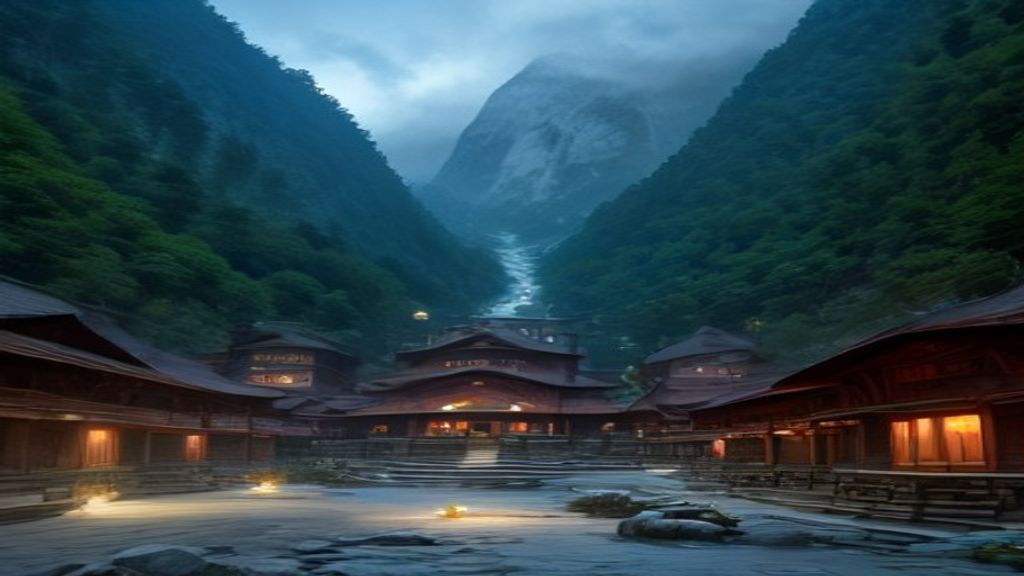
Accommodation infrastructure around Yamunotri has expanded considerably in recent years, though options remain relatively basic compared to more developed tourist destinations, reflecting the remote Himalayan location and the traditional pilgrimage nature of the site.
Janki Chatti, as the final motorable point, offers the most immediate accommodation options for pilgrims. Several basic lodges and guesthouses provide simple rooms with essential amenities including beds, blankets, and shared bathroom facilities. As of August 2026, approximately 15-20 registered lodges operate in Janki Chatti, with room rates ranging from ₹800 to ₹2,500 per night depending on facilities and season. These establishments typically offer simple vegetarian meals, understanding that pilgrims require sustenance before and after their temple trek.
Barkot, located 36 kilometers before Janki Chatti, serves as the main accommodation hub with significantly more options spanning budget lodges to mid-range hotels. The town features approximately 40-50 hotels and guesthouses as of 2026, providing more comfortable facilities including attached bathrooms, hot water systems, and some properties offering television and Wi-Fi connectivity. Barkot accommodations range from ₹1,000 for basic rooms to ₹4,000 for better-appointed hotel rooms with modern amenities.
Several traditional ashrams operate in the Yamunotri region, offering accommodation rooted in spiritual hospitality traditions. These ashrams typically provide simple dormitory-style lodging and communal vegetarian meals at minimal cost or on a donation basis. Staying at ashrams offers pilgrims deeper immersion in devotional atmosphere and opportunities to participate in morning and evening prayer sessions.
Homestays have emerged as an increasingly popular option in villages along the Yamunotri route, allowing visitors to experience authentic Garhwali culture and hospitality. Local families open their homes to guests, providing home-cooked traditional meals and insights into mountain life. These homestays typically cost ₹1,500 to ₹2,500 per night including meals and offer a more personal, culturally enriching experience than standard commercial lodges.
During August 2026, accommodation availability is generally good due to lower tourist volumes during monsoon season. However, advance booking remains advisable, particularly for better-quality properties in Barkot. Pilgrims should note that electricity supply can be intermittent in this region, and hot water availability may be limited to specific hours, typically early morning and evening.
Travel Tips and FAQs

Practical knowledge and answers to common questions help pilgrims prepare effectively for their Yamunotri journey, avoiding common pitfalls and ensuring a safer, more rewarding experience.
Connectivity
Modern connectivity remains limited in the Yamunotri region due to its remote Himalayan location, though improvements continue gradually. As of August 2026, mobile network coverage from major providers including Jio, Airtel, and BSNL is available in Barkot and intermittently in Janki Chatti, though signal strength varies considerably. The trek path to Yamunotri temple typically has no reliable mobile signal, effectively disconnecting pilgrims from digital communications during the most sacred portion of their journey.
Wi-Fi availability is extremely limited, with only a handful of mid-range hotels in Barkot offering Wi-Fi connectivity to guests, often at additional charges. The Wi-Fi speeds are generally slow and unreliable, suitable only for basic messaging and email checking rather than video calls or streaming. Most travelers rely on mobile data with tethering options when connectivity is available, though pilgrims should inform family members to expect communication blackouts during certain portions of the journey.
This limited connectivity is increasingly viewed as a feature rather than a limitation by many pilgrims, offering a rare opportunity for digital detox and complete immersion in spiritual practice away from constant phone notifications and internet distractions.
Guided Treks
The question of whether guides are necessary for the Yamunotri trek receives varied answers depending on individual experience levels and comfort with mountain environments. For seasoned trekkers familiar with Himalayan conditions, the 6-kilometer trek from Janki Chatti to Yamunotri temple is straightforward and well-marked, making guides optional. The path is heavily traveled during pilgrimage season with frequent fellow pilgrims and support services along the route.
However, guides are strongly advisable for inexperienced trekkers, first-time Himalayan visitors, elderly pilgrims, and anyone traveling during challenging weather conditions like the August 2026 monsoon. Local guides possess intimate knowledge of weather patterns, trail conditions, safe resting points, and alternative routes if primary paths become hazardous. They can also provide valuable cultural context about the pilgrimage site and assist with temple rituals for those unfamiliar with proper protocols.
Licensed guides are available for hire at Janki Chatti, with rates typically ranging from ₹500 to ₹1,000 for the round-trip trek. Many lodges and guesthouses can arrange guides upon request. During monsoon season particularly, guides serve an important safety function by helping pilgrims navigate slippery sections and making informed decisions about whether conditions are safe for proceeding.
Local Cuisine
The culinary experience in the Yamunotri region centers on simple, nutritious vegetarian meals that reflect both religious traditions and practical mountain living. The local Garhwali cuisine emphasizes staple ingredients including rice, wheat, lentils, and seasonal vegetables, prepared with minimal but flavorful spicing.
Pilgrims can expect meals typically consisting of sabzi (vegetable curry), dal (lentil soup), and bhat (rice), often accompanied by roti (flatbread) and occasionally regional specialties like jhangora ki kheer (barnyard millet pudding) or aloo ke gutke (spiced potatoes). The food is freshly prepared, wholesome, and designed to provide energy for trekking without being heavy or difficult to digest at high altitudes.
Most lodges, ashrams, and guesthouses offer thali-style meals where a complete plate with multiple items is served for a fixed price, typically ranging from ₹150 to ₹300 depending on the establishment. Tea stalls along the trek path provide hot chai, simple snacks like biscuits and packaged chips, and occasionally maggi noodles, which have become a staple comfort food for Himalayan trekkers.
Pilgrims should carry supplementary energy foods including dry fruits, energy bars, and chocolate for the trek, as food options become limited once leaving Janki Chatti. Staying well-hydrated is crucial at altitude, though visitors should drink only bottled or properly boiled water to avoid waterborne illnesses.
Future Developments
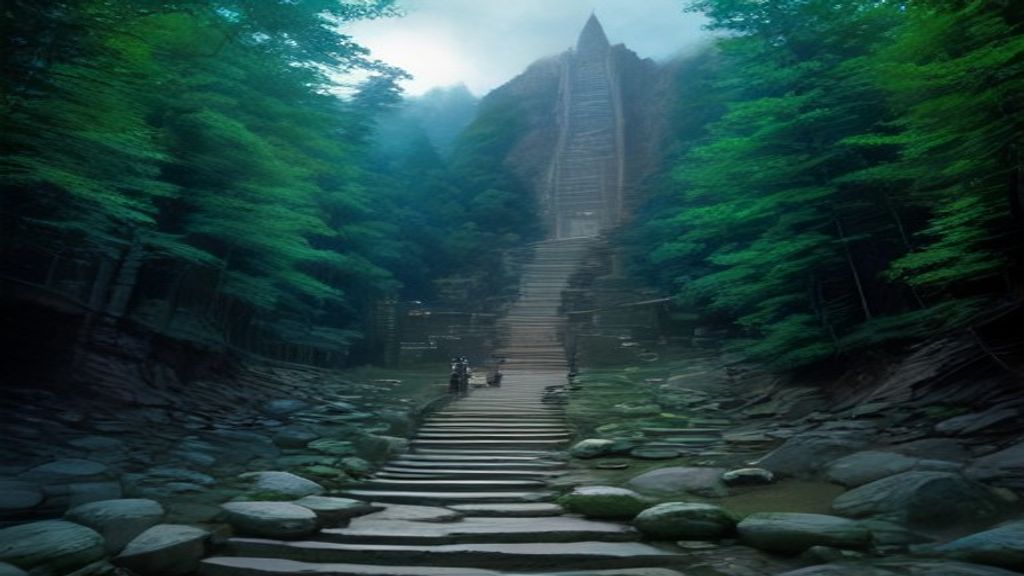
The Uttarakhand government has announced ambitious infrastructure development plans for the entire Char Dham circuit, with Yamunotri included as a priority destination for tourism enhancement. As of August 2026, several key projects are either underway or in advanced planning stages that will significantly transform the pilgrimage experience in coming years.
Road infrastructure improvements represent the most substantial investment area, with plans to widen and upgrade the Rishikesh-Barkot-Janki Chatti highway to all-weather double-lane standards. This project aims to reduce journey times and improve safety during monsoon season when landslides currently pose significant challenges. The estimated completion timeline extends through 2028, with phased improvements visible throughout 2026 and 2027.
Helicopter service expansion is another focus area, with proposals to establish additional helipad facilities at strategic locations to provide more accessible premium travel options for elderly pilgrims and those with limited mobility. The helicopter services that began operation in 2025 are seeing strong demand, encouraging private operators to add capacity.
Accommodation infrastructure is being enhanced through public-private partnerships that incentivize development of mid-range hotels meeting specified quality standards. The government has also announced plans for improved public facilities including clean toilet blocks, medical aid stations, and pilgrim rest houses at regular intervals along the trek route.
Environmental sustainability has become a central concern in these development plans, with regulations requiring waste management systems, restrictions on plastic usage, and measures to protect the fragile Himalayan ecosystem from tourism impacts. The goal is to balance enhanced accessibility with ecological preservation, ensuring that Yamunotri remains a pristine spiritual destination for future generations.
Conclusion
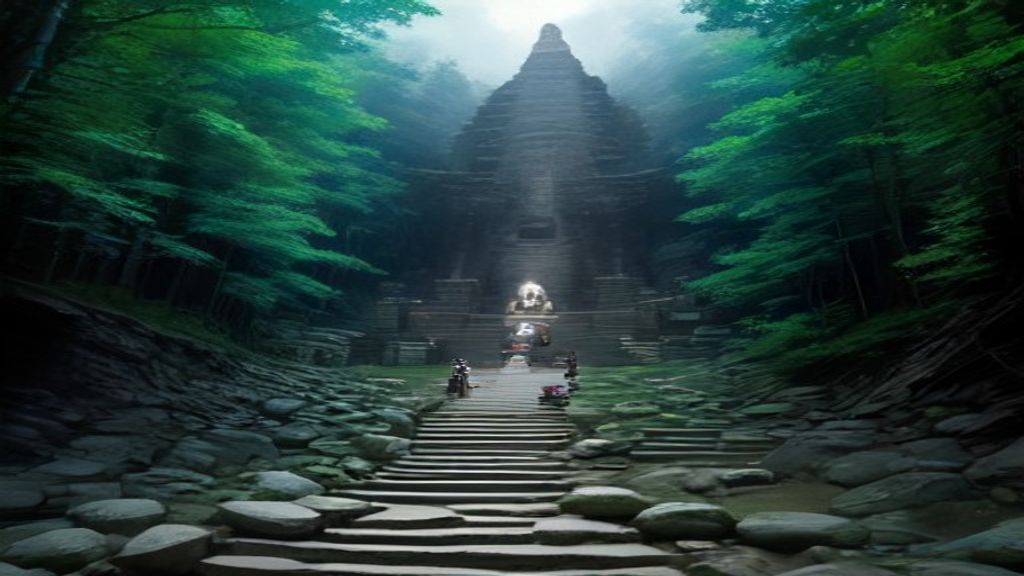
Visiting Yamunotri during August 2026 presents a unique pilgrimage opportunity combining profound spiritual significance with the raw beauty of the monsoon-transformed Himalayas. While the journey demands careful preparation and respect for challenging weather conditions, pilgrims who undertake this sacred trek will find themselves rewarded with an authentic, less commercialized spiritual experience that connects them to centuries of devotional tradition.
The combination of the ancient Yamunotri Temple dedicated to Goddess Yamuna, the remarkable Surya Kund hot springs, and the spectacular mountain landscapes creates a pilgrimage environment that transcends ordinary tourism. Whether taking the traditional 6-kilometer trek or utilizing modern helicopter services, visitors engage with a living spiritual tradition that continues to draw devoted Hindus seeking purification and blessing from one of India’s most sacred rivers.
Success in navigating the August monsoon conditions depends on thorough preparation including appropriate rain gear, sturdy footwear, flexibility regarding travel schedules, and realistic assessment of personal physical capabilities. The reduced crowds during this period offer enhanced opportunities for quiet contemplation and meaningful spiritual practice, though these benefits come with increased weather-related challenges requiring vigilance and caution.
As infrastructure improvements continue under government development initiatives, the Yamunotri pilgrimage experience will evolve in coming years with enhanced accessibility and comfort. However, the core spiritual essence of this sacred site will endure, maintaining its position as one of Hinduism’s most revered pilgrimage destinations and offering devotees a transformative journey through both outer landscapes and inner spiritual terrain.
Related Content & Internal Resources
References & External Citations
- Wikipedia Reference: Yamunotri FAQs: Everything You Need to Know — Wikipedia
- Official Reference Documentation — Official Reference
Written by Senior Travel Consultant & Chardham Specialist
Anaya Sharma is a seasoned travel consultant with over 15 years of experience focusing on Uttarakhand’s rich cultural and natural landscapes. Specializing in the Chardham Yatra and Himalayan treks, Anaya holds a Master’s degree in Eco-Tourism from the University of Delhi. Her extensive fieldwork includes mapping less-trodden paths and collaborating with local communities for sustainable travel. As a published author in ‘The Himalayan Travel Journal,’ Anaya is committed to providing insightful and ethical travel guidance. She regularly contributes her expertise to the ‘Travel’ website, ensuring that travelers receive authentic and culturally respectful information about Uttarakhand’s treasures.