Key Facts About Badrinath in 2026

Badrinath, one of the most revered pilgrimage sites in India, continues to attract thousands of devotees annually. Located in the Chamoli district of Uttarakhand, it is part of the Char Dham pilgrimage circuit. This ancient temple dedicated to Lord Vishnu stands as a testament to spiritual devotion and architectural heritage, drawing pilgrims from across the globe who seek blessings in the shadow of the majestic Himalayas. The temple’s significance extends beyond religious boundaries, representing centuries of cultural continuity and spiritual practice in one of the world’s most challenging terrains.
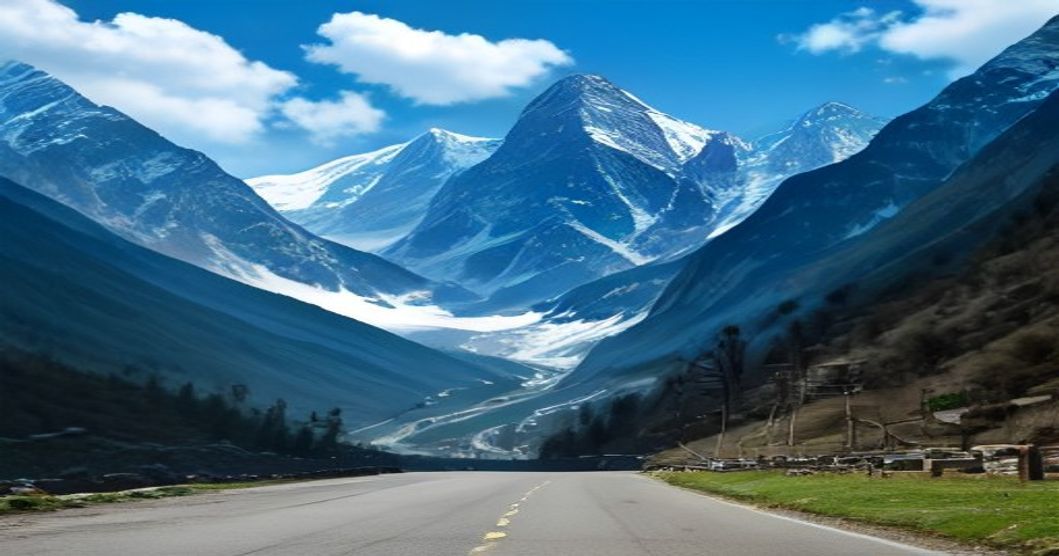
As of August 2026, Badrinath remains accessible through modernized infrastructure while maintaining its sacred atmosphere. The temple complex includes the main shrine, hot springs known as Tapt Kund, and the Neelkanth peak that provides a stunning backdrop. Pilgrims visiting during the 2026 season benefit from enhanced facilities, improved road connectivity, and better emergency response systems established by the Uttarakhand government in collaboration with the National Disaster Management Authority.
Opening and Closing Dates
The Badrinath Temple typically opens in late April and closes in early November, depending on local weather conditions and auspicious timings determined by temple authorities. In 2026, the temple opened its doors to devotees on April 30 following the traditional Akshaya Tritiya ceremony, and is scheduled to close on November 12 before the harsh winter conditions make the region inaccessible. These dates are finalized after careful consultation with meteorological departments and astronomical calculations performed by temple priests.
The opening ceremony in 2026 witnessed approximately 15,000 pilgrims on the first day alone, marking a significant increase from previous years. Temple authorities have implemented a streamlined darshan system that accommodates between 12,000 to 18,000 visitors daily during peak season months of May, June, September, and October. The closing ceremony, scheduled for November 12, will involve the traditional procession of the deity to the winter seat at Jyotirmath in Joshimath, where worship continues throughout the winter months when Badrinath remains snow-bound and inaccessible.
Travel and Transportation
Visitors can reach Badrinath via road, with the nearest airport being Jolly Grant Airport in Dehradun, located approximately 314 kilometers away. The airport has expanded its capacity in 2026 with additional flights from major cities including Delhi, Mumbai, and Bangalore, making the pilgrimage more accessible to devotees from southern and western India. Helicopter services from Dehradun to nearby helipads at Govindghat and Joshimath have also increased in frequency, offering a faster alternative for those with time constraints or physical limitations.
The nearest railway station is in Rishikesh, situated about 294 kilometers from Badrinath. From Rishikesh, pilgrims can hire taxis, board state transport buses, or opt for shared vehicles that ply regularly on the Rishikesh-Badrinath route. The journey typically takes between 9 to 11 hours depending on traffic conditions and mandatory stops at checkpoints. In 2026, the Uttarakhand Transport Corporation has introduced 45 new eco-friendly electric buses on this route as part of the Green Char Dham initiative, reducing carbon emissions while maintaining comfortable travel standards.
The road journey passes through picturesque towns including Devprayag, Rudraprayag, Karnaprayag, and Joshimath, each offering rest stops and refreshment facilities. The All-Weather Road project, completed in phases throughout 2025 and early 2026, has significantly improved road safety with wider lanes, better drainage systems, and reinforced retaining walls that minimize landslide risks. Real-time traffic updates are now available through a dedicated mobile application launched in March 2026, helping pilgrims plan their journey more effectively.
Accommodation Options
A range of accommodations is available in Badrinath and surrounding areas, from government guest houses managed by the Garhwal Mandal Vikas Nigam to private hotels offering varying levels of comfort. It is strongly advisable to book in advance, especially during peak pilgrimage season from May through June and September through October when occupancy rates regularly exceed 95 percent. The Uttarakhand Tourism Development Board has partnered with major online travel platforms to streamline booking processes, with approximately 3,500 registered accommodation units now available through centralized digital portals.
Budget travelers can find dormitory-style accommodations starting from 800 rupees per night, while mid-range hotels charge between 2,500 to 5,000 rupees depending on amenities. Premium properties with heated rooms, hot water supply, and attached dining facilities range from 6,000 to 12,000 rupees per night. Government guest houses offer clean, basic accommodation at subsidized rates between 1,200 to 2,500 rupees, though these fill up quickly and require advance booking through official portals at least 30 days prior to arrival.
In 2026, several new homestay initiatives have emerged in villages surrounding Badrinath, including Mana, the last Indian village before the Tibet border. These homestays provide authentic cultural experiences while supporting local economies, with prices ranging from 1,500 to 3,000 rupees per night including traditional Garhwali meals. Many accommodations now feature improved insulation, backup power generators, and oxygen concentrators to address altitude-related concerns, reflecting the increasing focus on pilgrim safety and comfort.
Frequently Asked Questions About Badrinath

What is the Altitude of Badrinath?
Badrinath is situated at an altitude of 3,300 meters (10,827 feet) above sea level, making it one of the highest Hindu temples accessible by motorable road in India. This significant elevation places the temple in the alpine climate zone, where atmospheric oxygen levels are approximately 30 percent lower than at sea level. First-time visitors, especially those arriving directly from plains regions, should be aware that altitude sickness symptoms including headache, nausea, breathlessness, and fatigue can occur within the first 24 to 48 hours of arrival.
The high altitude environment requires proper acclimatization strategies. Medical experts recommend spending at least one night at an intermediate elevation such as Joshimath (located at 1,890 meters) before proceeding to Badrinath. Pilgrims should stay well-hydrated by consuming at least 3 to 4 liters of water daily, avoid alcohol and heavy meals, and move slowly to minimize physical exertion during the first day. The temple complex itself involves climbing approximately 50 steps, which can be challenging for individuals with pre-existing cardiovascular or respiratory conditions.
What Can Pilgrims Expect in Terms of Weather?
The climate at Badrinath varies considerably throughout the pilgrimage season, with a combination of cold weather and occasional rain showers that can occur unexpectedly. Pilgrims should be prepared for daytime temperatures ranging from 5°C to 18°C (41°F to 64°F) during the pilgrimage months from May through November. Morning temperatures, especially during early season visits in May and late season visits in October and November, frequently drop to near-freezing levels, requiring warm layered clothing including thermal wear, woolen jackets, and windproof outer layers.
August 2026 weather patterns have shown typical monsoon characteristics with increased cloud cover and intermittent rainfall, though the region experiences less intense monsoon impact compared to lower Himalayan areas. September and October generally offer the most favorable weather conditions with clear skies, stable temperatures, and excellent visibility of surrounding peaks including Neelkanth. However, weather in mountain regions remains inherently unpredictable, and pilgrims should monitor daily forecasts available through the Uttarakhand Meteorological Department’s mobile application launched specifically for Char Dham pilgrims.
Snowfall can occur as early as late October, and sudden weather changes have been recorded even during traditional peak season months. The 2026 season has seen improved weather forecasting accuracy with Doppler radar installations at strategic locations, providing 48-hour advance warnings for severe weather events. Pilgrims are advised to carry waterproof jackets, sturdy walking shoes with good grip, sun protection including sunscreen and sunglasses for high-altitude UV exposure, and portable rain covers for electronic devices and important documents.
Are There Any Special Dress Codes?
While there is no strict dress code enforced at Badrinath Temple, modest dress is strongly recommended out of respect for the sanctity of the site and consideration for the traditional sensibilities of fellow pilgrims and local communities. Devotees are expected to dress conservatively, with men typically wearing full-length trousers and shirts or traditional kurta-pajama, while women are encouraged to wear salwar-kameez, sarees with blouses, or long skirts with covered shoulders.
Shorts, sleeveless tops, and revealing clothing are considered inappropriate within the temple premises. Footwear must be removed before entering the main sanctum, and designated shoe-keeping facilities are available with a nominal charge of 10 to 20 rupees. During winter months or early morning visits, pilgrims should layer modest clothing beneath warm jackets and shawls that can be removed before entering the temple. The temple provides free shawls at the entrance for those whose attire may not meet modest standards, ensuring no devotee is turned away due to clothing concerns.
Photography is restricted within the main sanctum area, though permissible in outer courtyards and surrounding areas. Mobile phones should be silenced, and devotees are expected to maintain decorum by avoiding loud conversations. The temple administration has posted clear signage in Hindi, English, and regional languages outlining behavioral expectations, and volunteers are available to guide first-time visitors through proper protocol.
How to Ensure Safe Pilgrimage?
Given the high altitude and challenging terrain, ensuring a safe pilgrimage to Badrinath requires careful preparation and awareness of potential health risks. It is advisable for visitors to undergo a basic medical check-up before undertaking the journey, particularly those with pre-existing conditions such as hypertension, diabetes, cardiac issues, or respiratory disorders. Carrying necessary medications in sufficient quantities is essential, as pharmaceutical availability in Badrinath is limited to basic supplies, and specialized medications may not be readily accessible.
The Government of Uttarakhand has established medical centers at strategic locations including Joshimath and Badrinath itself, staffed with doctors trained in altitude medicine and emergency response. In 2026, these facilities have been upgraded with oxygen concentrators, cardiac monitoring equipment, and telemedicine connectivity to specialty hospitals in Dehradun and Delhi for remote consultations. The emergency helpline number 1905 provides 24-hour assistance for medical emergencies, accident reporting, and general pilgrim queries.
Pilgrims should register through the official Char Dham registration portal before commencing their journey, providing emergency contact information and basic health details. This registration, mandatory since January 2026, enables authorities to track pilgrim movements and provide timely assistance during emergencies or natural calamities. Travel insurance covering high-altitude medical emergencies and emergency evacuation is strongly recommended, with several insurance providers offering specialized Char Dham pilgrimage policies ranging from 500 to 2,000 rupees for comprehensive coverage.
Staying updated on weather advisories through official channels, avoiding travel during heavy rainfall or landslide warnings, carrying adequate warm clothing and rain protection, and maintaining hydration are fundamental safety practices. Solo travelers, particularly elderly pilgrims, are encouraged to join organized tour groups that provide experienced guides familiar with local conditions and emergency protocols. The installation of CCTV cameras at 150 locations along the pilgrimage route and the deployment of Quick Response Teams at 25 strategic points have significantly enhanced pilgrim safety in 2026.
Trends and Visitor Insights for 2026

Visitor numbers in 2026 are projected to reach approximately 1.2 million for the entire pilgrimage season, representing a 15 percent increase over 2025 figures. This growth is attributed to improved accessibility through upgraded road infrastructure, increased flight connectivity, and aggressive marketing campaigns by the Uttarakhand Tourism Department highlighting the spiritual and natural beauty of the Char Dham circuit. Government infrastructure projects including the all-weather road initiative, better medical facilities, enhanced telecommunications connectivity, and streamlined accommodation booking systems have collectively made the pilgrimage more feasible for a broader demographic including international visitors.
The introduction of eco-friendly buses powered by electric and compressed natural gas technologies has transformed visitor management while significantly reducing the carbon footprint of the pilgrimage. As of August 2026, approximately 120 such vehicles operate on the Rishikesh-Badrinath route, with charging and refueling infrastructure established at major stops. This green initiative aligns with the United Nations Sustainable Development Goals and positions Uttarakhand as a leader in sustainable religious tourism within India.
- The focus on sustainable tourism has led to comprehensive waste management practices including mandatory waste segregation at source, plastic ban enforcement with fines up to 5,000 rupees for violations, and the installation of 200 waste processing units along the pilgrimage route that convert organic waste into compost distributed to local farmers.
- Increased digital connectivity through the expansion of 4G mobile networks to previously unconnected areas and the installation of public WiFi hotspots at 35 locations has dramatically improved the booking experience for accommodations, real-time darshan slot reservations, and temple visit planning through dedicated mobile applications downloaded by over 800,000 users in 2026.
- Digital payment infrastructure has expanded significantly with QR code-based payment systems accepted at over 90 percent of shops, restaurants, and service providers, reducing the need for carrying large amounts of cash and enhancing transaction security.
- The Badrinath Temple Committee has implemented a virtual queue management system accessible through mobile devices, allowing pilgrims to book specific darshan time slots in advance, reducing waiting times from an average of 4 hours in previous years to approximately 45 minutes in 2026.
- Cultural preservation initiatives have gained momentum with the establishment of heritage zones in Mana village and other surrounding areas, where traditional Garhwali architecture is protected, local crafts are promoted, and cultural performances are organized for visitors, creating additional livelihood opportunities for local communities.
Demographic analysis of 2026 visitors reveals interesting patterns, with approximately 35 percent of pilgrims aged below 40 years, indicating growing interest among younger generations in spiritual tourism. International visitors, primarily from Nepal, the United States, European nations, and Southeast Asian countries, constitute roughly 8 percent of total visitors, drawn by both spiritual interests and adventure tourism opportunities in the surrounding Himalayan landscape. The average duration of stay in Badrinath has increased from 1.5 days to 2.3 days, suggesting that improved amenities encourage extended visits and deeper engagement with the destination.
Social media engagement around Badrinath pilgrimage experiences has exploded in 2026, with over 2.5 million posts tagged with Badrinath-related hashtags across platforms, generating organic marketing value and inspiring potential visitors. The Uttarakhand Tourism Board has leveraged this trend through influencer partnerships and user-generated content campaigns that showcase authentic pilgrimage experiences while promoting responsible tourism behaviors.
Essential Planning Tips for Your Badrinath Visit

Successful pilgrimage planning begins with understanding the seasonal variations and choosing appropriate travel dates based on personal preferences and physical capabilities. May and June offer warmer temperatures and longer daylight hours but coincide with peak crowds, while September and October provide more comfortable weather and slightly fewer visitors. The monsoon months of July and August see reduced pilgrim numbers due to landslide risks and challenging road conditions, though these months can offer a more serene experience for those willing to accept weather uncertainties.
Booking accommodations at least 45 to 60 days in advance is crucial for securing preferred properties and locations. Early booking also often provides cost advantages with many hotels offering discounts of 10 to 20 percent for advance reservations. Similarly, vehicle bookings from Rishikesh or Dehradun should be finalized early, particularly for those preferring private transport over shared taxis or buses.
Physical preparation should begin at least 4 to 6 weeks before the planned journey, with regular cardiovascular exercises such as walking, cycling, or swimming to build stamina and lung capacity. This preparation significantly reduces altitude adjustment challenges and enhances overall pilgrimage enjoyment. Consulting with healthcare providers about altitude sickness prevention medications such as acetazolamide may be beneficial for individuals particularly concerned about high-altitude effects.
Packing essentials should include multiple layers of warm clothing, waterproof outerwear, comfortable walking shoes, personal medications with prescriptions, basic first-aid supplies, portable phone chargers or power banks, important documents in waterproof pouches, modest clothing suitable for temple visits, and personal hygiene items. Cash in small denominations remains useful despite digital payment expansion, particularly for donations, small purchases, and services where electronic systems may be temporarily unavailable.
Understanding and respecting local customs enhances the pilgrimage experience for all. This includes following queue discipline at the temple, speaking courteously with temple staff and local residents, not littering or defacing property, refraining from loud music or disruptive behavior, and supporting local businesses by purchasing authentic handicrafts and products directly from artisan communities. The concept of responsible tourism emphasizes leaving destinations better than found, minimizing environmental impact, and contributing positively to local economies.
Related Content & Internal Resources
References & External Citations
- Wikipedia Reference: Badrinath FAQs: What to Expect — Wikipedia
- Official Reference Documentation — Official Reference
Written by Senior Travel Consultant & Chardham Specialist
Anaya Sharma is a seasoned travel consultant with over 15 years of experience focusing on Uttarakhand’s rich cultural and natural landscapes. Specializing in the Chardham Yatra and Himalayan treks, Anaya holds a Master’s degree in Eco-Tourism from the University of Delhi. Her extensive fieldwork includes mapping less-trodden paths and collaborating with local communities for sustainable travel. As a published author in ‘The Himalayan Travel Journal,’ Anaya is committed to providing insightful and ethical travel guidance. She regularly contributes her expertise to the ‘Travel’ website, ensuring that travelers receive authentic and culturally respectful information about Uttarakhand’s treasures.