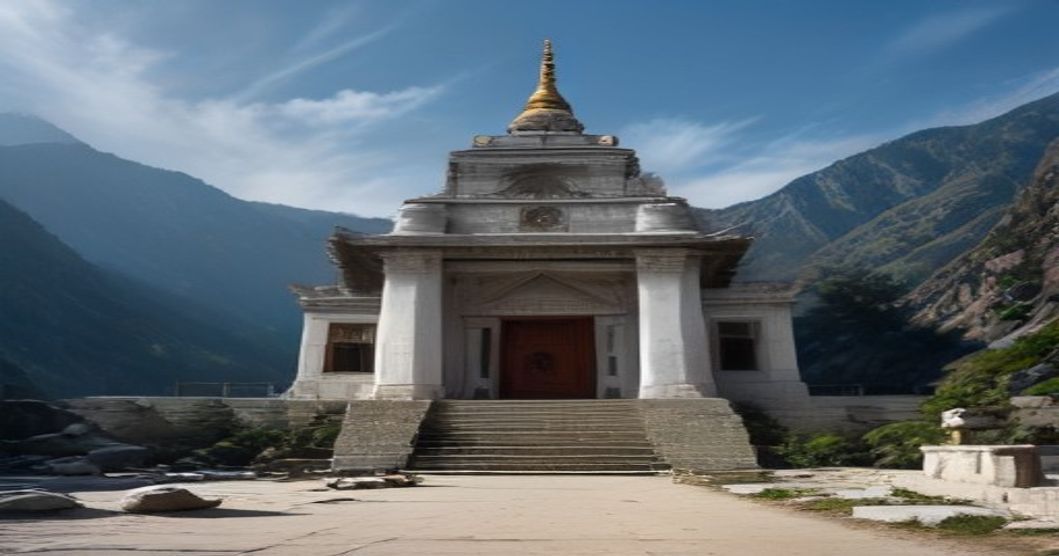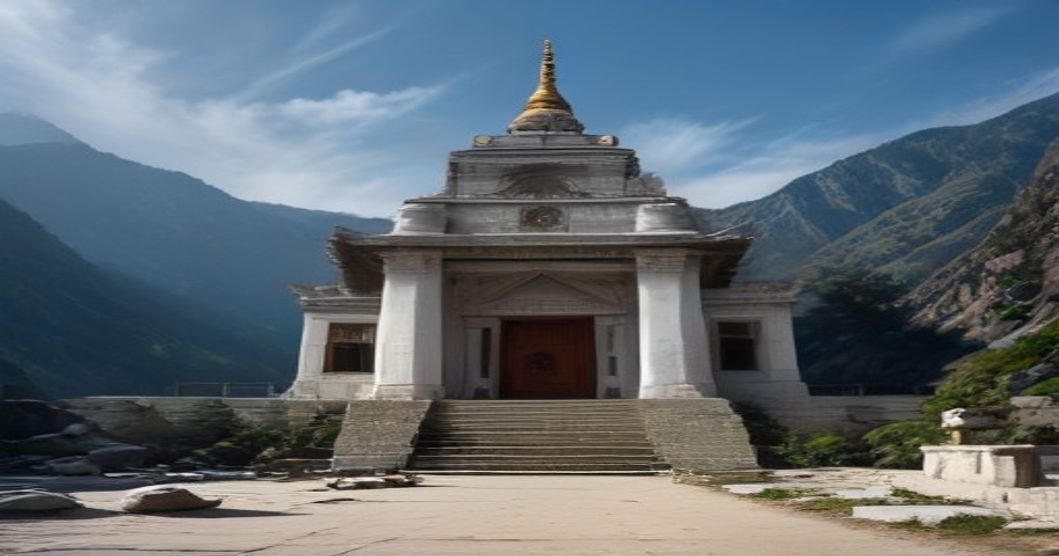
Gangotri Temple: A Sacred Journey Through History
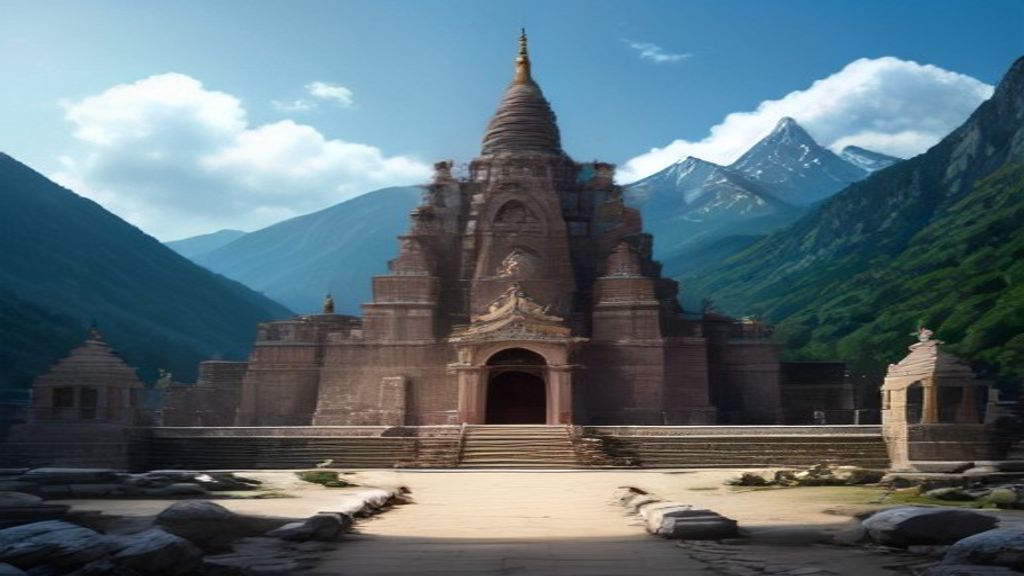
Perched at an elevation of 3,100 meters (10,170 feet) in the Garhwal Himalayas, Gangotri Temple represents one of India’s most spiritually significant pilgrimage destinations. This ancient shrine dedicated to Goddess Ganga serves as the origin point of one of Hinduism’s holiest rivers and attracts devotees seeking both spiritual fulfillment and connection with the divine source of the Ganges.
Key Facts About Gangotri Temple
The Gangotri Temple, located in Uttarkashi district of Uttarakhand, India, is a revered Hindu pilgrimage site dedicated to the goddess Ganga. Established in the 18th century by Amar Singh Thapa, a Gorkha general, the temple is part of the Chota Char Dham pilgrimage circuit in Uttarakhand, alongside Yamunotri, Kedarnath, and Badrinath. This sacred circuit distinguishes itself from the larger Char Dham pilgrimage that includes Dwarka, Puri, Rameswaram, and Badrinath.
The current temple structure, built from white granite, was constructed by Amar Singh Thapa between 1780 and 1789. The architecture follows traditional North Indian temple design principles, featuring a 20-foot-high structure with intricate carvings depicting various Hindu deities and mythological scenes. The temple houses a silver idol of Goddess Ganga, which serves as the primary deity for worship throughout the pilgrimage season.
The temple complex sits on the right bank of the Bhagirathi River, considered the main source stream of the Ganges. The actual glacial source, Gaumukh, lies approximately 19 kilometers upstream from the temple at an altitude of 4,023 meters. Many pilgrims extend their journey beyond the temple to reach this glacial snout, though the trek requires proper acclimatization and physical preparation.
Spiritual and Historical Significance
According to Hindu mythology, Gangotri is the spot where the Goddess Ganga descended from heaven after Lord Shiva released her from his locks. This historical significance attracts thousands of devotees every year, making it a central spiritual hub. The legend states that King Bhagiratha performed intense penance to bring the celestial river to earth to liberate the souls of his ancestors. Moved by his devotion, the gods agreed to release Ganga, but her powerful descent threatened to flood the earth. Lord Shiva intervened, catching the river in his matted hair and releasing her in controlled streams, with Gangotri marking the primary descent point.
The temple’s spiritual importance extends beyond mythology into documented historical records. Ancient texts including the Skanda Purana and Mahabharata reference the Gangotri region as a site of profound religious significance. Sage Patanjali, other ancient rishis, and numerous spiritual seekers have meditated in the surrounding caves and forests, establishing this area as a center for spiritual practice and enlightenment.
Historical evidence indicates that pilgrimage to Gangotri dates back at least 2,000 years, though the formal temple structure is relatively modern. Before the 18th-century construction, devotees worshiped at natural rock formations and open-air shrines. The establishment of a permanent temple structure by Amar Singh Thapa formalized the pilgrimage route and provided shelter for devotees undertaking the challenging mountain journey.
A sacred Shivalinga, submerged in the river near the temple, emerges during winter months when water levels drop significantly. This natural phenomenon, occurring between November and April when the temple remains closed, reinforces the connection between Lord Shiva and the goddess Ganga in devotional consciousness.
Current Trends and Visitor Information (2026)
The temple is open to the public from May to October, with a peak pilgrimage season occurring between May and June. Digital guided tours have become increasingly popular among tech-savvy devotees. In August 2026, the Uttarakhand government has enhanced the digital pilgrimage infrastructure with QR-coded information boards at 47 locations along the route, providing historical context, safety information, and real-time weather updates accessible through smartphones.
Sustainability initiatives, such as waste management and eco-friendly accommodations, are emphasized in current guidelines for visitors. The Uttarakhand Tourism Development Board launched the
Related Content & Internal Resources
References & External Citations
- Wikipedia Reference: Gangotri Temple: Spiritual Guide and History — Wikipedia
- Official Reference Documentation — Official Reference
Written by Senior Travel Consultant & Chardham Specialist
Anaya Sharma is a seasoned travel consultant with over 15 years of experience focusing on Uttarakhand’s rich cultural and natural landscapes. Specializing in the Chardham Yatra and Himalayan treks, Anaya holds a Master’s degree in Eco-Tourism from the University of Delhi. Her extensive fieldwork includes mapping less-trodden paths and collaborating with local communities for sustainable travel. As a published author in ‘The Himalayan Travel Journal,’ Anaya is committed to providing insightful and ethical travel guidance. She regularly contributes her expertise to the ‘Travel’ website, ensuring that travelers receive authentic and culturally respectful information about Uttarakhand’s treasures.