Gangotri Visiting Tips: What You Should Know
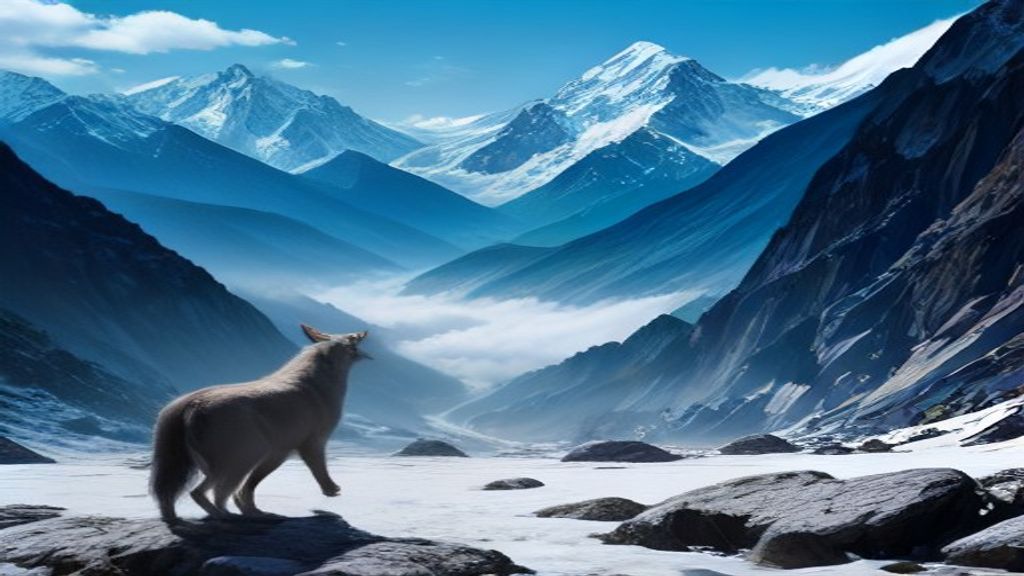
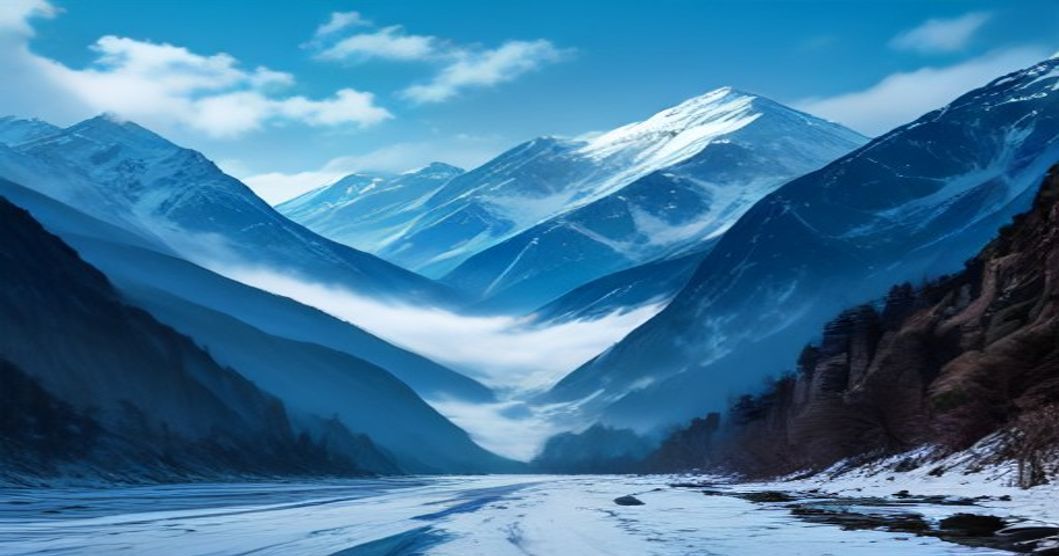
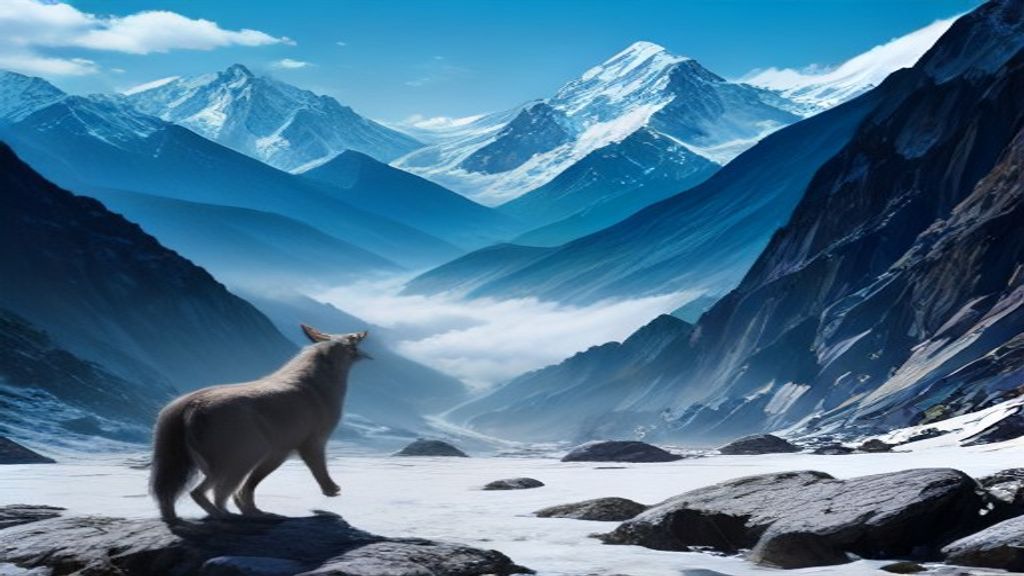
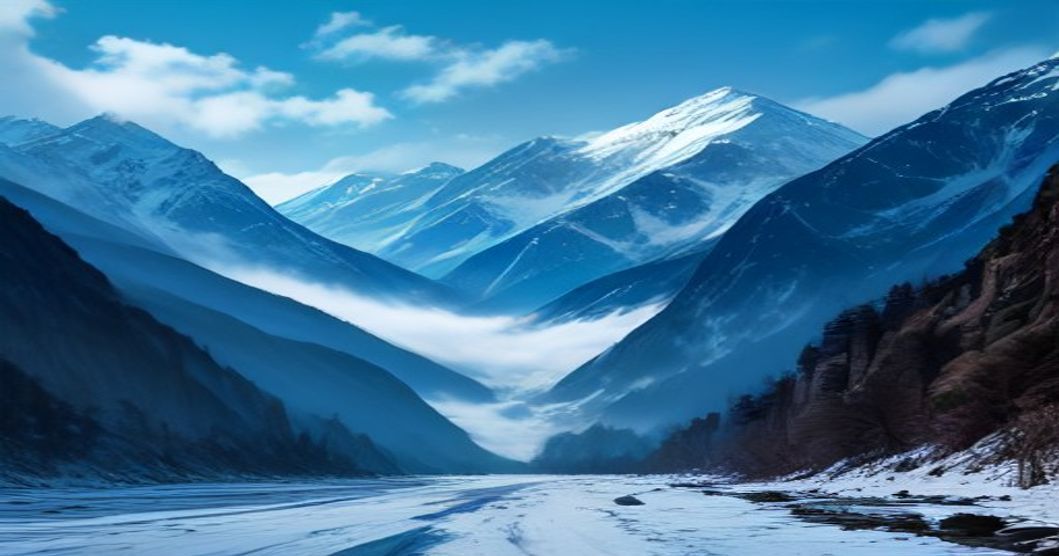
Gangotri stands as one of the most sacred pilgrimage destinations in the Indian Himalayas, serving as the origin point of the holy River Ganga and attracting devotees and adventure seekers from across the globe. As of August 2026, planning a visit to this revered shrine requires careful preparation, awareness of current infrastructure developments, and respect for both the natural environment and spiritual significance of the region. This comprehensive guide provides essential information to help you navigate your journey to Gangotri successfully.
Current Travel Trends and Visitor Statistics
In August 2026, Gangotri continues to be one of the key destinations in the Char Dham pilgrimage, attracting an estimated 500,000 visitors annually. The region has seen a 10% increase in international tourists compared to 2025 due to improved infrastructure and new eco-friendly initiatives. This growth reflects broader trends in spiritual tourism and the increasing global interest in Himalayan pilgrimage circuits.
The Uttarakhand Tourism Development Board has reported that the demographic of visitors has shifted noticeably in recent years. While traditional pilgrims still form the majority, approximately 35% of visitors in 2026 are now adventure trekkers and nature enthusiasts seeking access to the Gaumukh glacier and surrounding high-altitude landscapes. The summer months of May and June see the highest footfall, with daily visitor numbers sometimes exceeding 3,000 during peak pilgrimage season.
Digital infrastructure improvements completed in early 2026 have made real-time booking and permit acquisition significantly easier. The introduction of mobile connectivity zones along the route from Uttarkashi to Gangotri has enhanced safety communications and enabled visitors to stay connected with family and emergency services throughout most of their journey.
Best Time to Visit
The optimal time to visit Gangotri is from April to June and September to November. During these months, the weather is pleasant, and the nearby trekking trails such as Gaumukh are accessible. The monsoon season (July and August) brings heavy rainfall, often leading to landslides and road closures.
April marks the opening of the Gangotri Temple, typically coinciding with the Akshaya Tritiya festival. This opening ceremony, known as Ganga Dussehra, draws large crowds and represents an auspicious time for pilgrimage. Daytime temperatures during April and May range from 10 to 20 degrees Celsius, making outdoor activities comfortable, though nights remain cold with temperatures dropping near freezing.
The September to November window offers particularly stunning views as the post-monsoon clarity reveals the towering Himalayan peaks in their full grandeur. October is especially favored by photographers and trekkers, with stable weather patterns and minimal precipitation. However, by late November, temperatures begin dropping significantly, and the temple typically closes for winter around Diwali, with exact dates announced by temple authorities based on traditional calculations.
Winter months from December through March see the region completely snowbound, with the deity from Gangotri Temple relocated to Mukhba village for worship. The road remains closed, and visiting during this period is neither practical nor recommended for general tourists.
Travel and Accommodation
Reaching Gangotri requires careful planning of your transportation logistics. The nearest airport is Jolly Grant Airport in Dehradun, about 250 km away. Regular buses and taxis are available for the journey to Gangotri. The airport received significant upgrades in 2025, expanding its capacity and improving connectivity with major Indian cities including Delhi, Mumbai, and Bangalore.
From Dehradun, travelers typically proceed to Uttarkashi, which serves as the primary base town approximately 100 km from Gangotri. The journey from Dehradun to Uttarkashi takes roughly 6 to 7 hours by road, winding through mountain terrain with frequent hairpin bends. Government-operated Uttarakhand Transport Corporation buses depart regularly from Dehradun’s ISBT, offering both ordinary and deluxe services. Private taxi services cost between 4,000 to 6,000 rupees for the entire journey to Gangotri as of August 2026.
The final leg from Uttarkashi to Gangotri covers approximately 100 km and takes 3 to 4 hours. This route follows the Bhagirathi River through spectacular gorges and passes through small villages including Gangnani, famous for its natural hot springs. Shared jeeps and buses operate on this route, departing early morning to ensure arrival at Gangotri with sufficient daylight hours.
Accommodation in Gangotri itself remains limited and basic. Booking in advance is recommended as the area offers limited accommodations, including guest houses and government-operated bungalows. The Garhwal Mandal Vikas Nigam operates several tourist rest houses offering clean, no-frills rooms at reasonable rates ranging from 800 to 2,500 rupees per night depending on the season and room category.
Private guest houses and ashrams provide additional options, many operated by local families who offer authentic hospitality and home-cooked meals. These typically charge 500 to 1,500 rupees per night. Facilities are basic across all accommodations—expect limited hot water availability, intermittent electricity, and minimal heating. Carrying a good quality sleeping bag is advisable even when staying in hotels, as nighttime temperatures can drop significantly.
For trekkers planning to continue to Gaumukh, accommodation options include camping or staying at the basic facilities at Bhojbasa, located approximately 14 km from Gangotri. The Forest Department operates a simple rest house here, but spaces are extremely limited and must be reserved well in advance through the Uttarkashi forest office.
Eco-Tourism Initiatives
Gangotri has implemented new eco-tourism practices in 2026, including waste management systems and incentives for plastic-free zones. Visitors are encouraged to follow sustainable travel practices. The Uttarakhand government, in partnership with environmental organizations, launched the Gangotri Green Corridor Project in January 2026, establishing comprehensive guidelines for sustainable tourism in the region.
Single-use plastics are now completely banned within a 5-kilometer radius of Gangotri Temple. Checkpoints along the route actively enforce this regulation, with significant fines imposed on violators. Visitors are provided with biodegradable bags at designated points and encouraged to carry reusable water bottles. Several water refilling stations have been installed along the main routes, offering filtered Himalayan spring water to reduce bottled water consumption.
A deposit-based waste management system has been introduced for trekkers heading to Gaumukh and beyond. Trekkers pay a refundable deposit of 2,000 rupees and must return with all non-biodegradable waste to reclaim their deposit. This initiative has dramatically reduced litter along trekking routes, with reported waste levels dropping by approximately 60% since implementation.
Local communities have been trained and employed as eco-tourism guides and waste management workers, creating sustainable livelihood opportunities while protecting the environment. Solar power installations now provide the majority of electricity to guest houses and street lighting in Gangotri town, reducing reliance on diesel generators and minimizing carbon emissions.
Visitors are actively encouraged to participate in voluntary clean-up drives organized every weekend during the pilgrimage season. These community initiatives have fostered a culture of environmental responsibility among both locals and tourists, significantly improving the ecological health of the region.
Local Attractions and Activities
The primary spiritual attraction is the Gangotri Temple, open from 6:15 AM to 7:30 PM. Considered one of the holiest shrines, it is the origin of the sacred River Ganga. The temple, dedicated to Goddess Ganga, was constructed in the 18th century by Gorkha commander Amar Singh Thapa and stands as an architectural testament to traditional Himalayan temple design.
The temple’s morning aarti at 6:15 AM offers a profoundly moving spiritual experience, with the sound of bells and devotional chants echoing through the mountain valley as dawn breaks over the snow-capped peaks. Evening aarti at 7:00 PM is equally captivating, with oil lamps reflecting off the rushing Bhagirathi waters creating an ethereal atmosphere. Visitors should dress modestly and remove leather items before entering the temple premises.
The Gaumukh Trek represents the most popular trekking route, leading to the source of the Ganges, requiring permits obtained from the Uttarkashi forest office. This 18-kilometer trek from Gangotri to the Gaumukh glacier snout offers breathtaking views of Bhagirathi peaks and the Shivling mountain. The trek is classified as moderate in difficulty, typically completed over two days with an overnight stay at Bhojbasa.
Permits for Gaumukh cost 150 rupees for Indian nationals and 600 rupees for foreign nationals as of August 2026. Due to environmental concerns and glacier sensitivity, daily trekker numbers are capped at 150 people. Online permit booking through the Uttarakhand Forest Department portal is mandatory and should be completed at least one week in advance during peak season.
Tapovan, known for its meadows and springs, provides a further trek opportunity starting from Gaumukh. This high-altitude meadow sits at approximately 4,463 meters and requires an additional day of trekking from Gaumukh. Tapovan offers spectacular close-up views of Shivling peak and serves as a base camp for serious mountaineering expeditions. The terrain becomes significantly more challenging beyond Gaumukh, requiring proper acclimatization and trekking experience.
Other notable local attractions include Pandava Gufa, a cave approximately 1.5 kilometers from Gangotri town, believed to be where the Pandavas meditated during their journey to heaven. Surya Kund, a natural hot water spring near Gangotri, offers a sacred bathing spot where devotees perform rituals before visiting the temple. The Kedar Ganga Sangam, where the Kedar Ganga meets the Bhagirathi, presents another significant religious site approximately 3 kilometers from town.
Health and Safety Tips
Proper preparation for high-altitude conditions is essential for a safe visit to Gangotri. Acclimatize properly to prevent altitude sickness as Gangotri is located at over 3,000 meters above sea level. Altitude sickness, or Acute Mountain Sickness, can affect anyone regardless of fitness level and manifests through symptoms including headache, nausea, dizziness, and shortness of breath.
The recommended acclimatization protocol involves spending at least one night in Uttarkashi before proceeding to Gangotri. This allows your body to begin adjusting to reduced oxygen levels. Upon reaching Gangotri, avoid strenuous activity for the first 24 hours. Stay well-hydrated, drinking at least 3 to 4 liters of water daily, and avoid alcohol consumption.
Carry a basic medical kit and consult with a doctor before the trip if you have respiratory or heart conditions. Your medical kit should include altitude sickness medication such as Acetazolamide, prescribed by your physician before departure. Include pain relievers, antiseptic cream, bandages, oral rehydration salts, anti-diarrheal medication, and any personal prescription medicines with sufficient quantities for your entire trip plus extra days for unexpected delays.
Travel insurance covering high-altitude trekking and emergency evacuation is strongly recommended. Several insurance providers now offer specific Himalayan pilgrimage packages that cover medical emergencies, evacuation by helicopter if needed, and trip cancellations due to weather conditions. Policies typically cost between 800 to 2,000 rupees for a week-long trip as of August 2026.
Stay updated with local weather advisories, especially during the monsoon. The Border Roads Organization and Uttarakhand Tourism Department provide daily updates on road conditions and weather forecasts through their websites and mobile applications. Flash floods and landslides can occur with minimal warning during monsoon season, potentially stranding travelers for days.
Register with local authorities upon arrival. The Gangotri police station maintains a register of all visitors for safety and emergency tracking purposes. Provide accurate contact information and expected return dates, especially if planning treks to remote areas. Mobile connectivity, while improved, remains unreliable in many areas, so inform family members about expected communication blackouts.
The nearest medical facility with basic emergency capabilities is located in Harsil, approximately 25 kilometers from Gangotri. For serious medical emergencies, patients must be transported to Uttarkashi, which has a district hospital with better facilities. Helicopter evacuation services are available but costly, averaging 150,000 to 300,000 rupees depending on weather conditions and distance.
Practical Considerations for Your Visit
Packing appropriately makes a substantial difference to your comfort and safety. Layered clothing is essential, as temperatures fluctuate dramatically between day and night. Include thermal innerwear, fleece jackets, waterproof outer layers, warm hat, gloves, and sturdy trekking boots with good ankle support. Even during summer months, nighttime temperatures can approach freezing.
Sun protection is critical at high altitudes where UV radiation is significantly stronger. Pack high-SPF sunscreen, sunglasses with UV protection, and lip balm. The combination of high altitude, dry air, and intense sun can cause severe sunburn and chapped lips within hours of exposure.
Cash remains the primary transaction medium in Gangotri and surrounding areas. While some larger hotels in Uttarkashi accept digital payments, most establishments in Gangotri operate on cash-only basis. ATMs in Uttarkashi are your last reliable opportunity to withdraw money before reaching Gangotri. Carry sufficient cash in small denominations, as change availability can be limited.
Respect local customs and religious sentiments throughout your visit. Photography is prohibited inside the Gangotri Temple sanctum. Dress conservatively, covering shoulders and knees, particularly when visiting religious sites. Remove shoes before entering temples and avoid pointing your feet toward deities or sacred objects. Many locals observe strict vegetarian practices, and alcohol consumption is generally frowned upon in the pilgrimage area.
Language considerations are important for smooth interactions. Hindi is widely spoken, though local Garhwali dialect dominates among residents. Learning basic Hindi phrases enhances your experience and helps in everyday transactions. English is understood by younger generations and those working in tourism, but not universally.
Your visit to Gangotri in August 2026 promises a transformative experience combining spiritual significance, natural beauty, and adventure opportunities. Thorough preparation, respect for local environment and culture, and awareness of practical challenges ensure a safe and memorable pilgrimage to this sacred Himalayan destination.
Related Content & Internal Resources
References & External Citations
- Wikipedia Reference: Gangotri Visiting Tips: What You Should Know — Wikipedia
- Official Reference Documentation — Official Reference
Written by Senior Travel Consultant & Chardham Specialist
Anaya Sharma is a seasoned travel consultant with over 15 years of experience focusing on Uttarakhand’s rich cultural and natural landscapes. Specializing in the Chardham Yatra and Himalayan treks, Anaya holds a Master’s degree in Eco-Tourism from the University of Delhi. Her extensive fieldwork includes mapping less-trodden paths and collaborating with local communities for sustainable travel. As a published author in ‘The Himalayan Travel Journal,’ Anaya is committed to providing insightful and ethical travel guidance. She regularly contributes her expertise to the ‘Travel’ website, ensuring that travelers receive authentic and culturally respectful information about Uttarakhand’s treasures.