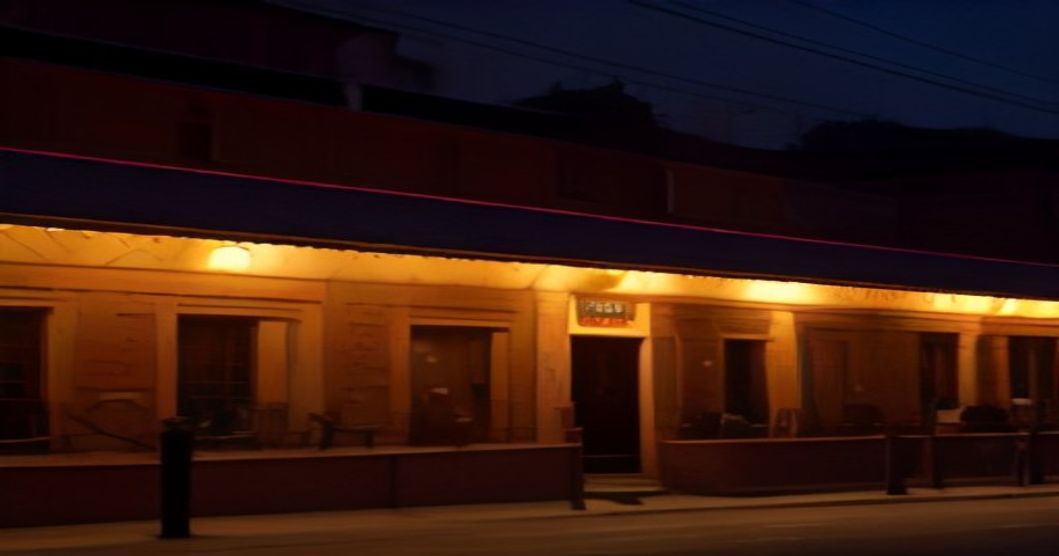
Nightlife in Dehradun: Pubs and Entertainment
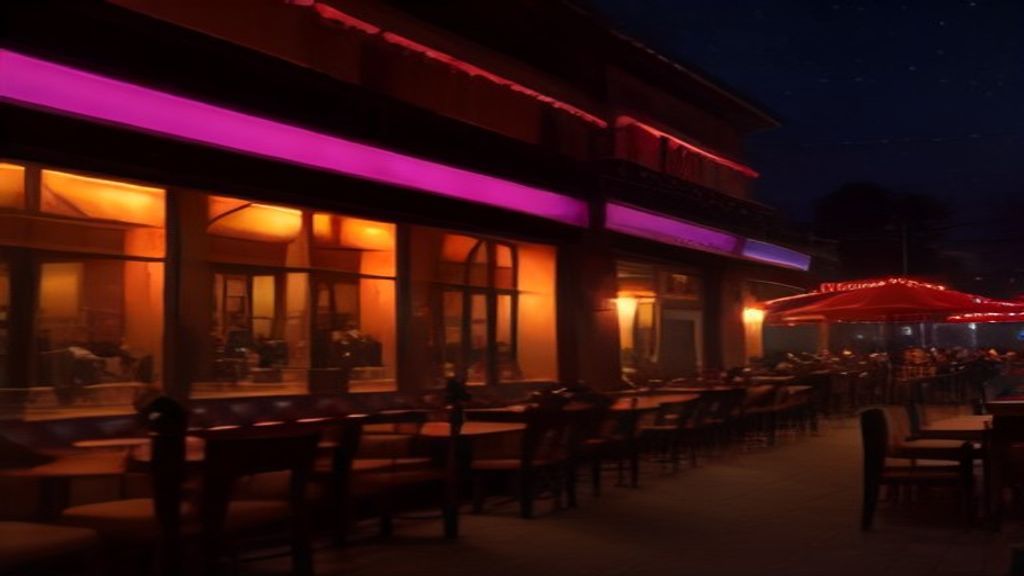
Dehradun’s nightlife landscape has transformed dramatically, positioning itself as one of North India’s emerging entertainment destinations. The city now features a sophisticated blend of contemporary pubs, live music venues, and innovative entertainment concepts that rival metropolitan offerings while maintaining its distinctive Himalayan charm. This evolution reflects both changing local preferences and the influx of cosmopolitan influences brought by students, young professionals, and international visitors.
Current Trends in Dehradun’s Nightlife (August 2026)
Dehradun, known for its picturesque landscapes, has been rapidly evolving into a vibrant nightlife hub, blending traditional and contemporary entertainment options. The transformation has been particularly notable since early 2025, when municipal regulations were relaxed to permit extended operating hours for licensed establishments until 1:00 AM on weekends.
- Growth in Nightlife Venues: As of August 2026, there has been a 20% increase in new pubs and bars compared to 2025, catering to both locals and tourists. This expansion includes approximately 15 new licensed establishments across Rajpur Road, Clock Tower area, and the developing entertainment district near Rispana. The growth correlates with Dehradun’s designation as a Smart City, which brought improved infrastructure and investment incentives for hospitality ventures.
- Live Music Performances: Several venues now offer live music events every weekend, attracting local bands and artists from larger cities including Delhi, Mumbai, and Bangalore. Friday and Saturday nights regularly feature acoustic sets, indie rock performances, and fusion music that blends traditional Garhwali instruments with contemporary genres. Venues typically charge cover fees ranging from 500 to 1500 rupees for special performances featuring touring artists.
- Sustainability Initiatives: Many pubs are adopting eco-friendly practices such as zero-plastic policies and energy-efficient lighting. The Dehradun Hospitality Association launched the Green Nightlife Certification program in March 2026, which has already certified 12 establishments for meeting strict environmental standards including composting organic waste, sourcing local ingredients, and utilizing solar energy systems.
- Interactive Experiences: Interactive and themed pubs have gained popularity, offering guests unique concepts and activities. These include board game cafes with craft beer selections, mixology workshops where patrons learn cocktail preparation, trivia nights with substantial prizes, and karaoke lounges equipped with professional sound systems. The trend reflects consumer demand for experiential entertainment beyond passive drinking and dining.
The regulatory environment has become more favorable, with the Uttarakhand Excise Department streamlining licensing procedures in 2026. Processing times for new bar licenses decreased from an average of 8 months to approximately 3 months, encouraging entrepreneurial investment. However, establishments must comply with strict noise pollution guidelines, maintaining sound levels below 55 decibels in residential areas after 11:00 PM.
Key Pubs and Entertainment Spots
A growing number of establishments cater to diverse tastes, offering a mix of music, dining, and leisure activities. These venues have become cultural landmarks that define different aspects of Dehradun’s nightlife personality.
- The Tavern: Known for its retro ambiance and extensive cocktail menu, this spot features themed nights and DJ performances. Located on Rajpur Road, The Tavern operates a 1980s-inspired interior with vintage posters, neon lighting, and classic arcade games. Their signature cocktails range from 400 to 800 rupees, with popular choices including the Himalayan Mule featuring local herbs and the Doon Old Fashioned made with Indian single malt whiskey. Wednesday night features Bollywood retro themes, while Saturdays showcase resident DJs playing house and techno.
- Dehradun Social: A popular gathering place, offering craft beers and a rooftop experience with scenic views of the city. Part of the national Social chain, this location opened in November 2025 and quickly became a favorite among the 25-35 age demographic. The venue serves eight rotating craft beers on tap, primarily from Himalayan breweries, priced between 250 and 450 rupees per pint. The rooftop section accommodates 80 guests and provides panoramic views of the Shivalik foothills, making it especially popular during pleasant August evenings when temperatures average 24 degrees Celsius.
- Club Element: A top destination for electronic dance music enthusiasts, featuring renowned DJs and state-of-the-art sound systems. This 200-capacity nightclub invested significantly in acoustic engineering and lighting design, installing a Funktion-One sound system and programmable LED installations. Entry fees range from 1000 to 2500 rupees depending on events, with premium packages including reserved seating and bottle service. The club hosts monthly appearances by nationally recognized DJs and has featured international artists on three occasions since opening in February 2026.
- The Warehouse Café: Offers a mix of gourmet dining and live acoustic sessions, appealing to a more relaxed crowd. Converted from an actual warehouse facility near Saharanpur Road, this venue emphasizes the farm-to-table concept, sourcing 70% of ingredients from Uttarakhand producers. Live acoustic performances occur Thursday through Saturday from 8:00 PM to 10:30 PM, featuring singer-songwriters and small ensembles. The menu includes contemporary Indian fusion dishes and international cuisine, with average spending per person around 1200 rupees including beverages.
Beyond these prominent venues, Dehradun’s nightlife ecosystem includes specialized establishments like Brew Estate, which produces craft beer on-site and offers brewery tours; Tipsy Goat, known for extensive whiskey collections featuring over 60 varieties; and Café Morrison, which combines bookstore browsing with wine service. Each venue cultivates distinct identities that prevent market oversaturation despite increasing competition.
The Clock Tower area has emerged as an entertainment cluster with five major pubs within a 500-meter radius, creating a walkable nightlife district similar to those found in larger metropolitan centers. This concentration benefits from shared taxi services and improved street lighting installed as part of municipal safety initiatives.
Visitor Demographics and Preferences
Understanding visitor demographics can be crucial for businesses aiming to tailor their offerings. Comprehensive market research conducted by the Uttarakhand Tourism Development Board in June 2026 provides detailed insights into current patterns.
- Age Group: Predominantly 25 to 35 years, showing a preference for hip bars and dynamic entertainment. This demographic represents approximately 62% of nightlife patrons, according to survey data from 1,200 respondents across 18 venues. The group typically visits nightlife establishments 2-3 times monthly, spending an average of 2,000 rupees per visit. Secondary demographics include the 35-45 age bracket (23%) and younger adults aged 21-25 (15%), who show distinct preferences with younger patrons favoring high-energy dance clubs while older visitors prefer conversation-friendly lounges.
- Tourist Influx: A significant increase in international tourists, particularly from Europe, seeking authentic local experiences. International visitors accounted for 18% of nightlife patronage in peak season months (April-June and September-November), with the largest contingents from the United Kingdom, Germany, France, and Israel. These tourists typically stay 3-5 days in Dehradun while visiting nearby destinations like Mussoorie and Rishikesh, and they express strong interest in venues offering regional cuisine alongside global beverage selections. Domestic tourists from Delhi NCR represent the largest tourist segment at approximately 35% of non-local visitors.
- Safety and Accessibility: Enhanced security measures and easy access via public transport have been key to attracting a broader audience. All licensed establishments now employ certified security personnel and install CCTV systems covering entry points and public areas as mandated by 2026 regulations. The Dehradun Metro Rail project, while still under construction with completion scheduled for late 2027, has already improved connectivity through expanded bus routes serving entertainment districts until midnight. Ride-sharing services operate actively, with average wait times under 8 minutes in central areas, and designated taxi stands outside major venues provide reliable late-night transportation options.
Gender distribution shows increasing balance, with current ratios approximately 58% male and 42% female patrons, compared to 70-30 splits observed in 2023. This shift reflects improved safety perceptions and venues actively marketing to diverse audiences through ladies’ nights, couples’ discounts, and inclusive policies. Several establishments have implemented strict anti-harassment protocols and designated safety officers.
Spending patterns reveal that patrons allocate approximately 60% of their budget to beverages, 30% to food, and 10% to cover charges and entertainment fees. Premium segment consumers, representing about 20% of the market, demonstrate willingness to spend 3,500 to 6,000 rupees per visit for exclusive experiences, bottle service, and specialty cocktails.
Practical Considerations for Visitors
Planning a night out in Dehradun requires understanding operational norms and local customs. Most pubs operate Tuesday through Sunday, with Monday being the common weekly closure day for the hospitality industry. Peak hours typically occur between 8:30 PM and 11:30 PM on weekends, and making reservations is advisable for groups of four or more, especially at popular venues.
Dress codes vary by establishment, with upscale venues like Club Element enforcing smart casual requirements that prohibit shorts, flip-flops, and sleeveless shirts for men. More relaxed cafes and pubs generally accept casual attire. August weather in Dehradun features monsoon conditions with temperatures between 20-25 degrees Celsius, so visitors should consider this when choosing between indoor and rooftop venues.
Payment infrastructure has modernized considerably, with all major establishments accepting UPI payments, credit cards, and digital wallets alongside cash. Many venues offer digital menus accessible via QR codes and mobile ordering systems that reduce wait times during busy periods.
Responsible drinking initiatives have gained prominence, with most establishments offering complimentary non-alcoholic beverages to designated drivers and displaying prominent signage about drink-driving penalties. The Uttarakhand Police conduct periodic checkpoints, and blood alcohol limits are strictly enforced at 0.03%, significantly lower than many other Indian states.
SEO LSI Keywords for Nightlife Dehradun
Incorporating related keywords can enhance search engine visibility and improve article relevance for those researching entertainment options.
- Dehradun nightclubs
- Live music venues in Dehradun
- Best bars Dehradun 2026
- Dehradun nightlife experiences
- Top pubs in Dehradun
- Late night activities Dehradun
- Rajpur Road entertainment
- Craft beer Dehradun
- Weekend parties Uttarakhand
- Dehradun lounge bars
- DJ nights Dehradun
- Rooftop bars Dehradun
Search trends indicate growing interest in specific queries including best cocktail bars Dehradun, couples-friendly pubs Dehradun, and budget nightlife options Dehradun, suggesting opportunities for content targeting diverse preferences and price points.
Cultural Integration and Local Character
Dehradun’s nightlife success stems partly from its ability to blend cosmopolitan entertainment with local cultural elements. Several venues incorporate Garhwali design aesthetics, traditional artwork, and regional music influences, creating distinctive experiences that differentiate Dehradun from generic urban nightlife scenes.
Local musicians have formed a thriving community, with the Dehradun Musicians Collective organizing monthly showcases that rotate between venues. This grassroots music scene includes folk fusion bands, indie rock groups, and electronic producers who draw inspiration from Himalayan soundscapes. Venues supporting local talent often waive or reduce cover charges compared to nights featuring touring artists, making live music accessible to broader audiences.
Food offerings increasingly highlight Uttarakhand cuisine alongside international options. Signature dishes like gahat dal soup shots, madua roti sliders, and bhang chutney appetizers appear on progressive pub menus, introducing visitors to regional flavors in contemporary presentations. This culinary approach supports local agricultural economies while providing authentic dining experiences.
Economic Impact and Industry Growth
The nightlife sector contributes meaningfully to Dehradun’s economy, generating employment for approximately 2,500 people directly in bartending, kitchen operations, security, and management roles as of August 2026. Indirect employment through suppliers, transportation services, and supporting industries adds several thousand additional positions.
Revenue figures from the hospitality sector show nightlife establishments collectively generating estimated annual revenues of 180 crore rupees, representing 12% growth over 2025 figures. This economic activity produces substantial tax revenues for municipal development while creating opportunities for entrepreneurship and small business growth in related sectors.
Investment patterns indicate continued confidence, with three major hospitality groups announcing plans for new venues scheduled to open between October 2026 and March 2027. These projects include a microbrewery complex, a multi-level entertainment center, and a jazz club focusing on live performances, suggesting continued diversification and sophistication of offerings.
Challenges and Considerations
Despite positive growth trajectories, the industry faces ongoing challenges. Noise complaints from residential areas have led to operational restrictions for several venues, requiring expensive soundproofing retrofits. Balancing commercial viability with community harmony remains an evolving concern that requires proactive management and municipal mediation.
Seasonal variations affect business volumes, with monsoon months typically seeing 25-30% reduced patronage compared to spring and autumn peaks. Establishments must maintain operations through slower periods while managing fixed costs, creating cash flow challenges for newer ventures without established customer bases.
Competition intensification means venues must continuously innovate to retain customer interest. The novelty factor that attracts initial crowds requires sustained programming, quality maintenance, and experience evolution to ensure repeat visits. Marketing costs have increased as venues compete for attention across social media platforms and event listing services.
Future Outlook
The nightlife scene in Dehradun is poised for further expansion, with potential growth driven by increased investment in entertainment infrastructure and a flourishing tourism sector. Stakeholders are expected to focus on innovative themes and inclusive experiences to draw a diverse clientele.
Industry projections suggest the market can sustain 15-20 additional venues before approaching saturation, particularly if new establishments target currently underserved niches such as wine bars, comedy clubs, or specialty music venues focusing on genres like jazz or classical fusion. The anticipated completion of improved transportation infrastructure in 2027-2028 will likely catalyze another growth phase by improving accessibility and extending feasible operating hours.
Technology integration represents a significant future direction, with venues exploring augmented reality experiences, app-based loyalty programs, and data analytics to personalize customer experiences. Several establishments are piloting systems that remember regular customers’ preferences and offer customized recommendations.
Sustainability will likely become a stronger differentiator as environmental consciousness grows among target demographics. Venues investing in comprehensive green practices, local sourcing, and waste reduction may gain competitive advantages, particularly with younger consumers who prioritize ethical consumption.
The nightlife industry’s continued evolution will depend on maintaining quality standards, respecting community concerns, and adapting to changing consumer preferences while preserving the distinctive character that makes Dehradun’s entertainment scene unique within the North Indian landscape.
Related Content & Internal Resources
References & External Citations
- Wikipedia Reference: Nightlife in Dehradun: Pubs and Entertainment — Wikipedia
- Official Reference Documentation — Official Reference
Written by Senior Travel Consultant & Chardham Specialist
Anaya Sharma is a seasoned travel consultant with over 15 years of experience focusing on Uttarakhand’s rich cultural and natural landscapes. Specializing in the Chardham Yatra and Himalayan treks, Anaya holds a Master’s degree in Eco-Tourism from the University of Delhi. Her extensive fieldwork includes mapping less-trodden paths and collaborating with local communities for sustainable travel. As a published author in ‘The Himalayan Travel Journal,’ Anaya is committed to providing insightful and ethical travel guidance. She regularly contributes her expertise to the ‘Travel’ website, ensuring that travelers receive authentic and culturally respectful information about Uttarakhand’s treasures.