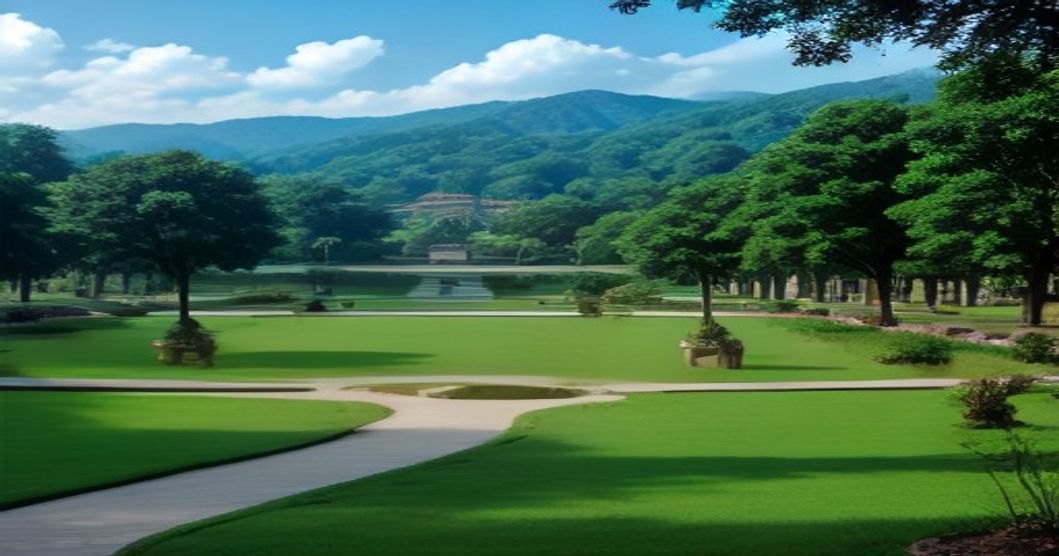
The Best Parks and Gardens in Dehradun
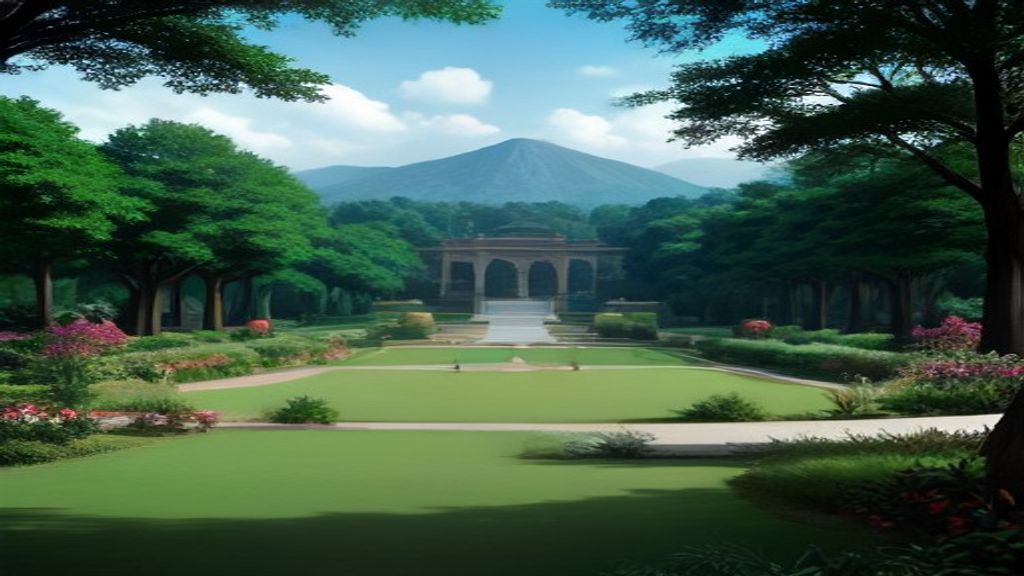
Dehradun, nestled in the foothills of the Himalayas at an elevation of approximately 640 meters, maintains its reputation as one of India’s greenest cities with over 35% urban forest cover as of August 2026. The city’s parks and gardens serve more than 750,000 residents and attract nearly 2.8 million tourists annually, offering breathing spaces that combine natural beauty with recreational facilities, historical significance, and ecological conservation efforts.
The municipal corporation’s “Green Dehradun 2026” initiative has transformed the city’s approach to public spaces, investing ₹42 crore in park infrastructure, water harvesting systems, and biodiversity preservation programs. This commitment has resulted in a 28% increase in green cover within city limits since 2024, making Dehradun a model for sustainable urban planning in the Himalayan region.
Popular Parks in Dehradun
Dehradun’s most visited parks combine natural attractions with family-friendly amenities, drawing both local residents seeking daily recreation and tourists exploring the region’s natural wealth.
Robber’s Cave (Guchhupani) remains Dehradun’s most distinctive natural attraction, located approximately 8 kilometers from the city center. This 600-meter-long natural cave formation features a perennial stream that disappears and reappears at multiple points, creating a fascinating geological phenomenon. The cave’s name derives from local legends about bandits who allegedly used it as a hideout during the British colonial period.
As of August 2026, Robber’s Cave records over 400,000 visitors annually, with peak season from March through June and September through November. The site underwent significant upgrades in 2025, including improved walkways, solar-powered lighting for evening visits until 7:00 PM, and enhanced safety railings along the stream path. Entry fees remain modest at ₹50 per adult and ₹25 per child, with parking facilities accommodating up to 150 vehicles.
The cave’s microclimate maintains temperatures 5-8 degrees Celsius cooler than surrounding areas, making it particularly popular during summer months. Visitors wade through ankle-deep to knee-deep water for approximately 400 meters, requiring appropriate footwear. The surrounding 10-acre park includes designated picnic areas, food stalls offering local Garhwali cuisine, and a children’s play zone installed in early 2026.
Malsi Deer Park, situated 10 kilometers from the city center on the Mussoorie road, functions as both a wildlife conservation center and recreational facility. Established in 1976 and expanded in 2024, the 25-hectare park houses approximately 150 spotted deer, 40 sambar deer, 25 peacocks, and recently introduced populations of nilgai and barking deer.
The park operates as a mini-zoo under the Uttarakhand Forest Department, maintaining breeding programs for regional wildlife species. Average families spend an estimated 4 hours exploring the wooded trails, observation platforms, and interpretation centers that explain local Himalayan ecology. The 2026 visitor count reached 320,000, with weekend footfall averaging 1,200-1,500 visitors.
Recent additions include a butterfly garden featuring 45 native species, a medicinal plant section with over 80 Himalayan herbs, and an aviary housing regional bird species. Entry fees are ₹50 for adults and ₹25 for children, with an additional ₹20 camera fee. The park’s “Junior Naturalist” program, launched in August 2026, offers guided educational tours for school groups, focusing on wildlife conservation and ecosystem awareness.
Gandhi Park occupies a central 10-acre location in the Dalanwala area, serving as the city’s primary urban park for daily recreation. The park attracts approximately 2,500 visitors daily, with morning hours (6:00 AM – 9:00 AM) seeing the highest concentration of joggers, yoga practitioners, and walkers on its 1.2-kilometer perimeter path.
The park underwent comprehensive renovation between December 2025 and March 2026, installing smart LED lighting powered by solar panels, upgrading playground equipment to international safety standards, and creating dedicated zones for senior citizens with outdoor gym equipment. The central fountain, operational since 1985, received aesthetic and mechanical upgrades, now featuring programmable water displays synchronized with evening lighting.
Photography enthusiasts favor Gandhi Park’s diverse landscaping, which includes seasonal flower beds rotating through marigolds, petunias, and chrysanthemums, along with mature trees providing year-round shade. The park hosts community events including morning yoga sessions, weekend craft markets, and cultural programs during festivals. Entry remains free, though parking costs ₹20 for two-wheelers and ₹40 for cars.
Exquisite Gardens
Beyond recreational parks, Dehradun offers specialized gardens that emphasize therapeutic properties, botanical diversity, and historical commemoration.
Sahastradhara, meaning “thousand-fold spring,” sits 14 kilometers from the city center at an elevation of 900 meters. This natural attraction combines cascading waterfalls, limestone stalactite formations, and sulphur-rich springs containing minerals including calcium, magnesium, and sulphur compounds measured at concentrations of 180-220 parts per million.
The site’s medicinal springs have attracted visitors seeking natural therapy for skin conditions and joint ailments for over a century. Modern facilities installed in 2025 include controlled bathing pools maintaining temperatures between 20-24 degrees Celsius, changing rooms, and a small interpretive center explaining the geological processes creating the sulphur springs.
Sahastradhara recorded 580,000 visitors in 2025-26, with monsoon season (July-September) offering the most dramatic waterfall displays, though access requires caution due to increased water flow. The surrounding 15-hectare area includes landscaped gardens, rope-way access to upper viewing points (₹150 round trip), and walking trails through deodar forests. Entry costs ₹30 per person with ₹100 parking fees.
The Fragrant Garden, located within the Survey of India campus, specializes in aromatic and medicinal plant cultivation across 6 acres. Established in 1965 and significantly expanded in 2024, the garden maintains over 250 species of fragrant plants including jasmine varieties, roses, lavender, night-blooming flowering trees, and traditional Indian aromatics like parijat and champa.
The garden’s organization follows olfactory families, with dedicated sections for citrus fragrances, floral bouquets, spicy aromatics, and herbal scents. A sensory walk designed for visually impaired visitors features raised beds, tactile plant labels in Braille, and aromatic stations. The garden collaborates with the Indian Institute of Aromatic and Medicinal Plants, conducting research on essential oil extraction and cultivation techniques suitable for Himalayan climates.
Visiting hours are 9:00 AM to 5:00 PM Tuesday through Sunday, with guided tours available at 10:00 AM and 3:00 PM. Entry fees are ₹40 for adults, with monthly workshops on aromatherapy, organic gardening, and plant propagation drawing 30-40 participants each session. Peak blooming occurs from March through May and September through November.
Khalinga War Memorial, situated 5 kilometers from the city center, commemorates the Indo-China War of 1962 and subsequent border conflicts. The memorial complex spans 12 acres of meticulously maintained gardens featuring indigenous Himalayan flora, including rhododendrons, magnolias, and flowering cherry trees.
The memorial’s architectural design incorporates traditional Garhwali elements with modern landscaping, creating contemplative spaces around the central memorial structure. Gardens follow formal patterns with geometric flower beds, clipped hedges, and memorial plaques identifying fallen soldiers. A small museum opened in June 2026 displays military artifacts, photographs, and interactive exhibits explaining Himalayan border history.
The site attracts approximately 180,000 visitors annually, including significant numbers of military families, history students, and tourists seeking to understand regional history. Morning ceremonies occur at 9:00 AM daily, with enhanced commemorations on national holidays. Entry is free, with operational hours from 8:00 AM to 6:00 PM. The peaceful gardens serve dual purposes as both memorial space and public park, with families often combining historical visits with recreational time in surrounding green spaces.
Recent Trends and Developments
Dehradun’s parks and gardens in 2026 reflect broader trends toward sustainable tourism, ecological conservation, and enhanced visitor experiences through technology integration.
The surge in eco-tourism has driven park management to adopt comprehensive sustainability practices. Water conservation systems installed across major parks capture rainwater, reducing municipal water consumption by 35% compared to 2024 levels. Robber’s Cave implemented a closed-loop water management system treating and recycling water used in facilities, while Malsi Deer Park installed rainwater harvesting structures storing 2.5 million liters for dry season use.
Solar energy infrastructure expanded dramatically in 2025-26, with all major parks installing photovoltaic arrays generating approximately 450 kilowatts combined capacity. This renewable energy powers lighting, water pumps, administrative buildings, and charging stations for electric vehicles. Gandhi Park’s smart lighting system reduces energy consumption by 60% compared to conventional lighting while improving safety through motion-sensor activation.
The local government’s accessibility improvements include enhanced public transport connectivity through dedicated park shuttle services launched in March 2026. These electric buses connect major parks with railway stations, bus terminals, and hotel districts, operating at 30-minute intervals during peak hours. Real-time tracking apps allow visitors to plan journeys efficiently, with integrated ticketing covering transport and park entry.
Digital infrastructure additions include free WiFi zones, QR-code based information systems providing multilingual content about flora, fauna, and historical context, and mobile apps offering augmented reality experiences at select locations. The “Dehradun Green Spaces” app, downloaded over 85,000 times since its April 2026 launch, provides navigation, event schedules, and crowding information helping visitors plan optimal visiting times.
Biodiversity monitoring programs employing camera traps, acoustic sensors, and citizen science initiatives document wildlife populations and ecosystem health. Data collected influences management decisions regarding habitat restoration, invasive species control, and visitor impact mitigation.
Statistics and Visitor Information
Current visitor statistics and operational details for August 2026 provide practical information for planning park visits throughout Dehradun.
Average annual footfall at Robber’s Cave exceeds 400,000 visitors, with daily averages ranging from 800 visitors during weekdays to 1,800-2,200 during weekends and holidays. Peak visiting hours occur between 10:00 AM and 4:00 PM, though early morning visits (8:00 AM – 10:00 AM) offer cooler temperatures and fewer crowds.
Malsi Deer Park’s average family visit duration of 4 hours reflects the site’s combination of wildlife observation, nature walks, and picnic facilities. Visitor surveys indicate 68% of families with children spend 4-5 hours, while couples and solo visitors average 2-3 hours. The park’s busiest periods are weekends from 11:00 AM to 3:00 PM, with Tuesday and Wednesday offering the most peaceful experiences.
Standard operating hours across major parks run 8:00 AM to 6:00 PM, seven days a week, with extended hours until 7:00 PM during summer months (April-June) at select locations. Seasonal variations account for daylight hours and weather patterns, with monsoon season (July-September) occasionally requiring temporary closures at water-based attractions during heavy rainfall.
Entry fees remain affordable, ranging from free admission at Gandhi Park to ₹30-50 at commercial attractions. Annual passes offering unlimited access to municipal parks cost ₹500 for individuals and ₹1,200 for families, providing value for residents and extended-stay visitors. Senior citizens above 65 years receive 50% discounts, while children under 5 enter free at all locations.
Parking infrastructure accommodates the increasing vehicle traffic, with major parks offering dedicated lots charging ₹20-40 for cars and ₹10-20 for two-wheelers. Electric vehicle charging stations installed at four major parks in 2026 support the city’s sustainable transport initiatives.
Food and beverage facilities vary by location, from licensed vendors at larger parks to cafeterias at Malsi Deer Park and Sahastradhara. Prices remain moderate, with meals costing ₹80-150 per person. Most parks allow visitors to carry food for picnics, though plastic packaging is prohibited under the city’s 2025 single-use plastic ban.
Practical Visitor Guidance
Planning successful park visits in Dehradun requires understanding seasonal variations, optimal timing, and available amenities.
Weather patterns significantly influence park experiences. August 2026 falls within monsoon season, bringing afternoon rainfall, lush vegetation, and cooler temperatures averaging 22-28 degrees Celsius. Morning visits between 8:00 AM and 11:00 AM typically avoid afternoon showers, though visitors should carry rain protection. Post-monsoon months (September-November) offer ideal conditions with clear skies, comfortable temperatures, and peak floral displays.
Transportation options include auto-rickshaws averaging ₹150-250 for trips to outlying parks, app-based taxis costing ₹200-350, and the new electric shuttle buses charging ₹30 for day passes with unlimited rides. Rental bicycles available at Gandhi Park and city center locations provide eco-friendly alternatives for nearby destinations.
Appropriate clothing recommendations include comfortable walking shoes with good grip for uneven terrain, light cotton fabrics during warm months, and layered clothing for variable mountain weather. Water-resistant footwear proves essential for Robber’s Cave visits, while sun protection including hats and sunscreen remains important even during cloudy days due to higher UV exposure at elevation.
Safety considerations include staying on marked trails, supervising children near water features, and respecting wildlife by maintaining safe distances. Emergency contact numbers and first aid stations are clearly marked at major parks, with trained staff available during operational hours.
LSI Keywords and Search Context
Understanding search terminology helps visitors discover Dehradun’s green spaces through common queries and related concepts.
Dehradun green spaces encompasses the city’s broader environmental context, including not just formal parks but urban forests, riverside areas along the Rispana and Bindal rivers, and hillside conservation zones. Family-friendly parks in Dehradun specifically highlights facilities with children’s play areas, safe walking paths, and amenities supporting multi-generational visits.
Nature walks Dehradun refers to both formal trails within parks and longer hiking routes connecting green spaces through the city’s extensive footpath network. The 12-kilometer Rajpur Nature Walk linking multiple parks and forest areas attracts serious hikers and casual walkers alike.
Dehradun garden attractions distinguishes specialized botanical collections from general recreational parks, including the Fragrant Garden, various nursery gardens open to public visits, and historic estate gardens occasionally accessible during cultural events.
Eco-tourism Dehradun reflects the city’s positioning as a sustainable travel destination, with parks implementing environmental best practices, educational programs, and conservation initiatives that appeal to environmentally conscious visitors.
Best gardens in Dehradun captures comparative search intent, helping visitors identify top destinations based on specific interests whether historical significance, botanical diversity, recreational facilities, or photographic opportunities.
These interconnected search terms reflect how visitors discover and plan experiences across Dehradun’s diverse park system, from quick urban escapes to full-day nature excursions in the Himalayan foothills.
Related Content & Internal Resources
References & External Citations
- Wikipedia Reference: The Best Parks and Gardens in Dehradun — Wikipedia
- Official Reference Documentation — Official Reference
Written by Senior Travel Consultant & Chardham Specialist
Anaya Sharma is a seasoned travel consultant with over 15 years of experience focusing on Uttarakhand’s rich cultural and natural landscapes. Specializing in the Chardham Yatra and Himalayan treks, Anaya holds a Master’s degree in Eco-Tourism from the University of Delhi. Her extensive fieldwork includes mapping less-trodden paths and collaborating with local communities for sustainable travel. As a published author in ‘The Himalayan Travel Journal,’ Anaya is committed to providing insightful and ethical travel guidance. She regularly contributes her expertise to the ‘Travel’ website, ensuring that travelers receive authentic and culturally respectful information about Uttarakhand’s treasures.