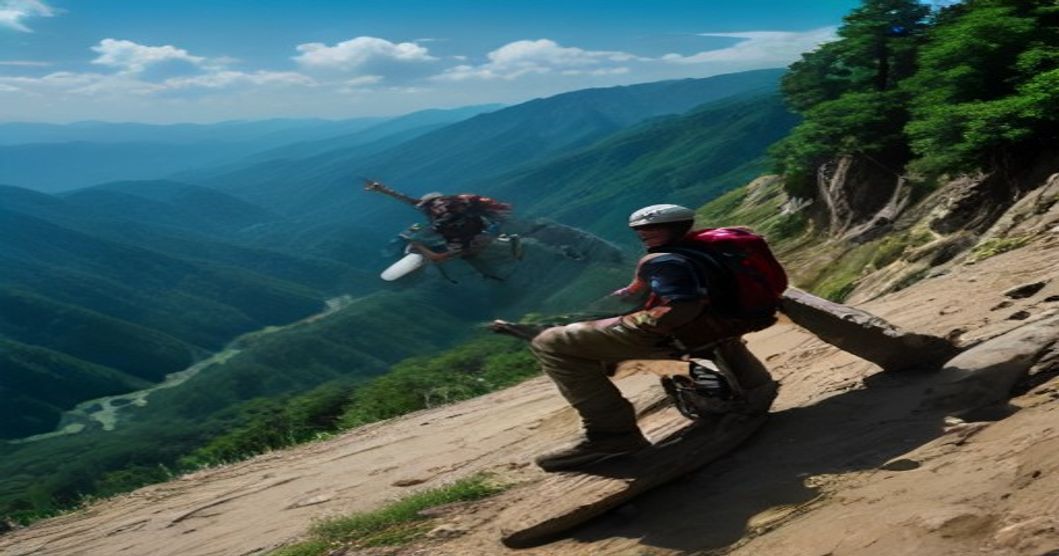
Adventure Activities in Dehradun
Dehradun, the capital city of Uttarakhand, has emerged as a premier destination for adventure sports enthusiasts seeking thrilling experiences amid the majestic Himalayan landscape. Nestled in the Doon Valley between the Ganges and Yamuna rivers, this gateway city offers unparalleled access to some of India’s most exciting outdoor activities, combining natural beauty with adrenaline-pumping adventures that cater to both beginners and experienced thrill-seekers.
Popular Adventure Sports
Adventure enthusiasts flock to Dehradun for its diverse range of outdoor activities. As of August 2026, the most sought-after adventure sports include:
- Paragliding: Offering breathtaking views of the Himalayan foothills, paragliding in Dehradun is a must-try. Operators such as FlyDehradun offer packages starting at INR 3,500.
- Trekking: Trails like Nag Tibba and Har Ki Dun attract trekkers with their scenic beauty and moderate difficulty levels.
- River Rafting: The nearby Tons River provides thrilling white-water rafting experiences featuring rapids of Grade III and IV.
- Bungee Jumping: A newer addition since 2025, located at Mohan Chatti, challenges adventure lovers with a plunge of 83 meters.
- Camping: Eco-friendly camping sites around Rishikesh and Mussoorie offer a peaceful escape into nature.
Each of these activities provides unique experiences tailored to different skill levels and preferences. Paragliding sessions typically last between 15 to 30 minutes, depending on weather conditions and thermal currents. The flight season runs from October through June, with March to May offering the most stable conditions. First-time flyers receive comprehensive ground training covering safety protocols, body positioning, and landing procedures before taking to the skies with certified tandem pilots.
Trekking expeditions range from single-day hikes to multi-day wilderness adventures. The Nag Tibba trek, spanning approximately 16 kilometers round trip, can be completed over a weekend and reaches an altitude of 3,022 meters, offering spectacular panoramic views of the Bandarpoonch, Swargarohini, and Kala Nag peaks. Meanwhile, the Har Ki Dun trek extends over seven to eight days, traversing through ancient villages, dense forests, and alpine meadows before reaching the valley at 3,566 meters elevation.
River rafting on the Tons River presents varying difficulty levels, with stretches suitable for families alongside more challenging sections that test experienced rafters. The rafting season peaks between April and June, then resumes after the monsoon from September through November. Professional guides navigate rapids with names like Sickle, Club House, and Golf Course, ensuring both safety and excitement throughout the journey.
Current Trends and Statistics
Adventure tourism in Dehradun has seen significant growth. According to the Uttarakhand Tourism Development Board, there has been a 20% increase in tourists participating in adventure sports in the past year alone. Improved infrastructure and enhanced safety measures contribute to this rise.
The surge in adventure tourism reflects broader national trends, with domestic tourism accounting for approximately 78% of adventure sport participants in August 2026. International visitors, primarily from European countries, the United States, and Australia, comprise the remaining 22%. This demographic shift has prompted operators to diversify their offerings, introducing combination packages that bundle multiple activities at discounted rates.
Digital marketing and social media influence have played crucial roles in this expansion. Adventure operators report that approximately 65% of bookings in August 2026 originate from online platforms, with Instagram and YouTube serving as primary discovery channels. User-generated content, particularly video testimonials and aerial footage from paragliding experiences, drives substantial engagement and conversion rates.
Environmental consciousness has become a defining characteristic of adventure tourism in the region. Operators have adopted sustainable practices including waste management protocols, carbon offset programs, and partnerships with local communities. Several camping sites now operate on solar power, use biodegradable materials, and implement strict leave-no-trace policies that resonate with environmentally aware travelers.
Local Insights and Safety Measures
Operators in Dehradun emphasize safety and environmental sustainability, aligning their practices with global standards. Equipment is regularly inspected, and guides are trained in first aid and emergency response procedures. This focus on safety ensures a secure experience for adventurers.
Safety protocols have evolved significantly following the implementation of stricter regulations by the Uttarakhand Adventure Sports Safety Board, established in late 2024. All commercial adventure operators must now obtain annual safety certifications, maintain comprehensive insurance coverage, and submit to quarterly equipment audits. Paragliding wings undergo mandatory replacement after 300 flight hours or three years, whichever comes first. Rafting equipment, including life jackets, helmets, and paddles, receives inspection before each expedition.
Guide certification requirements have become more rigorous, with instructors completing at least 100 supervised expeditions before qualifying for independent operation. Emergency response training includes wilderness first responder courses, swift-water rescue techniques, and high-altitude medical management. Communication systems have improved substantially, with operators utilizing satellite phones and GPS tracking devices to maintain constant contact with base camps and emergency services.
Weather monitoring systems provide real-time updates, allowing operators to make informed decisions about activity feasibility. Adventure sports are suspended during adverse conditions, including high winds exceeding 25 kilometers per hour for paragliding, excessive river flow rates during monsoon runoff, and poor visibility conditions. This proactive approach has resulted in zero fatalities among commercial adventure activities in Dehradun during 2026, a testament to the effectiveness of these enhanced safety measures.
Key Locations for Adventure Activities
- Mussoorie: Known for mountain biking and paragliding, offering lush landscapes.
- Rishikesh: A hub for rafting and bungee jumping, located about 50 kilometers from Dehradun.
- Rajaji National Park: Ideal for wildlife safari and nature walks.
Mussoorie, situated at an elevation of 2,005 meters and approximately 35 kilometers from Dehradun, serves as a versatile adventure destination throughout the year. Mountain biking trails wind through pine and deodar forests, ranging from gentle routes suitable for families to technical descents that challenge experienced riders. The Camel’s Back Road offers a scenic 3-kilometer loop perfect for leisure cycling, while the downhill trail from Lal Tibba to Dehradun presents a thrilling 30-kilometer descent with elevation drops exceeding 1,500 meters.
Rishikesh has solidified its reputation as the adventure capital of North India, drawing visitors specifically for its combination of spiritual heritage and extreme sports. The bungee jumping facility at Mohan Chatti operates with New Zealand-designed equipment and maintains impeccable safety records. The 83-meter free fall concludes with a controlled rebound system that cushions the deceleration, creating an unforgettable experience. Adjacent activities include the giant swing, which propels participants through a 150-degree arc at speeds reaching 160 kilometers per hour, and flying fox ziplines that span the gorge above the rushing river.
Rajaji National Park encompasses 820 square kilometers of diverse ecosystems, from sal forests to grasslands and riverine habitats. Adventure-focused safaris provide opportunities to spot elephants, leopards, deer species, and over 400 bird species. Guided nature walks along designated trails allow visitors to explore the forest intimately, learning about medicinal plants, tracking wildlife signs, and understanding conservation efforts. Night safaris, introduced in 2025, offer rare glimpses of nocturnal wildlife including jungle cats, porcupines, and civets.
Beyond these primary locations, several emerging adventure zones deserve attention. The Dhanaulti region, approximately 60 kilometers from Dehradun, has developed into a destination for eco-adventure tourism, featuring canopy walks, rappelling sites, and mountain camping facilities. The Chakrata area, though more remote, attracts serious trekkers and rock climbers seeking less commercialized experiences amid pristine wilderness.
Seasonal Considerations and Best Times to Visit
Understanding seasonal variations proves essential for planning adventure activities in Dehradun. The region experiences four distinct seasons, each offering unique advantages and limitations. Summer months from March through June provide optimal conditions for most outdoor activities, with temperatures ranging between 20 to 35 degrees Celsius in valley areas. This period sees peak tourist arrivals, necessitating advance bookings for popular activities like paragliding and rafting.
The monsoon season, spanning July through September, brings substantial rainfall that transforms the landscape into lush greenery but restricts certain adventure sports. River rafting becomes hazardous due to elevated water levels, and trekking trails turn muddy and slippery. However, this season attracts nature photographers and those seeking solitude, with significantly reduced crowds and lower accommodation rates. Some operators offer monsoon-specific activities such as waterfall rappelling and rain forest treks for experienced adventurers.
Autumn, from October through November, presents arguably the best conditions for adventure tourism. Clear skies, moderate temperatures between 15 to 25 degrees Celsius, and excellent visibility create perfect environments for paragliding, trekking, and photography. The post-monsoon freshness enhances natural beauty, with rivers flowing at manageable levels ideal for rafting expeditions.
Winter, December through February, brings cold temperatures and occasional snowfall to higher elevations. While this limits certain activities, it opens opportunities for winter trekking, snow camping, and experiencing the Himalayan landscape in its pristine white glory. Lower altitude activities around Dehradun and Rishikesh remain accessible, though participants should prepare for temperatures dropping to 5 degrees Celsius or below during early mornings and evenings.
Equipment and Preparation Guidelines
Proper preparation significantly enhances adventure experiences and ensures safety. For paragliding, participants should wear closed-toe shoes with good ankle support, comfortable clothing that allows free movement, and sunglasses with secure straps. Operators provide helmets, harnesses, and flight suits, but personal items like action cameras can be attached to designated mounting points on the harness system.
Trekking expeditions require more comprehensive preparation. Essential gear includes sturdy hiking boots broken in before the trek, layered clothing suitable for varying temperatures, waterproof jackets, and backpacks with hip belts for weight distribution. Sleeping bags rated for appropriate temperatures, trekking poles, headlamps, and personal first aid kits round out the basic equipment list. For multi-day treks, porters or pack animals can carry heavier loads, allowing trekkers to focus on the journey with lighter day packs.
River rafting participants receive complete safety equipment including life jackets, helmets, and paddles from operators. However, wearing quick-drying clothes, securing eyeglasses with straps, and bringing waterproof pouches for valuables prevents common inconveniences. Water shoes or sandals with heel straps work better than flip-flops, which often wash away during rapids.
Cost Considerations and Package Options
Adventure tourism in Dehradun remains remarkably affordable compared to international destinations offering similar activities. Beyond the base paragliding cost of INR 3,500, premium packages including longer flights, video documentation, and transportation from central Dehradun range up to INR 6,000. Trekking costs vary substantially based on duration, with guided day hikes starting around INR 1,500 per person, while week-long expeditions to Har Ki Dun with full support including guides, porters, camping equipment, and meals cost between INR 12,000 to INR 18,000.
River rafting prices depend on distance and rapid grades, with short stretches starting at INR 800 per person, while full-day expeditions covering 24 kilometers cost approximately INR 2,500 including meals and transportation. Bungee jumping at Mohan Chatti charges INR 3,700 per jump, with combination packages including giant swing and flying fox available for INR 6,500.
Many operators offer multi-activity packages providing better value. A three-day adventure package combining paragliding, rafting, camping, and trekking typically costs between INR 8,000 to INR 12,000 per person, including accommodation, meals, and all activity fees. Group discounts apply for parties of six or more, with reductions ranging from 10% to 20% depending on group size and season.
Booking and Accessibility
With digital advances, tourists can easily book adventure tours online via platforms like Thrillophilia and MakeMyTrip. Improved connectivity and transport infrastructure facilitate easy access to Dehradun from major cities across India.
The Jolly Grant Airport, located 25 kilometers from Dehradun city center, connects to major Indian cities including Delhi, Mumbai, and Bangalore through regular flights operated by Air India, IndiGo, and SpiceJet. In August 2026, the airport handles approximately 45 flights daily, with expansion projects underway to increase capacity by 40% before the 2027 peak season.
Rail connectivity serves as another popular option, with Dehradun Railway Station receiving direct trains from Delhi, Kolkata, Mumbai, and other major cities. The Shatabdi Express completes the Delhi-Dehradun journey in approximately five hours, offering a comfortable and scenic travel experience. Local transportation includes well-maintained bus services, private taxis, and app-based ride services that connect Dehradun with nearby adventure destinations.
The Dehradun-Rishikesh highway underwent significant upgrades completed in early 2026, reducing travel time between the cities to approximately 45 minutes. Similarly, improved roads to Mussoorie and other hill stations enhance accessibility while maintaining environmental safeguards through careful planning and sustainable construction practices.
Online booking platforms have standardized pricing, eliminated hidden costs, and provided transparent reviews from verified participants. Instant confirmation, flexible cancellation policies, and digital payment options streamline the booking process. Customer support services, available through multiple channels including WhatsApp, phone, and email, address queries in real-time, building confidence among first-time adventure tourists.
Cultural Integration and Community Benefits
Adventure tourism has created substantial economic opportunities for local communities surrounding Dehradun. Villages that once relied solely on agriculture now diversify income through homestays, guide services, equipment rentals, and craft sales. This economic infusion encourages younger generations to remain in their ancestral villages rather than migrating to cities for employment, preserving cultural traditions and local knowledge systems.
Several operators have established partnerships with village cooperatives, ensuring equitable distribution of tourism benefits. Homestay programs allow visitors to experience authentic Garhwali culture, including traditional cuisine, folk music, and agricultural practices. These interactions enrich the adventure experience beyond physical activities, providing cultural context and deeper appreciation for the Himalayan lifestyle.
Training programs sponsored by tourism operators and government initiatives have skilled local youth in adventure sports instruction, safety management, and hospitality services. These certifications open career pathways previously unavailable in rural areas, creating sustainable livelihoods aligned with environmental conservation rather than extractive industries.
Related Content & Internal Resources
References & External Citations
- Wikipedia Reference: Adventure Activities in Dehradun — Wikipedia
- Official Reference Documentation — Official Reference
Written by Senior Travel Consultant & Chardham Specialist
Anaya Sharma is a seasoned travel consultant with over 15 years of experience focusing on Uttarakhand’s rich cultural and natural landscapes. Specializing in the Chardham Yatra and Himalayan treks, Anaya holds a Master’s degree in Eco-Tourism from the University of Delhi. Her extensive fieldwork includes mapping less-trodden paths and collaborating with local communities for sustainable travel. As a published author in ‘The Himalayan Travel Journal,’ Anaya is committed to providing insightful and ethical travel guidance. She regularly contributes her expertise to the ‘Travel’ website, ensuring that travelers receive authentic and culturally respectful information about Uttarakhand’s treasures.