
Kedarnath Temple: A Spiritual Landmark
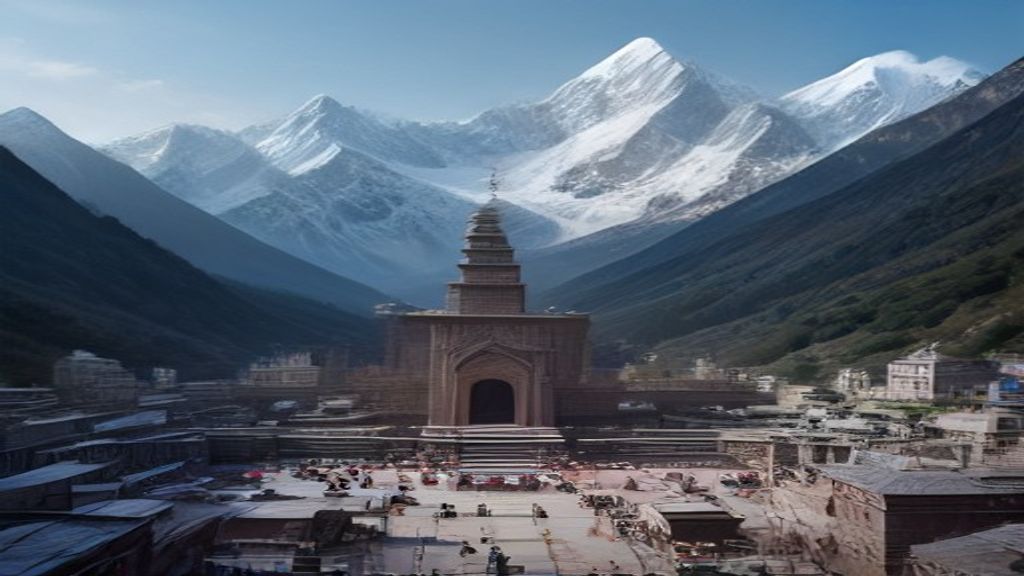
Kedarnath Temple, located in the Rudraprayag district of Uttarakhand, India, is a prominent Hindu shrine dedicated to Lord Shiva. It stands majestically at an altitude of 3,583 meters, nestled within the mighty Garhwal Himalayas. As one of the twelve Jyotirlingas, this sacred temple attracts devotees seeking spiritual enlightenment and divine blessings amidst breathtaking mountain scenery.
The temple’s architectural magnificence reflects ancient construction techniques that have withstood centuries of harsh Himalayan weather. Built from massive stone slabs with intricate carvings, the structure showcases the engineering prowess of ancient Indian builders. The sanctum houses the pyramidal rock formation representing Lord Shiva’s hump, a unique geological and spiritual feature that distinguishes Kedarnath from other Shiva temples across India.
Historical Significance
The origins of Kedarnath Temple are steeped in mythology and historical accounts that intertwine seamlessly. According to Hindu scriptures, the temple’s foundation traces back to the Mahabharata era, when the Pandava brothers sought Lord Shiva’s blessings to atone for the sins committed during the great war.
- Believed to have been built by the Pandavas and later revived by Adi Shankaracharya in the 8th century.
- The temple is part of the Chota Char Dham pilgrimage, a journey of immense spiritual significance.
- Mythology ties Kedarnath to the Mahabharata epic, making it a temple with deep historical roots.
Adi Shankaracharya, the revered 8th-century philosopher and theologian, played a pivotal role in establishing Kedarnath as a major pilgrimage center. He is credited with renovating the temple structure and institutionalizing worship practices that continue to this day. His samadhi (final resting place) behind the temple serves as a testament to his profound connection with this sacred site.
The temple has survived numerous natural calamities throughout its existence, including the devastating 2013 floods that claimed thousands of lives and destroyed significant infrastructure in the region. Remarkably, while surrounding areas suffered extensive damage, the temple structure remained largely intact, which many devotees interpret as divine protection. This resilience has only strengthened the faith of millions who consider Kedarnath an indestructible symbol of Lord Shiva’s presence.
Current Trends and Visitor Statistics
In 2026, reports show an increase in pilgrimage interest, with approximately 1.2 million visitors annually. This influx is supported by improved access and better infrastructure. The surge represents a 35% increase compared to pre-pandemic pilgrimage numbers, indicating renewed spiritual seeking and confidence in travel safety measures.
- The government has invested in sustainable tourism initiatives to preserve the natural and historical integrity of the region.
- New digital booking systems for darshan (viewing) and accommodation have streamlined visitor experiences.
The Uttarakhand Tourism Development Board has implemented advanced queue management systems that reduce waiting times for darshan from several hours to approximately 90 minutes during peak season. Real-time occupancy data and weather updates are now accessible through dedicated mobile applications, allowing pilgrims to plan their journeys with greater precision.
Demographic analysis reveals that younger pilgrims aged 25-40 now constitute nearly 42% of total visitors, a significant shift from the traditional elderly pilgrim demographic. This trend reflects growing spiritual awareness among millennials and Generation Z, who are increasingly combining adventure tourism with religious experiences. Social media documentation of the pilgrimage journey has also contributed to heightened interest among urban populations.
International visitors, particularly from Nepal, Bangladesh, Malaysia, and Western countries, account for approximately 8% of annual pilgrims. The Uttarakhand government has introduced multilingual signage and translation services at key points along the pilgrimage route to accommodate this diverse visitor base.
Pilgrimage Guide
Best Time to Visit
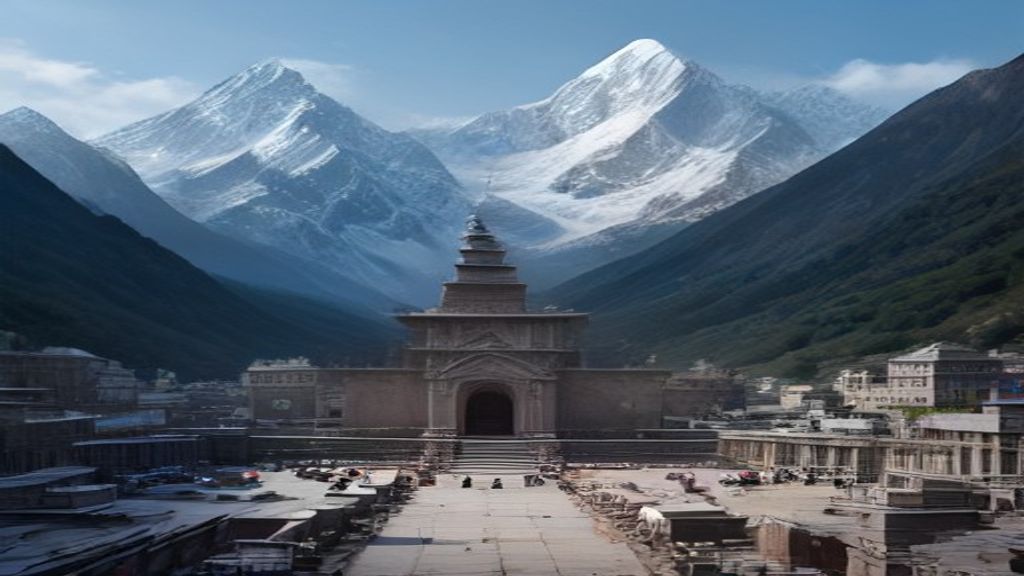
The temple is accessible from late April to early November. May and June are particularly popular due to favorable weather conditions. During these months, daytime temperatures range between 15-20°C, providing comfortable trekking conditions while snow-capped peaks create stunning visual backdrops.
The monsoon months of July and August present unique challenges, with frequent rainfall increasing landslide risks along mountain roads. However, some devotees specifically choose this period for its spiritual significance, as Lord Shiva is believed to be particularly receptive to prayers during the Shravan month. Pilgrims visiting during monsoon must prepare for unpredictable weather and potential travel disruptions.
September and October offer the most stable weather patterns, with clear skies providing unobstructed Himalayan views. The post-monsoon period sees lush green landscapes and revitalized waterfalls, enhancing the natural beauty of the pilgrimage route. October witnesses moderate crowd levels, making it ideal for those seeking a more contemplative pilgrimage experience.
The temple closes annually on Bhai Dooj, typically in early November, when priests carry the temple deity to Ukhimath for winter worship. The opening ceremony, known as Akshaya Tritiya, occurs in late April or early May, attracting thousands of devotees eager to receive first blessings of the pilgrimage season.
Travel and Accommodation
Reaching Kedarnath requires careful planning and understanding of multiple transportation options. The journey combines road travel, potential helicopter rides, and mandatory trekking segments that test physical endurance while offering spiritual rewards.
- Air access: Jolly Grant Airport in Dehradun is the nearest airport (approx. 238 km away).
- Helicopter services are available from Phata, Sersi, and Guptkashi to Kedarnath.
- Road journey options are available with bus and taxi services from major Uttarakhand cities.
- Accommodation ranges from budget lodges to luxury tents, with options for online booking through official portals.
From Dehradun, pilgrims typically travel by road to Gaurikund, the base camp for the Kedarnath trek. This journey covers approximately 220 km and takes 8-9 hours through winding mountain roads. The Uttarakhand State Road Transport Corporation operates regular bus services, while private taxi operators offer more flexible scheduling options.
Helicopter services have become increasingly popular, with operators like Aryan Aviation, Heritage Aviation, and Thumby Aviation providing 7-minute flights between helipads and Kedarnath. In 2026, helicopter ticket prices range from ₹8,000 to ₹12,000 per person for round trips, depending on departure point and season. Advanced booking is essential, as seats fill quickly during peak pilgrimage months.
The traditional 16-kilometer trek from Gaurikund to Kedarnath remains the most spiritually significant approach. The route ascends approximately 1,200 meters through scenic landscapes featuring rivers, forests, and mountain vistas. Pony and palanquin services are available for those unable to complete the trek on foot, with costs ranging from ₹2,500 to ₹5,000 depending on negotiation and demand.
Accommodation options near the temple have expanded significantly since reconstruction efforts following the 2013 disaster. The Uttarakhand government manages several guesthouses and dormitories offering basic facilities at subsidized rates. Private operators have established tent accommodations providing varying comfort levels, from simple sleeping arrangements to luxury glamping experiences with attached bathrooms and heating facilities. Prices range from ₹500 for dormitory beds to ₹6,000 for premium tent accommodations. Online booking through the official Uttarakhand Tourism portal or authorized travel agencies is strongly recommended, as on-site availability becomes extremely limited during peak season.
Significant Rituals and Festivals
The temple hosts several important rituals and festivals, drawing devotees from around the globe. Daily worship follows ancient Vedic traditions, with priests performing elaborate pujas that maintain spiritual energy and divine connection.
- Badri-Kedar Utsav: Celebrated with music, dance, and spiritual discourses.
- Shivratri: A special night-long prayer with vibrant cultural activities.
The Badri-Kedar Utsav, typically held in June, celebrates the cultural heritage of the Garhwal region while honoring Lord Shiva and Lord Vishnu. The festival spans multiple days, featuring classical music performances, traditional Garhwali dance forms, and spiritual lectures by renowned scholars. Pilgrims experience the confluence of devotion and cultural celebration, deepening their understanding of Himalayan spiritual traditions.
Maha Shivratri at Kedarnath attracts tens of thousands of devotees who undertake the challenging trek despite lingering winter conditions. The temple administration organizes special arrangements including extended darshan hours, continuous chanting of sacred mantras, and distribution of prasad to all pilgrims. The night-long vigil creates an atmosphere of intense spiritual energy, with devotees believing that prayers offered on Shivratri receive direct divine attention.
Daily rituals include Abhishek (ritual bathing of the Shivling), Bhog (food offerings), and Aarti ceremonies at dawn and dusk. The evening Aarti, performed with traditional oil lamps, bells, and devotional hymns, creates a mesmerizing spiritual ambiance as the Himalayan peaks glow in sunset hues. Pilgrims often describe this experience as profoundly transformative, transcending ordinary religious observation to touch deeper spiritual awareness.
Sustainability and Environmental Initiatives
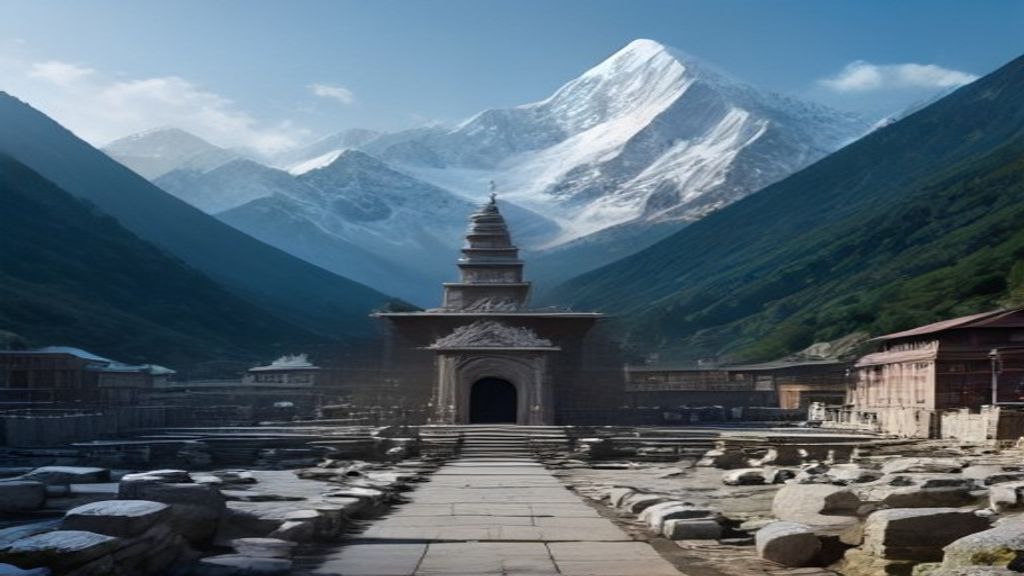
Recent initiatives focus on maintaining eco-balance and promoting sustainable tourism. The fragile Himalayan ecosystem faces increasing pressure from growing pilgrimage numbers, necessitating proactive conservation measures to preserve the region’s natural and spiritual integrity.
- The government has restricted plastic use and introduced waste management programs.
- Eco-friendly infrastructure upgrades, including solar-powered facilities, are underway.
The Uttarakhand government implemented a comprehensive plastic ban throughout the Kedarnath region in 2025, prohibiting single-use plastics including bottles, bags, and food packaging. Pilgrims must now carry reusable water bottles, with purified water refilling stations established at multiple points along the trek route. Violations result in fines ranging from ₹5,000 to ₹25,000, strictly enforced by environmental monitoring teams.
Waste segregation and management systems have been established at all accommodation facilities and along trekking paths. Biodegradable waste undergoes composting at designated facilities, while non-biodegradable materials are transported to proper disposal centers in lower-altitude towns. Daily clean-up drives organized by local youth groups and volunteer organizations maintain trail cleanliness and raise environmental awareness among pilgrims.
Solar power installations now provide renewable energy for lighting, heating, and communication systems throughout the pilgrimage route. The temple complex itself operates primarily on solar energy, with backup generators used only during extended cloudy periods. This transition has significantly reduced diesel consumption and associated air pollution in the sensitive high-altitude environment.
Reforestation programs have planted over 50,000 native tree species in areas affected by increased foot traffic and construction activities. These efforts aim to prevent soil erosion, maintain watershed integrity, and preserve biodiversity. Local communities participate actively in these initiatives, receiving training and employment opportunities in environmental conservation roles.
Water conservation measures include rainwater harvesting systems and wastewater treatment facilities that prevent contamination of mountain streams. Educational campaigns inform pilgrims about water scarcity at high altitudes, encouraging mindful consumption and respect for natural resources.
Practical Considerations for Modern Pilgrims
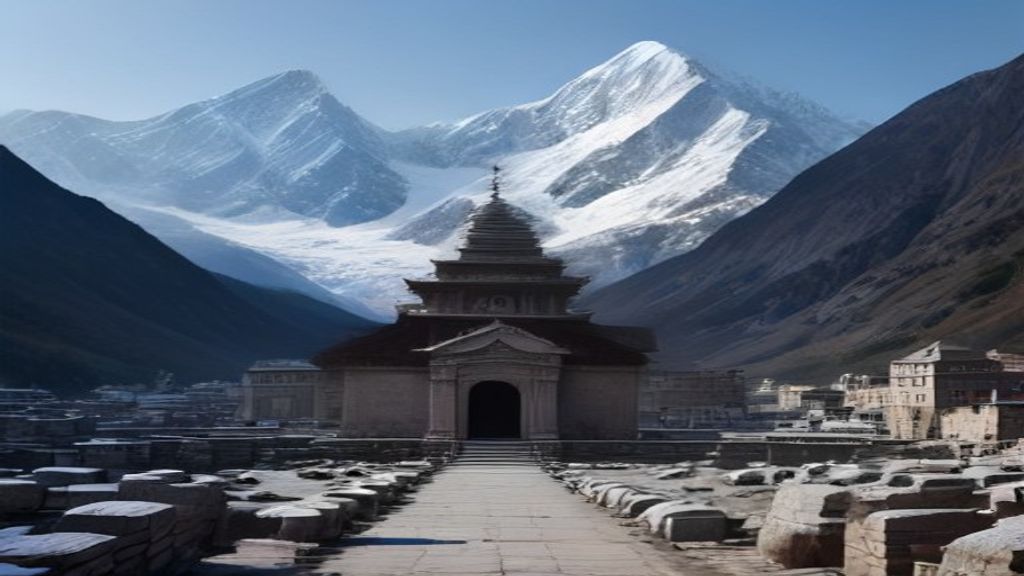
Successfully completing the Kedarnath pilgrimage requires physical preparation, appropriate gear, and awareness of health considerations specific to high-altitude travel. The temple’s location at 3,583 meters presents challenges including reduced oxygen levels, unpredictable weather, and physically demanding trekking conditions.
Physical fitness preparation should begin at least 4-6 weeks before the journey. Cardiovascular exercises including walking, jogging, and stair climbing build stamina for the steep ascent. Altitude acclimatization is crucial; pilgrims should spend at least one night at moderate elevation (around 2,000 meters) before attempting the final trek to minimize acute mountain sickness risks.
Essential gear includes sturdy trekking shoes with good ankle support, layered clothing to adapt to temperature fluctuations, rain protection, walking sticks, and basic first aid supplies. Temperatures at Kedarnath can drop to 5°C even during summer months, with significant wind chill factors. Thermal wear, waterproof jackets, and warm headgear are non-negotiable items regardless of season.
Health precautions include carrying altitude sickness medication, staying well-hydrated, avoiding alcohol consumption, and ascending gradually to allow acclimatization. Medical facilities are available at Gaurikund and Kedarnath, but serious emergencies may require helicopter evacuation. Comprehensive travel insurance covering high-altitude trekking is strongly advisable.
The digital infrastructure improvements in 2026 include 4G mobile connectivity at most points along the pilgrimage route, enabling real-time communication and access to weather updates. However, battery drainage occurs rapidly in cold conditions, so carrying portable chargers and backup power banks is essential.
Cultural Etiquette and Spiritual Preparation
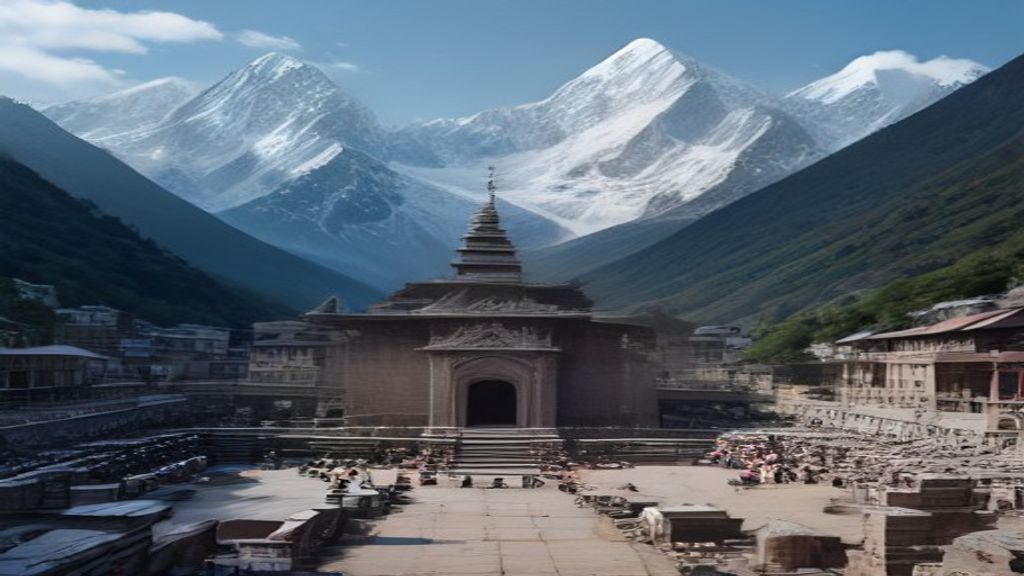
Kedarnath pilgrimage transcends mere tourism; it represents a sacred journey requiring mental and spiritual preparation alongside physical readiness. Understanding and respecting local customs, temple protocols, and spiritual traditions enhances the pilgrimage experience while honoring the sanctity of this ancient site.
Dress codes require modest clothing covering shoulders and knees. Leather items including belts, shoes, and bags are prohibited inside the temple sanctum, as leather is considered impure in this sacred context. Designated shoe storage facilities operate near the temple entrance.
Photography restrictions apply within the temple premises, particularly in the sanctum sanctorum. Pilgrims should respect these guidelines, recognizing that some spiritual experiences transcend visual documentation. The focus should remain on personal devotion and inner reflection rather than external recording.
Maintaining silence and reverence while approaching the temple demonstrates respect for fellow pilgrims’ spiritual experiences. The Kedarnath journey attracts people from diverse backgrounds, all seeking connection with the divine. Creating a peaceful, meditative atmosphere benefits the entire pilgrim community.
Engaging with local priests and learning about temple rituals deepens understanding of Kedarnath’s spiritual significance. Many priests descend from generations of temple custodians, possessing profound knowledge of sacred traditions, mantras, and philosophical teachings associated with Lord Shiva worship.
The pilgrimage offers opportunities for self-reflection, release of worldly attachments, and cultivation of inner peace. Many pilgrims report profound personal transformations, describing the journey as a catalyst for life changes, renewed purpose, and deeper spiritual awareness. The challenging physical trek serves as a metaphor for life’s difficulties, while reaching the temple symbolizes spiritual achievement and divine grace.
Related Content & Internal Resources
References & External Citations
- Wikipedia Reference: Kedarnath Temple: Significance and Pilgrimage Guide — Wikipedia
- Official Reference Documentation — Official Reference
Written by Senior Travel Consultant & Chardham Specialist
Anaya Sharma is a seasoned travel consultant with over 15 years of experience focusing on Uttarakhand’s rich cultural and natural landscapes. Specializing in the Chardham Yatra and Himalayan treks, Anaya holds a Master’s degree in Eco-Tourism from the University of Delhi. Her extensive fieldwork includes mapping less-trodden paths and collaborating with local communities for sustainable travel. As a published author in ‘The Himalayan Travel Journal,’ Anaya is committed to providing insightful and ethical travel guidance. She regularly contributes her expertise to the ‘Travel’ website, ensuring that travelers receive authentic and culturally respectful information about Uttarakhand’s treasures.