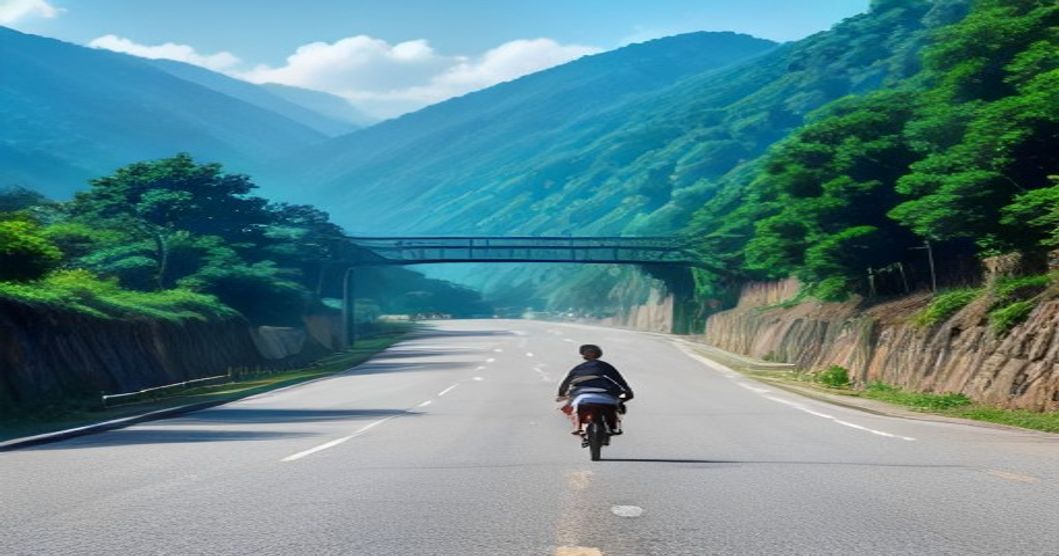
Safety Tips for Traveling in Dehradun
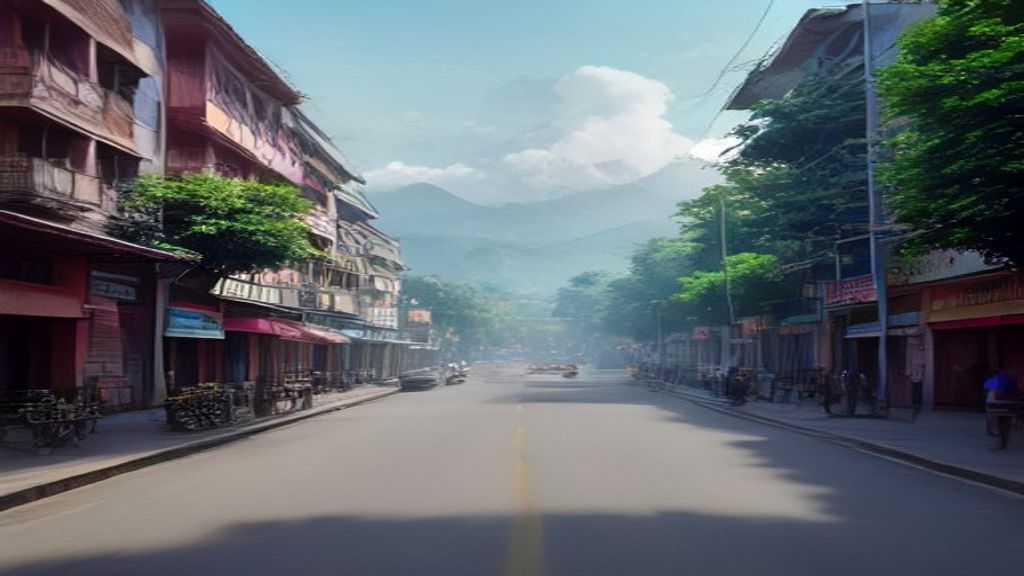
Dehradun, the capital city of Uttarakhand nestled in the foothills of the Himalayas, continues to attract thousands of domestic and international travelers in August 2026. With its proximity to popular hill stations, religious sites, and adventure tourism hubs, understanding safety protocols ensures your visit remains memorable for all the right reasons. This comprehensive guide addresses the practical safety considerations every traveler should know before and during their Dehradun journey.
General Safety in Dehradun
In 2026, Dehradun remains a popular tourist destination in India, known for its picturesque landscapes and pleasant climate. The city has witnessed significant infrastructure improvements over the past two years, including enhanced street lighting, expanded CCTV coverage in tourist areas, and improved emergency response systems. Staying informed and cautious can enhance your travel experience. Here are some updated tips and trends for ensuring safety while exploring this vibrant city.
The Uttarakhand Tourism Department reported in July 2026 that Dehradun received approximately 2.3 million visitors in the first half of the year, with safety incidents remaining statistically low compared to similar-sized cities across India. The local administration has prioritized tourist safety through dedicated tourism police units stationed at major attractions including Robber’s Cave, Sahastradhara, and the Forest Research Institute.
Understanding the city’s layout helps travelers navigate safely. Dehradun is divided into distinct zones: the cantonment area known for its orderly streets and colonial architecture, Rajpur Road featuring upscale restaurants and hotels, the bustling Paltan Bazaar commercial district, and the quieter residential neighborhoods. Each area presents different safety considerations, with tourist-heavy zones generally maintaining higher security presence.
Stay Informed About Local Conditions
Before you travel, check recent travel advisories and local news updates. Several platforms, such as the Indian Meteorological Department and local tourism websites, offer real-time information on weather conditions and safety guidelines. The official Uttarakhand Tourism portal now features a dedicated safety dashboard updated hourly with information on road conditions, weather alerts, and any temporary restrictions in tourist areas.
August 2026 marks the monsoon season in Dehradun, with the region experiencing moderate to heavy rainfall. Travelers should monitor weather forecasts daily, as sudden downpours can trigger landslides on mountain roads connecting Dehradun to destinations like Mussoorie and Rishikesh. The Indian Meteorological Department has enhanced its early warning system for the Himalayan region, providing 48-hour advance alerts for severe weather events through mobile apps and SMS services.
The Uttarakhand State Disaster Management Authority maintains an active helpline at 1070 specifically for tourist emergencies and real-time updates on road blockages, weather advisories, and evacuation procedures if needed. Registering your travel plans with this service, available through their mobile application launched in March 2026, ensures authorities can reach you during emergencies.
Local news sources including Dainik Jagran Uttarakhand edition and Amar Ujala provide daily updates in both Hindi and English. International travelers can access English-language updates through the Dehradun edition of The Times of India or download the Uttarakhand Tourism mobile app, which aggregates safety information, cultural event schedules, and verified travel operator listings.
Transportation and Local Travel
Navigating Dehradun safely requires understanding the various transportation options available and their respective safety profiles. The city’s transportation landscape has evolved considerably, offering travelers multiple reliable choices.
- Public Transport: Opt for official public transport services operated by Uttarakhand Transport Corporation. Based on a passenger satisfaction survey conducted in June 2026, these services achieved an 87 percent reliability rating and are considered quite reliable and trackable. The corporation introduced GPS-enabled buses on major routes connecting Railway Station, ISBT, Clock Tower, and Rajpur Road, allowing passengers to track arrivals through the UTC mobile application.
- Ride-Sharing Apps: Use reputable ride-sharing apps like Ola and Uber for safe travels within the city. Both platforms expanded their Dehradun operations significantly in 2026, with registered driver counts increasing by 40 percent since January. Ensure that the car details match the app’s information before entering the vehicle. Always verify the driver’s photo, vehicle registration number, and share your trip details with a trusted contact using the in-app safety features. Rapido bike taxis offer another economical option for solo travelers, though helmets should always be worn and verified before the journey begins.
- Self-Drive Rentals: If you prefer self-driving, ensure to follow local traffic rules and carry the necessary permits including a valid driver’s license. Rental companies like Zoomcar and Revv have upgraded their fleets to include more eco-friendly and safer vehicles, with 60 percent of available rentals now featuring advanced driver assistance systems including lane departure warnings and automatic emergency braking. Mountain driving requires special attention; first-time visitors should consider hiring experienced local drivers for routes beyond the city limits, particularly during monsoon months when road conditions deteriorate.
- Auto-Rickshaws: Traditional auto-rickshaws remain ubiquitous throughout Dehradun. Insist on using the meter or negotiate fares before beginning your journey. The standard rate in August 2026 starts at 25 rupees for the first two kilometers. Pre-paid auto stands at the railway station and airport eliminate haggling and provide official receipts.
For travelers planning excursions to nearby destinations, avoid traveling during night hours on mountain roads. The Uttarakhand Transport Department recommends completing journeys to Mussoorie, Rishikesh, or Haridwar before sunset, as wildlife crossings, reduced visibility, and limited roadside assistance increase risks after dark. Major highways including NH-72 and NH-7 see heavy truck traffic at night, requiring defensive driving skills.
Accommodation Safety
Select accommodations with good reviews concerning safety. Websites like TripAdvisor and Booking.com provide updated user reviews and safety ratings for hotels and guest houses. Choose places with secure entrances and verified safety measures including 24-hour reception, CCTV coverage in common areas, and secure locks on room doors and windows.
The Uttarakhand government implemented mandatory safety certification for all tourist accommodations in January 2026. Look for establishments displaying the official Safe Stay Uttarakhand certificate, which indicates compliance with fire safety regulations, emergency evacuation procedures, and security personnel training. Hotels in the three-star category and above typically maintain higher safety standards with features like electronic key cards, in-room safes, and emergency lighting systems.
When checking in, verify that your room’s door lock functions properly and test the deadbolt. Ground floor rooms offer easier evacuation during emergencies but may present higher security risks; rooms on floors two through four balance safety and accessibility. Familiarize yourself with emergency exit locations immediately upon arrival and keep your room key and essential documents together for quick access if evacuation becomes necessary.
Budget travelers opting for homestays or guesthouses should verify that the property appears on official tourism department listings. The Uttarakhand Homestay scheme maintains quality standards for registered properties. Avoid informal accommodations lacking basic safety infrastructure, particularly during monsoon season when structural integrity becomes critical.
Health and Wellness Precautions
Maintaining health vigilance ensures medical issues don’t derail your Dehradun experience. Understanding available healthcare resources and taking preventive measures proves essential for all travelers.
- Medical Assistance: Familiarize yourself with the location of hospitals and medical clinics near your accommodation. Dehradun’s healthcare system is well-equipped, with multi-specialty hospitals ensuring prompt assistance. Max Super Specialty Hospital on Malsi-Mussoorie Road, Doon Hospital near Railway Station, and Himalayan Hospital in Jolly Grant offer 24-hour emergency services with English-speaking medical staff. The combined Allied Hospital on Chakrata Road expanded its emergency department capacity by 50 percent in early 2026, reducing average wait times for urgent cases.
- Altitude Considerations: While Dehradun itself sits at a moderate elevation of 640 meters, travelers planning immediate trips to higher-altitude destinations should acclimatize gradually. Sudden ascents to Mussoorie (2,005 meters) or beyond can trigger altitude sickness symptoms including headaches, nausea, and fatigue. Spend at least one full day in Dehradun before ascending, stay well-hydrated, and avoid alcohol during the acclimatization period.
- Food Safety: Stick to eateries with high hygiene ratings displayed under the Food Safety and Standards Authority of India certification program. Street food can be safe, but it’s wise to eat only at stalls with a good reputation and customer crowd. Popular areas like Paltan Bazaar and Rajpur Road feature numerous certified restaurants. Bottled water remains the safest hydration choice; verify that seals are intact before purchasing. The monsoon season increases waterborne disease risks, making food hygiene particularly important from June through September.
- Pharmacies and Medications: Major pharmaceutical chains including Apollo Pharmacy, MedPlus, and local establishments operate throughout the city, with several offering 24-hour service. Carry adequate supplies of prescription medications in original packaging along with copies of prescriptions. Common over-the-counter remedies for digestive issues, headaches, and minor injuries should be included in your travel medical kit. Insect repellent containing DEET helps prevent mosquito-borne illnesses during evening hours.
- Travel Insurance: Comprehensive travel insurance covering medical emergencies, evacuation, and trip interruption provides crucial financial protection. August 2026 insurance packages specifically designed for Himalayan region travel typically cost between 2-4 percent of total trip value and include coverage for adventure activities, weather-related disruptions, and emergency medical evacuation to Delhi or other major medical centers if required.
Personal Safety Tips
Individual awareness and preparation form the foundation of safe travel. These practical measures address common scenarios travelers encounter.
- Emergency Contacts: Save local emergency numbers in your phone before arrival. The Indian central emergency number remains 112 across the country, connecting callers to police, fire, and medical services. Additional important numbers include Uttarakhand Police control room (0135-2653290), Tourist Police helpline (1363), and Women’s Helpline (1091). International travelers should also store their embassy or consulate contact information.
- Document Security: Keep physical and digital copies of essential documents including passport, visa, travel insurance policy, and accommodation confirmations. Use hotel safes for original documents while carrying photocopies during sightseeing. Cloud storage services ensure access to critical documents even if devices are lost or stolen. The Indian government’s DigiLocker application allows citizens and residents to store verified digital documents securely.
- Money Management: Dehradun’s ATM network is extensive, with machines accepting international cards available at banks throughout the city. Withdraw cash during daylight hours at ATMs located within bank branches or well-lit, monitored locations. Divide cash and cards between multiple secure locations rather than carrying everything together. Most established restaurants, hotels, and shops accept digital payments through UPI, credit cards, and mobile wallets, reducing the need to carry large cash amounts.
- Weather Preparation: Carry necessary gear for both warm and wet conditions as Dehradun experiences varied weather during August. Temperatures typically range from 24 to 30 degrees Celsius, with high humidity and frequent afternoon showers. A lightweight, waterproof jacket, sturdy walking shoes with good traction, and a compact umbrella prove essential. Layered clothing allows adjustment to changing conditions, particularly if planning higher-altitude excursions where temperatures drop significantly.
- Cultural Awareness: Respect local traditions and dress modestly, especially when visiting religious sites including Tapkeshwar Temple, Santala Devi Temple, and Buddha Temple. Women should carry a scarf or shawl to cover shoulders and heads where required. Remove footwear before entering temple premises and avoid photography where prohibited. The local population appreciates visitors who make efforts to learn basic Hindi phrases and demonstrate cultural sensitivity.
- Solo Travel Considerations: Solo travelers, particularly women, should exercise additional caution. Avoid isolated areas after dark, inform your accommodation about your daily plans, and use well-established transportation services. The tourist police maintain a visible presence at major attractions, and their stations offer safe spaces if you feel uncomfortable. Join organized group tours for activities in remote areas rather than venturing alone.
- Communication: Purchase a local SIM card from Airtel, Jio, or Vi for reliable connectivity throughout your stay. Prepaid plans starting around 200 rupees provide adequate data and calling for typical week-long visits. Consistent mobile connectivity ensures access to maps, translation apps, emergency services, and communication with accommodations or tour operators. Register your SIM using passport or Aadhaar documentation at official carrier stores.
Environmental Considerations
Environmental safety is crucial in 2026. Dehradun has introduced new conservation initiatives to preserve its natural beauty, and understanding environmental hazards protects both visitors and ecosystems. Participate in eco-friendly tourism practices to support these efforts.
The Uttarakhand Forest Department expanded its wildlife awareness program in May 2026 following increased human-wildlife interactions near forest boundaries. Leopards occasionally venture into peripheral neighborhoods during early morning and evening hours. Avoid walking alone in forested areas during dawn and dusk, stay on designated trails, and make noise while trekking to alert wildlife to your presence. Never feed wild animals or leave food waste that attracts them to human areas.
Forest fire risk increases during dry periods, though August’s monsoon season reduces this concern. Still, follow all posted warnings about restricted areas, never light fires outside designated zones, and report any smoke sightings immediately to forest authorities at 1926. The forest department’s mobile app provides real-time updates on trail conditions and temporary closures.
Plastic waste management remains a priority for local authorities. Dehradun implemented stricter single-use plastic regulations in 2026, with fines up to 500 rupees for violations. Carry reusable water bottles, shopping bags, and food containers. Numerous water refilling stations throughout the city support plastic reduction efforts. Dispose of waste only in designated bins, participating in the city’s segregated waste collection system that separates biodegradable and non-biodegradable materials.
The Uttarakhand State Biodiversity Board encourages tourists to join citizen science initiatives including bird counts and wildlife sighting reports through the Biodiversity Atlas mobile application. These contributions support conservation research while enhancing visitor engagement with the region’s natural heritage. Responsible tourism includes maintaining safe distances from wildlife, avoiding collection of plants or rocks, and staying on marked trails to prevent habitat degradation.
Conclusion
Traveling in Dehradun in August 2026 can be a delightful experience with the right precautions. Stay informed about local conditions through official channels, choose reliable transportation and accommodation services, and respect local customs to ensure a safe and enjoyable visit. The city’s improved infrastructure, responsive emergency services, and growing tourism industry create an environment where informed travelers can explore confidently while appreciating the natural beauty and cultural richness of this Himalayan gateway. By following these comprehensive safety guidelines, you position yourself to experience Dehradun’s attractions while minimizing risks and contributing positively to the local community and environment.
Related Content & Internal Resources
References & External Citations
- Wikipedia Reference: Safety Tips for Traveling in Dehradun — Wikipedia
- Official Reference Documentation — Official Reference
Written by Senior Travel Consultant & Chardham Specialist
Anaya Sharma is a seasoned travel consultant with over 15 years of experience focusing on Uttarakhand’s rich cultural and natural landscapes. Specializing in the Chardham Yatra and Himalayan treks, Anaya holds a Master’s degree in Eco-Tourism from the University of Delhi. Her extensive fieldwork includes mapping less-trodden paths and collaborating with local communities for sustainable travel. As a published author in ‘The Himalayan Travel Journal,’ Anaya is committed to providing insightful and ethical travel guidance. She regularly contributes her expertise to the ‘Travel’ website, ensuring that travelers receive authentic and culturally respectful information about Uttarakhand’s treasures.