Shopping in Dehradun: Local Markets and Boutiques
Dehradun, the capital of Uttarakhand nestled in the foothills of the Himalayas, offers a distinctive shopping ecosystem that bridges traditional mountain commerce with contemporary retail experiences. As of August 2026, the city’s retail landscape serves a growing population of approximately 850,000 residents plus substantial tourist traffic, creating a dynamic marketplace where century-old bazaars operate alongside modern shopping complexes. Shoppers discover authentic Himalayan handicrafts, premium Basmati rice varieties, aromatic hill spices, handwoven woolen textiles, and designer fashion all within the same compact urban geography.
The shopping culture here reflects Dehradun’s identity as both an educational hub with numerous institutions and a gateway to pilgrimage destinations like Haridwar and Rishikesh. This dual character creates demand for everything from affordable student fashion to premium religious artifacts, from trekking equipment to luxury home furnishings. The city’s retail evolution accelerated notably after the 2022 expansion of the Dehradun Metro project, which improved accessibility to major shopping districts and contributed to the current retail sector growth trajectory.
Key Markets in Dehradun
The traditional market network forms the commercial heart of Dehradun, with each bazaar developing specialized offerings over decades. These markets operate typically from 10:00 AM to 9:00 PM, with some variation based on seasonal demand and local festivals.
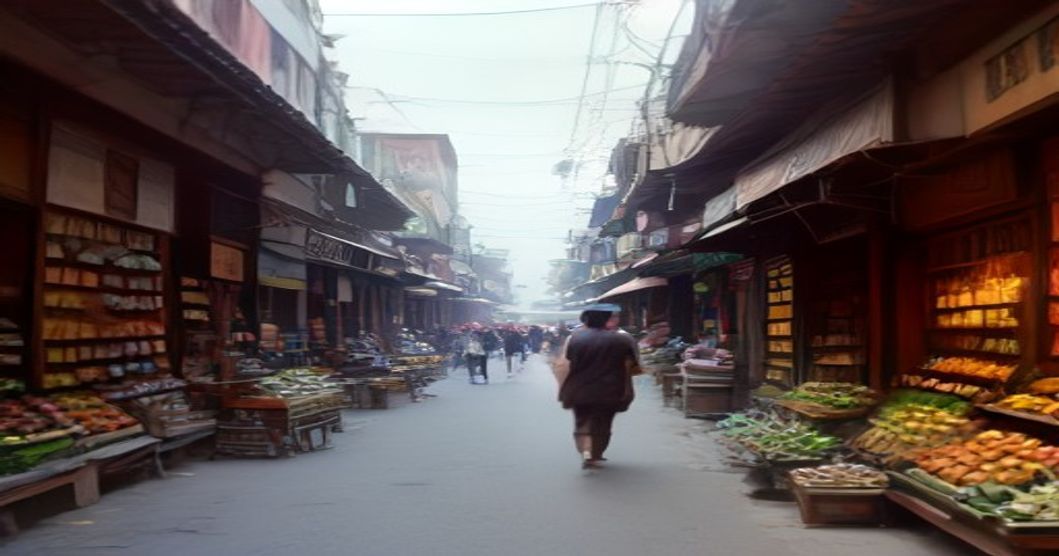
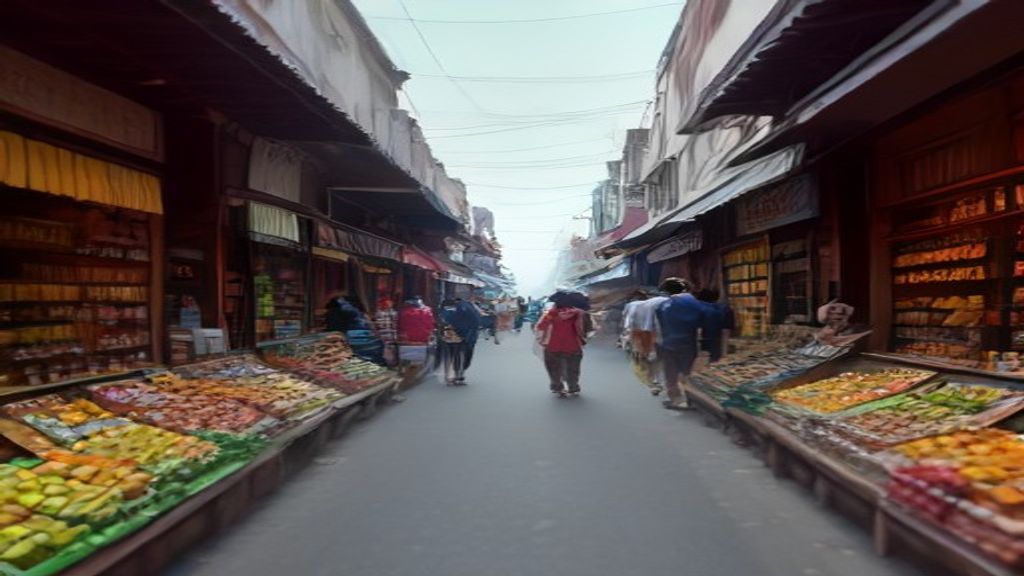
Paltan Bazaar remains the undisputed commercial nerve center of Dehradun, located within walking distance of the Clock Tower landmark. Established during the British colonial era, this market has evolved while maintaining its character as the primary destination for textiles, spices, and household goods. As of August 2026, Paltan Bazaar houses over 600 shops across interconnected lanes, with textile merchants occupying approximately 40% of storefronts. The market is particularly renowned for Basmati rice sourced from nearby Dehradun valley farms, selling at prices ranging from ₹120 to ₹280 per kilogram depending on grain quality and aging. Spice vendors offer hill-grown turmeric, cardamom from nearby estates, and specialty items like timur (Sichuan pepper) used in Garhwali cuisine. Handicraft sections feature brass utensils manufactured in traditional workshops, wooden artifacts carved from local deodar wood, and hand-embroidered textiles from hill communities. The market experiences peak footfall during weekends, with an estimated 15,000 to 20,000 daily visitors on Saturdays. Parking remains challenging, though the 2025 opening of a multi-level parking facility two blocks away has somewhat eased congestion.
Indira Market has emerged as Dehradun’s fashion-forward destination, particularly popular among the city’s substantial student population and young professionals. Located near the Rispana Bridge area, this market transformed significantly between 2023 and 2026, with approximately 70% of shops now specializing in apparel and accessories. The market caters to trend-conscious shoppers seeking affordable interpretations of runway fashion, with most garments priced between ₹500 and ₹3,500. Footwear boutiques offer both domestic brands and imported styles, while accessory shops stock jewelry, handbags, and fashion items that change inventory every 4-6 weeks to reflect evolving trends. Evening hours from 6:00 PM to 9:00 PM see the highest concentration of shoppers, particularly on weekdays when students and working professionals visit after classes or office hours. The market’s social media presence has grown substantially, with several shop owners maintaining Instagram accounts showcasing new arrivals, contributing to its reputation as the go-to destination for fast fashion in Dehradun.
Tibetan Market provides authentic cultural shopping experiences reflecting Dehradun’s significant Tibetan refugee community, which has maintained presence in the region since the 1960s. Located near the Clement Town area, approximately 8 kilometers from the city center, this market specializes in woolen garments ideal for the region’s cool climate, particularly from October through March. As of August 2026, shoppers find hand-knitted sweaters priced from ₹800 to ₹2,500, traditional Tibetan boots, and woolen shawls in both traditional and contemporary designs. The handicraft section offers prayer wheels, thangka paintings, singing bowls, and incense holders crafted using traditional techniques. Semi-precious jewelry featuring turquoise, coral, and amber remains popular, with pieces ranging from ₹600 for simple pendants to ₹15,000 for elaborate necklaces. Many items are handmade by community artisans, providing direct economic support to Tibetan families. The market also features small eateries serving authentic Tibetan cuisine, including momos, thukpa, and butter tea, making it a comprehensive cultural experience beyond mere shopping. Visitors should note that bargaining is expected and generally results in 10-20% price reductions from initial quotes.
Ashley Hall Market and the surrounding shopping district serve middle to upper-middle-class shoppers seeking quality goods in a less congested environment than central bazaars. This area has developed organically around the Ashley Hall cinema landmark, with shops specializing in home furnishings, kitchenware, electronics, and specialty foods. Several established stores have operated here for over three decades, building loyal customer bases through personalized service and product knowledge. The market is particularly known for home décor items, including curtains, bedding, and decorative pieces that blend traditional Indian aesthetics with contemporary design sensibilities.
Boutique Shopping in Dehradun
Dehradun’s boutique culture has expanded significantly in recent years, driven by increasing disposable incomes, growing fashion consciousness, and the influence of social media showcasing designer wear. The boutique segment now contributes approximately 18% of the city’s total fashion retail revenue as of August 2026, compared to just 11% in 2023.
Rajpur Road has established itself as Dehradun’s premium shopping corridor, stretching approximately 6 kilometers from the city center toward Mussoorie. This tree-lined avenue hosts over 40 boutiques specializing in designer wear, traditional Indian attire, and fusion fashion that combines ethnic elements with contemporary cuts. Boutiques here typically operate from 11:00 AM to 8:30 PM, with some extending hours during wedding season from November through February. Price points reflect the premium positioning, with designer salwar kameez sets starting around ₹4,500, lehengas ranging from ₹18,000 to ₹75,000, and couture pieces exceeding ₹100,000. Several boutiques offer customization services, taking measurements and creating bespoke garments within 10-15 days, a service particularly appreciated during wedding preparations. Notable establishments include boutiques specializing in Lucknowi chikankari embroidery, Banarasi silk sarees, and contemporary Indo-western fusion wear popular among younger customers. The road also features home décor boutiques offering curated collections of furnishings, artifacts, and lifestyle products sourced from across India and select international markets. Many boutiques maintain active WhatsApp catalogs, allowing customers to browse collections and place orders remotely, a practice that became standard during pandemic years and has persisted due to convenience.
Astley Hall area represents an emerging boutique cluster that has grown substantially since 2024, now hosting approximately 25 specialized fashion and lifestyle boutiques. This district attracts shoppers seeking contemporary Indian fashion with emphasis on quality fabrics, detailed craftsmanship, and distinctive design aesthetics. Several boutiques here focus on sustainable fashion, using organic cotton, natural dyes, and traditional handloom textiles from weaver cooperatives in rural Uttarakhand and neighboring states. Price points tend to be moderate, with most garments priced between ₹2,500 and ₹12,000, making designer fashion accessible to a broader customer base. The area has also seen growth in men’s boutiques, addressing the previously underserved market for premium menswear beyond standard formal clothing. These establishments offer ethnic wear like kurta-pajamas and bandhgalas for festive occasions, alongside contemporary casual wear with attention to fit and fabric quality. Home décor boutiques in Astley Hall distinguish themselves through eclectic collections mixing traditional Indian crafts with minimalist modern design, appealing to homeowners and interior designers working on residential projects.
The Race Course area has emerged as another boutique destination since late 2024, particularly for bridal wear and occasion-specific fashion. Several boutiques here collaborate directly with designers from Delhi and Mumbai, offering collections that previously required travel to metro cities. Wedding-focused boutiques provide comprehensive services including outfit selection for multiple ceremonies, jewelry coordination, and styling consultations, effectively functioning as one-stop solutions for bridal shopping.
Shopping Malls
Modern shopping malls have transformed Dehradun’s retail landscape since the first significant mall opened in 2012, with current infrastructure as of August 2026 including five major malls serving different geographic zones and demographic segments.
Pacific Mall, located on Rajpur Road, operates as Dehradun’s largest and most established shopping destination with approximately 180 retail outlets across four levels and 300,000 square feet of retail space. The mall anchors include major Indian retail chains like Pantaloons, Reliance Trends, and Lifestyle, alongside international fast-fashion brands that entered the Indian market in recent years. The electronics section features dedicated stores for major brands including Samsung, Apple authorized resellers, and multi-brand outlets. The third floor houses a multiplex cinema with six screens, while the fourth floor contains a food court with 22 outlets serving everything from traditional Indian cuisine to international fast food, pizzas, and Asian fare. Weekend footfall regularly exceeds 25,000 visitors, with parking facilities accommodating approximately 800 vehicles across basement and surface lots. The mall has implemented sustainability measures including rainwater harvesting, solar panels generating 15% of electricity needs, and waste segregation systems, aligning with broader environmental awareness trends.
Crossroad Mall, situated near the ISBT area, serves as a more accessible shopping destination for middle-income shoppers and students, with emphasis on value fashion, affordable dining, and entertainment. The mall contains approximately 100 stores across three levels, with anchor tenants focusing on budget-friendly fashion and lifestyle products. A gaming zone on the top floor attracts families with children, while the cinema complex with four screens shows both Hindi and regional films. The mall’s strategic location near the interstate bus terminal makes it convenient for tourists and visitors from surrounding districts who often include mall shopping in their Dehradun itineraries.
Bhajan Singh Nagar commercial complex and Inderlok complex serve neighborhood shopping needs, combining supermarkets, specialty stores, and service establishments. These smaller format retail spaces bridge the gap between traditional markets and large malls, offering convenient parking and air-conditioned comfort while maintaining more personal service relationships characteristic of local shopping.
Mall culture has adapted to Indian shopping preferences, with most malls experiencing peak traffic during evening hours from 6:00 PM to 10:00 PM on weekdays and throughout afternoons and evenings on weekends. Festival seasons, particularly Diwali in October-November and summer vacation period from May through June, see promotional activities, discount sales, and extended operating hours until 11:00 PM.
Key Statistics and Trends for August 2026
Dehradun’s retail sector has demonstrated robust growth throughout 2026, with the industry expanding approximately 12% compared to 2025, significantly outpacing the national retail growth average of 8.5%. This expansion reflects multiple converging factors: increased tourist arrivals following improved connectivity via the Dehradun-Delhi expressway completed in late 2024, growing student population as educational institutions expanded, rising disposable incomes among middle-class families, and Dehradun’s increasing attractiveness as a retirement destination bringing affluent senior citizens with substantial purchasing power.
The city’s retail employment has grown correspondingly, with an estimated 42,000 people directly employed in retail sectors as of August 2026, representing approximately 5% of the city’s total workforce. This includes shop owners, sales personnel, inventory managers, and support staff across traditional markets, boutiques, and modern retail formats.
Online shopping penetration has reached approximately 23% of total retail spending in Dehradun as of August 2026, lower than metro city averages of 32-35% but growing steadily. However, categories like fashion, handicrafts, and specialty foods maintain strong offline sales because customers prefer tactile evaluation, immediate possession, and the social experience of market shopping. Many traditional retailers have adopted hybrid models, maintaining physical stores while developing online presence through WhatsApp Business catalogs, Instagram shops, and listings on local e-commerce platforms. This omnichannel approach allows retailers to serve customers who research online but prefer completing purchases in-store, as well as those who discovered products in-store but find online reordering convenient.
Sustainable and eco-friendly products have gained substantial market share across multiple categories. Cloth bag usage has become standard, with plastic bags largely eliminated following strict enforcement of existing bans. Organic food sections have appeared in supermarkets and specialty stores, with locally-sourced organic produce, millets, and chemical-free pulses commanding premium prices of 30-50% above conventional alternatives yet finding ready acceptance among health-conscious consumers. Fashion boutiques increasingly stock handloom textiles, naturally-dyed fabrics, and garments from ethical manufacturing facilities, responding to customer inquiries about production practices and environmental impact. Several markets have introduced composting systems for organic waste, while electronics retailers have established take-back programs for old devices, addressing e-waste concerns.
The home décor and furnishing segment has experienced notable growth, expanding approximately 18% in 2026, driven by robust residential construction and rising apartment sales. New homeowners and those renovating properties seek locally-available furniture, lighting, textiles, and decorative items, supporting specialized stores and boutiques focused on interior lifestyle products.
Wedding-related shopping constitutes a significant retail category in Dehradun, with the city serving surrounding districts and smaller towns whose residents prefer Dehradun’s selection and quality for major life events. The wedding shopping season from October through February accounts for approximately 35% of annual revenue for boutiques and jewelry stores, with families often making multiple shopping trips spread across weeks or months leading to ceremonies.
Practical Shopping Guidance
Successful shopping in Dehradun requires understanding local practices, timing, and negotiation customs that differ somewhat from metropolitan retail environments.
Bargaining remains expected in traditional markets like Paltan Bazaar and Tibetan Market, though not in boutiques or malls with fixed-price policies. Effective bargaining typically begins by expressing interest without excessive enthusiasm, asking prices for multiple items, and politely suggesting a lower figure, generally 20-30% below the quoted price. Shopkeepers expect negotiation and often price items with this buffer included. Final settlements usually land 10-20% below initial quotes, though this varies by product category, purchase volume, and individual merchant practices. Building rapport through friendly conversation often yields better prices than aggressive negotiation.
Payment methods have diversified substantially, with UPI digital payments now accepted by approximately 85% of shops in major markets as of August 2026, including many small vendors. Mobile payment apps like Google Pay, PhonePe, and Paytm have achieved near-universal acceptance. However, carrying cash remains advisable as some shops offer small discounts for cash payments to avoid transaction fees, and occasional technical issues with digital payment systems can occur.
Shopping timing affects experience quality significantly. Markets are least crowded on weekday mornings from 10:30 AM to 12:30 PM, offering relaxed browsing and more attentive service. Weekend afternoons and evenings bring peak crowds, making navigation difficult but creating vibrant atmosphere some shoppers enjoy. Parking near Paltan Bazaar becomes extremely challenging after 11:00 AM on weekends, making early visits advisable for those driving.
Weather considerations matter for market shopping, as many traditional markets have limited covered areas. The monsoon season from July through early September brings frequent afternoon rains, making mornings preferable for market visits. Summer months from April through June see temperatures reaching 35-38°C, making early morning or evening shopping more comfortable. The pleasant autumn and winter months from October through March offer ideal shopping weather, coinciding with festival and wedding seasons when markets display their most extensive and attractive inventory.
Specialty Shopping Categories
Dehradun has developed specialized retail niches reflecting local culture, geography, and consumer interests.
Basmati rice sourced from Dehradun valley farms represents a premium agricultural product, with local varieties prized for aroma, grain length, and cooking characteristics. Specialty stores and sections within Paltan Bazaar offer multiple grades, with knowledgeable merchants explaining differences between newly harvested and aged rice, with aging of 1-2 years enhancing flavor and texture. Prices as of August 2026 range from ₹150 per kilogram for standard varieties to ₹280 for premium aged Basmati, with many shops offering vacuum-sealed packaging for tourists transporting rice to other cities or countries.
Hill spices and honey from Uttarakhand’s mountain regions include distinctive products not readily available elsewhere. Timur provides a unique citrusy, numbing flavor essential to traditional Garhwali cuisine. Wild honey harvested from cliff hives in higher elevations commands premium prices of ₹800-1,200 per kilogram due to limited availability and harvesting difficulty. Dried rhododendron flowers used for making refreshing summer beverages, jimbu (Himalayan herb), and locally-grown turmeric with higher curcumin content than plains varieties all attract buyers seeking authentic regional products.
Woolen products remain significant year-round, not merely seasonal items, as Dehradun serves shoppers from warmer regions preparing for mountain travel and locals stocking up before winter. Beyond standard sweaters and shawls, specialty shops offer wool blankets, socks, caps, and gloves in various qualities from basic acrylic blends to premium Pashmina and Angora wool products.
Religious and spiritual items cater to pilgrims passing through Dehradun en route to Char Dham sites and Haridwar. Shops near the railway station and ISBT stock brass idols, puja items, rudraksha beads, religious texts, and travel-friendly worship accessories. This segment maintains steady demand throughout pilgrimage seasons from April through November.
Outdoor and trekking equipment has expanded as adventure tourism in Uttarakhand has grown. Several specialized stores near Rajpur Road stock camping gear, trekking poles, proper hiking boots, weather-appropriate clothing, and accessories for activities in nearby mountain areas. These establishments employ knowledgeable staff who advise on equipment selection based on specific trek requirements and seasonal conditions.
Future Retail Developments
Dehradun’s retail landscape continues evolving with several developments planned or underway as of August 2026. A second phase expansion of Pacific Mall will add approximately 100,000 square feet of retail space by early 2027, including premium brand flagship stores and expanded dining options. The proposed redevelopment of the Gandhi Road market area aims to preserve the traditional market character while improving infrastructure, pedestrian access, and parking facilities. Several boutique hotel projects incorporate ground-floor retail spaces designed for high-end boutiques and specialty stores, particularly along Rajpur Road extending toward Mussoorie Road.
The retail sector’s growth trajectory appears sustainable given Dehradun’s demographic trends, infrastructure improvements, and increasing economic activity. The city’s retail ecosystem successfully balances preservation of traditional market culture with adoption of modern retail formats, offering shopping experiences that satisfy both value-conscious local residents and tourists seeking authentic products and cultural experiences. This distinctive blend of old and new, traditional and contemporary, local and branded retail creates a shopping environment that reflects Dehradun’s broader identity as a city honoring its heritage while embracing thoughtful modernization.
Related Content & Internal Resources
References & External Citations
- Wikipedia Reference: Shopping in Dehradun: Local Markets and Boutiques — Wikipedia
- Official Reference Documentation — Official Reference
Written by Senior Travel Consultant & Chardham Specialist
Anaya Sharma is a seasoned travel consultant with over 15 years of experience focusing on Uttarakhand’s rich cultural and natural landscapes. Specializing in the Chardham Yatra and Himalayan treks, Anaya holds a Master’s degree in Eco-Tourism from the University of Delhi. Her extensive fieldwork includes mapping less-trodden paths and collaborating with local communities for sustainable travel. As a published author in ‘The Himalayan Travel Journal,’ Anaya is committed to providing insightful and ethical travel guidance. She regularly contributes her expertise to the ‘Travel’ website, ensuring that travelers receive authentic and culturally respectful information about Uttarakhand’s treasures.