Understanding the Best Time to Visit Badrinath
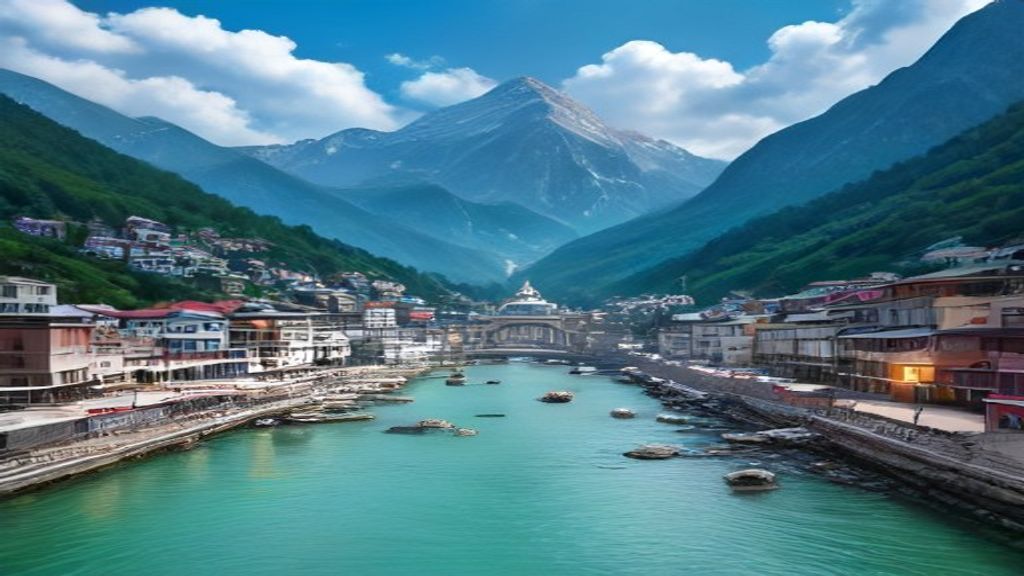
Badrinath, one of the four sacred Chardham pilgrimage sites situated at an elevation of 3,300 meters in Uttarakhand’s Chamoli district, demands careful timing for a successful visit. The temple’s accessibility, weather conditions, and crowd levels vary dramatically throughout the year, making timing essential for both spiritual fulfillment and practical comfort. In 2026, planning your journey to this ancient shrine dedicated to Lord Vishnu requires understanding the distinct seasonal patterns that govern the region.
Peak Season: May to June
The peak pilgrimage season for Badrinath runs from May through June, representing the most popular window for devotees and travelers. This period begins shortly after the temple doors officially open, typically around late April or early May, following the auspicious occasion of Akshaya Tritiya. The 2026 opening ceremony is expected to draw thousands of pilgrims who eagerly await the first darshan after the long winter closure.
- Weather: Pleasant with temperatures ranging from 10°C to 18°C during daytime hours. Morning and evening temperatures can drop to 5°C to 8°C, requiring warm layers. Precipitation is minimal in May but increases slightly in June as pre-monsoon showers occasionally occur.
- Accessibility: Roads are fully operational, and most travel services are available. The National Highway 58 and connecting routes from Rishikesh, Haridwar, and Dehradun function smoothly. Helicopter services from Dehradun to Badrinath operate at full capacity, with daily flights accommodating the surge in pilgrim numbers.
- Crowds: Expect larger crowds due to religious significance and holidays like Akshaya Tritiya and Ram Navami. Weekend pilgrimages see particularly heavy footfall, with accommodation facilities reaching near-full occupancy. The town’s limited infrastructure means advance booking becomes critical during this window.
May and June present ideal conditions for those seeking the complete pilgrimage experience with full temple rituals, vibrant religious ceremonies, and the opportunity to witness the elaborate morning and evening aarti performances. However, the popularity of this season means patience with crowds and higher accommodation costs. Budget accommodations that cost ₹800-1,200 in the shoulder season can command ₹2,000-3,500 during peak weeks in May and early June 2026.
Shoulder Season: September to October
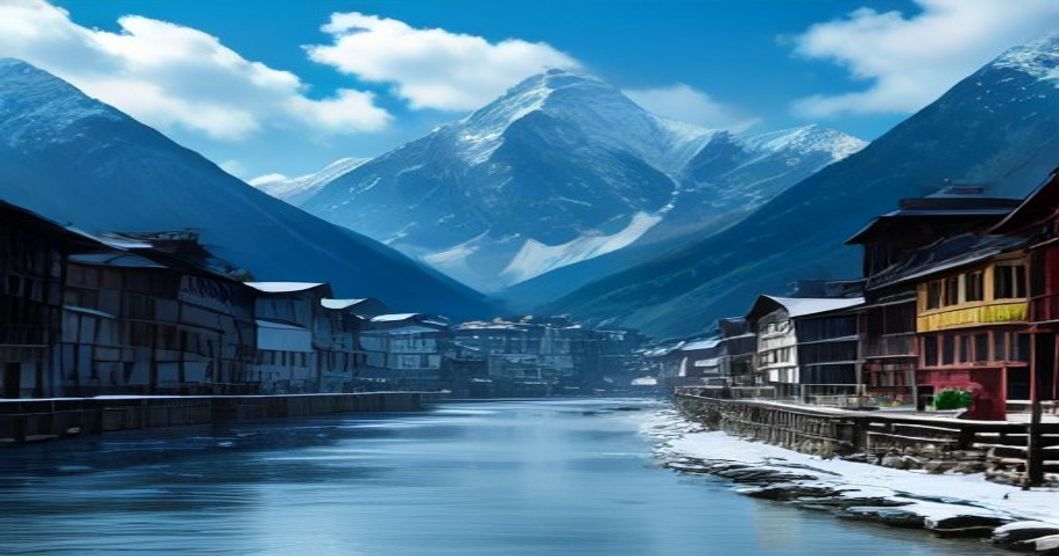
September through October constitutes the shoulder season, offering what many seasoned travelers consider the optimal balance between favorable conditions and manageable crowd levels. As the monsoon retreats by early September, the skies clear, revealing spectacular views of the Nilkantha peak and surrounding Himalayan ranges that often remain obscured during the summer months.
- Weather: Slightly cooler, ranging from 6°C to 15°C during the day. Clear skies prevail, offering excellent views of the surrounding peaks. Night temperatures can drop to 0°C to 3°C by late October, requiring substantial cold-weather gear. September typically offers stable weather patterns with minimal rainfall, while October brings increasing chill as winter approaches.
- Festivals: The temple remains open until late October, often coinciding with Diwali celebrations. The exact closing date, known as the Kapat closing ceremony, varies annually based on the Hindu calendar but typically occurs between mid-October and early November. In 2026, devotees can anticipate the temple remaining accessible through the Diwali period, allowing for festive celebrations at this sacred site.
- Advantages: Fewer crowds, making for a more serene pilgrimage and easier accommodation availability. The reduced congestion allows for longer, more contemplative time within the temple complex. Photography enthusiasts particularly favor this period for crystal-clear mountain visibility and dramatic autumn lighting conditions.
The shoulder season attracts a more diverse mix of travelers, including serious trekkers preparing for or recovering from high-altitude expeditions, cultural tourists seeking authentic experiences without peak-season commercialization, and devotees who prefer quieter spiritual contemplation. Accommodation prices moderate to approximately 60-70% of peak-season rates, and restaurant services remain fully operational with shorter wait times.
Off-Season: November to April
From November through April, Badrinath enters its off-season when harsh Himalayan winter conditions make pilgrimage impossible. Understanding this period helps travelers plan alternative experiences or schedule visits appropriately.
- Accessibility: The temple remains closed due to heavy snowfall. Roads may be blocked or unsafe, with the region receiving 3-5 meters of accumulated snow in typical winters. The Badrinath Highway becomes impassable, and no pilgrim services operate. The temple deity is ceremonially moved to Jyotirmath for winter worship, maintaining continuity of devotion despite the main shrine’s inaccessibility.
- Alternative Experiences: Winter trekking and cultural experiences in nearby regions like Auli and Joshimath are popular among adventure seekers. Auli, located approximately 45 kilometers from Badrinath, transforms into one of India’s premier skiing destinations from January through March. Joshimath offers access to the winter seat of Lord Badri and serves as a base for winter trekking expeditions to Kuari Pass and Gorson Bugyal.
Adventure tourism in the region has expanded significantly by 2026, with professional outfitters offering guided winter expeditions that combine cultural immersion with high-altitude trekking. These experiences cater to travelers seeking Uttarakhand’s beauty without the pilgrimage focus, though they require substantial mountaineering preparation and cold-weather experience.
Key Trends and Updates for August 2026
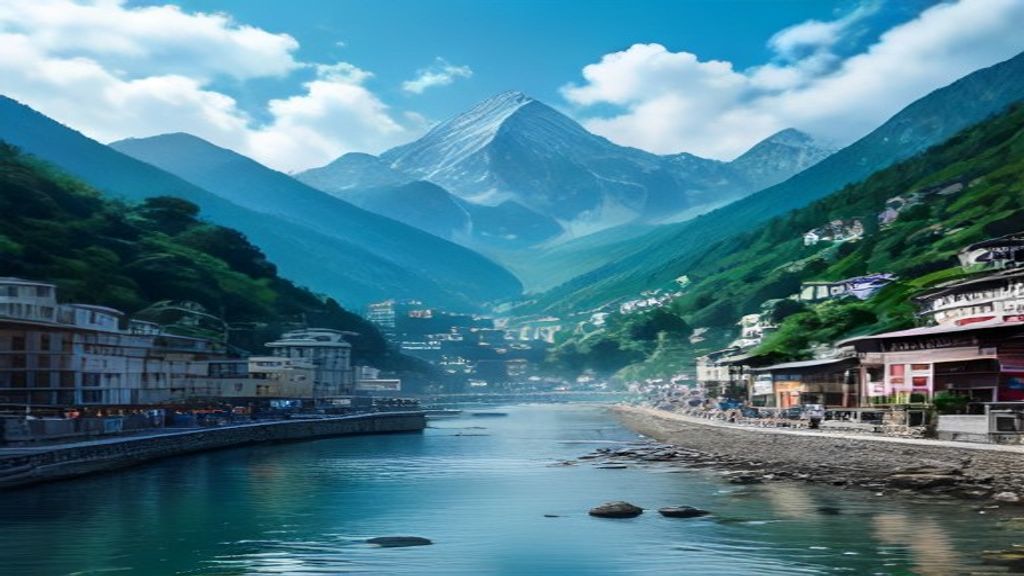
The landscape of Badrinath pilgrimage has evolved considerably, with several significant developments shaping the visitor experience in August 2026. These trends reflect broader movements in Indian tourism infrastructure and environmental consciousness.
- Eco-Tourism: Increasing efforts to promote sustainable tourism have led to new regulations to minimize environmental impact during the peak season. The Uttarakhand government implemented stringent waste management protocols in early 2026, requiring all commercial establishments to adopt zero-plastic policies. Pilgrims now encounter mandatory waste segregation at accommodations, with biodegradable packaging for prasad and temple offerings. The carrying capacity for daily visitors has been capped at 15,000 during peak periods to prevent environmental degradation of the fragile Himalayan ecosystem.
- Digital Connectivity: Enhanced internet connectivity and mobile network expansions in Badrinath enable better access to travel resources and emergency services. All major Indian telecom providers now offer 4G coverage throughout the town and temple complex, a dramatic improvement from the spotty connectivity that characterized previous years. This advancement facilitates real-time weather updates, digital payment systems, and emergency communication capabilities that significantly enhance pilgrim safety.
- Pilgrim Amenities: Recent developments include improved lodging facilities aligned with government standards for safe pilgrimages. The Badrinath-Kedarnath Temple Committee completed renovation of 12 pilgrim rest houses in March 2026, adding modern amenities while preserving traditional architectural elements. These facilities feature hot water systems powered by solar thermal technology, earthquake-resistant construction, and improved sanitation infrastructure that meets contemporary health standards.
Transportation infrastructure has also seen substantial upgrades, with the widening of critical road sections between Joshimath and Badrinath improving journey times and safety margins. The helicopter service expansion now includes five daily flights from Dehradun during peak season, reducing what was once a grueling 10-12 hour road journey to a comfortable 45-minute flight, though at premium pricing of approximately ₹8,000-12,000 per person for the one-way journey in 2026.
Travel Tips for Pilgrims
Successful Badrinath pilgrimages require thoughtful preparation across multiple dimensions. These practical recommendations draw from current conditions and infrastructure realities facing travelers in 2026.
- Accommodation Booking: Book in advance during the peak and shoulder seasons to avoid last-minute price surges. Online booking platforms now integrate with the temple committee’s official accommodation system, allowing verified reservations 90 days in advance. During major festivals and auspicious dates, accommodations within walking distance of the temple fill completely, forcing late bookers to stay in Mana village (3 kilometers away) or even Joshimath (45 kilometers away), adding significant travel time and complexity to the pilgrimage experience.
- Health Precautions: Acclimatization is crucial due to high altitude; consult health professionals if embarking on strenuous activities. Badrinath’s elevation of 3,300 meters places visitors at risk for acute mountain sickness, characterized by headaches, nausea, fatigue, and sleep disruption. Medical professionals recommend spending at least one night at intermediate elevations like Joshimath (1,890 meters) before ascending to Badrinath. The town now features a well-equipped medical center with oxygen support and altitude sickness treatment capabilities, staffed during the pilgrimage season. Travelers with pre-existing cardiac or respiratory conditions should undergo medical evaluation before undertaking the journey.
- Local Cuisine: Enjoy traditional thali meals offering a taste of local flavors and ingredients. Garhwali cuisine available in Badrinath restaurants features nutritious, warming dishes adapted to high-altitude living. Typical offerings include mandua ki roti (finger millet bread), jhangora ki kheer (barnyard millet pudding), gahat dal (horse gram lentils), and local preparations of seasonal vegetables. These meals provide sustained energy for pilgrimage activities while introducing travelers to Uttarakhand’s culinary heritage. Vegetarian food predominates given the sacred nature of the site, with most establishments maintaining strict pure-vegetarian kitchens.
Additional practical considerations include carrying adequate warm clothing regardless of travel season, as temperatures fluctuate dramatically between day and night. Rain gear remains essential even during supposedly dry months, as mountain weather patterns shift unpredictably. Cash remains important despite increasing digital payment adoption, as network connectivity can still prove unreliable during peak congestion periods. Travel insurance covering high-altitude medical evacuation provides valuable peace of mind given the remote location and potential health risks.
Photography within the main temple sanctum remains restricted, but the surrounding areas offer spectacular opportunities for capturing Himalayan landscapes, traditional architecture, and the vibrant atmosphere of active pilgrimage. Respectful interaction with local communities, modest dress consistent with temple protocols, and awareness of environmental conservation principles enhance both personal experience and contribute positively to sustainable tourism development.
Conclusion
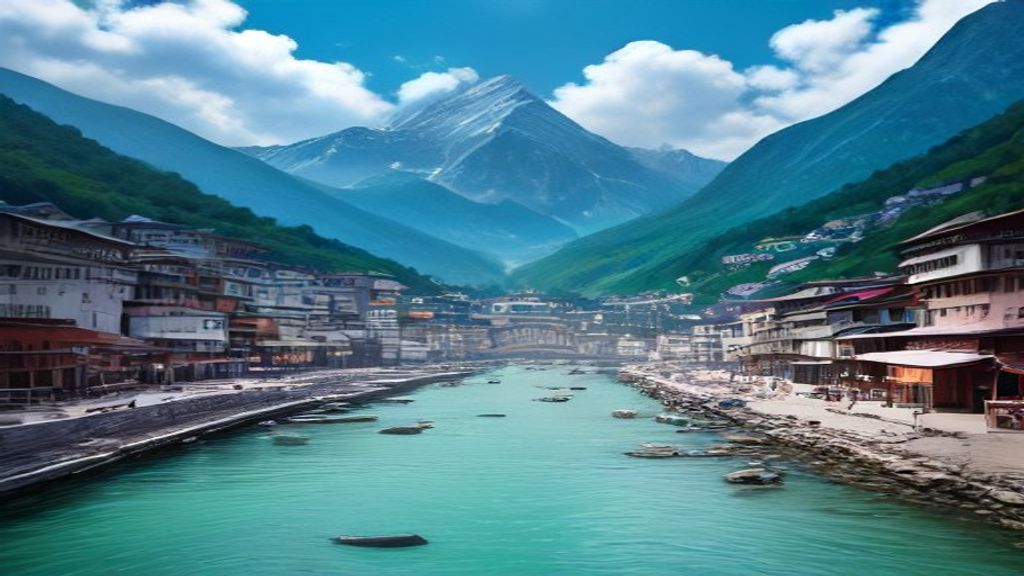
Choosing the right time to visit Badrinath ensures a fulfilling experience that balances spiritual objectives with practical comfort and safety considerations. Whether seeking spiritual enrichment or exploring cultural wonders, both the peak and shoulder seasons offer unique advantages for travelers in 2026. May through June provides the full spectrum of religious ceremonies, vibrant communal energy, and optimal accessibility, albeit with corresponding crowds and higher costs. September through October delivers arguably superior weather conditions, spectacular mountain visibility, and more contemplative atmospheres, ideal for those prioritizing personal spiritual connection over festival energy.
The temple’s November through April closure, while eliminating direct pilgrimage possibilities, opens alternative dimensions of regional exploration through winter sports and high-altitude trekking that reveal different facets of Uttarakhand’s magnificence. Understanding these seasonal rhythms, combined with awareness of 2026’s infrastructure improvements and sustainability initiatives, empowers travelers to craft pilgrimage experiences aligned with their individual priorities, physical capabilities, and spiritual aspirations.
As Badrinath continues evolving to balance ancient tradition with contemporary visitor expectations, the fundamental appeal remains constant: a sacred journey into the Himalayas that challenges, transforms, and inspires those who undertake it. Proper timing simply ensures that external conditions support rather than hinder this profound personal journey.
Popular Search Terms and LSI Keywords Related to Badrinath
- Badrinath weather update
- Badrinath temple opening dates 2026
- Chardham Yatra season
- Uttarakhand travel guide 2026
- Eco-friendly pilgrimage
- Badrinath accommodation booking
- Altitude sickness prevention Badrinath
- Helicopter service Badrinath 2026
- Joshimath to Badrinath distance
- Badrinath closing ceremony dates
Related Content & Internal Resources
References & External Citations
- Wikipedia Reference: The Best Time to Visit Badrinath — Wikipedia
- Official Reference Documentation — Official Reference
Written by Senior Travel Consultant & Chardham Specialist
Anaya Sharma is a seasoned travel consultant with over 15 years of experience focusing on Uttarakhand’s rich cultural and natural landscapes. Specializing in the Chardham Yatra and Himalayan treks, Anaya holds a Master’s degree in Eco-Tourism from the University of Delhi. Her extensive fieldwork includes mapping less-trodden paths and collaborating with local communities for sustainable travel. As a published author in ‘The Himalayan Travel Journal,’ Anaya is committed to providing insightful and ethical travel guidance. She regularly contributes her expertise to the ‘Travel’ website, ensuring that travelers receive authentic and culturally respectful information about Uttarakhand’s treasures.