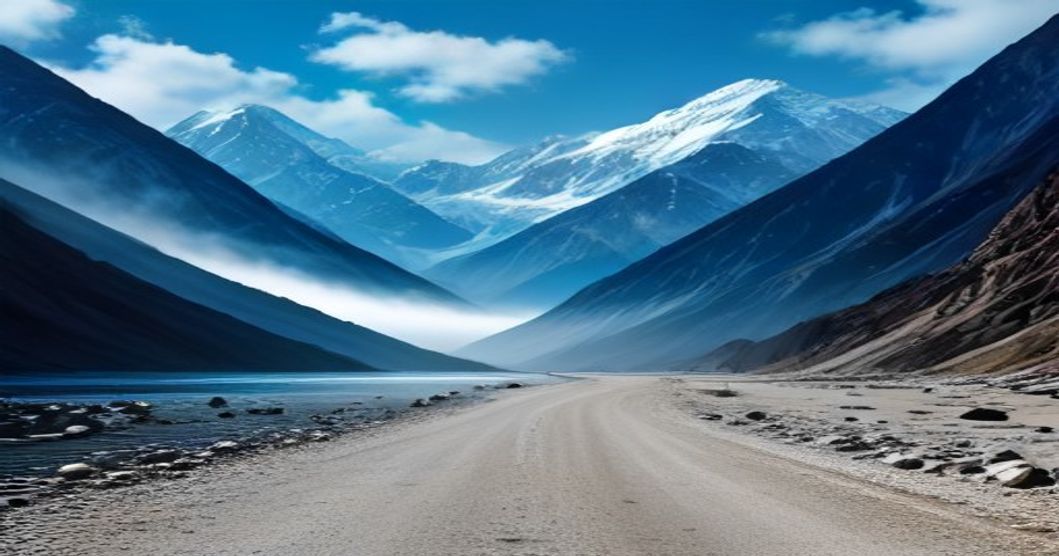
Overview of Traveling to Gangotri
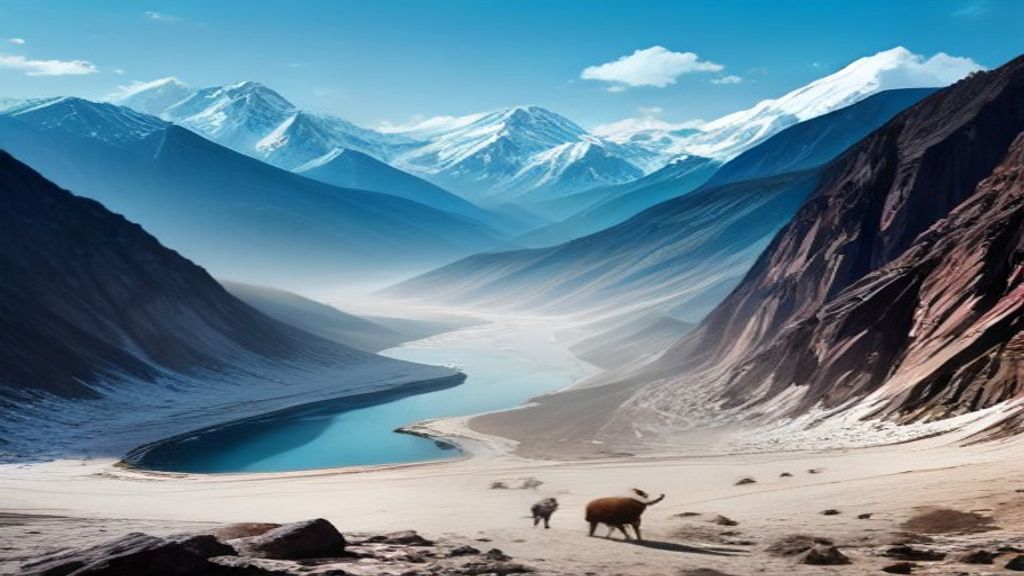
Gangotri, one of the Char Dham pilgrimage sites, is situated in the Indian state of Uttarakhand at an elevation of 3,100 meters (10,200 feet) above sea level. It holds significant spiritual importance as the source of the sacred River Ganges and is known for its stunning natural beauty, surrounded by towering Himalayan peaks and pristine glacial landscapes. The temple dedicated to Goddess Ganga attracts hundreds of thousands of pilgrims and adventure seekers annually, making it both a spiritual destination and a gateway to some of the most spectacular trekking routes in the Indian Himalayas.
Located in the Uttarkashi district, Gangotri sits along the banks of the Bhagirathi River, which later becomes the Ganges. The journey to this sacred destination combines modern infrastructure improvements with traditional pilgrimage routes, offering travelers multiple options based on their preferences, budget, and physical fitness levels. As of August 2026, enhanced road connectivity and improved tourism facilities have made Gangotri more accessible than ever before, while still preserving its spiritual sanctity and environmental integrity.
Getting to Gangotri: Current Best Routes
Reaching Gangotri requires careful planning due to its remote Himalayan location. The journey itself is part of the pilgrimage experience, with each route offering distinct advantages and scenic perspectives.
By Air: The nearest airport is Jolly Grant Airport in Dehradun, approximately 250 kilometers from Gangotri. This airport has seen significant upgrades in August 2026, with expanded domestic flight connections from Delhi, Mumbai, Bangalore, and other major Indian cities. Flight frequency to Dehradun has increased by 18% compared to 2025, making air travel the most convenient option for time-conscious travelers. From the airport, you can hire a taxi or take a bus to reach Gangotri. The journey from Dehradun to Gangotri typically takes 10 to 12 hours by road, depending on weather conditions and traffic. Pre-booking a taxi through registered operators is recommended, with costs ranging from 8,000 to 12,000 rupees for a one-way trip in August 2026.
By Train: The closest railway station is in Rishikesh, about 234 kilometers away from Gangotri. Rishikesh railway station connects to major cities across India, though train frequency is more limited compared to Haridwar, which is 25 kilometers further from Gangotri. Regular buses and taxis are available from Rishikesh to Gangotri, with the road journey taking approximately 9 to 11 hours. The new express bus service introduced in May 2026 by Uttarakhand Transport Corporation has reduced travel time and improved comfort levels significantly. Deluxe bus tickets from Rishikesh to Gangotri cost between 800 to 1,200 rupees, while shared taxi options range from 1,500 to 2,000 rupees per person.
By Road: Gangotri is well-connected by motorable roads from major cities like Dehradun, Rishikesh, and Haridwar. The NH 34 highway is a popular route, taking you through picturesque landscapes including dense pine forests, terraced hillsides, and dramatic river valleys. The road infrastructure has improved substantially following the completion of widening projects in late 2025, reducing travel time by approximately 15% and enhancing safety. Key stops along the route include Uttarkashi, which serves as the last major town before Gangotri, located 100 kilometers away. Most travelers break their journey at Uttarkashi for acclimatization and rest. Private vehicles, rental cars, and organized tour buses are popular options, with self-drive increasingly common among younger travelers who appreciate the flexibility to stop at scenic viewpoints.
Updates and Travel Tips for August 2026
The Gangotri temple is open from April to November each year, closing for winter due to heavy snowfall and extreme weather conditions. The temple reopens on Akshaya Tritiya, typically in April or May, and closes on Diwali in October or November. August 2026 represents the peak travel season, with the monsoon receding by mid-August, making it an ideal time to visit. The post-monsoon period brings clearer skies, lush green landscapes rejuvenated by rain, and comfortable trekking conditions.
Weather conditions in August are cool with daytime temperatures ranging from 10°C to 15°C, dropping to 5°C to 8°C at night. Pack accordingly, with layers including thermal innerwear, fleece jackets, windproof outer layers, and rain gear. Even though the monsoon is receding, sudden weather changes are common in the Himalayas. Essential items include waterproof trekking shoes, warm socks, gloves, woolen caps, sunscreen (UV radiation is intense at high altitudes), sunglasses, and a first-aid kit with altitude sickness medication.
Permits: Ensure you have the necessary permits if you plan to trek beyond Gangotri, especially towards the Gaumukh Glacier, which is located 19 kilometers from Gangotri at an altitude of 4,023 meters. As of August 2026, the Uttarakhand Forest Department requires online registration and permits for the Gaumukh-Tapovan trek. Daily trekker limits have been implemented to reduce environmental impact, with a maximum of 150 permits issued per day. Permits cost 600 rupees for Indian nationals and 1,500 rupees for foreign nationals. The online booking system, upgraded in early 2026, allows advance reservations up to 45 days before travel dates. Carry valid photo identification, and note that permits are non-transferable and date-specific.
Local guides are highly recommended for treks; they provide valuable insights into local culture, flora, fauna, and terrain navigation while enhancing safety. The Uttarakhand government has certified over 200 professional guides specifically for the Gangotri-Gaumukh route as of August 2026. Guide fees range from 1,500 to 2,500 rupees per day depending on experience and group size. Many guides are local residents who possess intimate knowledge of weather patterns, emergency evacuation routes, and high-altitude first aid.
Accommodation Options: Gangotri offers diverse accommodation ranging from budget guesthouses to mid-range hotels and dharamshalas (pilgrimage rest houses). In August 2026, approximately 45 registered hotels and 30 dharamshalas operate in Gangotri town. Budget accommodation costs 800 to 1,500 rupees per night, while mid-range hotels charge 2,500 to 5,000 rupees. Advanced booking is essential during peak season, especially for weekends and festival periods. Mobile network connectivity has improved with 4G coverage from two major providers, though signal strength can be intermittent.
Health and Altitude Considerations: Gangotri sits at high altitude where oxygen levels are approximately 30% lower than sea level. Allow adequate time for acclimatization, especially if flying directly from low-altitude cities. Common symptoms of altitude sickness include headaches, nausea, fatigue, and shortness of breath. Stay hydrated by drinking at least 3 to 4 liters of water daily, avoid alcohol and heavy meals, and ascend gradually. Medical facilities in Gangotri are basic, with a primary health center providing emergency care. Serious cases require evacuation to Uttarkashi or Dehradun, so comprehensive travel insurance with helicopter evacuation coverage is strongly recommended.
Safety and Environmental Considerations
Travelers are advised to be environmentally conscious and adhere to sustainable travel practices. Disposal of waste in designated areas is encouraged to preserve the pristine environment. The Gangotri region faces increasing environmental pressure from tourism, with plastic pollution and unmanaged waste posing significant threats to the fragile Himalayan ecosystem. In response, the Uttarakhand government implemented a strict single-use plastic ban in the Gangotri National Park area, effective from January 2026. Travelers carrying plastic bottles, bags, or containers face fines up to 5,000 rupees.
Carry reusable water bottles and refill from designated safe water points. Several hotels and guesthouses now offer filtered water refill stations at nominal costs. Pack out all non-biodegradable waste including wrappers, batteries, and sanitary products. The Temple Committee and local NGOs have installed eco-friendly toilets and waste segregation facilities at multiple points along trekking routes.
Forest fire prevention is critical during dry periods. Smoking and open fires are prohibited along trekking routes and near temple premises. Photography inside the Gangotri temple sanctum is restricted to preserve the sacred atmosphere. Respect local customs by dressing modestly, removing shoes before entering temples, and maintaining silence in worship areas. The river is considered sacred, so avoid polluting water sources with soap, detergent, or other chemicals.
Wildlife safety is another consideration, as the Gangotri National Park is home to Himalayan black bears, snow leopards, musk deer, and other species. Avoid trekking alone, make noise while walking to alert animals of your presence, and never feed wildlife. Store food securely and dispose of organic waste properly to avoid attracting animals to camping areas.
Statistics and Recent Trends in Tourism
There has been a 12% increase in domestic travel to Gangotri from 2025 due to improved road conditions, enhanced safety measures, and aggressive tourism promotion by the Uttarakhand Tourism Development Board. Visitor statistics from the Gangotri Temple Committee indicate that approximately 450,000 pilgrims and tourists visited Gangotri between April and October 2025, with projections suggesting this number will reach 505,000 in 2026. August alone accounts for approximately 22% of annual visitors, making it the second busiest month after May.
Online searches for “Gangotri travel packages” have risen by 15% in 2026, reflecting growing interest in structured tours that include transportation, accommodation, guide services, and meals. Digital travel platforms report that package bookings for Char Dham circuits that include Gangotri have increased by 18% compared to 2025, with average package costs ranging from 25,000 to 45,000 rupees per person for 7 to 10-day itineraries.
Demographic trends show interesting shifts in Gangotri tourism. While traditionally dominated by senior pilgrims, visitors aged 25 to 40 now represent 38% of total arrivals in 2026, up from 31% in 2024. This younger demographic is primarily interested in adventure tourism, combining spiritual visits with trekking to Gaumukh and Tapovan. Female solo travelers have increased by 20% compared to 2025, supported by improved safety infrastructure and dedicated women-only accommodations in key towns.
International tourism to Gangotri remains relatively modest at approximately 8% of total visitors, with travelers primarily from the United States, United Kingdom, Germany, France, and Australia. Post-pandemic recovery has been gradual but steady, with international arrivals in 2026 reaching 85% of 2019 levels.
Essential Services and Practical Information
Banking and ATM facilities are available in Uttarkashi, but Gangotri has limited ATM access with frequent cash shortages during peak season. Carry sufficient cash for 3 to 4 days of expenses. Major hotels accept digital payments through UPI, but small vendors and dharamshalas prefer cash transactions. The nearest reliable ATMs are in Uttarkashi, 100 kilometers away.
Medical services include a government primary health center in Gangotri with basic emergency facilities. For serious medical issues, Uttarkashi District Hospital is the nearest facility with proper infrastructure. Carry a personal medical kit including painkillers, anti-diarrheal medication, altitude sickness pills (acetazolamide), bandages, antiseptic cream, and any prescription medications with sufficient quantities for your entire trip.
Food options range from simple vegetarian meals at dharamshalas to multi-cuisine restaurants at hotels. Local Garhwali cuisine is available at several eateries, featuring dishes like mandua roti, jhangora kheer, and aloo ke gutke. Most establishments serve pure vegetarian food in respect of the pilgrimage site’s sacred nature. Drinking water should be filtered or boiled; avoid ice and raw vegetables unless prepared with purified water.
Communication services have improved significantly with 4G mobile coverage from BSNL and Airtel, though connectivity remains intermittent and weather-dependent. Satellite phones are available for rent from trekking agencies for those planning extended treks beyond Gangotri. Internet cafes operate in Uttarkashi for travelers needing reliable connectivity.
Best Practices for a Successful Journey
Start your journey well-rested and physically prepared. Moderate cardiovascular fitness is recommended, as even reaching the Gangotri temple involves walking on uneven terrain at high altitude. Begin walking exercises and stair climbing at least 4 to 6 weeks before your trip. Consult your physician, especially if you have pre-existing heart conditions, respiratory issues, or hypertension.
Travel during weekdays when possible to avoid weekend crowds. Temple darshan (viewing) queues can extend to 2 to 3 hours on Sundays and festival days. Early morning visits between 6 AM and 8 AM offer the most peaceful experience with shorter queues and optimal photography light.
Respect photography restrictions around temple premises. While landscape photography is encouraged, seek permission before photographing local residents or priests. Drone usage requires special permits from district authorities and is prohibited near the temple and sensitive border areas.
Engage with local communities respectfully. Many villages along the route supplement their income through homestays, offering authentic cultural experiences and home-cooked meals. Supporting local economies through direct purchases of handicrafts, woolens, and food products contributes to sustainable tourism development.
Beyond Gangotri: Extended Trekking Options
For adventure enthusiasts, Gangotri serves as the base camp for several challenging treks. The Gaumukh Glacier trek is the most popular, offering spectacular views of Shivling Peak, Bhagirathi peaks, and the glacier snout where the Ganges originates. This 19-kilometer trek typically takes 2 days with an overnight camp at Bhojbasa or Chirbasa. Porters and mules are available for hire at Gangotri for 600 to 800 rupees per day.
The Tapovan trek extends beyond Gaumukh, reaching a high-altitude meadow at 4,463 meters with panoramic views of Shivling Peak. This requires advanced trekking skills and proper acclimatization. Trekking season for Gaumukh-Tapovan is May to June and September to October, with August seeing reduced trekker numbers due to lingering monsoon effects.
The Kedartal trek, starting from Gangotri, leads to a glacial lake at 4,750 meters, considered one of the most challenging treks in the region. This 6-day round trip requires technical trekking experience and should only be attempted with professional guides.
Conclusion: Making the Most of Your Gangotri Journey
Traveling to Gangotri in August 2026 offers an unparalleled combination of spiritual enrichment, natural beauty, and adventure opportunities. Improved infrastructure has made this sacred destination more accessible while conservation efforts ensure its pristine environment remains protected for future generations. Whether you seek spiritual solace at the ancient temple, challenging treks to glacial sources, or simply wish to immerse yourself in Himalayan grandeur, Gangotri delivers transformative experiences. Plan carefully, respect local customs and environment, prepare adequately for altitude and weather challenges, and embrace the journey as much as the destination. The pilgrimage to Gangotri transcends mere tourism, offering profound connections with nature, culture, and spirituality that resonate long after you return to daily life.
Related Content & Internal Resources
References & External Citations
- Wikipedia Reference: Traveling to Gangotri: Best Routes and Tips — Wikipedia
- Official Reference Documentation — Official Reference
Written by Senior Travel Consultant & Chardham Specialist
Anaya Sharma is a seasoned travel consultant with over 15 years of experience focusing on Uttarakhand’s rich cultural and natural landscapes. Specializing in the Chardham Yatra and Himalayan treks, Anaya holds a Master’s degree in Eco-Tourism from the University of Delhi. Her extensive fieldwork includes mapping less-trodden paths and collaborating with local communities for sustainable travel. As a published author in ‘The Himalayan Travel Journal,’ Anaya is committed to providing insightful and ethical travel guidance. She regularly contributes her expertise to the ‘Travel’ website, ensuring that travelers receive authentic and culturally respectful information about Uttarakhand’s treasures.