Best Time to Visit Dehradun: Overview
Nestled in the foothills of the Himalayas at an elevation of approximately 435 meters, Dehradun serves as the capital of Uttarakhand and represents a strategic gateway to some of India’s most revered pilgrimage sites and hill stations. The city’s temperate climate, proximity to natural attractions like Mussoorie and Rishikesh, and rich colonial heritage make timing your visit crucial for maximizing both comfort and cultural immersion. Unlike destinations with year-round consistent weather, Dehradun experiences pronounced seasonal variations that directly impact accessibility to attractions, outdoor activity feasibility, and the availability of regional festivals that showcase Garhwali culture.
Strategic trip planning around Dehradun’s climate patterns allows travelers to avoid monsoon-related landslides on mountain roads, capitalize on festival seasons for authentic cultural experiences, and select appropriate gear for temperature extremes that can range from 5°C winter mornings to 35°C summer afternoons. With tourist infrastructure expanding in 2026 to accommodate projected increases in visitor numbers, understanding seasonal trade-offs becomes essential for both budget-conscious travelers seeking off-peak rates and experience-focused visitors prioritizing specific outdoor activities or cultural events.
Weather Patterns in Dehradun
Dehradun experiences a humid subtropical climate with significant seasonal variation influenced by its Himalayan foothill location. The city receives an average annual rainfall of approximately 2,100 millimeters, concentrated heavily during monsoon months, while winter temperatures can drop sharply due to cold air descending from higher elevations. This temperate climate creates four distinct seasons, each offering different advantages for specific types of travel experiences.
- Summer (March to June): Temperatures range from 20°C to 35°C, with May and early June representing peak warmth. Morning and evening temperatures remain comfortable at 18-22°C, making early starts ideal for trekking and nature walks. The season brings clear skies approximately 70% of days, excellent for photography at locations like Sahastradhara and the Forest Research Institute. However, mid-afternoon heat from late April through June can make urban exploration uncomfortable without adequate hydration and sun protection. Summer 2026 sees increased tourist activity as families from Delhi, Punjab, and other plains regions seek cooler hill station alternatives, resulting in higher accommodation rates and crowded popular viewpoints during weekends.
- Monsoon (July to September): Heavy rainfall is common, with August 2026 being the wettest month, recording average precipitation of 650-750 millimeters. The monsoon transforms Dehradun’s landscape into vibrant green valleys with cascading waterfalls at Robber’s Cave and enhanced flow at Kempty Falls near Mussoorie. However, travelers must prepare for potential disruptions including road closures due to landslides on routes to Mussoorie and Chakrata, reduced visibility for mountain views, and occasional flash flooding in low-lying areas. Humidity levels exceed 80% during monsoon months, requiring waterproof gear for electronic devices and cameras. Despite challenges, monsoon offers substantially reduced accommodation costs—often 30-40% below peak season rates—and opportunities to experience Dehradun with minimal tourist crowds.
- Autumn (October to November): Mild and pleasant weather prevails, with temperatures ranging between 17°C and 27°C during daytime hours. Post-monsoon clarity provides exceptional visibility of the Himalayan ranges from viewpoints like Lal Tibba and George Everest’s House. October 2026 brings comfortable humidity levels around 60-65%, ideal for extended outdoor exploration without excessive perspiration. This season coincides with major festivals including Dussehra, creating vibrant cultural atmospheres in local markets and temples. Autumn represents the transition into peak tourist season, with accommodation prices beginning to rise but remaining moderate compared to winter holiday periods.
- Winter (December to February): Cool and sometimes cold conditions dominate, with temperatures dropping to 5°C or lower during early morning hours, occasionally reaching near-freezing at 2-3°C in January. Daytime temperatures stabilize around 18-20°C under clear sunny skies that characterize approximately 80% of winter days. Winter requires layered clothing for morning temple visits or early wildlife spotting at Rajaji National Park, transitioning to lighter wear by afternoon. December experiences peak tourist influx during the Christmas and New Year period, while January and February offer quieter experiences with crisp mountain air ideal for trekking and photography. Winter 2026 shows increased domestic tourism from southern Indian states seeking cooler climates, with hotel bookings in popular areas like Rajpur Road reaching 85-90% capacity during holiday weeks.
Detailed Seasonal Analysis
Understanding nuanced seasonal characteristics helps travelers align their visit with specific interests and tolerance for weather variables:
- Summer Insights: The March-to-June period favors adventure activities including paragliding at nearby sites, river rafting in the pre-monsoon swollen rivers, and extensive trekking in surrounding hills before monsoon trail closures. Early summer (March-April) offers moderate temperatures ideal for exploring Dehradun’s botanical gardens and the extensive Forest Research Institute campus without extreme heat. May and June require sun protection including SPF 50+ sunscreen, wide-brimmed hats, and lightweight breathable clothing for midday exploration. Summer 2026 witnesses enhanced eco-tourism activities with organized nature walks focusing on birdwatching, as migratory species pass through the region. However, popular attractions like Tapkeshwar Temple and Malsi Deer Park experience significant weekend crowds, making weekday visits preferable for relaxed experiences.
- Monsoon Cautions: While scenic transformation occurs during July-September with rejuvenated vegetation and dramatic cloud formations over valleys, travelers must maintain flexible itineraries accounting for weather-dependent road conditions. The Uttarakhand government issues regular weather advisories during monsoon, and checking these before departing for day trips to surrounding areas proves essential. Waterproof bags protect electronics and important documents, while sturdy waterproof footwear with good grip prevents slips on wet temple steps and forest paths. Monsoon travelers in August 2026 should avoid scheduling tight connections for onward travel, as occasional flight delays occur due to low visibility. The season suits travelers seeking solitude, photography enthusiasts interested in dramatic weather conditions, and budget-conscious visitors willing to trade some accessibility for significant cost savings and authentic local interactions without tourist crowds.
- Autumn Adventures: October and November provide optimal conditions for comprehensive Dehradun exploration, combining comfortable temperatures with cultural richness during Dussehra and Diwali celebrations. This period allows full access to all attractions without monsoon restrictions while avoiding winter’s early morning chill. Autumn 2026 sees expanded festival programs with the Uttarakhand Tourism Department organizing cultural performances at the historic Forest Research Institute and heritage walks through colonial-era Dehradun. Clear post-monsoon skies create ideal conditions for day trips to Mussoorie, Dhanaulti, and the Yamuna River valley. Photographers benefit from golden autumn light, reduced haze, and snow-capped Himalayan peaks visible from numerous vantage points. Adventure seekers find autumn perfect for mountain biking, rock climbing at Shikhar Falls, and multi-day treks before winter snowfall begins at higher elevations.
- Winter Wonders: December through February appeals to travelers who appreciate cooler climates, reduced tourist density outside holiday weeks, and crystal-clear mountain visibility. Winter mornings require warm layers—fleece jackets and thermal wear for pre-dawn wildlife safaris or sunrise viewpoints—while afternoons often warm sufficiently for comfortable sightseeing in light sweaters. The season offers unique experiences including Tibetan New Year celebrations in the city’s Tibetan settlements and the Winter Carnival showcasing Garhwali folk traditions. January and February 2026 provide opportunities for less crowded temple visits and unhurried exploration of Dehradun’s museums and colonial architecture. Winter travelers should note that some high-altitude attractions near Dehradun may experience temporary access restrictions due to snow, though the city itself rarely receives snowfall. Budget travelers find excellent value in late January and February when accommodation rates drop significantly after the holiday rush.
Popular Events and Festivals
Dehradun’s cultural calendar features festivals rooted in Hindu traditions, Garhwali folk culture, and contemporary celebrations that reflect the city’s diverse population including significant Tibetan, Punjabi, and Nepali communities. Timing visits around these events provides deeper cultural understanding and opportunities for authentic local interactions.
- Basant Panchami: Celebrated in February 2026 (specific date following the Hindu lunar calendar, typically late January or early February), this festival marks the onset of spring with worship of Goddess Saraswati, the deity of knowledge and arts. Educational institutions across Dehradun hold special ceremonies, and the color yellow dominates as people wear yellow clothing and prepare saffron-infused sweets. The festival holds particular significance at Dehradun’s numerous schools and the Doon School campus, where cultural programs showcase student talents. Visitors can observe traditional rituals at temples including Santala Devi Temple and experience kite flying traditions in open areas around the city.
- Dussehra: Occurring in October 2026, Dussehra celebrations in Dehradun involve ceremonial re-enactments of the Ramayana epic, with elaborate performances depicting the victory of Lord Rama over the demon king Ravana. The Parade Ground hosts major celebrations with towering effigies of Ravana, Meghanada, and Kumbhakarna burned amid fireworks and cultural performances. Local communities organize smaller neighborhood celebrations throughout Dehradun, providing opportunities to witness authentic Garhwali interpretations of the epic. The festival creates vibrant market atmospheres with special sweets, decorative items, and traditional handicrafts from Uttarakhand’s hill regions. Hotels and guesthouses often offer Dussehra special packages including cultural tour components.
- Winter Carnival: Held in December 2026, typically during the third week, the Winter Carnival has evolved into a major tourist attraction featuring week-long cultural performances, local craft exhibitions, and food festivals showcasing Garhwali cuisine. The event highlights traditional Uttarakhandi arts including Aipan floor paintings, wood carving demonstrations, and performances of folk dances like Langvir Nritya and Barada Nati. The carnival provides platforms for local artisans to sell authentic handloom products, organic hill produce, and traditional jewelry. Evening programs include classical music concerts and contemporary fusion performances blending Garhwali folk traditions with modern musical styles. The carnival coincides with peak winter tourism, creating festive atmospheres across Dehradun’s main tourist areas.
Cultural Attractions and Activities
Beyond festival participation, Dehradun offers year-round cultural and natural attractions that reward extended exploration:
- Historical Sites: Robber’s Cave (Guchhupani) features a unique river cave formation where streams disappear underground and reemerge 600 meters later, creating a natural air-conditioned environment ideal for summer visits. The Forest Research Institute, established during British colonial rule in 1906, occupies a massive Greco-Roman architectural campus spanning 1,900 acres with museums dedicated to forestry, pathology, and silviculture. The institute’s colonial-era buildings and manicured grounds require 2-3 hours for comprehensive exploration. Tapkeshwar Temple, a cave shrine dedicated to Lord Shiva with natural spring water dripping on the Shiva Lingam, attracts both pilgrims and tourists interested in geological formations combined with religious significance. Mindrolling Monastery, one of India’s largest Buddhist centers, offers peaceful gardens, a 185-foot tall Great Stupa, and opportunities to observe Tibetan Buddhist practices.
- Local Markets and Cuisine: Paltan Bazaar serves as Dehradun’s commercial heart, offering everything from traditional woolens and shawls to contemporary fashion and electronics. The Tibetan Market near Rajpur Road specializes in Tibetan handicrafts, prayer flags, singing bowls, and authentic momos (dumplings) at small eateries. For authentic Garhwali cuisine, local restaurants serve regional specialties including Kafuli (a green leafy vegetable curry), Chainsoo (black gram paste), and Bal Mithai (a brown fudge-like sweet). The Astley Hall area features heritage cafes in colonial-era buildings, while Rajpur Road offers contemporary dining experiences. Food enthusiasts should explore local breakfast traditions including Singodi (sweetened khoya wrapped in Malu leaf) and fresh mandua (finger millet) rotis available at traditional dhabas. Visiting local markets provides cultural immersion opportunities and chances to purchase authentic Uttarakhandi products including natural honey, herbal remedies, and handwoven textiles directly from hill producers.
Best Time to Visit Dehradun
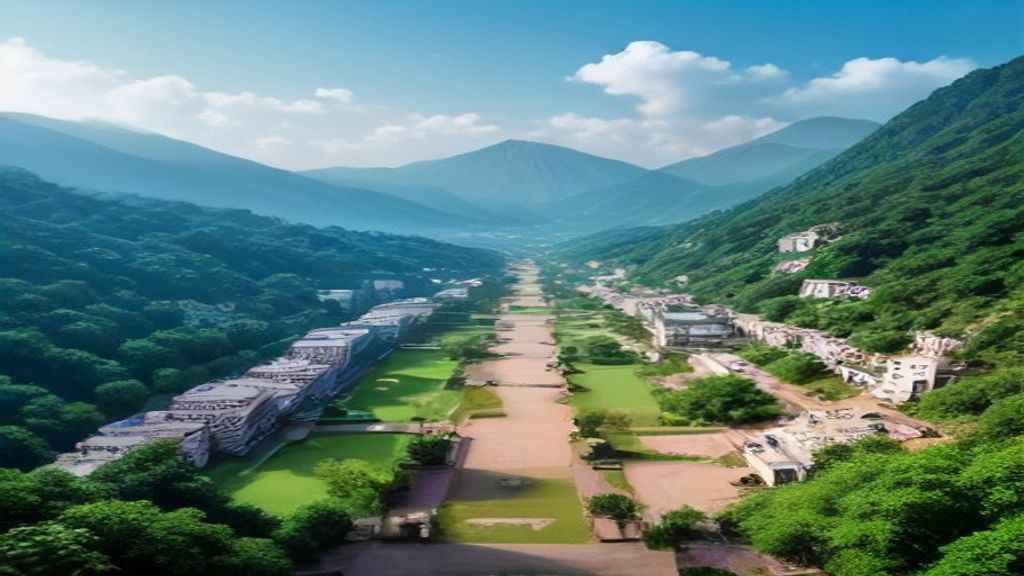
The ideal time to visit Dehradun is generally between October and March when weather conditions balance comfortable temperatures with minimal rainfall and maximum attraction accessibility. This six-month window encompasses autumn’s post-monsoon clarity, winter’s crisp days and cultural festivals, and early spring’s emerging greenery before summer heat intensifies. October through November offers perhaps the single best two-month period, combining pleasant 17-27°C temperatures, Dussehra and Diwali cultural experiences, post-monsoon landscape vibrancy, and moderate tourist crowds that allow relatively easy accommodation booking without extreme advance planning.
December attracts peak crowds during the Christmas and New Year holiday weeks, requiring advance reservations and accepting premium pricing, but offers compensating advantages including the Winter Carnival, clear mountain views, and festive atmospheres across the city. January and February provide excellent value for budget travelers, with significantly reduced rates at mid-range hotels and minimal crowds at attractions, though early morning temperatures require appropriate warm clothing. March begins the transition toward summer, offering warming temperatures ideal for outdoor activities while avoiding May-June heat extremes and pre-monsoon humidity.
Advantages of Visiting During Peak Period
Traveling to Dehradun during the recommended October-to-March period provides multiple practical and experiential benefits:
- Weather Optimization: The period avoids monsoon’s 650+ millimeter monthly rainfall that creates landslide risks on mountain roads and restricts access to popular excursions including Mussoorie, Chakrata, and certain trekking routes. October-March temperatures remain within comfortable 5-27°C ranges, allowing full-day outdoor exploration without extreme heat exhaustion or cold-related discomfort. Clear skies during 75-80% of days enable reliable planning for photography, mountain viewpoint visits, and day trips to surrounding attractions without weather-related cancellations.
- Festival and Cultural Access: The peak period encompasses Dussehra (October), Diwali (October/November), and the Winter Carnival (December), providing multiple opportunities for authentic cultural participation. Visitors witness traditional Garhwali celebrations, interact with local communities during festivals, and purchase handcrafted items directly from artisans at festival markets. Temples and religious sites maintain regular access without monsoon-related closures, and cultural performances occur more frequently to accommodate tourist interest.
- Complete Attraction Availability: All attractions remain accessible without weather-related interruptions during October-March. Rajaji National Park conducts regular safaris with higher wildlife visibility during winter months when animals congregate near water sources. Adventure activities including paragliding, river rafting (in early season), and trekking operate on full schedules. Colonial heritage sites, museums, and gardens maintain extended hours and conduct guided tours tailored to tourist seasons. The Dehradun-Mussoorie cable car (inaugurated in phases through 2025-2026) operates consistently during peak season, offering scenic transit between the two cities.
- Seasonal Specialties: Winter months bring seasonal produce to Dehradun markets including fresh strawberries from nearby hill farms, organic vegetables from Uttarakhand’s terraced agriculture, and special winter preparations of traditional sweets. Restaurants offer seasonal menus featuring warming Garhwali dishes and locally-sourced ingredients. The period coincides with olive harvesting in Uttarakhand’s expanding olive cultivation regions, with fresh olive oil available at specialty stores. Cultural programs during festivals include special culinary events showcasing traditional Uttarakhandi cooking methods and regional ingredient sourcing.
Key Statistics and Trends for 2026
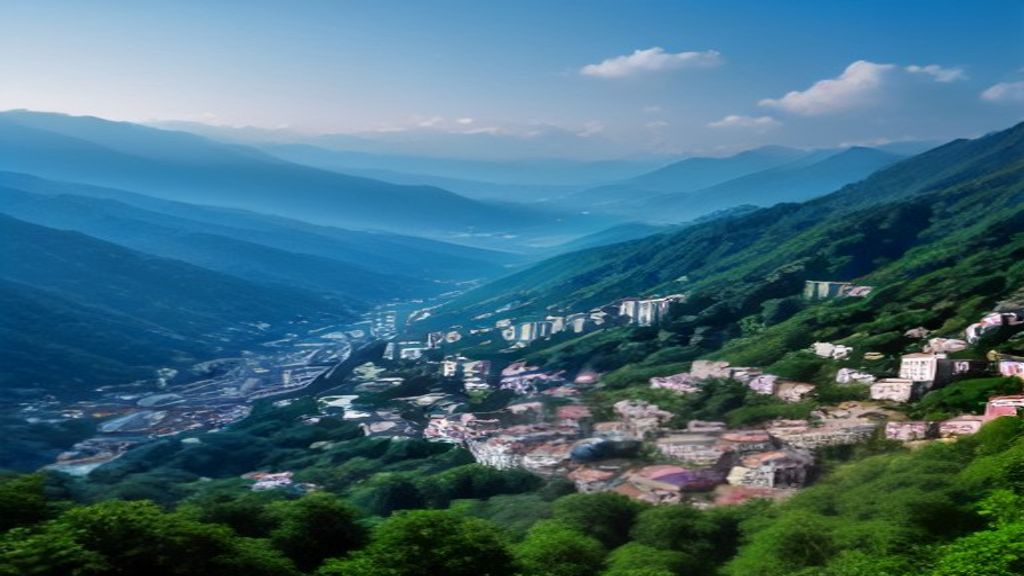
Tourism dynamics in Dehradun reflect broader patterns in Indian domestic travel, infrastructure development, and evolving traveler preferences toward experiential and sustainable tourism:
- Visitor Growth Trajectory: Tourist inflow in 2025 exceeded 3 million visitors to Dehradun and immediately surrounding areas including Mussoorie and Rajaji National Park, representing a recovery to pre-pandemic levels and modest growth beyond 2019 benchmarks. Projections for 2026 indicate a 5% increase to approximately 3.15 million visitors, driven by improved road connectivity including the widening of National Highway 7 connecting Dehradun to Haridwar and enhanced rail services on the Dehradun-Delhi route. Domestic tourists comprise approximately 92% of total visitors, with international tourists—primarily from European countries, Australia, and Southeast Asian nations—representing the remaining 8%. Peak months (October-November and December-January) account for nearly 40% of annual visitor numbers, creating pronounced seasonal demand fluctuations.
- Sustainable Tourism Initiatives: Increased demand for eco-friendly and sustainable travel options reflects global trends, with Dehradun experiencing notable growth in eco-resort development, waste management programs at tourist sites, and promotion of low-impact adventure activities. The Uttarakhand Tourism Development Board launched the
Related Content & Internal Resources
References & External Citations
- Wikipedia Reference: Best Time to Visit Dehradun: Weather and Events — Wikipedia
- Official Reference Documentation — Official Reference
Written by Senior Travel Consultant & Chardham Specialist
Anaya Sharma is a seasoned travel consultant with over 15 years of experience focusing on Uttarakhand’s rich cultural and natural landscapes. Specializing in the Chardham Yatra and Himalayan treks, Anaya holds a Master’s degree in Eco-Tourism from the University of Delhi. Her extensive fieldwork includes mapping less-trodden paths and collaborating with local communities for sustainable travel. As a published author in ‘The Himalayan Travel Journal,’ Anaya is committed to providing insightful and ethical travel guidance. She regularly contributes her expertise to the ‘Travel’ website, ensuring that travelers receive authentic and culturally respectful information about Uttarakhand’s treasures.