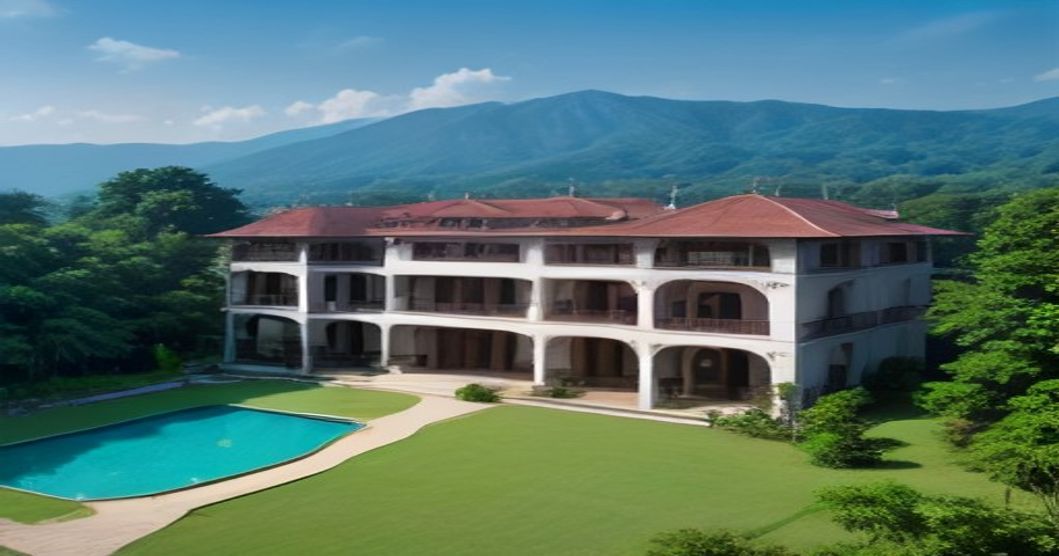
Where to Stay in Dehradun: Top Hotels and Resorts
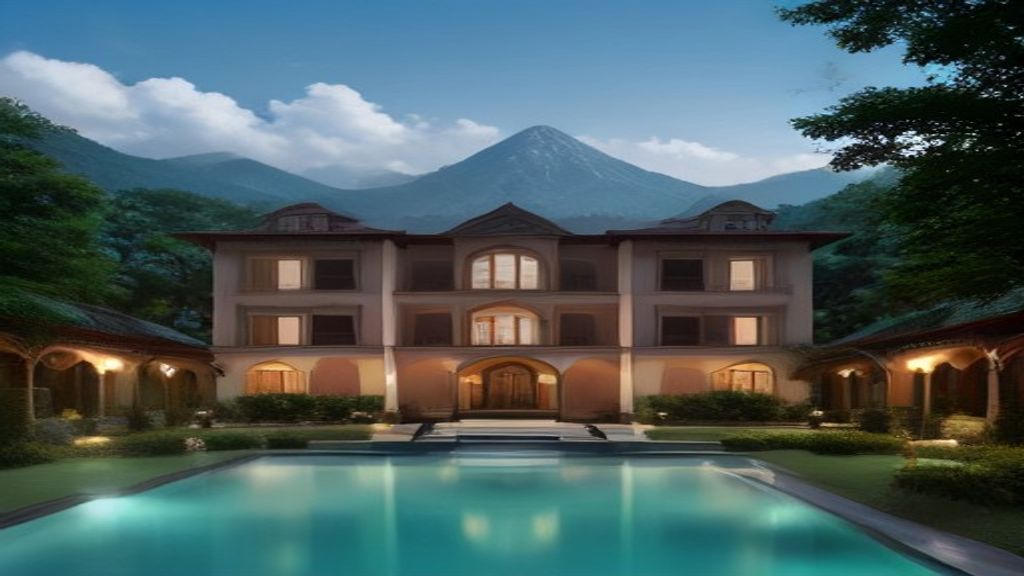
Dehradun, the capital of Uttarakhand, has positioned itself as one of India’s premier hill station destinations in August 2026, blending colonial charm with modern hospitality infrastructure. The city serves as the gateway to the Himalayas while maintaining its own identity as a year-round destination, attracting wellness seekers, business travelers, adventure enthusiasts, and families looking for respite from urban congestion.
Popular Hotels and Their Features
Dehradun, nestled in the scenic foothills of the Himalayas, offers a range of accommodation options that combine luxury with breathtaking views. The city’s hospitality landscape has matured significantly, with international chains and boutique properties competing to deliver exceptional guest experiences tailored to diverse traveler profiles.
- JW Marriott Mussoorie Walnut Grove Resort & Spa: Known for its opulent facilities and proximity to Mussoorie, this resort offers stunning valley views. Features include a full-service spa, adventure park, and multiple dining options. Positioned at an elevation that provides cooler temperatures year-round, the property spans 12 acres of landscaped gardens with direct sightlines to the Doon Valley. The resort’s Cedar Spa offers treatments incorporating Himalayan herbs, while the adventure park includes zip-lining, rock climbing, and archery facilities suitable for guests aged eight and above. Dining venues range from authentic North Indian cuisine at Spice Kitchen to Pan-Asian selections at Trout House Grill. Room categories start with Deluxe Valley View accommodations at approximately 450 square feet and extend to Presidential Suites exceeding 2,000 square feet with private balconies and outdoor hot tubs.
- Lemon Tree Hotel: Located conveniently near key attractions, it offers modern amenities such as complimentary breakfast, Wi-Fi, and a fitness center. The property sits within 3 kilometers of Rajpur Road, Dehradun’s primary commercial corridor, making it accessible for both leisure and business travelers. The 72-room hotel emphasizes value-driven hospitality with standardized room layouts featuring ergonomic workstations, which particularly appeals to corporate guests attending conferences at nearby institutions like the Forest Research Institute or the Indian Military Academy. The breakfast buffet includes both continental and Indian options, with made-to-order dosas and omelets available until 10:30 AM. The fitness center operates 24 hours and includes cardio equipment and free weights.
- Regenta LP Vilas by Royal Orchid Hotels: Features grand banquet halls and is ideal for events and weddings. Amenities include a multi-cuisine restaurant and a fitness center. This property has carved a niche in the destination wedding market, offering indoor banquet capacity for up to 800 guests and outdoor lawn space accommodating 1,200 people. The wedding coordination team provides comprehensive planning services including décor, catering customization adhering to regional dietary preferences, and vendor coordination. The multi-cuisine restaurant, Zaika, serves breakfast, lunch, and dinner with separate vegetarian and non-vegetarian sections to accommodate religious dietary requirements common among wedding parties.
- Four Points by Sheraton: Perfect for business travelers, offering conference facilities, a spa, and a rooftop restaurant with panoramic views of the city. The hotel’s location in the Rajpur Road commercial zone places it within walking distance of banking institutions, co-working spaces, and corporate offices. Conference facilities include five meeting rooms ranging from 600 to 3,500 square feet, all equipped with high-speed internet capable of supporting video conferencing for hybrid events. The rooftop restaurant, Sky Grill, operates from 7 PM to 11 PM and offers views extending to the Mussoorie hills on clear evenings. The in-house Tattva Spa provides express treatments designed for time-constrained business travelers, including 30-minute deep tissue massages and express facials.
Budget and Mid-Range Accommodation Options
Beyond luxury properties, Dehradun’s accommodation spectrum includes practical options for budget-conscious travelers. Properties like Hotel Solitaire Plaza and Hotel President offer rooms starting at approximately ₹2,500 per night in August 2026, providing clean accommodations with essential amenities including air conditioning, attached bathrooms, and complimentary breakfast. These hotels typically cluster around Clock Tower and Paltan Bazaar, positioning guests within walking distance of local markets and public transportation hubs.
Mid-range hotels such as Ramada by Wyndham and Ginger Hotel Dehradun have expanded their footprint, targeting the growing segment of domestic travelers seeking standardized quality without luxury pricing. These properties typically price rooms between ₹4,000 and ₹7,000 per night and emphasize reliability, cleanliness, and efficient service. Many include business centers, laundry services, and travel desks that assist with arranging local transportation and excursions to nearby attractions like Robber’s Cave, Sahastradhara Springs, and Tapkeshwar Temple.
Trending Amenities in 2026
In 2026, guests are looking for more than just luxury rooms. Accommodation preferences have shifted toward experiences that enhance well-being, minimize environmental impact, and integrate seamlessly with digital lifestyles. Hotels that successfully incorporate these elements report higher guest satisfaction scores and improved repeat booking rates.
- Sustainable practices: Many hotels have implemented eco-friendly programs to reduce carbon footprints, appealing to environmentally conscious travelers. Seventy percent of accommodations in Dehradun now participate in sustainability initiatives ranging from basic recycling programs to comprehensive carbon-neutral operations. The JW Marriott property has installed a 250-kilowatt solar panel array that provides approximately 35% of the resort’s electricity needs, while rainwater harvesting systems across multiple properties contribute to reduced municipal water dependency. Several hotels have eliminated single-use plastics from guest rooms and dining areas, replacing bottled water with in-room purification systems and offering refillable glass bottles. Organic waste composting programs have been adopted by properties with on-site gardens, converting food waste into fertilizer for landscaping. Some hotels provide guests with sustainability reports during checkout, detailing the environmental impact reduction achieved during their stay.
- Smart room technology: Integration of IoT devices for controlling room temperature, lighting, and entertainment through your smartphone. Four Points by Sheraton and select rooms at Lemon Tree Hotel now feature voice-activated controls compatible with popular virtual assistants, allowing guests to adjust thermostats, dim lighting, and access entertainment without physical switches. Mobile applications enable guests to check in digitally, select specific rooms based on floor plans, and use smartphones as room keys, eliminating plastic key cards. In-room tablets provide concierge services, room service ordering with visual menus, and local attraction information with real-time availability for booking tours and restaurant reservations. Some properties have introduced sleep technology that monitors room conditions and automatically adjusts temperature and humidity to optimize rest quality based on research from sleep science institutes.
- Wellness programs: Expanded wellness offerings such as yoga classes, ayurvedic treatments, and personalized fitness regimes. The wellness tourism segment has grown substantially in Dehradun, with hotels responding by developing comprehensive programs that extend beyond basic spa services. JW Marriott offers week-long wellness retreats combining daily yoga sessions led by certified instructors, ayurvedic consultations with practitioners trained at traditional gurukuls, and personalized nutrition plans incorporating locally sourced organic ingredients. Several properties now employ full-time wellness coordinators who design customized programs based on guest health assessments conducted upon arrival. Morning guided meditation sessions in garden settings have become standard offerings at luxury properties, while some hotels provide complimentary access to wellness apps featuring guided breathing exercises and mindfulness training. Ayurvedic treatments have evolved to include panchakarma detoxification programs lasting five to fourteen days, attracting international guests specifically for these therapeutic services.
Family-Friendly and Specialized Accommodations
Recognizing the significant family travel segment, several Dehradun properties have developed specialized amenities and services. Hotels like Ramada and JW Marriott maintain dedicated children’s activity centers with supervised programs including nature walks, craft workshops, and storytelling sessions that allow parents independent time. Family suites with interconnecting rooms have become standard offerings, while some properties provide complimentary cribs, high chairs, and baby-proofing kits upon request.
For adventure enthusiasts, boutique properties near Rajaji National Park offer accommodation packages bundled with safari experiences, bird-watching tours, and trekking expeditions. These specialized hotels typically employ naturalist guides and maintain partnerships with certified adventure sports operators, providing guests with seamless access to activities ranging from white-water rafting in nearby Rishikesh to paragliding launches from Mussoorie.
Key Statistics and Visitor Trends
Statistics and trends relevant to Dehradun as of August 2026 reveal robust growth in the hospitality sector driven by infrastructure improvements and increased domestic tourism.
- Dehradun has seen a 15% increase in tourist footfall from last year, driven largely by domestic travelers. This growth reflects improved highway connectivity with the completion of the Delhi-Dehradun Expressway, which reduced travel time from India’s capital to approximately four hours. Weekend travelers from Delhi, Chandigarh, and Punjab now comprise 42% of hotel guests during peak months from March through June and September through November.
- The average occupancy rate of luxury hotels stands at 78%, highlighting a robust hospitality sector. This figure represents year-round average occupancy, with peak season rates from April through June reaching 92% at premium properties. The monsoon months of July and August see occupancy levels around 65%, while winter months from December through February maintain approximately 71% occupancy driven by destination wedding bookings and corporate events.
- Sustainability is key, with 70% of accommodations adopting eco-friendly practices. This percentage includes properties that have implemented at least three measurable sustainability initiatives such as energy-efficient lighting, water conservation systems, waste segregation programs, or local sourcing policies. Twenty-two properties in Dehradun have received Green Key certification as of August 2026, while eight hotels have achieved LEED certification for environmentally responsible building design and operation.
- The average daily rate for luxury hotels in Dehradun reached ₹12,500 in August 2026, representing an 8% increase from the previous year. Mid-range properties average ₹5,800 per night, while budget accommodations maintain rates around ₹2,800. These figures reflect dynamic pricing strategies that adjust based on demand, with weekend rates typically 20-30% higher than weekday pricing.
- International tourist arrivals to Dehradun account for approximately 18% of total visitors, with significant representation from the United States, United Kingdom, Germany, and Australia. These travelers typically book longer stays averaging 4.2 nights compared to domestic visitors who average 2.1 nights, and show higher preference for luxury accommodations and wellness-focused properties.
Booking Strategies and Practical Considerations
Securing optimal accommodation in Dehradun requires understanding seasonal pricing dynamics and booking windows. Peak season bookings from April through June should ideally be made 60-90 days in advance to secure preferred properties and room categories at competitive rates. During wedding season from November through February, popular venues for destination weddings often book 8-12 months ahead.
Direct booking through hotel websites frequently offers advantages over third-party platforms, including complimentary breakfast upgrades, late checkout privileges, and resort credits. Many properties have implemented best rate guarantees, promising to match or beat rates found on aggregator sites while providing additional perks. Loyalty program members of international chains benefit from accumulated points, room upgrades based on availability, and exclusive member rates that can reduce costs by 10-15%.
Transportation from Jolly Grant Airport, located 25 kilometers from central Dehradun, typically costs ₹800-1,200 via prepaid taxi services. Many luxury hotels provide complimentary airport transfers for guests booking premium room categories or staying multiple nights. The Dehradun railway station connects the city to major Indian metros, with hotels clustered within 3-8 kilometers of the station accessible via local taxis and app-based ride services.
Emerging Accommodation Trends
The Dehradun hospitality landscape is witnessing emergence of boutique heritage properties converted from colonial-era bungalows and traditional Garhwali homes. These properties, typically offering 6-15 rooms, emphasize authentic architectural preservation, locally sourced furnishings, and personalized service that contrasts with standardized chain hotel experiences. Properties like vintage mansions in the Rajpur area have been restored to showcase original teak woodwork, period furniture, and landscaped gardens while incorporating modern bathroom facilities and climate control.
Extended-stay accommodations targeting remote workers and digital nomads have appeared, offering monthly rental options with dedicated workspaces, high-speed internet guaranteed at minimum 100 Mbps, and communal areas designed for networking. These properties recognize Dehradun’s appeal to professionals seeking alternatives to metropolitan living while maintaining connectivity for remote work arrangements.
Seasonal Considerations and Weather Impact
Accommodation selection should account for Dehradun’s distinct seasonal characteristics. Summer months from April through June see temperatures ranging from 20°C to 36°C, making properties with effective air conditioning and swimming pools highly desirable. The monsoon season from July through September brings heavy rainfall that enhances the region’s natural beauty but may limit outdoor activities, making hotels with indoor recreation facilities, libraries, and comprehensive spa services preferable. Winter months from December through February experience temperatures between 6°C and 20°C, with occasional cold waves requiring adequate heating systems that luxury properties provide through central heating or in-room climate control.
Local Experiences and Hotel Partnerships
Progressive hotels have developed partnerships with local artisans, organic farms, and cultural institutions to provide guests with authentic regional experiences. Cooking classes featuring Garhwali cuisine, guided visits to nearby villages demonstrating traditional handicrafts, and curated shopping experiences at local markets have become value-added services. Some properties maintain organic kitchen gardens where guests can participate in harvesting vegetables used in their meals, while others arrange private performances of traditional Garhwali folk music and dance.
Whether you’re seeking a serene getaway or a comprehensive wellness experience, Dehradun offers diverse options suited to varied preferences and budgets, making it a top choice for travelers in 2026. The city’s accommodation landscape successfully balances preservation of its natural environment and cultural heritage with modern hospitality standards, creating experiences that satisfy contemporary traveler expectations while showcasing the unique character of this Himalayan foothill destination.
Related Content & Internal Resources
References & External Citations
- Wikipedia Reference: Where to Stay in Dehradun: Top Hotels and Resorts — Wikipedia
- Official Reference Documentation — Official Reference
Written by Senior Travel Consultant & Chardham Specialist
Anaya Sharma is a seasoned travel consultant with over 15 years of experience focusing on Uttarakhand’s rich cultural and natural landscapes. Specializing in the Chardham Yatra and Himalayan treks, Anaya holds a Master’s degree in Eco-Tourism from the University of Delhi. Her extensive fieldwork includes mapping less-trodden paths and collaborating with local communities for sustainable travel. As a published author in ‘The Himalayan Travel Journal,’ Anaya is committed to providing insightful and ethical travel guidance. She regularly contributes her expertise to the ‘Travel’ website, ensuring that travelers receive authentic and culturally respectful information about Uttarakhand’s treasures.