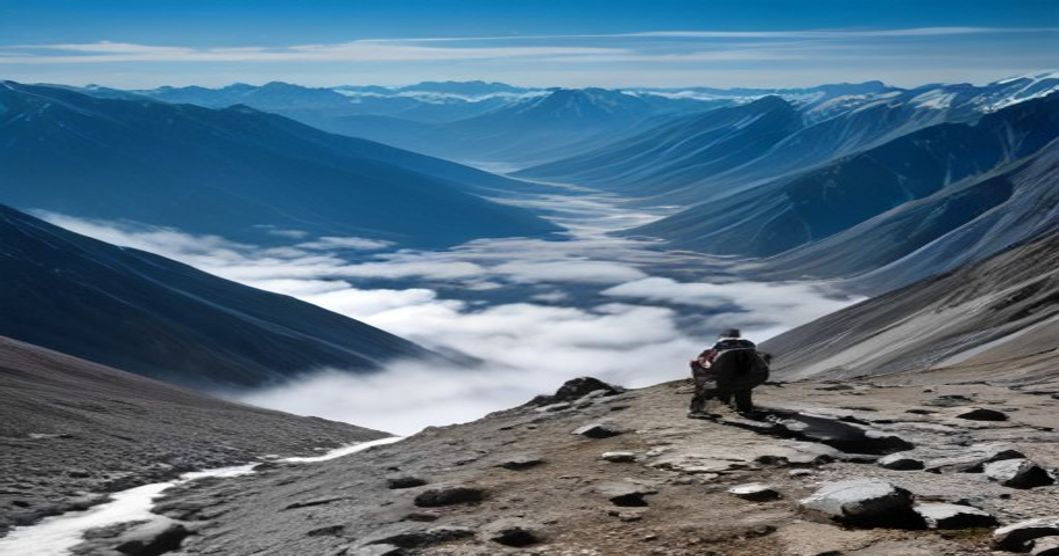
Overview of Chopta Chandrashila Trek
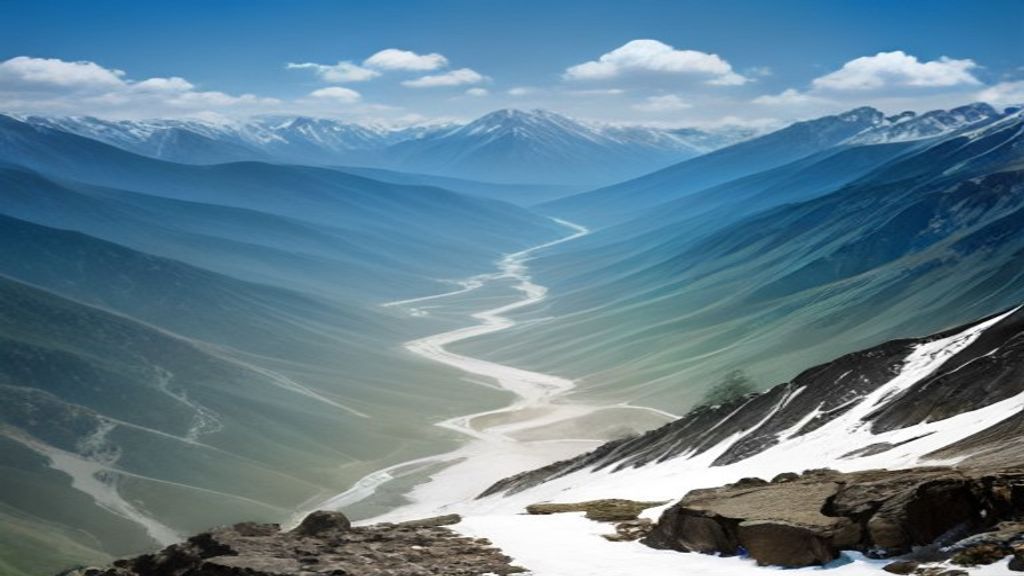
The Chopta Chandrashila Trek, located in the Garhwal Himalayas of Uttarakhand, India, offers explorers panoramic views of the mighty Himalayan peaks, including Nanda Devi and Trishul. As of August 2026, this trek remains one of the most sought-after Himalayan trekking routes for its accessibility and breathtaking vistas. Standing at the summit, trekkers witness an uninterrupted 360-degree view encompassing over 20 major peaks, making Chandrashila summit views among the most rewarding in the Indian Himalayas.
Chopta, often called the Mini Switzerland of India, serves as the gateway to this spectacular journey. The region’s dense rhododendron and deodar forests create a mystical atmosphere, particularly during spring when the landscape transforms into a riot of crimson blooms. The trek’s moderate difficulty level makes it ideal for both seasoned trekkers and enthusiastic beginners willing to push their boundaries.
Key Facts and Highlights
- Altitude: The trek reaches a maximum altitude of 4,130 meters (13,550 feet) at Chandrashila Summit, offering commanding views of Kedarnath, Chaukhamba, and Neelkanth peaks.
- Best Time to Visit: The prime trekking seasons are March to June and September to November, with each season presenting distinct advantages for different explorer preferences.
- Duration: Typically completed over 4 to 5 days, allowing for proper acclimatization and exploration of the surrounding Tungnath temple.
- Starting Point: The journey usually begins from the base village of Chopta, situated at approximately 2,680 meters elevation.
- Distance: The total trekking distance from Chopta to Chandrashila summit and back covers roughly 10 kilometers, with a steep ascent requiring stamina and determination.
Recent Updates for 2026
The trek has seen significant improvements throughout 2025 and into 2026, reflecting the Uttarakhand government’s commitment to promoting sustainable travel in Uttarakhand while maintaining the region’s pristine character:
- Trail Maintenance: Enhanced trail markers with bilingual signage and improved sanitation facilities along the route, including eco-friendly composting toilets at key points. The Forest Department installed weather-resistant waymarkers every 500 meters, reducing the risk of trekkers losing their way during foggy conditions.
- Sustainability Initiatives: Local authorities have implemented stricter eco-tourism policies to protect biodiversity and promote sustainable travel. A mandatory waste collection system requires trekkers to carry down all non-biodegradable waste, with deposit schemes incentivizing compliance. Single-use plastics are now banned within a 5-kilometer radius of Chopta.
- Safety Measures: The deployment of trained guides and emergency medical aid availability has been increased, with two permanent medical camps established at Chopta and Tungnath during peak seasons. Satellite communication devices are now available for rent, ensuring connectivity even in remote stretches.
- Infrastructure Development: Solar-powered lighting has been installed along critical sections of the trail, and rest shelters with basic amenities have been constructed at strategic intervals to provide refuge during sudden weather changes.
Understanding the Trek Route and Landmarks
The Chopta to Chandrashila trekking tips begin with understanding the route’s structure. The journey unfolds in distinct segments, each presenting unique challenges and rewards. From Chopta, trekkers ascend through dense forests toward Tungnath, home to the world’s highest Shiva temple at 3,680 meters. This sacred site attracts both pilgrims and adventurers, creating a fascinating cultural intersection.
The temple itself dates back over a thousand years and forms part of the Panch Kedar pilgrimage circuit. Spending time at Tungnath allows for essential acclimatization before the final push to Chandrashila. The trail from Tungnath to the summit grows steeper and more exposed, with alpine meadows giving way to rocky terrain. Weather conditions can shift rapidly at this altitude, making proper preparation non-negotiable.
The final kilometer to Chandrashila presents the most challenging section, with an elevation gain of approximately 450 meters over exposed ridgeline. Early morning summit attempts offer the clearest conditions and most spectacular sunrise views, though this requires starting the climb in pre-dawn darkness with headlamps.
Visitor Statistics and Accessibility (2026)
In the first half of 2026, Chopta has seen a 15% increase in trekkers compared to 2025, with approximately 28,000 registered visitors between January and June. Efforts to enhance accessibility, such as improved roads leading to Chopta and increased public transport options, have contributed to the rise. The all-weather road from Ukhimath to Chopta received a complete resurfacing in late 2025, reducing travel time and improving safety during monsoon months.
Additionally, the promotion of digital permits and registrations is streamlining visitor management. The Uttarakhand Tourism Development Board launched a comprehensive mobile application in March 2026, allowing trekkers to secure permits, book accommodation in Chopta, and access real-time weather updates. This digital transformation has reduced administrative bottlenecks and improved the overall trekking experience.
Public transport frequency from Rishikesh and Haridwar to Chopta has doubled during peak seasons, with dedicated trekker buses operating daily. Private taxi services have also organized into cooperatives, standardizing rates and improving service quality. These accessibility improvements have democratized the trek, making it feasible for budget-conscious travelers without compromising the wilderness experience.
Practical Tips for Trekkers
- Permits: It is essential to secure a trekking permit, now available online through the Uttarakhand tourism portal at a nominal fee of INR 350 for Indian nationals and INR 1,500 for international visitors. Permits can be obtained up to 30 days in advance or at the Chopta checkpoint, though advance booking is recommended during peak seasons.
- Fitness Preparation: Due to the elevation, a moderate level of fitness is recommended to tackle the ascent comfortably. Begin cardiovascular training at least four weeks before the trek, focusing on stair climbing, hiking with a weighted backpack, and building leg strength. Altitude acclimatization exercises, including breathing techniques, prove beneficial for managing the thin air at summit elevations.
- Weather Conditions: Be prepared for sudden weather changes and carry appropriate gear for cold and wet conditions. Temperatures at the summit can drop to minus 10 degrees Celsius even during summer months, while afternoon thunderstorms are common during the monsoon transition periods. Layered clothing systems, waterproof outer shells, and insulated gloves are essential regardless of season.
- Accommodation Options: Accommodation in Chopta ranges from basic guesthouses to comfortable eco-lodges, with prices varying from INR 800 to INR 3,500 per night depending on amenities. During peak seasons, advance booking is crucial as capacity fills rapidly. Several operators now offer camping packages, providing tents and meals for a more immersive wilderness experience.
- Essential Gear: Beyond standard trekking equipment, carry high-energy snacks, electrolyte supplements, a comprehensive first-aid kit with altitude sickness medication, sunscreen with high SPF, and trekking poles for knee support during descents. A reliable headlamp with spare batteries is non-negotiable for early morning summit attempts.
Best Time for Trekking Chopta: Seasonal Considerations
The best time for trekking Chopta depends significantly on what experience trekkers seek. The March to June window offers mild temperatures, blooming rhododendrons, and excellent visibility. April and May are particularly popular, with daytime temperatures ranging from 10 to 18 degrees Celsius at Chopta base. The forests burst with color during this period, and wildlife sightings, including Himalayan monals and musk deer, become more frequent.
The post-monsoon season from September to November provides crystal-clear skies and the most dramatic mountain views. October stands out as the ideal month, combining stable weather, comfortable temperatures, and autumn foliage that paints the landscape in golden hues. Early November brings the first snowfall to higher elevations, creating spectacular conditions though requiring additional cold-weather preparation.
Winter trekking from December to February presents a completely different adventure. The region transforms into a snow-covered wonderland, though the trek becomes significantly more challenging. Temperatures regularly drop below freezing, and the trail requires proper winter mountaineering skills. However, winter trekkers are rewarded with solitude, pristine snow conditions, and an otherworldly landscape that few experience. As of August 2026, specialized winter trekking operators offer guided expeditions with appropriate safety equipment and experienced mountaineering guides.
Cultural and Spiritual Significance
The Chopta Chandrashila Trek transcends mere physical adventure, offering deep cultural and spiritual dimensions. Tungnath temple’s ancient legends connect to the Mahabharata epic, where the Pandava brothers sought Lord Shiva’s forgiveness. The temple’s architecture, built entirely from stone without modern binding materials, demonstrates remarkable engineering that has withstood centuries of harsh Himalayan winters.
Local communities maintain strong spiritual connections to these mountains, viewing Chandrashila as the Moon Rock where Lord Rama meditated after defeating Ravana. Respectful interaction with temple priests and local villagers enriches the trekking experience, providing insights into mountain traditions and sustainable living practices passed down through generations.
Environmental Conservation and Responsible Trekking
The increasing popularity of Himalayan trekking routes has placed pressure on fragile alpine ecosystems. As of August 2026, the Uttarakhand Forest Department has implemented comprehensive conservation measures requiring trekker cooperation. Designated camping zones prevent environmental degradation from random site selection, while strict regulations prohibit campfires above certain altitudes to prevent deforestation.
Trekkers should follow Leave No Trace principles rigorously, packing out all waste including organic materials that decompose slowly at high altitudes. Supporting local businesses and homestays ensures economic benefits reach mountain communities, incentivizing conservation efforts. Many trekkers now participate in voluntary trail cleanup initiatives organized monthly by local environmental groups.
Challenges and Risk Management
While the Chopta Chandrashila Trek is accessible to moderately fit individuals, several challenges require acknowledgment and preparation. Acute Mountain Sickness (AMS) can affect trekkers at elevations above 3,000 meters, manifesting as headaches, nausea, and fatigue. Proper acclimatization, adequate hydration, and recognizing warning signs are critical for safe trekking.
The steep final ascent to Chandrashila summit demands careful footing, particularly when trails are wet or icy. Trekking poles provide essential stability, and maintaining a slow, steady pace prevents exhaustion. Weather volatility presents perhaps the greatest risk, with conditions capable of deteriorating within hours. Experienced guides possess crucial knowledge about when to advance or retreat, making their expertise valuable despite the trek’s relative accessibility.
Communication infrastructure, while improved, remains limited along portions of the route. Informing family or friends about trekking itineraries and expected return dates constitutes an essential safety protocol. The satellite phone rental services introduced in early 2026 provide additional security for solo trekkers or small groups venturing during shoulder seasons.
Planning Your Chopta Chandrashila Adventure
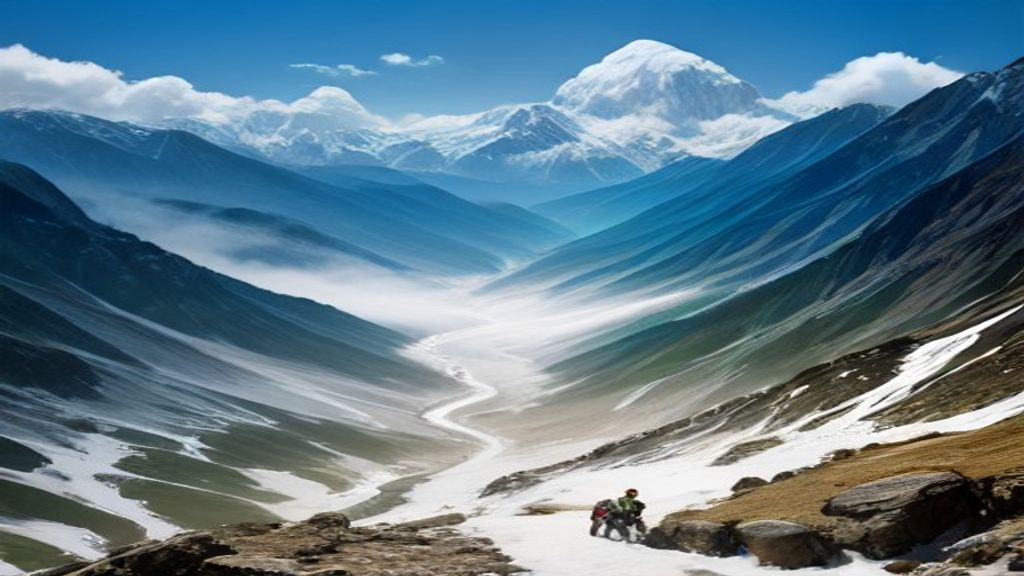
Successful trek execution requires thoughtful planning extending beyond physical preparation. Research accommodation in Chopta well in advance, particularly for weekend departures when local trekkers from Delhi and other metro cities converge on the region. Budgeting should account for permits, transportation, accommodation, guide fees if applicable, meals, and emergency contingencies.
Connecting with recent trekkers through online forums and social media groups provides current trail conditions, weather patterns, and practical advice that guidebooks cannot match. The official Uttarakhand Tourism portal regularly updates trail status, seasonal closures, and safety advisories that should be consulted within 48 hours of departure.
Group trekking offers social camaraderie and shared resources, though solo trekkers find profound satisfaction in the solitude and self-reliance the mountains demand. Regardless of approach, the Chopta Chandrashila Trek continues to captivate adventurers with its natural beauty and cultural richness, making it an essential journey for any trekking enthusiast in 2026.
The summit moment, standing atop Chandrashila with the Himalayas spreading endlessly in every direction, delivers a perspective-altering experience that transcends description. This is why explorers return season after season, finding new dimensions in familiar trails and discovering that the true summit lies not on mountain peaks but within the transformation these journeys create.
Related Content & Internal Resources
References & External Citations
- Wikipedia Reference: Chopta Chandrashila Trek: An Explorer’s Guide — Wikipedia
- Official Reference Documentation — Official Reference
Written by Senior Travel Consultant & Chardham Specialist
Anaya Sharma is a seasoned travel consultant with over 15 years of experience focusing on Uttarakhand’s rich cultural and natural landscapes. Specializing in the Chardham Yatra and Himalayan treks, Anaya holds a Master’s degree in Eco-Tourism from the University of Delhi. Her extensive fieldwork includes mapping less-trodden paths and collaborating with local communities for sustainable travel. As a published author in ‘The Himalayan Travel Journal,’ Anaya is committed to providing insightful and ethical travel guidance. She regularly contributes her expertise to the ‘Travel’ website, ensuring that travelers receive authentic and culturally respectful information about Uttarakhand’s treasures.