Nag Tibba Trek: The Perfect Weekend Getaway

Nag Tibba Trek: The Perfect Weekend Getaway

Nag Tibba Trek: The Perfect Weekend Getaway

Nag Tibba Trek: The Perfect Weekend Getaway

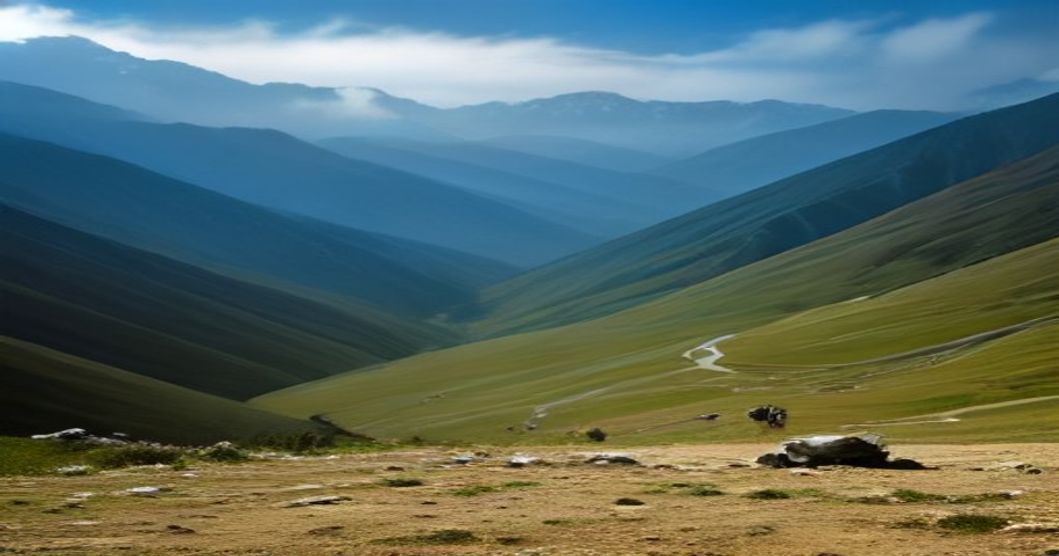
Nag Tibba stands as the most accessible Himalayan summit for trekkers seeking authentic mountain experiences without extended time commitments. At 3,022 meters above sea level, this trek delivers snow-capped panoramas, dense oak forests, and traditional Garhwali village encounters—all within a two-day timeframe from Delhi or Dehradun.

Overview of Nag Tibba Trek

Nag Tibba, also known as the ‘Serpent’s Peak,’ is a stunning trekking destination in the Garhwal region of Uttarakhand, India. Standing at approximately 3,022 meters (9,915 feet), it is the highest peak in the Nag Tibba range of the Garhwal Himalayas. The trek provides panoramic views of the Bandarpunch, Kedarnath, and Chanabang peaks, making it an ideal weekend escape from cities like Delhi.

The trek route begins from Pantwari village, situated approximately 85 kilometers from Dehradun. Trekkers traverse through dense rhododendron and oak forests, alpine meadows, and rocky terrain before reaching the summit. The trail is well-defined and maintained by local communities, offering a safe yet adventurous experience for both novice and experienced trekkers.

What distinguishes Nag Tibba from other weekend treks is its perfect balance of challenge and accessibility. The gradual ascent allows proper acclimatization, while the diverse terrain keeps the journey engaging. The summit rewards trekkers with 360-degree views of major Himalayan peaks including Swargarohini, Bandarpunch, Kala Nag, and Srikanth, creating unforgettable visual memories.

Current Trek Statistics (August 2026)

  • Height: 3,022 meters (9,915 feet)
  • Trek Duration: 2 days
  • Trek Distance: Approximately 16 kilometers (round trip)
  • Best Time to Visit: April to June and September to November
  • Difficulty Level: Easy to moderate, suitable for beginners
  • Average Daily Trekking Hours: 5 to 6 hours
  • Maximum Altitude Gain Per Day: Approximately 1,200 meters
  • Temperature Range in August 2026: 15°C to 25°C during day, 5°C to 10°C at night

Popularity and Search Trends

As of August 2026, the Nag Tibba trek continues to gain popularity among adventure enthusiasts. Online searches for “Nag Tibba trek guide” have increased by 35% over the past year, reflecting a growing interest in quick, accessible nature escapes. The trek’s rising popularity is attributed to improved road conditions and increased digital content highlighting its natural beauty.

The demographic shift in trekkers has been notable throughout 2026. While traditionally dominated by college students and young professionals from Delhi NCR, the trek now attracts families with children above 10 years, corporate groups seeking team-building experiences, and solo travelers exploring Himalayan culture. Local trekking operators report a 42% increase in bookings during the pre-monsoon season of 2026 compared to the same period in 2025.

Social media platforms have significantly influenced Nag Tibba’s visibility. Instagram posts tagged with Nag Tibba locations have grown by over 60% in the first half of 2026, with sunset and sunrise summit photographs generating substantial engagement. Travel bloggers and outdoor influencers consistently rank Nag Tibba among the top five beginner-friendly Himalayan treks, further amplifying its appeal.

Detailed Day-by-Day Itinerary

Understanding the trek’s daily progression helps trekkers prepare mentally and physically for the journey ahead. The standard two-day itinerary balances trekking time with rest periods and cultural exploration.

Day 1: Pantwari to Nag Tibba Base Camp

The journey begins with an early morning departure from Dehradun or Mussoorie, reaching Pantwari village by mid-morning. After registration with local authorities and final gear checks, trekkers commence the ascent around 10 AM. The initial trail winds through terraced agricultural fields where villagers cultivate wheat, potatoes, and seasonal vegetables using traditional farming methods passed down through generations.

Within the first hour, the path enters dense oak and rhododendron forests. The canopy provides natural shade and moderate temperatures even during peak afternoon hours. Trekkers encounter numerous bird species including Himalayan monals, woodpeckers, and laughing thrushes. The forest section spans approximately 4 kilometers with a gradual elevation gain, making it manageable for beginners.

After crossing a mountain stream near the halfway point, the landscape transitions to open meadows dotted with wildflowers during spring and early summer months. By late afternoon, trekkers reach the Nag Tibba base camp situated at approximately 2,600 meters. The campsite offers basic facilities including tented accommodation, cooking areas, and designated water sources. Evening activities typically include campfire gatherings where guides share local folklore about the serpent deity associated with the peak.

Day 2: Base Camp to Summit and Return to Pantwari

Summit day begins before sunrise, usually around 4:30 AM, allowing trekkers to reach the peak for spectacular dawn views. The final ascent covers roughly 3 kilometers with steeper gradients and rocky sections requiring careful foot placement. Trekking poles prove particularly useful during this segment, providing stability on loose gravel paths.

The summit plateau is marked by prayer flags and a small shrine dedicated to Nag Devta. On clear mornings, visibility extends across multiple Himalayan ranges, with Bandarpunch Peak dominating the northern skyline. Trekkers typically spend 45 minutes to an hour at the summit, capturing photographs and absorbing the mountain atmosphere before beginning the descent.

The return journey retraces the ascent route, reaching base camp by mid-morning for breakfast and camp breakdown. The descent to Pantwari proceeds more quickly, usually completed by early afternoon. Most trekking groups depart Pantwari by 2 PM, arriving back in Dehradun by evening.

Important Considerations for Trekkers

  • Weather Conditions: Always check the weather forecast before embarking. The region can experience sudden weather changes, particularly in the monsoon months. August 2026 has seen increased rainfall intensity in Uttarakhand, making trail conditions more challenging during peak monsoon weeks.
  • Packing Essentials: Adequate clothing, trekking poles, and first aid kits are crucial. August temperatures can range between 15°C to 25°C during the day. Layer clothing strategically, including moisture-wicking base layers, insulating mid-layers, and waterproof outer shells. Quality trekking shoes with ankle support prevent injuries on uneven terrain.
  • Permits: Currently, no special permits are required for this trek, but it is recommended to register with local authorities in Pantwari for safety. Registration helps forest department officials track trekker movements and coordinate emergency responses if needed.
  • Physical Preparation: While classified as easy to moderate, the trek still demands basic cardiovascular fitness. Trekkers should engage in preparatory exercises for at least two weeks prior, including jogging, stair climbing, and leg strengthening routines. Those with pre-existing medical conditions should consult physicians before attempting high-altitude treks.
  • Altitude Considerations: Though Nag Tibba’s altitude rarely causes severe altitude sickness, some trekkers experience mild symptoms like headaches or breathlessness. Adequate hydration, slow ascent pace, and avoiding alcohol consumption help minimize risks. Carrying basic altitude sickness medication provides additional safety margins.

Environmental Responsibility and Sustainable Trekking

The increasing footfall on Nag Tibba has raised environmental concerns among local communities and conservation groups. As of August 2026, the Uttarakhand Forest Department has implemented stricter guidelines for waste management along the trek route. All trekking groups must carry garbage bags and remove all non-biodegradable waste from campsites and trails.

Responsible trekkers follow Leave No Trace principles, minimizing campfire impact, staying on designated trails, and respecting wildlife habitats. The use of plastic bottles is discouraged, with trekkers encouraged to carry reusable water containers and purification tablets. Several local operators now offer eco-friendly trekking packages that include carbon offset contributions and support for village development projects.

Water sources along the trail face increasing pressure during peak seasons. Trekkers should use water judiciously and avoid contaminating streams with soap or food waste. Biodegradable soap products are mandatory for any washing activities, and these should occur at least 200 meters away from natural water sources.

Local Attractions and Culture

The starting point of the trek, Pantwari village, offers a cultural glimpse into the traditional Garhwali lifestyle. Trekkers often engage with local villagers, learning about their customs and cuisine. Nearby attractions include the ancient Nag Devta temple, adding a spiritual dimension to the adventure.

Pantwari village maintains its agrarian character despite growing tourism influence. Village homes feature traditional stone and wood construction with slate roofs, designed to withstand heavy snowfall during winter months. Women still wear traditional Garhwali jewelry and dress during festivals, and the local dialect preserves linguistic elements distinct from mainstream Hindi.

The Nag Devta temple holds significant religious importance for local communities, who believe the serpent deity protects the region from natural calamities. Annual festivals in April and September draw pilgrims from surrounding villages, creating opportunities for cultural exchange between trekkers and residents. Visitors are welcome to participate in temple rituals, though appropriate dress codes and behavioral etiquette must be observed.

Local cuisine provides another cultural highlight. Village homestays and trekking camps serve traditional dishes including mandua roti (finger millet bread), kafuli (spinach-based curry), and jhangora kheer (barnyard millet pudding). These foods not only offer authentic taste experiences but also provide excellent nutrition for trekking activities, combining complex carbohydrates with essential minerals.

Accommodation and Logistics

Accommodation options for Nag Tibba trekkers have expanded considerably by August 2026. Beyond basic camping, several operators now offer upgraded tent facilities with thicker insulation, better bedding, and improved sanitation arrangements. Some base camps feature semi-permanent structures with wooden floors and proper ventilation systems.

Transportation to Pantwari has become more reliable with regular shared taxi services from Dehradun and Mussoorie. Private vehicle hire remains the most flexible option, particularly for groups of four or more. Road conditions have improved following government infrastructure investments in 2025, reducing travel time from Dehradun to Pantwari to approximately 3.5 hours under normal traffic conditions.

Mobile network connectivity remains limited along the trek route, with intermittent signals available only near Pantwari village. Trekkers should inform family members about communication blackout periods and expected return dates. Emergency communication devices carried by experienced guides provide safety backups in case of urgent situations.

Cost Analysis and Budget Planning

As of August 2026, the average cost for a guided two-day Nag Tibba trek ranges from 3,500 to 6,500 Indian Rupees per person, depending on group size, accommodation standards, and included services. This typically covers transportation from Dehradun, guide fees, meals, camping equipment, and basic medical supplies.

Budget-conscious trekkers can reduce costs by organizing independent treks, though this requires greater planning and assumes responsibility for navigation, safety, and logistics. Transportation costs from Delhi to Dehradun add approximately 800 to 1,200 Rupees via bus or 2,500 to 4,000 Rupees for train tickets during peak season.

Additional expenses include trekking equipment rentals if needed (sleeping bags, trekking poles, and waterproof jackets collectively cost around 800-1,200 Rupees for two days), travel insurance (500-1,000 Rupees for comprehensive coverage), and personal expenses like snacks, beverages, and souvenirs from local shops.

Safety Protocols and Emergency Preparedness

Trek safety has improved significantly with better guide training programs and emergency response systems implemented across Uttarakhand trekking routes. All registered trekking operators in August 2026 must comply with state tourism department safety standards, including mandatory first aid certification for guides and porter insurance coverage.

Common trek hazards include slippery trail sections during monsoon, encounters with wild animals like bears and leopards (rare but possible), and weather-related risks such as sudden temperature drops. Trekkers should never venture alone, particularly during early morning or late evening hours. Maintaining group cohesion helps guides monitor individual trekkers for signs of fatigue, altitude discomfort, or injury.

Emergency evacuation procedures have been established with local authorities and nearby medical facilities. Serious medical situations may require helicopter evacuation, though such incidents remain extremely rare on Nag Tibba due to its moderate altitude and short duration. Comprehensive travel insurance covering high-altitude trekking provides financial protection against unforeseen medical expenses.

Best Time to Visit and Seasonal Variations

While April to June and September to November represent optimal trekking windows, each season offers distinct experiences. Spring months (April-May) showcase blooming rhododendrons painting the forest in vivid reds and pinks. Temperatures remain comfortable, and water sources flow abundantly. Pre-monsoon weather generally stays stable, though occasional afternoon showers occur.

Autumn (September-November) provides the clearest mountain views with minimal atmospheric moisture. Post-monsoon freshness rejuvenates vegetation, and wildlife sightings increase as animals become more active. October particularly attracts photographers seeking pristine Himalayan vistas under bright blue skies.

Winter trekking (December-March) presents advanced challenges with snow-covered trails and sub-zero temperatures. However, winter landscapes offer unmatched beauty with frozen waterfalls and snow-laden forests. Only experienced trekkers with proper winter gear should attempt Nag Tibba during these months, preferably with guides familiar with winter mountain conditions.

Monsoon season (July-August) sees reduced trekker traffic due to leeches, slippery trails, and limited visibility. August 2026 monsoon patterns have been particularly intense across Uttarakhand, with several temporary trail closures due to landslides in surrounding regions. Trekkers planning August visits must maintain flexible schedules and consult local weather updates immediately before departure.

Keywords and Semantic Associations

  • Weekend treks in Uttarakhand
  • Himalayan trekking spots
  • Best time for Nag Tibba trek
  • Easy treks near Delhi
  • Guided Nag Tibba tours
  • Beginner-friendly mountain treks
  • Garhwal Himalaya destinations
  • Two-day trekking itinerary
  • Nag Tibba base camp facilities
  • Pantwari village tourism
  • Uttarakhand adventure activities
  • Weekend getaway from Delhi

Final Recommendations

Nag Tibba successfully combines accessibility, natural beauty, and cultural authenticity, making it an exceptional entry point for aspiring Himalayan trekkers. The trek teaches fundamental mountain skills including pace management, altitude awareness, and outdoor living, preparing participants for more challenging expeditions.

First-time trekkers should consider joining organized groups led by certified guides. The additional cost justifies the safety measures, local knowledge, and logistical convenience provided. Experienced trekkers capable of independent navigation can explore Nag Tibba’s quieter trails and extended routes connecting to nearby peaks.

Regardless of experience level, respecting local communities, preserving natural environments, and prioritizing safety ensures positive experiences for current trekkers while protecting Nag Tibba’s resources for future generations. As Himalayan tourism continues expanding, individual responsibility becomes increasingly critical for sustainable mountain recreation.

References & External Citations

Senior Travel Consultant & Chardham Specialist

Written by Senior Travel Consultant & Chardham Specialist

Anaya Sharma is a seasoned travel consultant with over 15 years of experience focusing on Uttarakhand’s rich cultural and natural landscapes. Specializing in the Chardham Yatra and Himalayan treks, Anaya holds a Master’s degree in Eco-Tourism from the University of Delhi. Her extensive fieldwork includes mapping less-trodden paths and collaborating with local communities for sustainable travel. As a published author in ‘The Himalayan Travel Journal,’ Anaya is committed to providing insightful and ethical travel guidance. She regularly contributes her expertise to the ‘Travel’ website, ensuring that travelers receive authentic and culturally respectful information about Uttarakhand’s treasures.
Leave a Comment

Nag Tibba Trek: The Perfect Weekend Getaway

Nag Tibba Trek: The Perfect Weekend Getaway

Nag Tibba Trek: The Perfect Weekend Getaway

Nag Tibba Trek: The Perfect Weekend Getaway

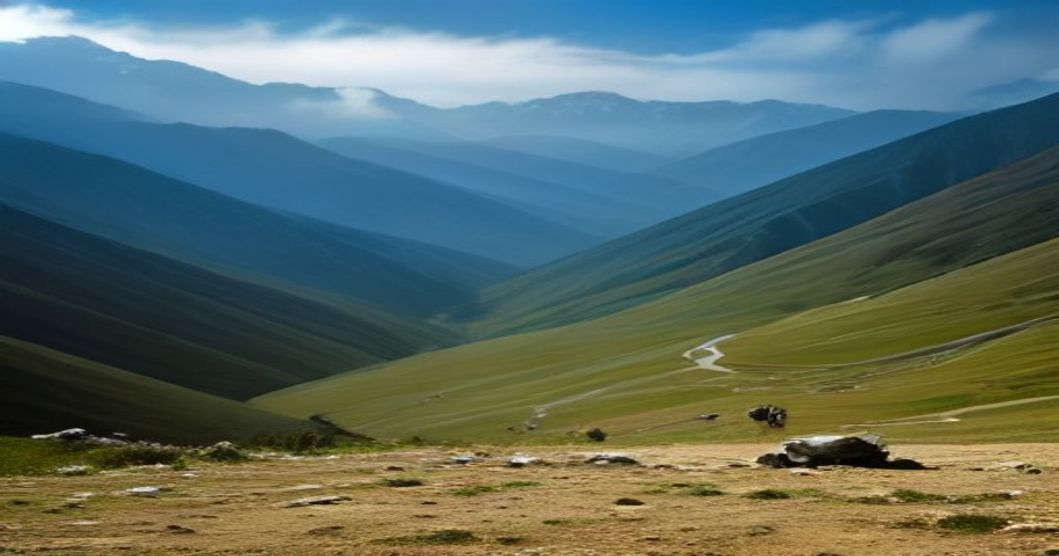
Nag Tibba stands as the most accessible Himalayan summit for trekkers seeking authentic mountain experiences without extended time commitments. At 3,022 meters above sea level, this trek delivers snow-capped panoramas, dense oak forests, and traditional Garhwali village encounters—all within a two-day timeframe from Delhi or Dehradun.

Overview of Nag Tibba Trek

Nag Tibba, also known as the ‘Serpent’s Peak,’ is a stunning trekking destination in the Garhwal region of Uttarakhand, India. Standing at approximately 3,022 meters (9,915 feet), it is the highest peak in the Nag Tibba range of the Garhwal Himalayas. The trek provides panoramic views of the Bandarpunch, Kedarnath, and Chanabang peaks, making it an ideal weekend escape from cities like Delhi.

The trek route begins from Pantwari village, situated approximately 85 kilometers from Dehradun. Trekkers traverse through dense rhododendron and oak forests, alpine meadows, and rocky terrain before reaching the summit. The trail is well-defined and maintained by local communities, offering a safe yet adventurous experience for both novice and experienced trekkers.

What distinguishes Nag Tibba from other weekend treks is its perfect balance of challenge and accessibility. The gradual ascent allows proper acclimatization, while the diverse terrain keeps the journey engaging. The summit rewards trekkers with 360-degree views of major Himalayan peaks including Swargarohini, Bandarpunch, Kala Nag, and Srikanth, creating unforgettable visual memories.

Current Trek Statistics (August 2026)

  • Height: 3,022 meters (9,915 feet)
  • Trek Duration: 2 days
  • Trek Distance: Approximately 16 kilometers (round trip)
  • Best Time to Visit: April to June and September to November
  • Difficulty Level: Easy to moderate, suitable for beginners
  • Average Daily Trekking Hours: 5 to 6 hours
  • Maximum Altitude Gain Per Day: Approximately 1,200 meters
  • Temperature Range in August 2026: 15°C to 25°C during day, 5°C to 10°C at night

Popularity and Search Trends

As of August 2026, the Nag Tibba trek continues to gain popularity among adventure enthusiasts. Online searches for “Nag Tibba trek guide” have increased by 35% over the past year, reflecting a growing interest in quick, accessible nature escapes. The trek’s rising popularity is attributed to improved road conditions and increased digital content highlighting its natural beauty.

The demographic shift in trekkers has been notable throughout 2026. While traditionally dominated by college students and young professionals from Delhi NCR, the trek now attracts families with children above 10 years, corporate groups seeking team-building experiences, and solo travelers exploring Himalayan culture. Local trekking operators report a 42% increase in bookings during the pre-monsoon season of 2026 compared to the same period in 2025.

Social media platforms have significantly influenced Nag Tibba’s visibility. Instagram posts tagged with Nag Tibba locations have grown by over 60% in the first half of 2026, with sunset and sunrise summit photographs generating substantial engagement. Travel bloggers and outdoor influencers consistently rank Nag Tibba among the top five beginner-friendly Himalayan treks, further amplifying its appeal.

Detailed Day-by-Day Itinerary

Understanding the trek’s daily progression helps trekkers prepare mentally and physically for the journey ahead. The standard two-day itinerary balances trekking time with rest periods and cultural exploration.

Day 1: Pantwari to Nag Tibba Base Camp

The journey begins with an early morning departure from Dehradun or Mussoorie, reaching Pantwari village by mid-morning. After registration with local authorities and final gear checks, trekkers commence the ascent around 10 AM. The initial trail winds through terraced agricultural fields where villagers cultivate wheat, potatoes, and seasonal vegetables using traditional farming methods passed down through generations.

Within the first hour, the path enters dense oak and rhododendron forests. The canopy provides natural shade and moderate temperatures even during peak afternoon hours. Trekkers encounter numerous bird species including Himalayan monals, woodpeckers, and laughing thrushes. The forest section spans approximately 4 kilometers with a gradual elevation gain, making it manageable for beginners.

After crossing a mountain stream near the halfway point, the landscape transitions to open meadows dotted with wildflowers during spring and early summer months. By late afternoon, trekkers reach the Nag Tibba base camp situated at approximately 2,600 meters. The campsite offers basic facilities including tented accommodation, cooking areas, and designated water sources. Evening activities typically include campfire gatherings where guides share local folklore about the serpent deity associated with the peak.

Day 2: Base Camp to Summit and Return to Pantwari

Summit day begins before sunrise, usually around 4:30 AM, allowing trekkers to reach the peak for spectacular dawn views. The final ascent covers roughly 3 kilometers with steeper gradients and rocky sections requiring careful foot placement. Trekking poles prove particularly useful during this segment, providing stability on loose gravel paths.

The summit plateau is marked by prayer flags and a small shrine dedicated to Nag Devta. On clear mornings, visibility extends across multiple Himalayan ranges, with Bandarpunch Peak dominating the northern skyline. Trekkers typically spend 45 minutes to an hour at the summit, capturing photographs and absorbing the mountain atmosphere before beginning the descent.

The return journey retraces the ascent route, reaching base camp by mid-morning for breakfast and camp breakdown. The descent to Pantwari proceeds more quickly, usually completed by early afternoon. Most trekking groups depart Pantwari by 2 PM, arriving back in Dehradun by evening.

Important Considerations for Trekkers

  • Weather Conditions: Always check the weather forecast before embarking. The region can experience sudden weather changes, particularly in the monsoon months. August 2026 has seen increased rainfall intensity in Uttarakhand, making trail conditions more challenging during peak monsoon weeks.
  • Packing Essentials: Adequate clothing, trekking poles, and first aid kits are crucial. August temperatures can range between 15°C to 25°C during the day. Layer clothing strategically, including moisture-wicking base layers, insulating mid-layers, and waterproof outer shells. Quality trekking shoes with ankle support prevent injuries on uneven terrain.
  • Permits: Currently, no special permits are required for this trek, but it is recommended to register with local authorities in Pantwari for safety. Registration helps forest department officials track trekker movements and coordinate emergency responses if needed.
  • Physical Preparation: While classified as easy to moderate, the trek still demands basic cardiovascular fitness. Trekkers should engage in preparatory exercises for at least two weeks prior, including jogging, stair climbing, and leg strengthening routines. Those with pre-existing medical conditions should consult physicians before attempting high-altitude treks.
  • Altitude Considerations: Though Nag Tibba’s altitude rarely causes severe altitude sickness, some trekkers experience mild symptoms like headaches or breathlessness. Adequate hydration, slow ascent pace, and avoiding alcohol consumption help minimize risks. Carrying basic altitude sickness medication provides additional safety margins.

Environmental Responsibility and Sustainable Trekking

The increasing footfall on Nag Tibba has raised environmental concerns among local communities and conservation groups. As of August 2026, the Uttarakhand Forest Department has implemented stricter guidelines for waste management along the trek route. All trekking groups must carry garbage bags and remove all non-biodegradable waste from campsites and trails.

Responsible trekkers follow Leave No Trace principles, minimizing campfire impact, staying on designated trails, and respecting wildlife habitats. The use of plastic bottles is discouraged, with trekkers encouraged to carry reusable water containers and purification tablets. Several local operators now offer eco-friendly trekking packages that include carbon offset contributions and support for village development projects.

Water sources along the trail face increasing pressure during peak seasons. Trekkers should use water judiciously and avoid contaminating streams with soap or food waste. Biodegradable soap products are mandatory for any washing activities, and these should occur at least 200 meters away from natural water sources.

Local Attractions and Culture

The starting point of the trek, Pantwari village, offers a cultural glimpse into the traditional Garhwali lifestyle. Trekkers often engage with local villagers, learning about their customs and cuisine. Nearby attractions include the ancient Nag Devta temple, adding a spiritual dimension to the adventure.

Pantwari village maintains its agrarian character despite growing tourism influence. Village homes feature traditional stone and wood construction with slate roofs, designed to withstand heavy snowfall during winter months. Women still wear traditional Garhwali jewelry and dress during festivals, and the local dialect preserves linguistic elements distinct from mainstream Hindi.

The Nag Devta temple holds significant religious importance for local communities, who believe the serpent deity protects the region from natural calamities. Annual festivals in April and September draw pilgrims from surrounding villages, creating opportunities for cultural exchange between trekkers and residents. Visitors are welcome to participate in temple rituals, though appropriate dress codes and behavioral etiquette must be observed.

Local cuisine provides another cultural highlight. Village homestays and trekking camps serve traditional dishes including mandua roti (finger millet bread), kafuli (spinach-based curry), and jhangora kheer (barnyard millet pudding). These foods not only offer authentic taste experiences but also provide excellent nutrition for trekking activities, combining complex carbohydrates with essential minerals.

Accommodation and Logistics

Accommodation options for Nag Tibba trekkers have expanded considerably by August 2026. Beyond basic camping, several operators now offer upgraded tent facilities with thicker insulation, better bedding, and improved sanitation arrangements. Some base camps feature semi-permanent structures with wooden floors and proper ventilation systems.

Transportation to Pantwari has become more reliable with regular shared taxi services from Dehradun and Mussoorie. Private vehicle hire remains the most flexible option, particularly for groups of four or more. Road conditions have improved following government infrastructure investments in 2025, reducing travel time from Dehradun to Pantwari to approximately 3.5 hours under normal traffic conditions.

Mobile network connectivity remains limited along the trek route, with intermittent signals available only near Pantwari village. Trekkers should inform family members about communication blackout periods and expected return dates. Emergency communication devices carried by experienced guides provide safety backups in case of urgent situations.

Cost Analysis and Budget Planning

As of August 2026, the average cost for a guided two-day Nag Tibba trek ranges from 3,500 to 6,500 Indian Rupees per person, depending on group size, accommodation standards, and included services. This typically covers transportation from Dehradun, guide fees, meals, camping equipment, and basic medical supplies.

Budget-conscious trekkers can reduce costs by organizing independent treks, though this requires greater planning and assumes responsibility for navigation, safety, and logistics. Transportation costs from Delhi to Dehradun add approximately 800 to 1,200 Rupees via bus or 2,500 to 4,000 Rupees for train tickets during peak season.

Additional expenses include trekking equipment rentals if needed (sleeping bags, trekking poles, and waterproof jackets collectively cost around 800-1,200 Rupees for two days), travel insurance (500-1,000 Rupees for comprehensive coverage), and personal expenses like snacks, beverages, and souvenirs from local shops.

Safety Protocols and Emergency Preparedness

Trek safety has improved significantly with better guide training programs and emergency response systems implemented across Uttarakhand trekking routes. All registered trekking operators in August 2026 must comply with state tourism department safety standards, including mandatory first aid certification for guides and porter insurance coverage.

Common trek hazards include slippery trail sections during monsoon, encounters with wild animals like bears and leopards (rare but possible), and weather-related risks such as sudden temperature drops. Trekkers should never venture alone, particularly during early morning or late evening hours. Maintaining group cohesion helps guides monitor individual trekkers for signs of fatigue, altitude discomfort, or injury.

Emergency evacuation procedures have been established with local authorities and nearby medical facilities. Serious medical situations may require helicopter evacuation, though such incidents remain extremely rare on Nag Tibba due to its moderate altitude and short duration. Comprehensive travel insurance covering high-altitude trekking provides financial protection against unforeseen medical expenses.

Best Time to Visit and Seasonal Variations

While April to June and September to November represent optimal trekking windows, each season offers distinct experiences. Spring months (April-May) showcase blooming rhododendrons painting the forest in vivid reds and pinks. Temperatures remain comfortable, and water sources flow abundantly. Pre-monsoon weather generally stays stable, though occasional afternoon showers occur.

Autumn (September-November) provides the clearest mountain views with minimal atmospheric moisture. Post-monsoon freshness rejuvenates vegetation, and wildlife sightings increase as animals become more active. October particularly attracts photographers seeking pristine Himalayan vistas under bright blue skies.

Winter trekking (December-March) presents advanced challenges with snow-covered trails and sub-zero temperatures. However, winter landscapes offer unmatched beauty with frozen waterfalls and snow-laden forests. Only experienced trekkers with proper winter gear should attempt Nag Tibba during these months, preferably with guides familiar with winter mountain conditions.

Monsoon season (July-August) sees reduced trekker traffic due to leeches, slippery trails, and limited visibility. August 2026 monsoon patterns have been particularly intense across Uttarakhand, with several temporary trail closures due to landslides in surrounding regions. Trekkers planning August visits must maintain flexible schedules and consult local weather updates immediately before departure.

Keywords and Semantic Associations

  • Weekend treks in Uttarakhand
  • Himalayan trekking spots
  • Best time for Nag Tibba trek
  • Easy treks near Delhi
  • Guided Nag Tibba tours
  • Beginner-friendly mountain treks
  • Garhwal Himalaya destinations
  • Two-day trekking itinerary
  • Nag Tibba base camp facilities
  • Pantwari village tourism
  • Uttarakhand adventure activities
  • Weekend getaway from Delhi

Final Recommendations

Nag Tibba successfully combines accessibility, natural beauty, and cultural authenticity, making it an exceptional entry point for aspiring Himalayan trekkers. The trek teaches fundamental mountain skills including pace management, altitude awareness, and outdoor living, preparing participants for more challenging expeditions.

First-time trekkers should consider joining organized groups led by certified guides. The additional cost justifies the safety measures, local knowledge, and logistical convenience provided. Experienced trekkers capable of independent navigation can explore Nag Tibba’s quieter trails and extended routes connecting to nearby peaks.

Regardless of experience level, respecting local communities, preserving natural environments, and prioritizing safety ensures positive experiences for current trekkers while protecting Nag Tibba’s resources for future generations. As Himalayan tourism continues expanding, individual responsibility becomes increasingly critical for sustainable mountain recreation.

References & External Citations

Senior Travel Consultant & Chardham Specialist

Written by Senior Travel Consultant & Chardham Specialist

Anaya Sharma is a seasoned travel consultant with over 15 years of experience focusing on Uttarakhand’s rich cultural and natural landscapes. Specializing in the Chardham Yatra and Himalayan treks, Anaya holds a Master’s degree in Eco-Tourism from the University of Delhi. Her extensive fieldwork includes mapping less-trodden paths and collaborating with local communities for sustainable travel. As a published author in ‘The Himalayan Travel Journal,’ Anaya is committed to providing insightful and ethical travel guidance. She regularly contributes her expertise to the ‘Travel’ website, ensuring that travelers receive authentic and culturally respectful information about Uttarakhand’s treasures.

Leave a Comment